If you're wondering how long does food last in mylar bags, here's the quick answer: with oxygen absorbers and a proper heat seal, most dry staples stay good for 20 to 30 years. Items with natural oils, like brown rice or whole-wheat flour, run shorter at 5 to 10 years. The real magic isn't the food itself — it's the barrier the pouch creates around it.
Below, you'll find a shelf-life table by food type, the science behind why this material works so well, and the practical decisions that make or break your storage plan. Let's dig in.
The Fast Reference: Shelf Life by Food Type
Different foods age at different speeds, even inside the same pouch. The two biggest enemies are moisture and oxygen, so foods that are already dry and low in fat win the longevity race. Here's a clean snapshot you can screenshot and keep.
| Food Type | Estimated Shelf Life (sealed + oxygen absorber) | Main Limiting Factor |
|---|---|---|
| White rice | 25–30 years | Very stable, low oil |
| Brown rice | 8–10 years | Natural oils go rancid |
| White flour | 10–15 years | Trace fats, humidity |
| Whole-wheat flour | 5–7 years | Wheat germ oils |
| Rolled oats | 20–30 years | Low moisture |
| Dried beans & lentils | 25–30 years | Can harden over time |
| Pasta | 25–30 years | Keep bone-dry |
| Granulated sugar | 30+ years | Clumping (still edible) |
| Dehydrated vegetables | 20–25 years | Residual moisture |
| Freeze-dried meals | 25–30 years | Air exposure |
| Powdered milk | 15–20 years | Fat content |
| Coffee (whole bean) | 2–3 years | Aroma & oil loss |
These numbers assume a cool, dark, stable storage spot — think 60–70°F. Heat is a silent shelf-life killer, roughly halving longevity for every 18°F rise in temperature. So a garage that swings from freezing to sweltering will never match a basement pantry.
Why This Material Outperforms Plastic Tubs and Jars
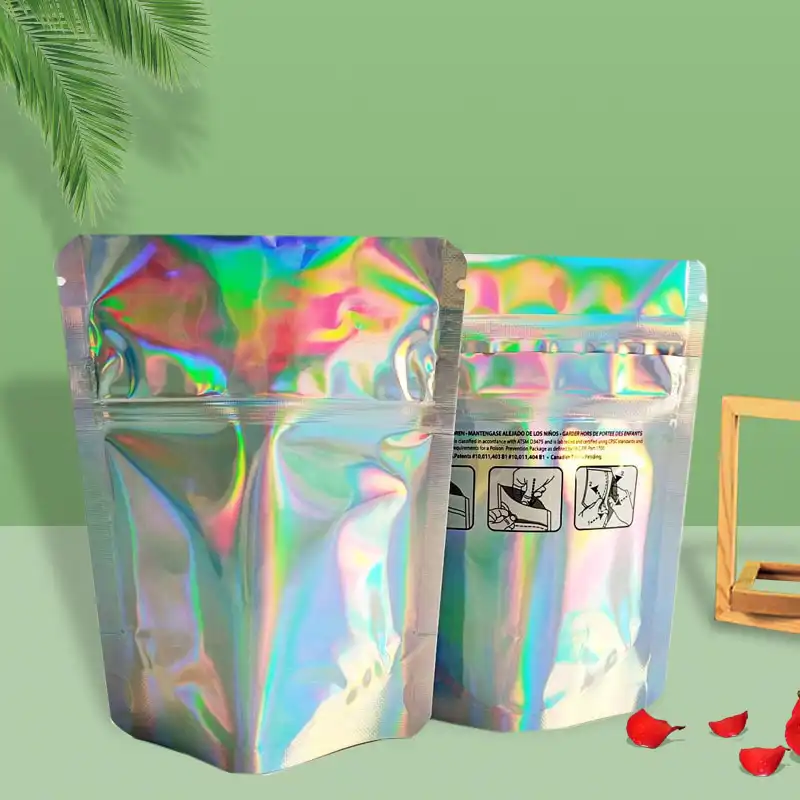
The secret is a metallized layer sandwiched between plastic films. This foil-like barrier blocks the three forces that spoil food: oxygen, moisture, and light. Regular plastic containers, by contrast, let tiny amounts of air seep through over months and years.
Think of it this way. A standard freezer bag might block liquid water, but gases still creep through the plastic walls. A metallized pouch cuts oxygen transmission down to a fraction of that — which is exactly why it can hold rice edible for decades instead of a couple of years.
The Light Factor People Forget
Light degrades vitamins and accelerates oil rancidity. Clear jars look pretty on a shelf, but they expose contents to constant UV damage. An opaque, light-blocking barrier keeps nutrients intact far longer — a detail that matters for anyone storing food for genuine long-term security.
Do You Really Need Oxygen Absorbers?
Short answer: yes, for anything you want to last more than a year or two. This is the single most common question we hear, so let's settle it: do mylar bags need oxygen absorbers for long term food storage? Absolutely — the pouch keeps new air out, but the absorber removes the oxygen already trapped inside with your food.
Without one, that leftover oxygen slowly oxidizes fats and feeds any dormant insect eggs. A properly sized absorber pulls oxygen down below 0.1%, creating a near-nitrogen environment where spoilage and pests simply can't thrive.
| Bag Size | Recommended Oxygen Absorber |
|---|---|
| 1 quart (up to ~1 lb) | 100 cc |
| 1 gallon (up to ~7 lb) | 300–500 cc |
| 5 gallon (up to ~35 lb) | 2,000 cc |
One tip from experience: buy absorbers in the exact quantity you'll use in a session. They start working the moment they hit open air, so a leftover jar of them often goes to waste.
Grains and Powders: A Closer Look
Grains are the backbone of most storage plans, and they behave differently depending on their oil content. If you're asking how long does rice last in mylar bags with oxygen absorbers, white rice is your champion — properly sealed, it comfortably reaches 25–30 years while brown rice tops out near a decade because of its natural oils.
Flour raises a similar question. When people ask how long does flour last in mylar bags, the answer splits by type: refined white flour holds for 10–15 years, while whole-grain versions carry oils that shorten the window to 5–7 years. A moisture-proof, light-blocking pouch buys you the maximum on both.
Watch the Moisture Content
Here's a trap many first-timers fall into: sealing food that isn't dry enough. Anything above roughly 10% moisture risks mold or, worse, botulism. Dehydrated and freeze-dried items are ideal precisely because they're already stripped of water.
Speaking of which — how long does dehydrated food last in vacuum sealed mylar bags? Typically 20–25 years, provided the drying was thorough and the seal is airtight. Vacuum sealing adds a small edge, but the oxygen absorber does the heavy lifting.
Building a Long-Term Storage Plan That Lasts
Achieving genuine longevity — the kind that supports the full shelf life of food in mylar bags long term storage promise — comes down to a repeatable routine. Skip a step and you cut years off your supply.
- Use a thick enough film. Aim for at least 5 mil for long-term staples; thin bags puncture and let pinhole leaks form.
- Seal with real heat. A flat iron or impulse sealer creates a stronger bond than a hair straightener held too briefly.
- Add the right absorber size before you seal, not after.
- Label everything with contents and pack date.
- Store cool and dark, ideally off concrete floors and away from temperature swings.
Why Bag Quality Decides Everything
A decades-long seal is only as reliable as the material holding it. Thin or poorly laminated pouches develop micro-cracks at the fold lines, and that's where oxygen sneaks back in. As a packaging maker that has run production since 2005, we've seen how a slightly thicker barrier film turns a 5-year result into a 25-year one.
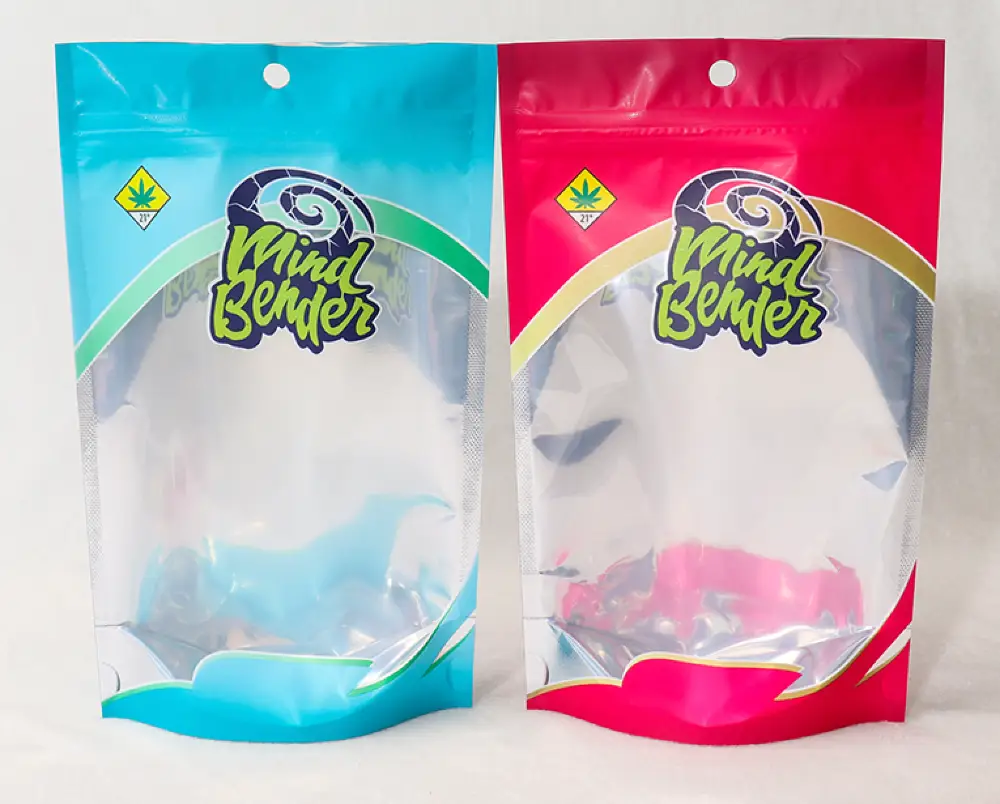
At Jmeipacking, we build pouches in a certified facility (ISO 22000 and FDA compliant) and tailor the film structure, thickness, and finish to what each brand actually stores. Whether you need resealable zippers, child-resistant closures, or a fully custom printed design, the barrier performance stays consistent — and we're happy to send free samples so you can test the seal before committing. Reach us at [email protected].
Common Mistakes That Shorten Shelf Life
Working with brands across North America, we've found the most frequent slip-up isn't the food — it's rushing the seal. A weak seam looks fine on day one and fails silently months later.
- Sealing over food dust on the seam line (creates a leak channel).
- Using too-small oxygen absorbers for the volume.
- Storing pouches loose where they can be pierced.
- Reusing absorbers that already spent hours exposed to air.
Frequently Asked Questions
Can I reuse a pouch after opening it?
You can, but longevity drops sharply. Once the seal is cut, air and moisture have entered. Reseal for short-term use only, and add a fresh absorber if you're storing for more than a few weeks.
Does thickness really matter that much?
Yes. A 3.5 mil bag is fine for a year or two, but for multi-decade storage a 5–7 mil film resists punctures and fold-line cracks far better. Thicker walls mean fewer pinhole failures over time.
What temperature is ideal for storage?
Aim for 50–70°F in a dark spot. Every jump in heat roughly halves shelf life, so avoid attics, garages, and anywhere near appliances that give off warmth.
Are child-resistant closures available on custom pouches?
They are. We offer certified child-resistant zippers alongside standard resealable options, which matters for households storing anything that should stay out of little hands.
How can I test a supplier's bag quality before ordering?
Request samples and run your own seal test — fill, seal, and leave it a few weeks to check for air re-entry. Reputable makers, ourselves included, provide free samples precisely so you can verify performance first.
Disclaimer: Storage timelines above reflect ideal conditions and general guidance, not guarantees. Certain closure features, including child-resistant designs, are certified for specific product categories and are intended for use in U.S. states where the stored goods are legal. Always follow local regulations and confirm certification requirements for your specific application.