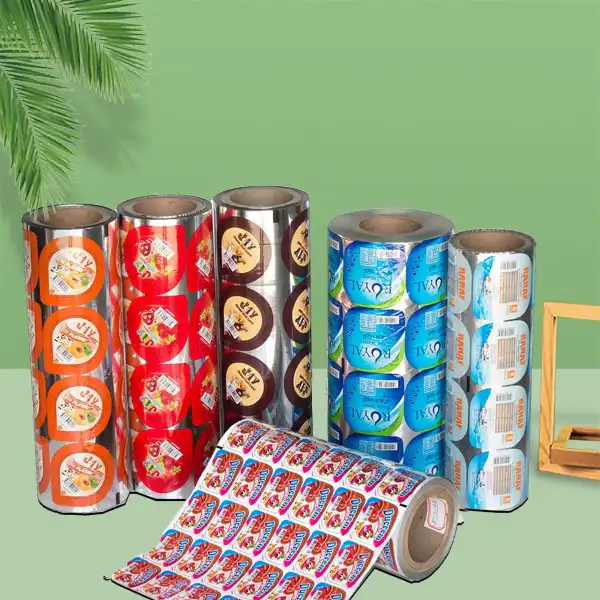
Quick answer: If you are asking what is rollstock packaging, it is a continuous roll of printed or unprinted flexible film that is fed into automatic packaging machines, formed into bags or pouches, filled with product, and sealed in one smooth production flow.
For brands ordering packaging in larger runs, this format can reduce packing steps, support high-speed filling, and give you strong control over size, barrier, printing, and shelf presentation. It is widely used for snacks, coffee, pet treats, frozen foods, supplements, cosmetics refills, rice, powders, and many other products that need flexible custom packaging.
The Simple Definition, Without Factory Jargon
Here is the plain-English version: roll film packaging is like a “blank canvas on a roll.” Instead of receiving finished empty pouches, your co-packer or filling line receives a roll of flexible material, then the machine forms each pack during production.
A useful rollstock packaging definition and examples would include laminated film for chips, stand-up snack packs made on form-fill-seal machines, stick packs for powders, sachets for samples, pillow packs for candy, and vacuum-compatible films for certain foods.
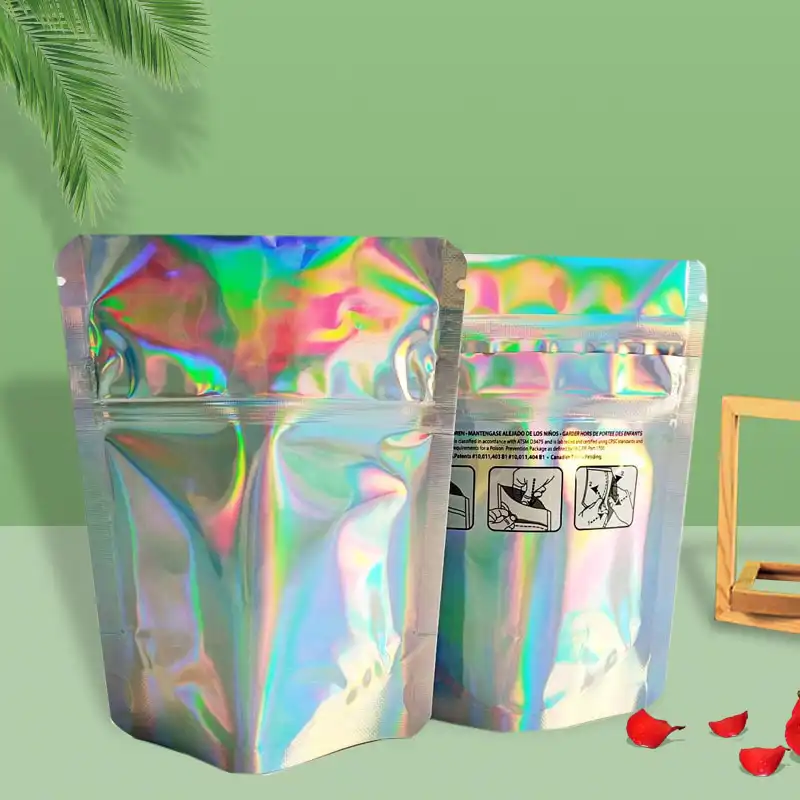
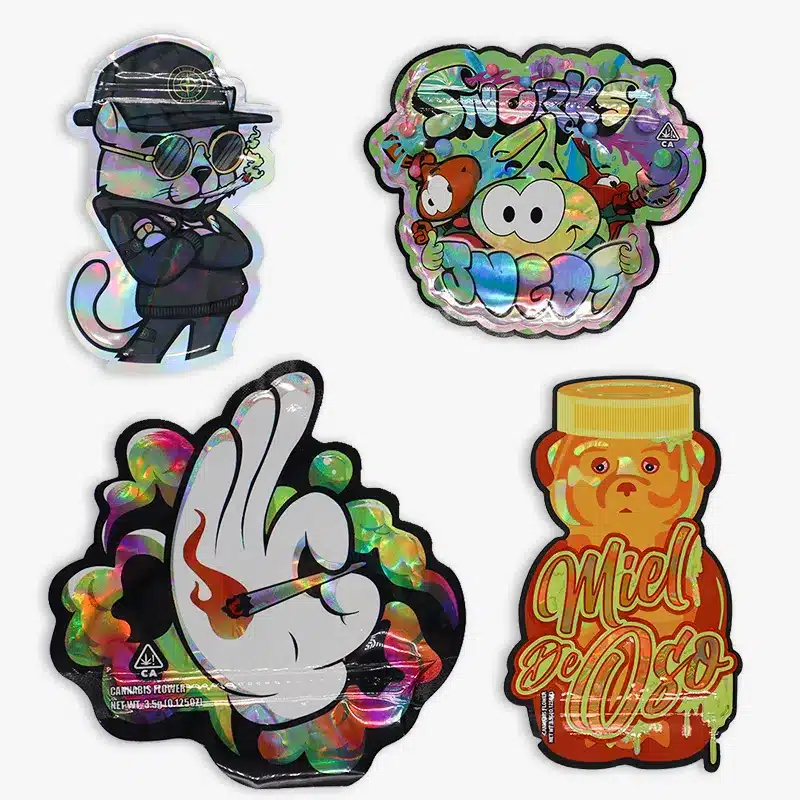
Think of it this way: premade pouches arrive as individual bags; roll film arrives as material that becomes bags at the moment of filling. That difference affects speed, minimum order planning, machine setup, artwork layout, and how much flexibility you have in package dimensions.
As a manufacturer that has produced packaging for 20+ years, YLTPACK often sees the same decision point: brands do not only need “a bag”; they need a format that fits their filling process, product shelf life, and launch timeline.

How Does the Packaging Process Work?
If you have ever wondered how does rollstock packaging work, the process usually follows a clear sequence: unwind the film, shape it, fill it, seal it, cut it, and discharge the finished pack. The exact machine style depends on whether you are making pillow bags, stick packs, sachets, thermoformed packs, or other formats.
- Film unwinding: The printed or unprinted roll is mounted onto the packaging machine.
- Registration control: Sensors read printed marks so graphics, cuts, and seals align correctly.
- Forming: The film is shaped around a forming collar, mold, or forming area.
- Filling: Product is dosed by weight, volume, count, pump, auger, or multi-head scale.
- Sealing: Heat, pressure, and dwell time bond the seal layers together.
- Cutting: The machine separates the finished packs.
- Inspection: Operators check seal strength, print position, weight, and appearance.
For a snack brand, this may mean chips drop into a vertical form-fill-seal line. For a cosmetics brand, it may mean cream or shampoo is filled into single-use sachets for sampling, travel, or refill programs.
What Is Rollstock Packaging Used For in Real Products?
Many buyers search for what is rollstock packaging used for because they are comparing it with finished bags. In practice, it is used when a brand wants efficient filling, consistent sealing, and custom material performance across medium to high production volumes.
| Product Category | Common Pack Style | Key Packaging Need | Buyer Concern |
|---|---|---|---|
| Coffee | Pillow packs, formed pouches, sample sachets | Oxygen barrier, aroma retention, degassing control | Flavor loss before the customer opens the pack |
| Snacks | Pillow bags, gusseted formats | Moisture barrier, crispness protection | Broken chips, stale texture, weak shelf impact |
| Pet food and treats | Formed pouches, larger flexible bags | Grease resistance, odor control, ingredient visibility | Pet owners want clear nutrition and clean labeling |
| Beauty and personal care | Sachets, refill packs, sample packs | Leak resistance, attractive printing, tactile finish | Unboxing and social media presentation matter |
| Rice and grains | Heavy-duty formed bags | Load strength, puncture resistance, stack stability | Bags must survive storage and transport |
| Powders and supplements | Stick packs, sachets, pillow packs | Accurate dosing, moisture control, easy opening | Clumping, messy tearing, serving consistency |
In our 6,800㎡ cleanroom facility, we pay close attention to dust control, film handling, and hygiene-sensitive production because small contamination risks can become large problems for food, supplements, and personal care packaging.
When Should You Choose Roll Film Instead of Finished Pouches?
This format makes the most sense when your filling operation is automated or when your co-packer already runs form-fill-seal equipment. It is also a smart direction when package speed, consistent seal quality, and efficient storage space are important.
You may want to consider it if:
- Your order volume is growing beyond hand-filling or semi-manual packing.
- Your product needs precise portioning, such as snacks, powders, coffee, or samples.
- You want more control over pack length or machine-formed bag dimensions.
- You need a custom barrier structure for oxygen, moisture, aroma, grease, or light.
- Your warehouse needs compact packaging material before filling.
- Your filling partner prefers rolls instead of ready-made bags.
It may not be ideal if you are launching with very small test quantities, hand-filling each bag, or changing package sizes every few days. In those cases, premade pouches may be easier to manage at the beginning.
Rollstock Packaging for Food Products: What Matters Most?
When discussing rollstock packaging for food products, the main issue is not just appearance. The material must protect flavor, texture, safety, and shelf life while still running smoothly on the filling line.
For coffee, oxygen exposure can flatten aroma quickly, so barrier layers and valve compatibility may be important. For chips or crackers, moisture control is usually the difference between crisp and disappointing.
For frozen foods, the film must tolerate low temperatures without cracking or seal failure. For sauces, condiments, or oily products, seal contamination resistance and puncture control become more important.
Because we hold FDA/ISO 22000 certifications, we recommend confirming product contact safety, intended storage conditions, and filling temperature before selecting a film structure.
Material Structures: What Is the Roll Actually Made Of?
Most rolls are not a single plastic layer. They are usually laminated structures, meaning several layers are combined to deliver printability, barrier, strength, sealing, and machine performance.
| Layer Function | Common Purpose | Why It Matters |
|---|---|---|
| Outer print layer | Holds graphics and protects ink | Supports shelf appearance and brand recognition |
| Barrier layer | Blocks oxygen, moisture, aroma, or light | Helps preserve product quality over time |
| Strength layer | Adds puncture, tear, or stiffness performance | Useful for pet treats, rice, nuts, and heavier goods |
| Sealant layer | Melts and bonds during heat sealing | Determines seal integrity and machine compatibility |
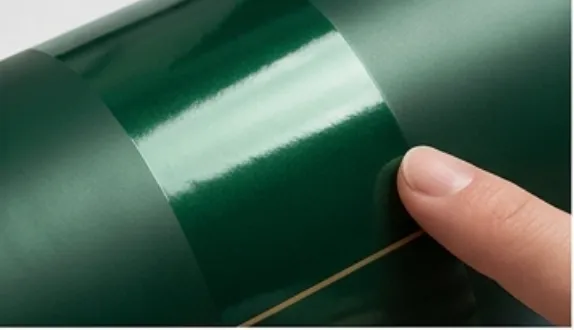
| Optional specialty layer | Matte touch, recyclable structure, high barrier, easy tear | Supports user experience and sustainability goals |
As of July 14, 2026, many brands are also asking about mono-material or recycle-ready flexible structures. These can be suitable in some cases, but they must be tested against barrier needs, filling speed, and local recycling realities.
Rollstock Packaging vs Premade Pouches: Which One Fits Your Situation?
The comparison of rollstock packaging vs premade pouches is not about one being universally better. It is about which one matches your production method, launch stage, filling partner, and customer experience.
| Decision Factor | Roll Film | Premade Pouches |
|---|---|---|
| Filling method | Designed for automatic form-fill-seal equipment | Works well for manual, semi-automatic, or pouch-filling lines |
| Speed potential | Often faster once the line is set up correctly | Usually slower, but simpler for smaller runs |
| Storage before filling | Compact rolls save space | Finished empty bags take more carton space |
| Design flexibility | Great for repeated pack formats and high-volume SKUs | Great for stand-up shape, zipper, window, valve, and retail-ready formats |
| Startup convenience | Requires machine compatibility and setup testing | Easier if you are packing with simpler equipment |
| Common use case | Snacks, sachets, frozen foods, powders, flow packs | Coffee bags, pet food pouches, supplements, granola, refill packs |
If you already know your co-packer’s machine model, sealing temperature range, roll width limit, eye mark requirement, and maximum roll diameter, choosing the right format becomes much easier. If not, your packaging supplier should help you collect those details before production.
Key Specifications to Confirm Before Ordering
Many packaging delays happen because small technical details are missed early. The good news is that most of them are easy to confirm with your filling team.
Machine Compatibility
Ask for roll width, core diameter, outside roll diameter, winding direction, eye mark position, sealing method, and expected filling speed. These details help prevent film tracking issues, print misalignment, and weak seals.
Product Protection
Clarify whether your product is dry, oily, sharp, heavy, frozen, hot-filled, fragrant, or sensitive to light. Coffee, nuts, spices, pet treats, and powders all behave differently inside a flexible pack.
Artwork and Print Control
Roll film artwork must match machine repeat length and cutting position. If the eye mark, barcode, nutrition panel, or logo falls in the wrong place, even beautiful printing can create production waste.
Our in-house design team often helps brands who only have a rough idea turn it into machine-ready artwork, including print layout, readable claims, and shelf-facing details.
Compliance and Documentation
For food, supplements, pet products, and cosmetics, ask your supplier about material declarations, food contact suitability, ink systems, migration considerations, and quality control records. If recycled-content or sustainability claims are involved, request documentation before printing them on the pack.
Common Mistakes Brands Make When Switching to Roll Film
Switching from finished bags to roll-fed film can be a great move, but it should not be rushed. The most common issues are not dramatic; they are practical details that were not checked in time.
- Choosing film only by thickness: Thickness matters, but structure matters more for barrier and sealing.
- Ignoring the filling machine: A beautiful roll is useless if it does not run on your equipment.
- Skipping trial runs: Small machine tests can reveal sealing, tracking, or cutting problems early.
- Using weak artwork setup: Repeat length, eye marks, and print direction must be production-ready.
- Overlooking transport stress: Rice, pet food, and bulk dry goods need packaging that survives stacking and vibration.
- Making unsupported claims: Recyclable, compostable, and food-safe claims should be backed by real documentation.
Working with brands across North America, Europe, and Asia, we have found that the most common mistake is treating flexible packaging as a graphic design project only. In reality, it is product protection, machine performance, logistics, and customer experience working together.
How to Brief a Supplier So You Get Useful Recommendations
You do not need to know every technical term before talking to a packaging factory. But you will get better advice if you share the right product and production details.
| Information to Share | Example | Why It Helps |
|---|---|---|
| Product type | Roasted coffee beans, pet treats, rice, protein powder | Guides barrier, strength, and seal choices |
| Fill weight or volume | Single serve, retail size, family size, bulk size | Helps calculate pack dimensions and strength needs |
| Filling method | Vertical machine, horizontal machine, sachet line, co-packer | Determines roll specs and artwork setup |
| Storage conditions | Room temperature, frozen, humid warehouse, long shipping route | Supports material selection and shelf-life planning |
| Brand goal | Premium look, refill pack, sample launch, retail display | Connects structure with customer experience |
| Certification needs | Food contact, ISO documentation, GRS-related material request | Prevents compliance surprises later |
YLTPACK supports custom roll film and pouch projects with FDA, ISO 9001, ISO 22000, and GRS-certified systems. For packaging discussions, you can reach the team by WhatsApp at +86 182 1944 5665 or email [email protected].
A Practical Decision Checklist
Use this checklist before you commit to a packaging direction. It can help you avoid delays and make the conversation with your supplier much more productive.
- Do you already have automatic filling equipment or a co-packer using roll-fed film?
- Have you confirmed roll width, core size, winding direction, and eye mark position?
- Does your product need oxygen, moisture, aroma, grease, puncture, or light protection?
- Will the pack be frozen, hot-filled, shipped long distance, or stacked in cartons?
- Do you need matte, gloss, soft-touch, window, metallic, or high-impact shelf graphics?
- Are any claims on the package supported by documentation?
- Have you planned a machine trial before full production?
If you answered “no” to several of these, that is not a problem. It simply means your packaging supplier should help you define the missing details before printing and lamination begin.
Conclusion: Use the Format When Speed, Consistency, and Custom Protection Matter
Roll-fed flexible film is a strong choice when your product is ready for automated filling and your brand needs consistent quality at scale. It can improve packing efficiency, reduce storage space for empty packaging, and give you more control over barrier, print, and package size.
Premade pouches still make sense for many launches, especially when hand filling, zipper features, or retail-ready stand-up presentation are priorities. The right answer depends on your product, equipment, filling partner, and growth plan.
If you are comparing options, start with your product requirements first, then match the packaging format to your process. That approach will save more time than choosing by appearance alone.

FAQ
1. Is roll-fed film only for food packaging?
No. It is common in food, but it is also used for cosmetics samples, personal care refills, pet treats, supplements, household products, and small industrial items. The material structure should be chosen based on product contact, barrier needs, and filling conditions.
2. Can roll film be custom printed?
Yes. It can be printed with brand colors, product information, barcodes, nutrition panels, QR codes, and regulatory details. The artwork must be set up according to machine repeat length, cut position, sealing area, and eye mark requirements.
3. Is it more sustainable than premade bags?
It can reduce storage space and may support lightweight packaging, but sustainability depends on the material structure, local recycling systems, product waste reduction, and transport efficiency. Mono-material or GRS-related options may be available depending on your product needs.
4. What information should I prepare before asking for a quote?
Prepare your product type, fill weight, target bag size, filling machine details, shelf-life goal, storage conditions, artwork status, and any certification requirements. If you are not sure about the structure, share samples or photos of similar packs.
5. How do I know if my filling machine can use this format?
Ask your equipment supplier or co-packer for roll width range, core diameter, maximum roll diameter, sealing temperature range, winding direction, eye mark requirements, and forming style. YLTPACK can review those details with you before recommending a custom structure.