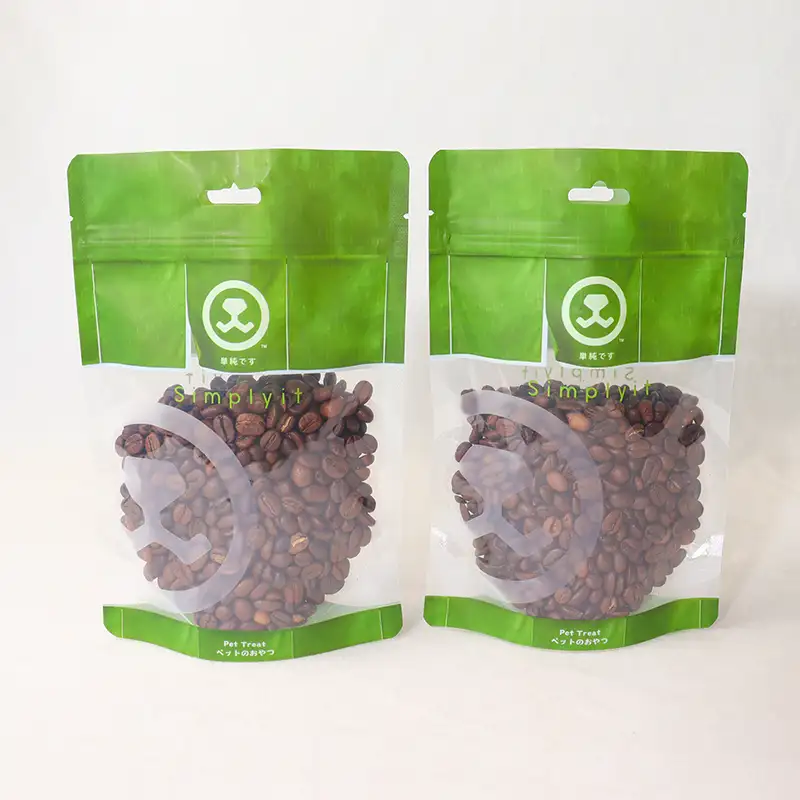
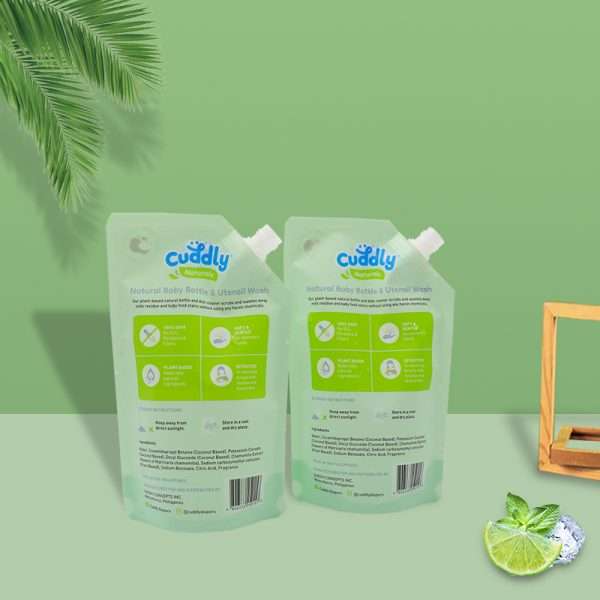
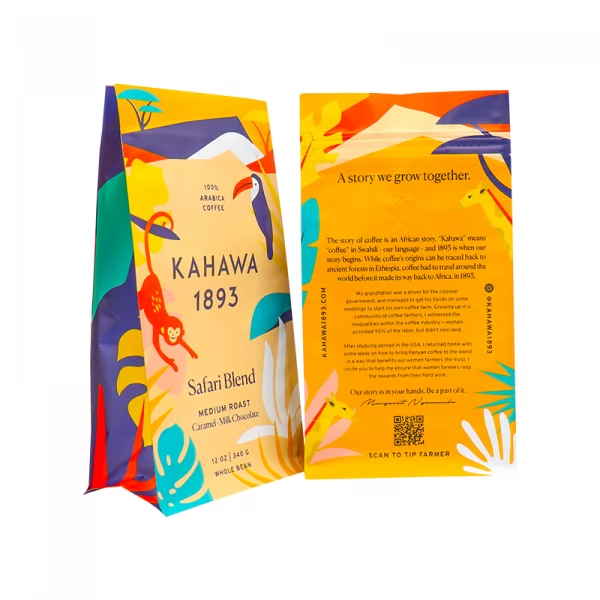
Choose a 3 side seal pouch when you want a flat, lightweight, low-cost format for single servings or thin products, and choose a stand up pouch when you need shelf presence, a resealable zipper, and enough volume to hold a full retail portion. That's the quick version of the 3 side seal pouch vs stand up pouch decision. Below, we'll unpack the structure, costs, shelf life, and real use cases so you can match the format to your product with confidence.
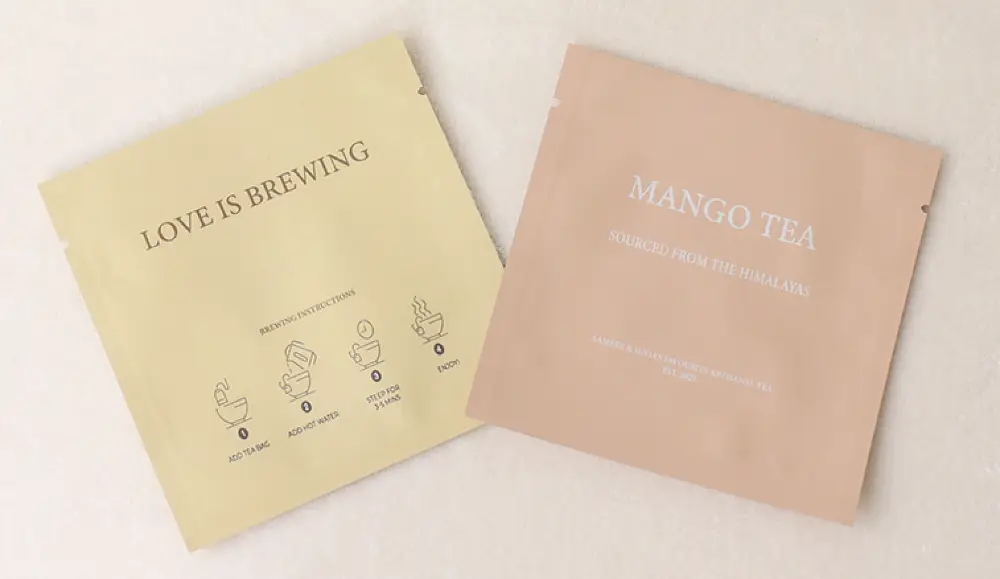
Quick Comparison at a Glance
Before we dig into the details, here's a snapshot to orient you. Think of this as your cheat sheet while you read the rest.
| Feature | 3-Side Seal Pouch | Stand Up Pouch |
|---|---|---|
| Shape on shelf | Lies flat | Stands upright |
| Typical fill volume | 5g – 200g | 50g – 5kg |
| Seals | Three sealed edges | Bottom gusset + side seals |
| Resealable zipper | Rare | Common |
| Material use per unit | Lower | Higher |
| Shelf visibility | Limited | High |
How the Two Structures Actually Differ
The core difference comes down to how the film is folded and sealed. Understanding this shapes everything else, from cost to how the bag behaves on a shelf.
The Flat Format Explained
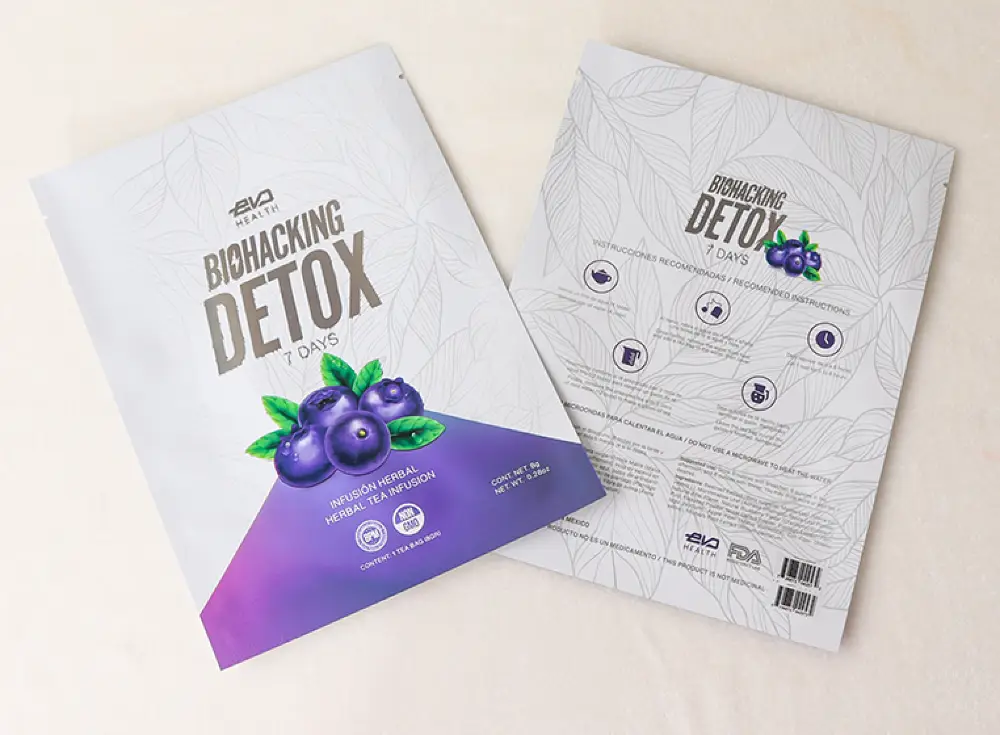
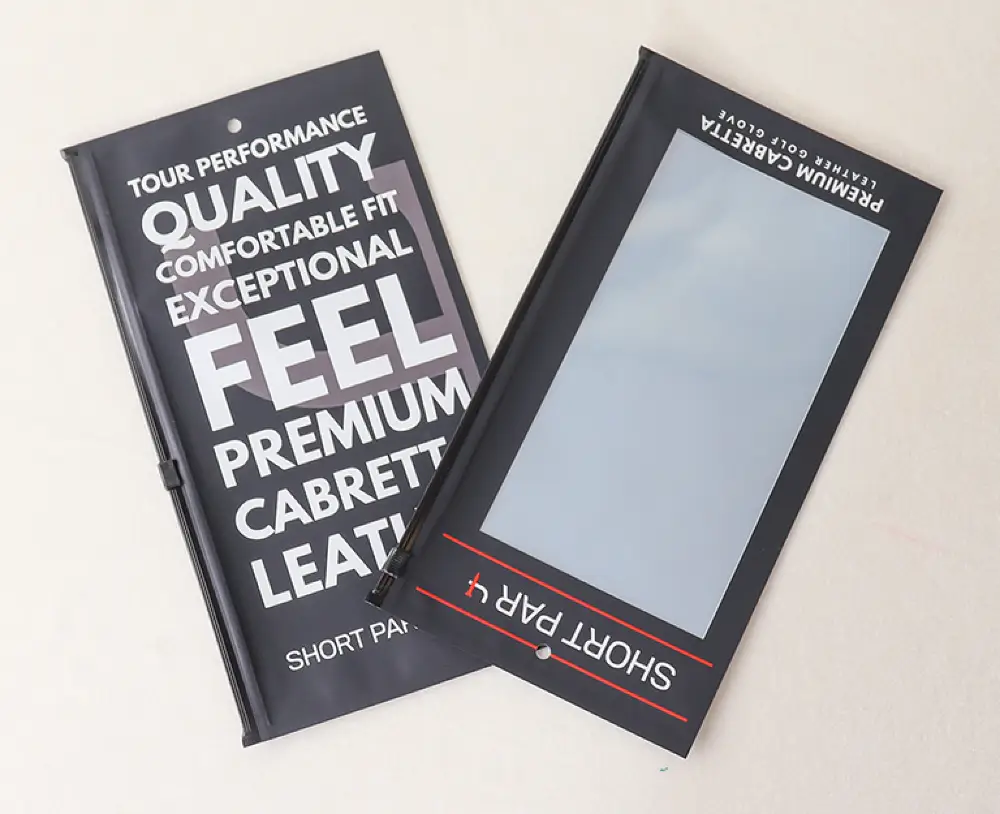
A three-edge sealed bag is made from either one folded sheet or two layers of film joined along three sides, leaving one open edge for filling. The result is thin, flat, and space-efficient. It's the format you see for sample sachets, single-serve coffee, face masks, and snack portions.
Because there's no base gusset, it can't stand on its own. That's not a flaw. For products that hang on a hook or sit in a display box, lying flat is exactly what you want.
The Upright Format Explained
A stand up pouch adds a folded gusset at the bottom that expands when filled, creating a stable base. This lets the bag stand on a retail shelf without support. It usually carries a zipper, a tear notch, and more surface area for branding.
That extra material and construction step is why it costs more per unit, but it earns its keep through shelf presence and reusability.
Cost Comparison: Where Your Money Goes
Let's talk budget, since this is often the deciding factor. The difference between 3 side seal and stand up pouch pricing mostly reflects material volume and tooling complexity.
- Flat bags use less film per unit, so material cost stays lower.
- Upright bags need extra film for the gusset plus zipper application.
- Higher order volumes narrow the gap on both formats.
- Add-ons like matte finishes, windows, or spouts raise the price of either style.
As a manufacturer that has produced packaging for more than 20 years, we've found the smartest move is to match the format to your product's real needs rather than defaulting to the cheapest option. A flat sachet that fails to protect your product costs more in returns than it saves upfront.
| Cost Factor | Flat Sealed Bag | Upright Pouch |
|---|---|---|
| Film per unit | Lower | ~15–30% higher |
| Tooling complexity | Simple | Moderate |
| Zipper add-on | Optional, uncommon | Standard |
| Best value at | High-volume single servings | Retail resealable products |
Shelf Life and Product Protection
Protection depends far more on the film structure than on the bag shape. Both formats can be built with high-barrier layers, so the shape is not what keeps your product fresh.
That said, the resealable zipper on an upright bag gives real 3 side seal pouch vs stand up pouch shelf life benefits for products used over several weeks. Once a customer opens a snack or coffee bag, being able to reseal it slows down staleness and moisture uptake.
Because we hold FDA and ISO 22000 certifications, we recommend choosing your barrier film based on the product's enemy: oxygen, moisture, light, or aroma loss. A flat single-serve packet doesn't need resealing because it's consumed in one go, so its simpler build is perfectly fine.
Barrier Options for Both Formats
- Oxygen-sensitive goods (coffee, nuts): add a foil or metallized layer.
- Moisture-sensitive goods (powders, supplements): prioritize a strong moisture barrier.
- Light-sensitive goods (vitamins): opt for opaque or metallized film.
- Aroma-heavy goods (spices, tea): seal in scent with a high-barrier laminate.
Coffee Packaging: A Real-World Example
Coffee is where this choice gets interesting. When weighing a 3 side seal pouch vs stand up pouch for coffee packaging, the key issues are oxygen barrier and aroma retention.
Freshly roasted beans release CO2 and are damaged by oxygen, so many roasters add a one-way degassing valve. Both formats can host that valve, but the upright style suits retail bags of 250g to 1kg where customers reseal between uses.
For single-serve drip coffee or sample packs, the flat sachet wins on cost and portability. In our 6,800㎡ cleanroom facility, we produce both types with valve integration, so roasters can run a retail line and a sampling line from one supplier.
Matching the Format to Your Product
Different categories lean toward different shapes. Here's how buyers across various industries typically decide.
Food and Snacks
When choosing the best pouch type for food packaging, whether 3 side seal or stand up, portion size is your guide. Single servings and thin snacks fit the flat format. Family-size, resealable, or premium retail products fit the upright style.
Pet Food
Pet owners increasingly read ingredient panels the way parents read baby food labels. Upright bags give you the surface area to display transparent sourcing, feeding guides, and bold branding, plus a zipper for freshness between feedings.
Beauty and Personal Care
Sample sachets of serum or mask sheets thrive in the flat format for its slim, mailer-friendly profile. For full-size refills, the upright pouch photographs well and supports the unboxing moment shoppers love to share on social media.
Supplements and Powders
Protein and greens powders need a stable base and a resealable top, making the standing format the natural pick. Single-dose stick packs, on the other hand, are a flat-format specialty.
Sustainability Considerations
Buyers ask us about recyclability more every year. Both formats can be built with mono-material or recyclable-ready films that fit store drop-off streams.
Flat bags use less material per unit, which trims your footprint on high-volume runs. Upright bags reduce waste in a different way, since resealability means customers finish the product instead of tossing a spoiled portion. Our in-house design team often helps brands who only have a rough idea turn these tradeoffs into a spec sheet that balances protection, cost, and eco goals.
A Simple Decision Checklist
Still on the fence? Run through these questions and the answer usually becomes clear.
- Is your product a single serving or a multi-use portion?
- Does it need to stand on a retail shelf or hang on a hook?
- Will customers open and reclose it over days or weeks?
- How much branding space do you need on the front panel?
- What's your target unit cost at your expected order volume?
If you answered single-serve, hanging, one-time-use, and cost-sensitive, the flat format fits. If you leaned toward retail, resealable, and branding-heavy, the upright pouch is your match. Working with brands across North America, we've found the most common mistake is picking a format based on a competitor's look rather than the product's actual behavior.
Key Takeaways
Neither format is universally better; each solves a different problem. The flat sealed bag is your lean, low-cost choice for single servings and thin items. The upright pouch earns its higher cost through shelf presence, resealability, and bigger branding real estate.
Anchor your choice to portion size, reseal needs, and how the product lives on a shelf. Get those right and the packaging works quietly in the background, which is exactly its job. If you'd like a second opinion on your spec, reach YLTPACK at [email protected] or on WhatsApp at +86 182 1944 5665, and our team can help you weigh the options.
Frequently Asked Questions
Can a flat sealed bag hold liquids or heavy products?
It can hold light liquids and gels in single-serve sizes, like sample sachets. For heavier or larger volumes, an upright pouch with a stable base is safer and more practical.
Do both formats support a resealable zipper?
Zippers are standard on upright pouches and technically possible on larger flat bags, though uncommon. If reclosing matters to your customer, the standing format is the more natural fit.
Which format keeps my product fresher?
Freshness depends on the barrier film, not the shape. Both can use high-barrier laminates. The upright style adds a reseal benefit for products used over time, while a single-serve flat packet doesn't need one.
Is there a minimum order for custom printing?
Minimums vary by size, film structure, and finishing options. Custom printing is available on both formats, and higher volumes lower your per-unit cost on either style.
How do I choose the right barrier film?
Start with your product's main threat: oxygen, moisture, light, or aroma loss. Match the film layers to that threat, and confirm any food-contact or recyclability requirements before finalizing the spec.