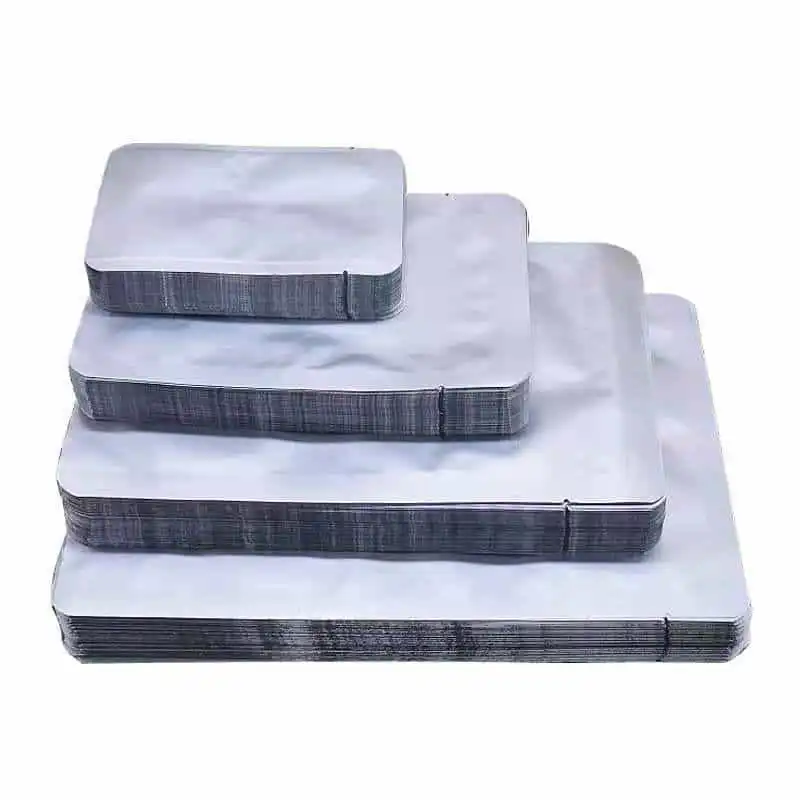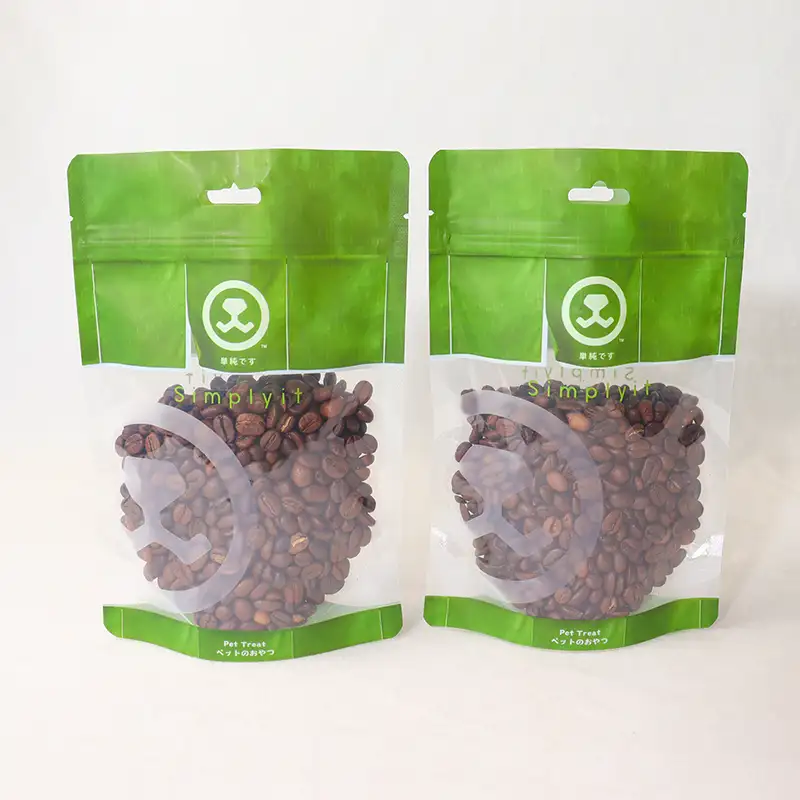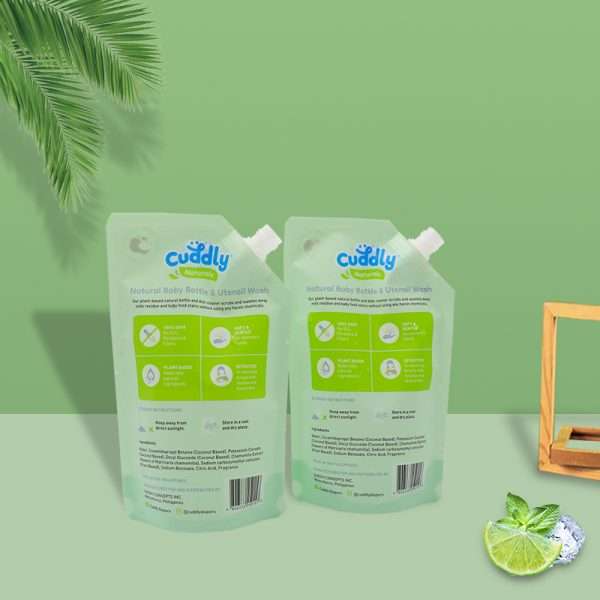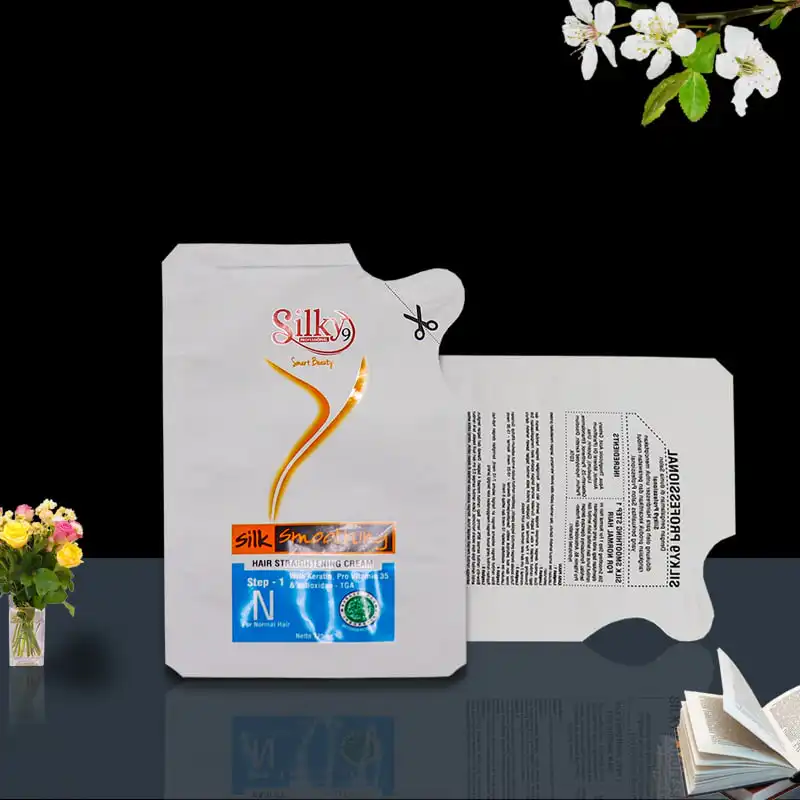
A retort pouch may look simple from the outside, but its performance depends on several engineered layers working together.
Those invisible layers are what allow food to survive high heat, pressure, transport stress, and months of shelf life without refrigeration.
Why a Few Invisible Layers Decide Whether Food Stays Safe for Months
In modern shelf-stable packaging, failure rarely comes from appearance alone. It usually comes from weak barrier protection, poor sealing, or structural damage during retort processing.
That is why the retort pouch layer structure matters so much. A properly designed pouch protects flavor, texture, nutrition, and food safety through sterilization and distribution.
Across the food packaging industry, expert consensus is clear: no single film can deliver heat resistance, seal integrity, puncture strength, printability, and oxygen barrier by itself. That is the reason multilayer retort pouch construction has become the standard format for ready meals, sauces, soups, tuna, and wet pet food.
What Is a Retort Pouch?
A retort pouch is a heat-sterilizable flexible package designed for products that must remain shelf stable after thermal processing.
It is widely used for ready-to-eat meals, pet food, soups, sauces, seafood, baby food, and military rations.
During production, filled pouches are sealed and then processed in a retort system under elevated temperature and pressure. This allows brands to achieve commercial sterility while using a lightweight package instead of a metal can or glass jar.
The Core Answer: How Many Layers Does a Retort Pouch Have?
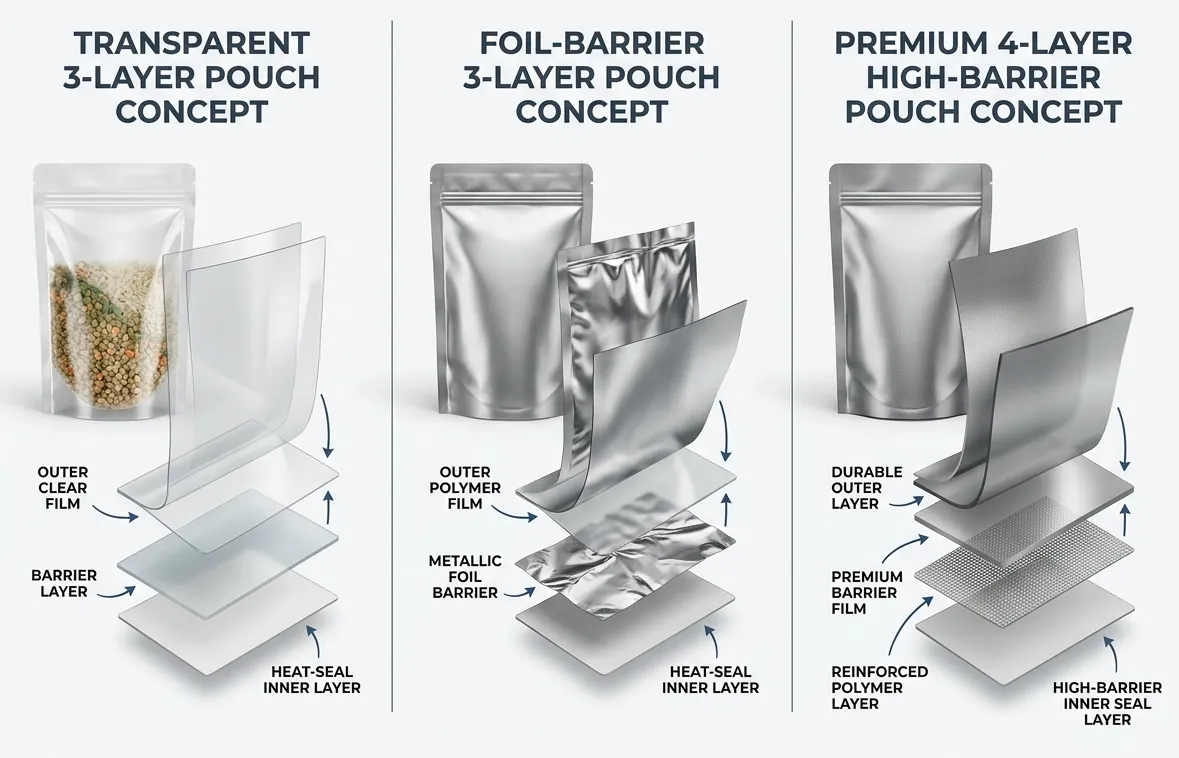
Most retort pouches have 3 to 4 layers. In some high-performance applications, they may have 5 or more layers depending on product sensitivity, barrier targets, and processing conditions.
If you are asking how many layers does a retort pouch have, the practical answer is:
- 3 layers for many standard foil-based food applications
- 4 layers for stronger puncture resistance and improved durability
- 4 to 5 layers for foil-free or microwave-compatible formats
- 5+ layers for specialized custom structures
Why Retort Pouches Need Multiple Layers
Each layer in a retort pouch performs a different job.
One layer may handle printing and heat resistance, another adds toughness, another blocks oxygen and light, and the inner layer creates a safe heat seal in direct contact with food.
This is the foundation of multilayer retort packaging materials. The packaging works because the laminate combines separate materials into one high-performance structure.
Without multilayer design, a pouch would struggle with:
- High retort temperatures
- Seal failure under pressure
- Oxygen ingress and flavor loss
- Puncture from bones, sharp ingredients, or handling
- Poor print quality and weak shelf appeal
Standard Retort Pouch Film Layers
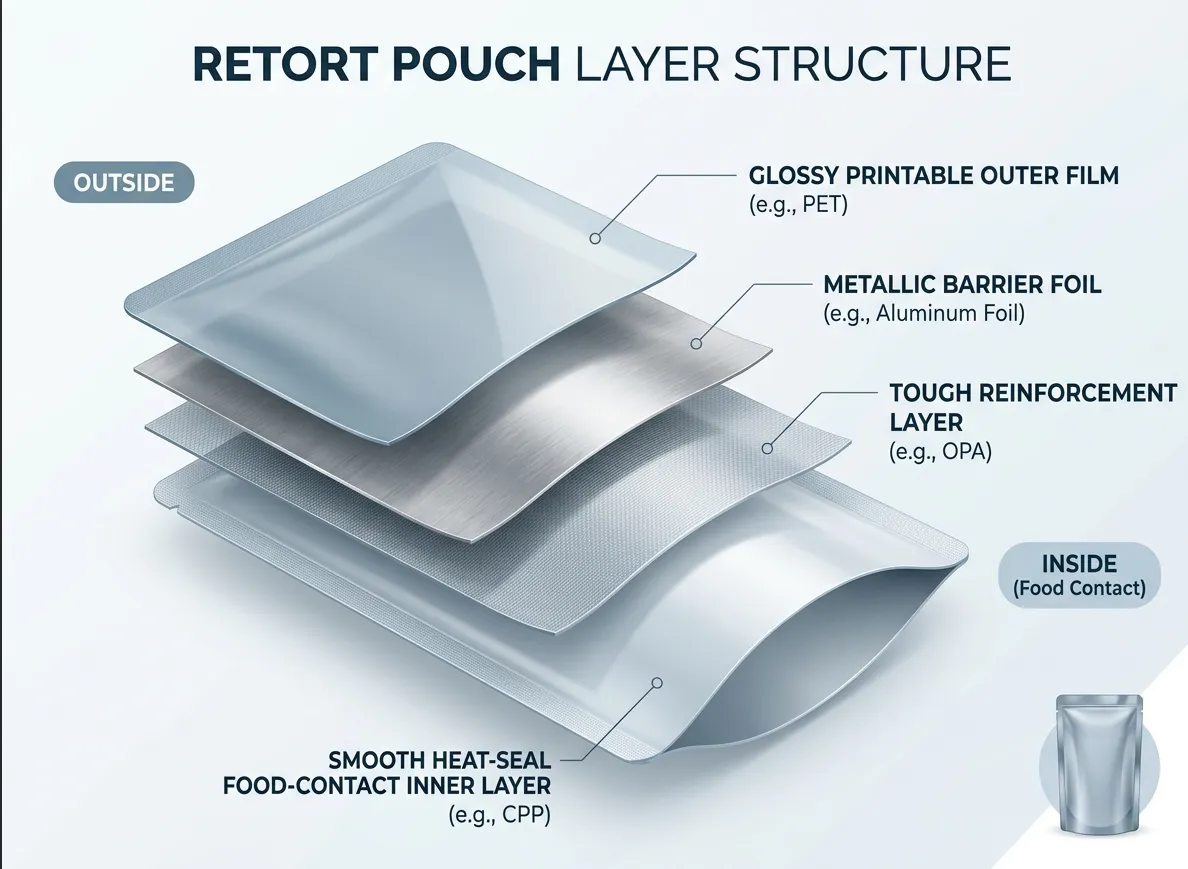
The standard retort pouch film layers used in food packaging are typically based on combinations of PET, nylon, aluminum foil, EVOH, and CPP.
The exact structure depends on the product, shelf-life goal, and whether foil or foil-free packaging is required.
Typical 3-Layer Retort Pouch Layer Structure
A common 3-layer structure is PET / Aluminum Foil / CPP.
This is widely used when a strong barrier and reliable heat seal are needed without adding an extra reinforcement layer.
Typical 4-Layer Retort Pouch Laminate Composition
A common 4-layer structure is PET / Nylon / Aluminum Foil / CPP.
This format improves puncture resistance and flex durability, which is especially useful for ready meals, chunk-style foods, and wet pet food.
Can a Retort Pouch Have More Than 4 Layers?
Yes. Some structures use 5 or more layers to achieve specialized goals such as microwave compatibility, foil-free transparency, aggressive product resistance, or advanced barrier performance.
These custom laminates are common in premium foods, technical applications, and export packaging where environmental stress is higher.
Retort Pouch Layer Structure Explained by Function
To understand retort pouch laminate composition, it helps to look at each layer by function rather than just material name.
Outer Layer: PET for Printability and Heat Resistance
PET is commonly used as the outer layer because it provides surface durability, gloss, stiffness, and good print performance.
It also helps the pouch maintain dimensional stability during thermal processing.
Key benefits of PET:
- Excellent printability
- Good heat resistance
- Improved stiffness and appearance
- Better scuff resistance in transport
Middle Layer: Nylon for Puncture Resistance
Nylon, often called OPA, is used in many 4-layer retort pouches to improve toughness.
It helps resist puncture, flex cracking, and handling damage, especially for products with hard edges or dense contents.
Typical applications include:
- Rice meals with vegetable pieces
- Wet pet food with meat chunks
- Seafood packs
- Military meal packaging
Barrier Layer: Aluminum Foil or High-Barrier Film
This is the layer responsible for protecting the product from oxygen, moisture, and light.
In traditional retort pouches, aluminum foil is the dominant barrier material because it delivers extremely high protection.
In foil-free formats, high-barrier films such as EVOH may be used instead.
These are often selected when microwave use, metal detection compatibility, or partial transparency is required.
Inner Sealant Layer: CPP for Food Contact and Sealing
CPP is commonly used as the food-contact sealant layer in retort packaging.
It provides heat seal strength, process tolerance, and suitability for direct contact with food under retort conditions.
Its role is critical because even a high-barrier pouch can fail if the seal layer does not perform consistently.
Retort Pouch Laminate Composition Table
| Layer Position | Common Material | Main Function | Commonly Used in |
|---|---|---|---|
| Outer | PET | Printability, heat resistance, stiffness | Most standard pouches |
| Support | Nylon (OPA) | Puncture resistance, toughness | 4-layer structures |
| Barrier | Aluminum Foil / EVOH | Oxygen, moisture, light barrier | High-shelf-life products |
| Inner | CPP | Heat sealing, food contact | Nearly all retort pouches |
Common Retort Pouch Structures and Layer Counts Table
| Structure | Number of Layers | Example Composition | Typical Application |
|---|---|---|---|
| Basic retort pouch | 3 | PET / AL / CPP | Sauces, soups |
| Reinforced retort pouch | 4 | PET / NY / AL / CPP | Ready meals, pet food |
| Foil-free retort pouch | 4–5 | PET / NY / EVOH / CPP | Microwave-friendly products |
| Custom high-barrier pouch | 5+ | Multi-laminate blend | Specialized industrial or premium food products |
Real-World Examples of Retort Pouch Layer Counts
Real packaging formats show why layer count changes by product category.
- Shelf-stable curry packs: Often use 4-layer foil laminates for long ambient shelf life and resistance to oil, spice, and thermal stress.
- Tuna products: Frequently rely on 3-layer or 4-layer structures depending on shelf-life target and handling requirements.
- Wet pet food: Commonly uses 4-layer constructions because puncture resistance matters when products contain chunks, bones, or dense textures.
- Military meals: Often require robust high-barrier multilayer structures because performance under transport and storage extremes is critical.
Industry-wide packaging practice consistently shows that the more demanding the distribution and product profile, the more likely a pouch will include extra reinforcement or specialized barrier layers.
Data: Why Layer Count Matters for Shelf Life and Performance
Layer count matters, but material selection matters even more.
A 3-layer pouch with aluminum foil can outperform a poorly designed 5-layer pouch if the laminate is not optimized for the product.
Still, in practical packaging engineering, extra layers often help improve:
- Oxygen barrier for oxidation-sensitive foods
- Puncture resistance for sharp or heavy contents
- Flex-crack resistance during transport
- Seal consistency after retort processing
- Shelf-life stability in export and retail channels
General industry data shows that foil-based retort structures are still preferred when maximum oxygen and light protection are required. Foil-free structures are growing fast, but they are typically selected based on application-specific tradeoffs rather than as universal replacements.
Retort Pouch Performance Comparison Table
| Layer Count | Barrier Performance | Puncture Resistance | Heat Process Suitability | Typical Shelf-Life Goal |
|---|---|---|---|---|
| 3 layers | High | Moderate | Strong | Medium to long |
| 4 layers | Very high | High | Strong | Long |
| 4–5 foil-free | Medium to high | High | Strong | Medium to long |
| 5+ layers | Custom optimized | Very high | Very strong | Extended or specialized |
How to Choose the Right Multilayer Retort Packaging Materials
Choosing the right structure starts with the product, not the film catalog.
The best multilayer retort packaging materials depend on what you pack, how you process it, and where it will be sold.
Key selection factors include:
- Product acidity
Acidic foods may have different barrier and chemical resistance requirements than neutral products. - Sterilization temperature and time
Higher process severity increases demands on seals, adhesives, and laminate stability. - Transport and handling risk
Products exposed to long shipping routes or rough handling often need nylon reinforcement. - Desired shelf life
Longer ambient storage usually requires stronger oxygen and light barriers. - End-use expectations
Microwave use, easy tear, transparency, and premium print finish may all influence structure choice.
3-Layer vs 4-Layer Retort Pouch: Which Is Better?
Neither is universally better. The right choice depends on performance needs and budget.
3-layer retort pouches are often a smart choice when:
- The product does not present high puncture risk
- A foil barrier already provides the required protection
- Cost efficiency is important
- The application is sauces, soups, or smoother fillings
4-layer retort pouches are often better when:
- The product contains chunks or sharp particulates
- Distribution conditions are demanding
- Higher durability is needed
- The brand wants a stronger safety margin during processing and transport
In real procurement decisions, 4-layer structures often justify the added cost when product damage risk is significant.
Foil vs Foil-Free Retort Pouch Layers
Foil-based and foil-free retort pouches both have a place in the market.
Foil-based structures offer:
- Excellent oxygen barrier
- Excellent light protection
- Long shelf-life potential
- Strong performance in traditional shelf-stable foods
Foil-free structures offer:
- Microwave compatibility in some designs
- Potential for transparency or window effects
- Greater design flexibility for certain packaging formats
- Alternative barrier strategies using EVOH or other high-barrier films
The tradeoff is simple: foil usually delivers stronger absolute barrier performance, while foil-free options support specific functionality and branding goals.
Industries That Commonly Use Standard Retort Pouch Film Layers
Standard retort pouch film layers are widely used across multiple sectors.
- Retail packaged foods: curry, soup, pasta sauce, rice meals, seafood
- Foodservice: bulk sauces, prepared ingredients, ready-to-heat components
- Pet food: gravy pouches, meat chunks, premium wet formulas
- Nutraceuticals and specialty foods: functional gels, concentrated nutritional products
- Defense and emergency rations: durable ambient meal packaging
Why Manufacturers and Brands Work with Custom Retort Pouch Suppliers
Off-the-shelf laminate choices do not always match a product’s real processing and shelf-life requirements.
That is why many brands work with experienced packaging suppliers that can customize size, thickness, layer design, and printing.
YLTPACK is a custom packaging manufacturer established in 2005. The company supports tailored pouch solutions based on customer requirements and offers free samples for evaluation.
YLTPACK also operates with recognized food-packaging compliance standards, including ISO 22000 and FDA-related compliance standards, helping customers source with more confidence.
| Company | Founded | Customization | Free Samples | Certifications / Standards | Contact |
|---|---|---|---|---|---|
| YLTPACK | 2005 | Yes, based on customer needs | Yes | ISO 22000, FDA-related compliance | [email protected] |
FAQ
How many layers are in a retort pouch typically?
Most retort pouches contain 3 or 4 layers, depending on the barrier, strength, and durability required for the product. Specialized applications may use 5 or more layers.
What are the layers of a retort pouch made of?
Common materials include PET, nylon, aluminum foil, EVOH, and CPP. These materials are combined to create the needed balance of printability, puncture resistance, barrier protection, and heat sealing.
Is a 3-layer retort pouch enough for food packaging?
Yes, a 3-layer retort pouch can be enough for many food products, especially when it includes aluminum foil for strong oxygen and light barrier performance. It is commonly used for sauces, soups, and similar products.
Why do some retort pouches have 4 layers?
The extra layer usually adds puncture resistance, structural support, or improved processing durability. Nylon is often the added layer in a 4-layer construction.
Are all retort pouches made with aluminum foil?
No. Some retort pouches use aluminum foil, while others are made with foil-free high-barrier films such as EVOH-based structures for microwave-friendly or specialty applications.
What is the standard retort pouch laminate composition?
The most common standard constructions are PET / AL / CPP and PET / NY / AL / CPP. These remain widely used because they provide a strong balance of barrier, strength, and sealability.
Does more layers mean better retort pouch performance?
Not always. More layers can improve performance, but the right material combination matters more than layer count alone. A well-designed 3-layer foil pouch may outperform a poorly matched higher-layer structure.