Why Your Flexible Packaging Might Arrive Looking Different Than Expected
After spending over 15 years analyzing packaging performance across supply chains, we can tell you that the difference between pouches that arrive shelf-ready and those that don't comes down to material science, structural design, and shipping protocol. Let's break it all down so you can make confident decisions for your next order.

What Counts as "Deformation" and When Should You Worry?
First, let's define what we're actually talking about. Not every imperfection signals a problem. There's a meaningful difference between cosmetic creasing that disappears once a pouch is filled and structural failure that compromises your product's integrity.
Common Types of Transit-Related Shape Changes
| Type of Deformation | What It Looks Like | Severity | Reversible? |
|---|---|---|---|
| Surface wrinkling | Light creases on film surface | Low | Yes — disappears when filled |
| Gusset collapse | Bottom panel folds inward | Medium | Usually yes, depends on material |
| Seal distortion | Side or bottom seals warp or peel | High | No — compromises barrier |
| Puncture or tear | Visible holes from compression | Critical | No — product loss likely |
| Lean or tilt | Pouch won't stand upright on shelf | Medium | Sometimes — depends on root cause |
The key takeaway? Most minor creasing is normal and expected — especially for empty, unfilled pouches shipped flat or in cartons. It's the structural issues (seal integrity, punctures, inability to stand) that require attention and prevention.
The Real Causes Behind Shipping Deformation
Understanding why pouches deform helps you prevent it. In our experience working with brands across North America, Europe, and Asia-Pacific, the most common culprits fall into four categories.
1. Compression and Stacking Pressure
When cartons are stacked on pallets — sometimes five or six layers high in a container — the bottom boxes endure enormous pressure. If inner packaging isn't properly arranged, the flexible pouches bear that load directly. Unlike rigid containers, flexible films weren't designed to be load-bearing structures.
2. Temperature and Humidity Fluctuations
Ocean freight containers can experience temperature swings of 30°C or more during transit. This causes condensation inside the container (known as "container rain"), which can soften adhesive layers and weaken lamination bonds. A 2024 study by the International Safe Transit Association found that 17% of flexible packaging damage during sea freight was moisture-related.
3. Inadequate Material Thickness or Structure
This is where material selection becomes critical. A pouch built with insufficient film thickness or an inappropriate laminate structure simply won't hold its shape under stress. For example, a two-layer structure that works fine for lightweight tea sachets would buckle under the weight of a 1kg coffee bag.
As a manufacturer that has produced packaging for 20+ years, YLTPACK often sees brands initially choose thinner materials to save cost — only to face higher waste rates from transit damage. The right material structure actually saves money over time.
4. Poor Carton Packing Configuration
How pouches are arranged inside their shipping carton matters enormously. Pouches packed loosely shift and fold during movement. Pouches packed too tightly create pressure points. There's a sweet spot, and it depends on pouch dimensions, material rigidity, and whether they're shipped flat or pre-formed.
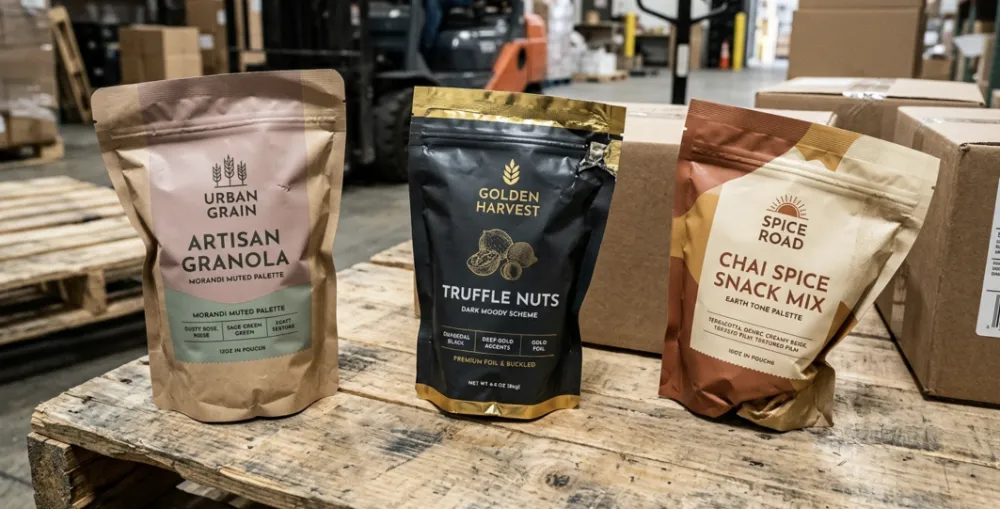
Which Products Face the Highest Risk?
Not all products packaged in flexible pouches face equal shipping risks. The contents, weight, and target market all influence vulnerability.
Heavy Products: Coffee, Grains, and Pet Food
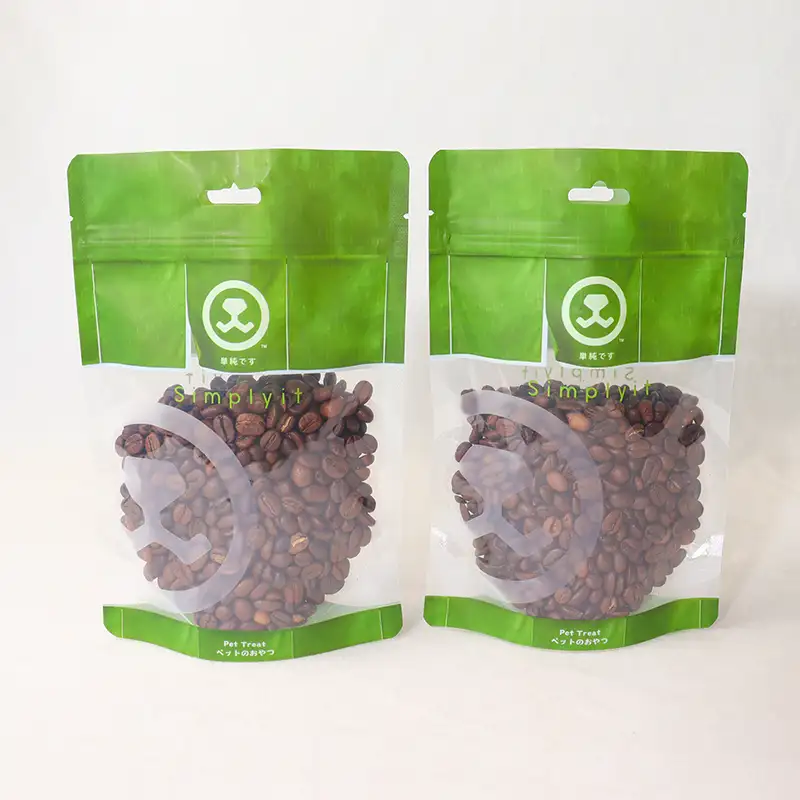
Products weighing 500g or more per unit create self-compression when stacked. For coffee brands, this matters doubly — not only does a crushed pouch look terrible on a specialty shelf, but a compromised seal means oxygen exposure that destroys the flavor profile within days. Pet food brands face similar stakes: pet owners increasingly scrutinize packaging quality as a proxy for product quality and ingredient transparency.
Lightweight but High-Volume: Snacks and Supplements
Ironically, very lightweight pouches for things like dried fruit or supplement powders can also deform easily because they lack internal "structure" from the product weight itself. They're prone to folding and creasing in transit unless the gusset design is engineered to maintain rigidity.
Liquid and Semi-Liquid Products
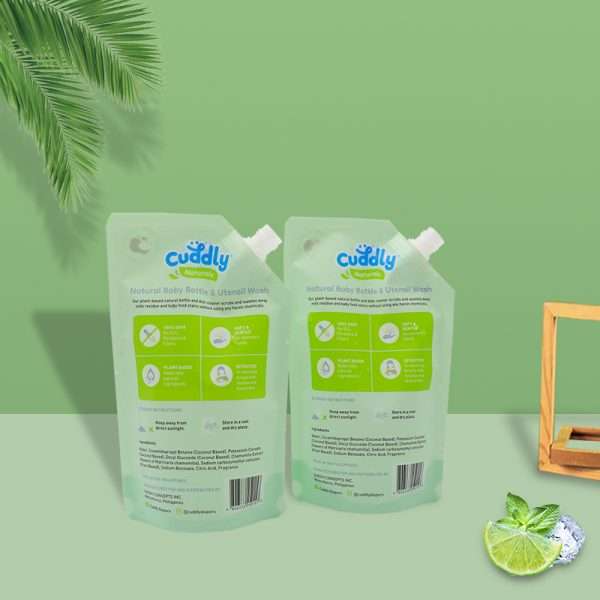
Sauces, beverages, and beauty serums in spouted pouches face unique challenges. The liquid shifts with vehicle movement, creating dynamic pressure against seals. This is where material engineering and seal strength testing become non-negotiable.
How to Prevent Deformation: A Practical Checklist
Here's where we shift from diagnosis to solution. These are actionable steps you can implement — or discuss with your packaging supplier — to dramatically reduce transit damage.
Material and Structure Decisions
- Choose appropriate film thickness — For products over 250g, consider a minimum 120-micron total laminate structure
- Select the right lamination method — Solvent-free adhesives offer better heat resistance for products shipping through warm climates
- Add a nylon (PA) layer — This dramatically improves puncture resistance and structural memory
- Specify a wider bottom gusset — A gusset of at least 35mm provides a stable base that resists collapse
Because we hold FDA and ISO 22000 certifications, we recommend specific material combinations based on the product type, destination climate, and shipping method. There's no universal "right" answer — it depends on your situation.
Packing and Palletization Best Practices
- Use divider inserts between layers of pouches within each carton
- Maintain carton fill rate between 85-95% — enough to prevent shifting, not so much that compression occurs
- Orient pouches vertically when possible — this distributes stacking pressure across the strongest axis
- Specify double-wall corrugated boxes for heavy products shipping internationally
- Add corner protectors to pallets and shrink-wrap thoroughly
Shipping Route Considerations
- For ocean freight exceeding 3 weeks: request desiccant packs inside the container
- For cold-chain products: verify that seal adhesives maintain performance below 5°C
- For air freight: account for altitude pressure changes affecting sealed pouches with trapped air
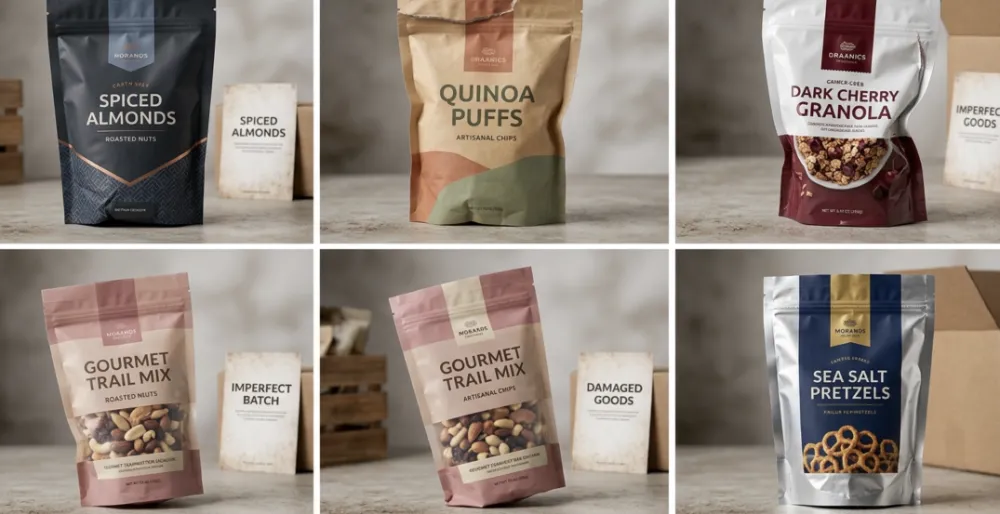
Material Structure Comparison: What Holds Up During Shipping
Choosing the right layered structure is your primary defense against deformation. Here's how common configurations compare under transit stress.
| Structure | Layers | Puncture Resistance | Shape Retention | Ideal For |
|---|---|---|---|---|
| PET/PE | 2 | Low | Fair | Lightweight snacks, samples |
| PET/AL/PE | 3 | Medium | Good | Coffee, tea, supplements |
| PET/PA/PE | 3 | High | Very Good | Heavy powders, pet food |
| PET/AL/PA/PE | 4 | Very High | Excellent | Liquids, premium products |
| Kraft/AL/PE | 3 | Medium-High | Good | Organic brands, eco-positioning |
Notice that aluminum (AL) layers serve dual purposes: they provide an oxygen and moisture barrier while also adding structural rigidity. For coffee brands especially, this means you're protecting both the physical shape and the aromatic quality of your product simultaneously.
Real-World Scenarios: What We've Seen Across Different Industries
Let me share some patterns from the thousands of packaging projects that have moved through our facility.
Scenario: Specialty Coffee Brand Shipping to EU
A roaster shipping 340g valve-equipped bags from Asia to Germany experienced 12% deformation rates on initial orders. The root cause wasn't the pouch itself — it was condensation softening the carton walls during 28-day sea transit, causing box collapse that crushed inner contents. The solution? Switching to water-resistant coated cartons and adding silica gel sachets reduced damage to under 2%.
Scenario: Pet Supplement Brand Using Flat-Bottom Pouches
A pet nutrition startup ordered flat-bottom gusseted packaging for a 750g joint supplement. During the first shipment, the gussets collapsed because the material gauge was too light for the product weight. Our in-house design team often helps brands who only have a rough idea — in this case, upgrading from 100-micron to 140-micron total thickness and widening the gusset from 30mm to 40mm solved the problem completely.
Scenario: Beauty Brand Focused on Unboxing Experience
An indie skincare brand needed their serum pouches to look perfect for Instagram unboxing content. Even minor creasing was unacceptable for their brand perception. The answer was shipping pouches with rigid card inserts inside each unit — a small added cost that protected their premium positioning and social media presence.
Testing Standards That Predict Real-World Performance
Don't just hope your packaging survives shipping — verify it. Here are the testing protocols that matter most for flexible pouches.
- ASTM D4169 — Simulates distribution cycle hazards including vibration, compression, and drops
- ISTA 3A — Specifically designed for packaged products shipped via parcel delivery
- Burst testing (ASTM F2054) — Measures seal strength under internal pressure
- Drop testing — Evaluates impact resistance from standard handling heights (76cm for cartons)
In our 6,800㎡ cleanroom facility, we run compression and drop simulations before approving mass production runs. This catches potential issues when they cost nothing to fix — rather than after 50,000 units have already shipped.
Questions to Ask Your Packaging Supplier Before Ordering
When evaluating any manufacturer for your flexible packaging needs, these questions will quickly reveal whether they understand transit performance or are just focused on printing pretty graphics.
- What material structure do you recommend for my specific product weight and shipping route?
- Can you provide drop test and compression test data for the proposed structure?
- What packing configuration do you recommend inside shipping cartons?
- Do you offer trial runs or sample shipments to test real-world performance?
- What's your damage/defect policy if pouches arrive deformed?
A supplier who can answer all five with specifics — not generic reassurances — is one who's dealt with these challenges before and engineered solutions proactively.
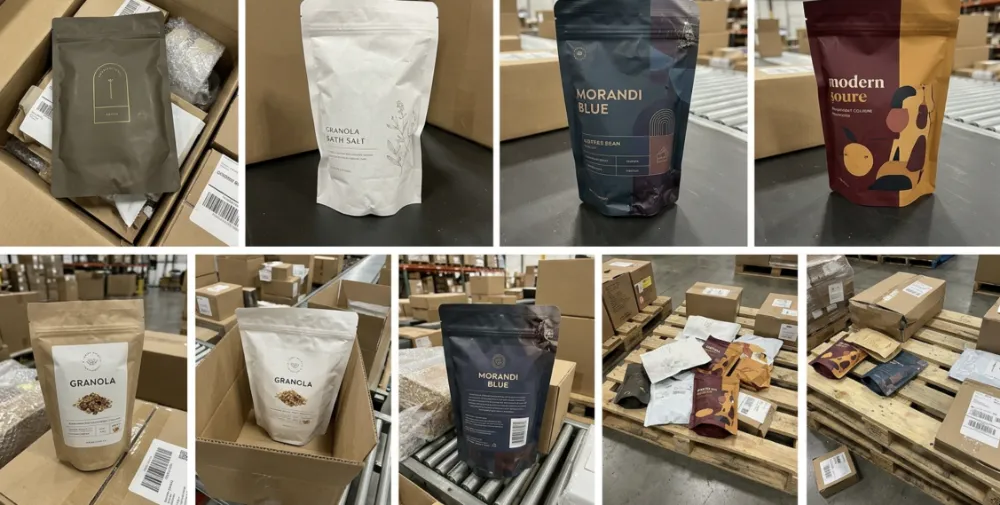
The Cost of Getting It Wrong vs. Getting It Right
Let's talk about what deformation actually costs your brand beyond just wasted packaging units.
| Impact Area | Cost of Deformation | Cost of Prevention |
|---|---|---|
| Wasted units | 5-15% of shipment value | Material upgrade: 8-12% premium |
| Retailer rejection | Entire pallet returned, restocking fees | Pre-shipment testing: minimal |
| Brand perception | Consumer trust loss, negative reviews | Proper gusset engineering: included in design |
| Product spoilage | Total product + packaging loss | Barrier layer addition: moderate |
| Reorder delays | 2-4 weeks production + shipping time | Getting it right the first time: priceless |
Working with brands across North America, we've found that the most common mistake is optimizing for the lowest possible unit cost without accounting for the hidden costs of transit damage. The slightly higher upfront investment in proper materials and structure nearly always delivers better total economics.
Summary: Your Packaging Can Absolutely Survive Shipping Intact
Deformation during shipping isn't inevitable — it's a solvable engineering challenge. The combination of correct material selection, thoughtful structural design, proper packing protocols, and pre-production testing eliminates the vast majority of transit damage.
The brands that consistently receive perfect shipments share three traits: they communicate their shipping route clearly, they trust material recommendations from experienced manufacturers, and they invest in testing before scaling production. Whether you're launching a new coffee line, expanding a supplement brand, or shipping pet food nationally, these principles apply universally.
If you're planning a packaging project and want to ensure your pouches arrive looking exactly as designed, reach out to the YLTPACK team. With two decades of manufacturing experience and a focus on getting the engineering right, we're happy to review your specific situation and recommend a structure that performs.
WhatsApp: +86 182 1944 5665
Email: [email protected]
Frequently Asked Questions
Will empty pouches shipped flat arrive with creases?
Some light creasing on unfilled flexible pouches is normal and expected. These surface wrinkles typically disappear once the pouch is filled with product and the material stretches into shape. If you're concerned about first impressions for a sample run, ask your supplier about shipping with cardboard stiffeners between layers.
Does the bottom gusset collapse during long-distance shipping?
It can, particularly if the material gauge is too thin for the product weight or if cartons are overstacked. The fix involves both material engineering (minimum 120-micron structures for heavier products) and proper vertical orientation during packing. A well-designed gusset with adequate width — 35mm or more — holds its shape reliably.
How does ocean freight affect flexible packaging differently than air freight?
Ocean freight introduces two major variables that air freight doesn't: extended humidity exposure (up to 45 days) and dramatic temperature cycling. These can weaken adhesive bonds between laminate layers. Air freight is faster but introduces altitude-related pressure changes that can stress sealed pouches containing trapped air. Each mode requires slightly different material specifications.
Can printed graphics get damaged during shipping even if the pouch structure is intact?
Yes. Friction between pouches rubbing together in transit can cause ink scuffing on uncoated surfaces. This is why most quality manufacturers apply a matte or gloss varnish (OPP lamination) over the print layer. It protects the graphics and adds a slight structural benefit. If your brand relies on visual shelf appeal, this finishing step is essential.
What's the minimum order quantity to get pouches with proper transit-tested specifications?
This varies by manufacturer, but at YLTPACK, we work with brands at various scales and can provide pre-production samples that undergo simulated shipping stress tests. The goal is verifying performance before committing to full production — regardless of order size. Reach out via WhatsApp (+86 182 1944 5665) or email [email protected] to discuss your specific requirements.