Flat Pouch vs Stand Up Pouch vs 3-Side Seal: The Quick Answer
Short on time? Here's the bottom line. Choose a stand up pouch when shelf presence and resealability matter, like coffee, snacks, or pet treats. Pick a flat pouch (often a 3-side seal) when you want a slim, low-cost format for single servings, samples, or lightweight products. This flat pouch vs stand up pouch comparison really comes down to how your product sits on a shelf, how much you fill per unit, and what your budget allows.
Everything else is detail, and that detail is where brands either save money or lose it. Let's walk through it together so you can decide with confidence.
What Each Pouch Style Actually Is
Before we compare, let's get the vocabulary straight. These three formats look similar in a product photo but behave very differently on a filling line and on a retail shelf.
The Flat Pouch (3-Side Seal)
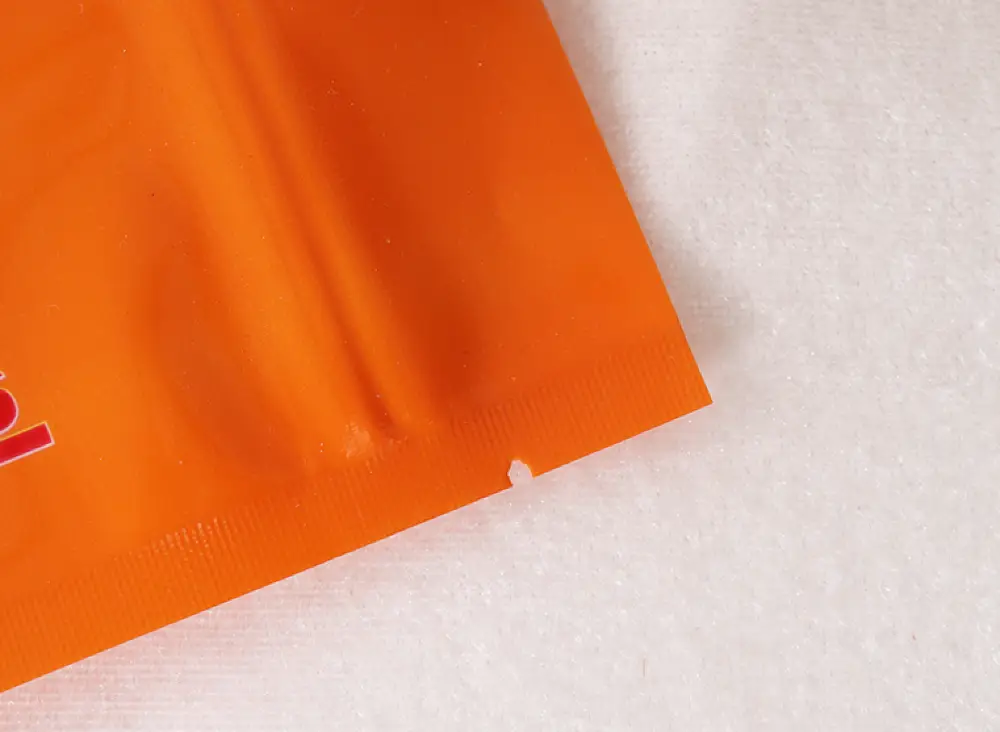
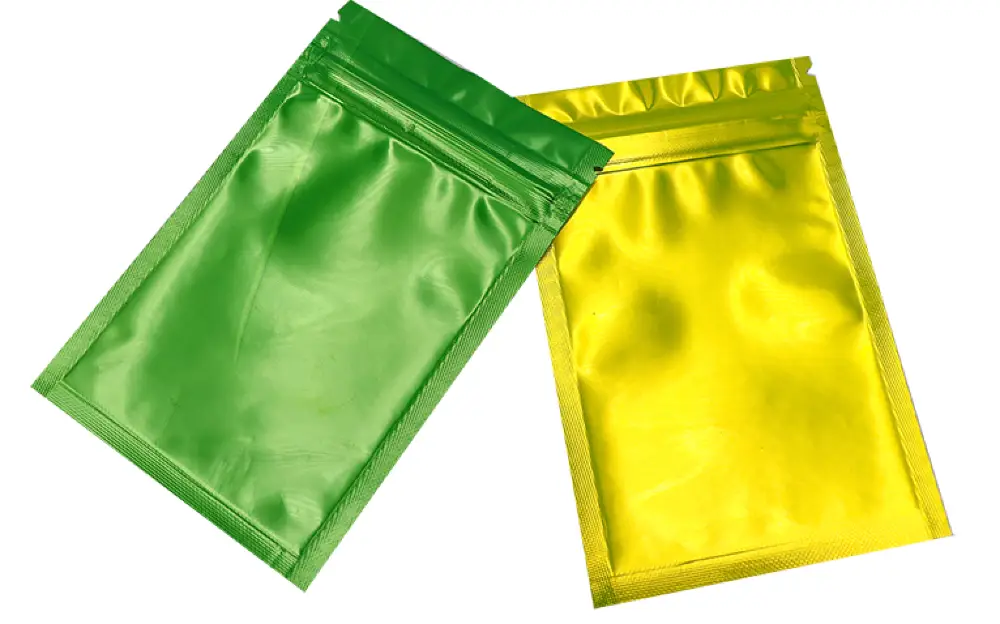
A flat pouch is exactly what it sounds like: two flat sheets of film sealed on three edges, leaving the top open for filling. It lays flat, ships flat, and stores flat. That makes it the go-to for anything thin, from spice sachets to face mask samples.
Because it uses less material and folds simply, it's usually the most affordable option per unit. The trade-off is that it can't stand on its own, so it tends to disappear on a crowded shelf.
The Stand Up Pouch (Doypack)
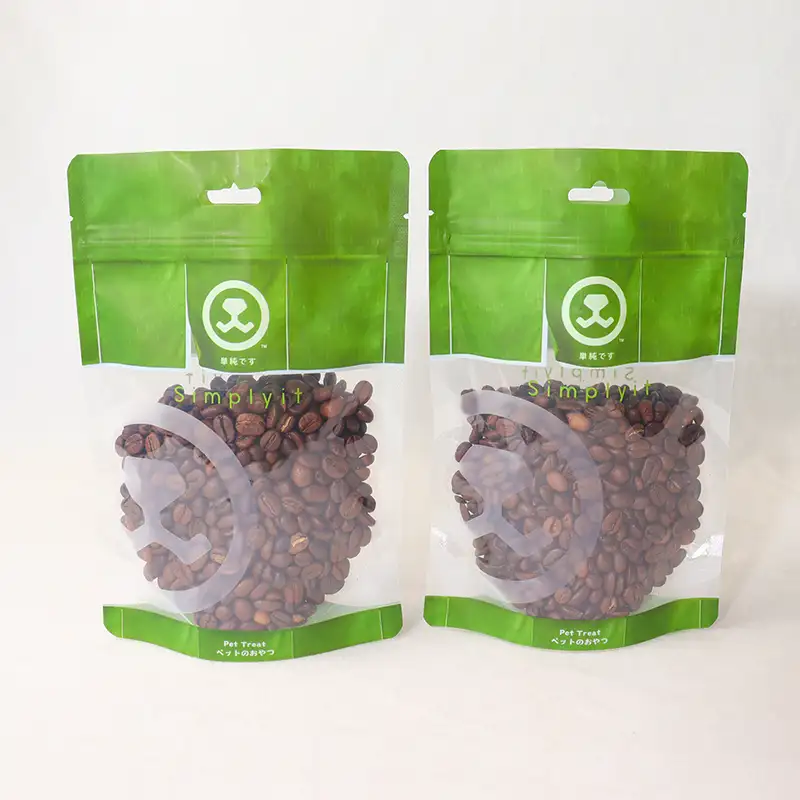
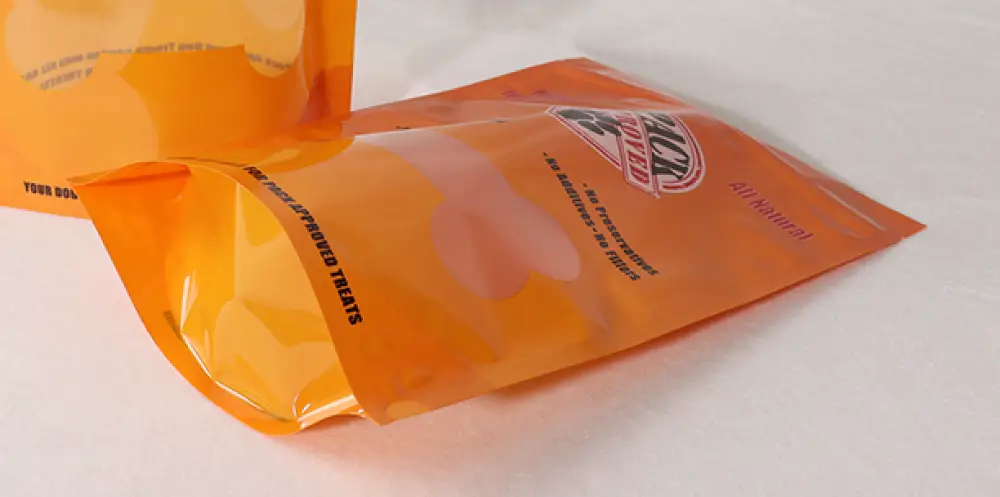
A stand up pouch has a gusset at the bottom that expands when filled, letting the bag stand upright without support. This is the format you see everywhere now, granola, protein powder, cold brew, dog food. It's popular for a reason: it turns your packaging into a mini billboard.
Add a zipper, a spout, or a tear notch and it becomes reusable and convenient. That convenience is a big part of why this style has taken over so many grocery aisles.
The 3-Side Seal, Clarified
People sometimes treat "3-side seal" and "flat pouch" as separate things. In practice, a 3-side seal is a construction method, and a flat pouch is the most common result of it. Some stand up pouches also use three seals plus a bottom gusset. So think of "3-side seal" as the how, and "flat" or "stand up" as the what.
Head-to-Head Comparison Table
Here's the side-by-side view most buyers ask us for first. The figures below reflect typical ranges we see in production; your exact specs will shift these numbers.
| Feature | Flat Pouch (3-Side Seal) | Stand Up Pouch | Flat Bottom Pouch |
|---|---|---|---|
| Stands on shelf | No | Yes | Yes (very stable) |
| Typical fill volume | 1 g – 200 g | 50 g – 2 kg | 250 g – 5 kg |
| Material use per unit | Lowest | Moderate | Highest |
| Relative unit cost | Low | Medium | Medium–High |
| Shelf presence | Limited | Strong | Premium |
| Resealable options | Basic | Zipper, spout, valve | Zipper, valve, tin-tie |
| Printable surfaces | 2 | 2 (+ gusset) | 5 (billboard effect) |
| Best for | Samples, sachets, singles | Snacks, coffee, supplements | Coffee, pet food, bulk |
Notice there's no single winner. The right choice depends on your product weight, your retail environment, and how you want customers to interact with the bag at home.
Flat Pouch vs Stand Up Pouch: Which Is Better for Packaging?
So which one wins the flat pouch vs stand up pouch which is better for packaging question? Ask yourself three things: How heavy is my product? Where will it sell? How will people use it?
If you're packing a 5 g single-serve sample or a lightweight powder, a flat design keeps costs down and ships efficiently. If you're selling a 340 g bag of coffee on a competitive shelf, the upright format earns its slightly higher cost by getting noticed and being resealed daily.
Working with brands across North America, we've found that the most common mistake is choosing a format based on a competitor's look instead of their own product weight and sales channel.
A quick gut check we share with clients:
- Selling online only? Slim, flat formats cut shipping weight.
- Fighting for attention on a retail shelf? Upright wins.
- Product over 500 g? Lean toward a stand up or flat bottom build.
- Giving away samples or promos? Flat is almost always the answer.
The Difference Between Flat Pouch and Stand Up Pouch for Food
Food is where these choices get interesting, because freshness and handling matter as much as looks. The difference between flat pouch and stand up pouch for food usually shows up in three areas: portion size, resealing, and barrier needs.
Single-serve items like drink mixes, oatmeal cups, or condiment sachets thrive in flat formats. Multi-serving items like trail mix, jerky, or ground coffee benefit from an upright bag with a zipper so customers can reseal between uses.
Barrier Matters More Than Shape
Here's something buyers often overlook: the film structure protects your food, not the shape. Both flat and upright pouches can be built with high-barrier layers to block oxygen, moisture, and light. Because we hold FDA and ISO 22000 certifications, we recommend matching the barrier film to your product's shelf-life target first, then choosing the shape.
For oxygen-sensitive foods, a foil or metallized layer plus a one-way degassing valve does far more for freshness than the silhouette of the bag.
Stand Up Pouch vs Flat Pouch Cost Comparison
Money talks, so let's be honest about it. In any stand up pouch vs flat pouch cost comparison, the flat format almost always costs less per unit. It uses less film, has fewer seals, and runs faster on many machines.
But unit cost is only part of the story. The upright format can lift perceived value, which often supports a higher retail price. So a "more expensive" bag can actually improve your margin if it helps the product sell for more.
| Cost Factor | Flat Pouch | Stand Up Pouch |
|---|---|---|
| Film per unit | Less | More (gusset adds area) |
| Add-ons (zipper, spout) | Rare | Common, adds cost |
| Shipping volume (empty) | Very compact | Compact when unfilled |
| Perceived retail value | Modest | Higher |
| Reorder efficiency at volume | Excellent | Excellent |
One practical tip: order quantity affects your per-unit price more than the format itself. Larger, consolidated runs almost always bring the number down, regardless of which shape you pick.

Flat Bottom Pouch vs Stand Up Pouch: Shelf Life and Stability
Let's add the premium sibling into the mix. When comparing flat bottom pouch vs stand up pouch shelf life, the film barrier drives freshness for both, but the flat bottom style offers extra structural benefits that indirectly protect contents.
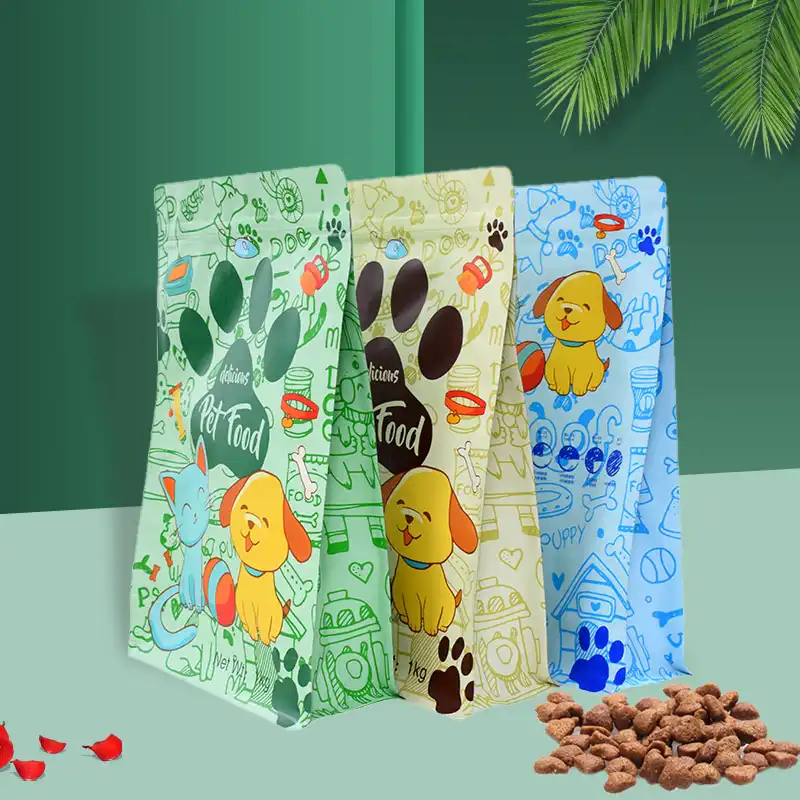
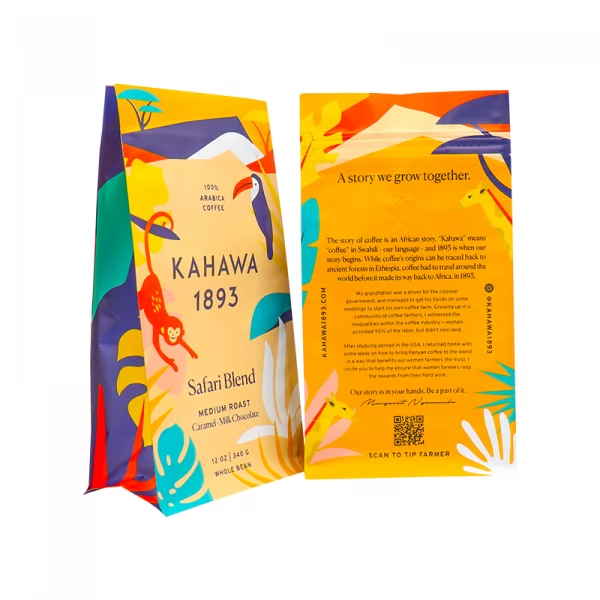
A flat bottom pouch (sometimes called a box pouch) has a rigid base and squared sides, giving it five printable panels and rock-solid stacking. For products stored in bulk or stacked on pallets, that stability reduces stress on seals during transit.
When Structure Protects Freshness
Think of specialty coffee or premium pet food. These often use flat bottom bags with a degassing valve and a strong zipper. The valve releases CO2 without letting oxygen in, while the sturdy base keeps the bag standing tall through a long shelf life.
If your product is heavy, sold in bulk, or positioned as premium, the flat bottom format usually earns its place. For lighter goods, a standard upright pouch delivers similar freshness at a lower cost.
Best Pouch Type for Coffee Packaging: Flat vs Stand Up
Coffee deserves its own section because it's one of the most demanding products we package. Roasters constantly ask us about the best pouch type for coffee packaging flat vs stand up, and the honest answer depends on your beans and your buyer.
Freshly roasted coffee releases carbon dioxide for days after roasting. Without a one-way valve, gas builds up and bags balloon or burst. With one, aroma stays locked in and oxygen stays out. That valve is the real hero of coffee freshness.
- Single-origin whole bean: upright or flat bottom with a valve and zipper signals premium quality.
- Sample or single-serve: a flat sachet keeps trial costs low.
- Subscription boxes shipped by mail: flat formats reduce shipping weight and dimensional cost.
Aroma retention is everything in this category. A high-barrier film plus a degassing valve preserves the volatile compounds that give coffee its scent, which is the first thing customers notice when they open the bag.
Matching the Pouch to Your Industry
Every category has quirks. Here's how we guide brands in a few common ones, based on what actually moves product.
Pet Food and Treats
Pet owners read labels like parents. They want to see ingredients clearly, so a large printable surface helps. Upright and flat bottom formats give you room for transparent sourcing claims, feeding guides, and that emotional hero shot of a happy dog.
Heavier bags also need strong bottom seals and puncture-resistant film, especially for kibble with sharp edges.
Beauty and Personal Care
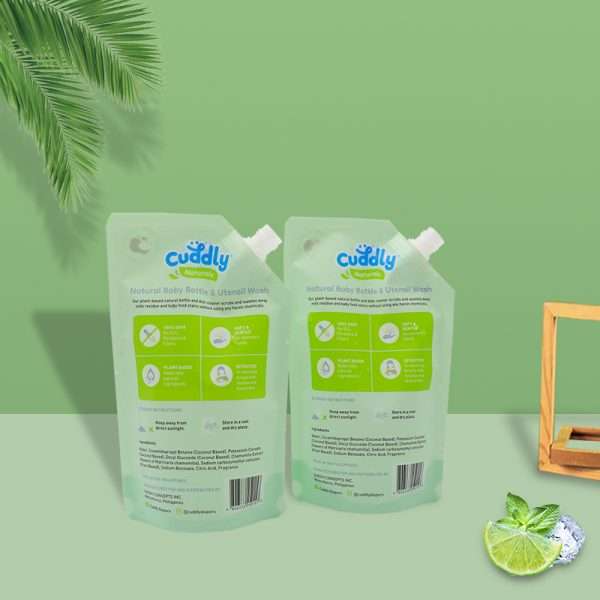
For sheet masks, sachets, and travel sizes, flat pouches win on cost and slim shipping. But for refill pouches of shampoo or serum, an upright spout pouch feels premium and photographs beautifully. That unboxing moment on social media is free marketing, so surface finish and print quality matter.
Rice, Grains, and Bulk Staples
Weight and stacking rule here. A 2 kg to 5 kg bag of rice needs a stable base, reinforced seals, and film that resists tearing during pallet transport. Flat bottom formats shine because they stack cleanly and carry the load without deforming.
As a manufacturer that has produced packaging for over 20 years, we've seen bulk grain brands cut damage claims simply by upgrading to a squared base with thicker side seals.
How to Choose: A Simple Decision Checklist
When a brand comes to us unsure which way to go, we run through this quick checklist together. Try it with your own product in mind.
- Weight: Under 200 g leans flat; over 500 g leans upright or flat bottom.
- Sales channel: Retail shelf favors standing formats; online-only favors slim ones.
- Reuse: Need resealing? Add a zipper, which suits upright bags best.
- Barrier: Match film to shelf-life target before locking in the shape.
- Budget: Tight per-unit cost points to flat; higher perceived value points to upright.
If two formats still feel close, prototype both. Seeing your artwork on a real bag settles most debates faster than any spreadsheet.
Getting the Details Right Before You Order
Once you've picked a shape, the small choices decide whether the bag performs. Film thickness, seal width, valve placement, and print finish all affect how the final product feels in a customer's hands.
Our in-house design team often helps brands who only have a rough idea, turning a sketch or a reference photo into a print-ready file with the right structure. In our 6,800㎡ cleanroom facility, we produce food-grade pouches under controlled conditions, which keeps quality consistent from your first sample to your tenth reorder.
A few specs worth confirming before production:
- Barrier layer type (foil, metallized, or clear high-barrier)
- Zipper, spout, or degassing valve requirements
- Finish: matte, gloss, or soft-touch
- Recyclable or mono-material options if sustainability is a goal
If you'd like a hand weighing the options for your product, reach out at [email protected] or message us on WhatsApp at +86 182 1944 5665. Sharing your product weight, sales channel, and target shelf life is usually enough for us to point you toward the right build.
Final Takeaways
There's no universal winner among these three formats, only the right fit for your product. Flat 3-side seal bags keep costs and shipping lean for light, single-serve items. Upright doypacks earn their keep on the shelf with strong presence and easy resealing. Flat bottom pouches bring premium stability for heavy or high-end goods.
Start with your product weight and sales channel, match the barrier film to your freshness goal, and let the shape follow. Get those three right and the packaging will support your brand instead of holding it back.
Frequently Asked Questions
Can a flat pouch hold heavy products like a stand up pouch?
Not as reliably. Flat formats are built for lighter, thinner items, generally under 200 g. Once you get into heavier products, the seals face more stress and the bag won't stand or stack well. For anything over 500 g, an upright or flat bottom build is the safer choice.
Which pouch keeps food fresher for longer?
Freshness comes from the film barrier, not the shape. A flat and an upright bag with the same high-barrier film will protect contents equally. What extends shelf life is the right combination of foil or metallized layers, sealing quality, and add-ons like a one-way valve for coffee.
Are stand up pouches worth the extra cost?
Often, yes. They cost more per unit, but their shelf presence and resealability can support a higher retail price and stronger repeat purchases. If your product sells on a competitive shelf, the upright format usually pays for itself through better sell-through.
What's the minimum order for custom pouches?
It varies by format, film, and finishing options. Simpler flat designs tend to have lower entry points than complex upright builds with spouts or valves. Share your target quantity and specs, and we'll confirm what's workable for your project.
Can I switch formats later without redoing my artwork?
Partly. Your core design elements carry over, but each format has different dimensions and panel layouts, so the file needs adjusting. Planning for a possible switch early makes the transition smoother, which is something our design team can help you set up from the start.