Where Cross-Border Shipping Actually Punishes Coffee
Many new brands focus only on how good the packaging looks, while overlooking the real trials of transit. Coffee is a famously "delicate" product: oxygen, moisture, light, temperature, and compression can all strip away its flavor before it ever arrives.
The number one enemy is oxygen. Roasted beans keep releasing carbon dioxide, while also being vulnerable to outside oxygen seeping in, which oxidizes the oils and drains the aroma. Research generally agrees that flavor declines noticeably within weeks of oxygen exposure, and long-haul shipping lands right inside that window.
The second is moisture and temperature swings. Sea containers "sweat" repeatedly as they cross different climate zones, and once dampness gets inside the bag, coffee quickly absorbs it and clumps. The third is physical impact: stacking, drops, and the squeeze of sorting machines can all rupture a poorly sealed bag and let air leak in.
- Oxygen ingress: oil oxidation and aroma decay, the top cause of flavor loss
- Moisture intrusion: dampness, clumping, and mold risk
- Light exposure: UV rays accelerate oil deterioration
- Compression and drops: cracked seals and ruptured, leaking bags
- Pressure changes: in the high-altitude leg of air freight, the pressure gap easily makes thin bags swell or even burst
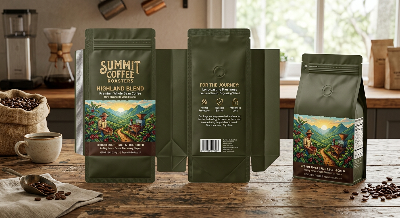
Understanding "Barrier Properties": The Core Metric for Preserving Aroma
If you only remember one technical term, make it barrier properties (oxygen barrier, the ability to block oxygen). It measures how well packaging stops oxygen and water vapor from penetrating, which directly ties to product shelf life. The stronger the barrier, the longer the coffee can survive the shipping cycle.
Ordinary single-layer plastic barely blocks any oxygen, so packaging suited for long hauls is essentially always a multi-layer laminated structure. The common approach bonds films with different functions together: the outer layer handles printing and abrasion resistance, the middle layer handles the barrier, and the inner layer handles heat sealing and food-contact safety.
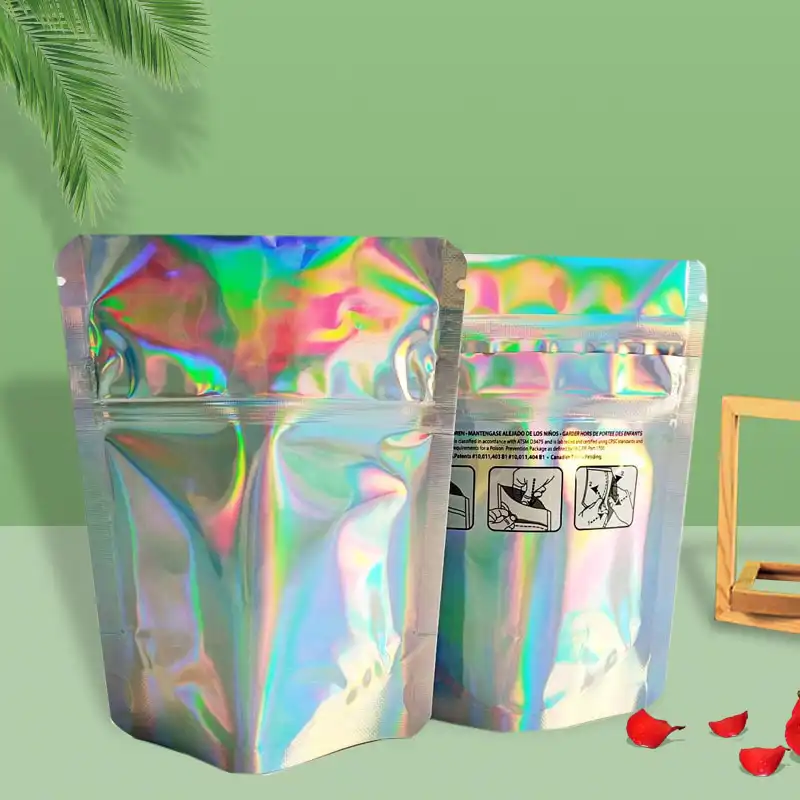
Among these, the aluminum foil layer (aluminum foil) and metallized film (VMPET) are the main defenders against oxygen and light, while transparent high-barrier films can offer protection while keeping the display appeal. Which one you choose depends on whether you want customers to see the beans or prefer to maximize shelf life.
Several Mainstream Materials: Which Endures the Long Haul Best
The table below lays out a side-by-side comparison of the most common structures in cross-border freight, making it easier to weigh your choices based on your product positioning and shipping distance. The data reflects typical industry reference ranges; actual performance will vary slightly with film thickness and process.
| Material Structure | Barrier | Light Blocking | Compression Resistance | Best For |
|---|---|---|---|---|
| Aluminum foil multi-layer laminate | Very high | Full light blocking | Strong | Ultra-long sea freight, premium single-origin beans |
| Metallized (VMPET) laminate | High | Light blocking | Medium-high | Value pick, most cross-border orders |
| Transparent high-barrier (with EVOH) | Medium-high | No light blocking | Medium | Specialty brands needing to show the beans |
| Kraft paper + inner liner laminate | Medium-high | Partial light blocking | Medium | Eco-positioning focused on a natural feel |
| Recyclable mono-material (PE/PP) | Medium | Depends on printing | Medium | Recycling commitments, moderate shipping distance |
Put simply: the farther the journey and the longer the storage cycle, the higher up the table you should aim. If your target market has hard requirements for recyclability, a mono-material option is worth considering, but you'll need to accept that its barrier performance lags slightly on extreme long hauls.
Don't Just Look at the Bag; Structural Details Decide Success or Failure
With the same material, different structural designs can mean wildly different arrival conditions. In cross-border scenarios, a few details are almost "must-haves."
One-Way Degassing Valve
Freshly roasted beans keep off-gassing, and a bag with no outlet will swell, even rupturing during sea transit. A one-way degassing valve lets carbon dioxide escape while blocking outside oxygen from entering, making it a configuration that long-haul coffee shipping can hardly skip.
Sealing Method
The seal is a hotspot for leaks. Working with North American clients, we found the most common arrival complaint wasn't a material problem but tiny cracks caused by insufficient seal width or unstable heat-sealing temperatures. Wider seal edges and a stable heat-sealing process can significantly cut this kind of loss.
Bag Shape and Stacking
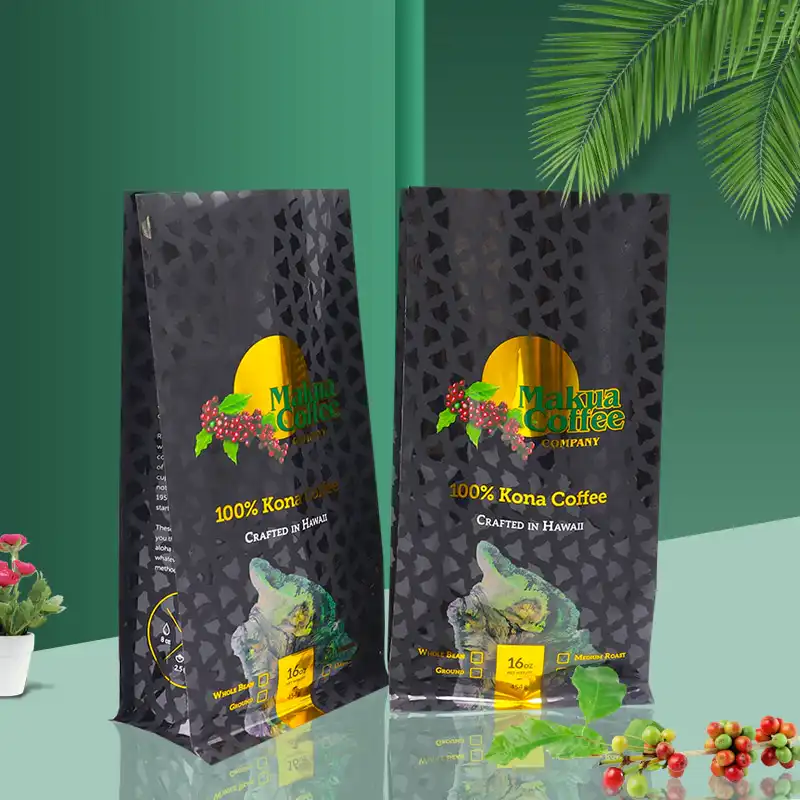
Box pouches stand stably and stack neatly, distributing the pressure inside a container better; stand-up pouches are flexible and lightweight, well suited for retail display. If your goods sit stacked on pallets for long periods, the load-bearing design of the bag's base and sides becomes especially important.
- Degassing valve: prevents swelling and bursting, essentially standard for long hauls
- Sealing: wide seal edges + stable heat sealing = fewer leak complaints
- Resealability: zippers or tin ties improve the post-opening experience
- Bag shape: box pouches aid stacking and compression resistance
Sea, Air, and Express: Different Demands on Packaging
The shipping method directly shapes how you should choose your packaging. Many people don't factor this in when ordering, only to find a "poor fit" once the goods arrive.
Sea freight has long cycles and wide temperature-humidity swings, placing the highest demands on barrier and sealing, where aluminum-containing structures are often safer. Air freight is fast but involves pressure changes; thin bags swell easily on the high-altitude leg, so they need a degassing valve and should avoid overfilling. International express, dominated by small batches and multiple transfers, tests a bag's compression and drop resistance more heavily.
| Shipping Method | Main Risk | Packaging Focus |
|---|---|---|
| Sea freight | Long cycle, container condensation | High barrier + strong seal + moisture protection |
| Air freight | Pressure gap, swelling | Degassing valve + moderate headroom |
| International express | Frequent sorting, drops | Compression-resistant bag shape + firm seal |
Compliance Matters More Than You Think
When selling food across borders, packaging must not only "hold up" but also "clear customs." The inner layer in direct contact with the coffee must meet food-contact safety standards, or it may run into trouble at customs clearance or shelf placement.
Different markets have their own rules: the US emphasizes FDA food-contact compliance, the EU has its own food-grade material regulations, and some retail channels add requirements for recyclable or sustainable certification. Confirming this clearly before export saves a great deal of rework and demurrage costs.
Precisely because we hold FDA and ISO 22000 food-safety-related certifications, when building export solutions for clients we typically verify the destination country's inner-film compliance requirements first, then work backward to material selection. Putting this step first is far more economical than scrambling to fix things after the goods get held up on arrival.
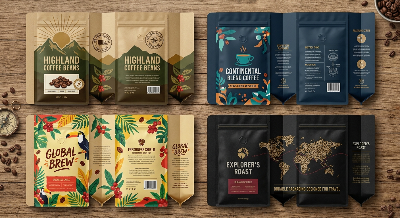
Run Through This Checklist Before Placing a Custom Order
Customization isn't just picking a nice-looking design. Nailing down the items below makes communication with your supplier far more efficient, and spares you from realizing the direction was wrong only after the samples arrive.
- Clarify shipping method and cycle: sea or air, and how long until arrival
- Set the target shelf life: determines the barrier level and whether to use aluminum
- Verify target-market compliance: food-grade inner film, recycling label requirements
- Choose bag shape and capacity: whether stacking or retail display is needed
- Confirm functional parts: degassing valve, zipper, tear notch
- Sample first: always run real seal and barrier tests before mass production
As a source factory with more than twenty years in packaging, our in-house design team often helps brands with only a rough idea turn it into reality, taking it from a hand-drawn sketch to an export-ready finished solution. Avoiding detours is the most valuable part.
The Pitfalls New Brands Stumble Into Most
After working with growing brands across different regions, we've found that mistakes usually aren't in the big direction but in the small, easily overlooked spots.
The most common is choosing a low-barrier material to save cost, only for the aroma to take a heavy hit after a long sea journey, dragging down repurchase rates. Next is ignoring the degassing valve, which causes an entire container of bags to swell. Others overfill the bags, leaving no room for pressure changes, so the bags burst en masse on the air-freight leg.
Another hidden trap is sampling only, without simulating transport. A bag may look perfect in the office, but without stacking, temperature-change, and jostling tests, it hasn't truly passed validation. In our 6,800-square-meter cleanroom workshop, we can run consistency checks such as seal strength, keeping these risks out before shipment as much as possible.
A word from experience: figure out "how the goods travel, how long, and where they sell" first, then decide which bag to use. Get the order right and the choices become simple.
Conclusion: Treat Packaging as a Freshness System, Not a Shell
In a cross-border shipping environment, there is no one-size-fits-all answer, only the solution that best matches your product positioning and shipping route. The farther the journey and the higher the shelf-life requirement, the more you should lean toward a high-barrier structure, complete with a degassing valve and a reliable seal.
If you're after display appeal, a transparent high-barrier film works; if sustainability is your core selling point, a mono-material option is worth considering, but leave a margin for long hauls. Sort out your shipping and compliance needs first, then talk material and appearance, and the decision becomes much clearer.
In the end, a design that still lets overseas consumers smell fresh aroma the moment they open the bag is the one that truly "holds up." Plan it as a freshness system that runs from factory to shelf, and both your product and your brand will benefit.
Frequently Asked Questions
Do long sea hauls always require foil-containing packaging?
Not absolutely, but if the shipping cycle exceeds two or three weeks and you want a longer shelf life, an aluminum or metallized structure is the safer bet. For products with moderate distances and quick turnover, a transparent high-barrier film can balance display and protection.
Clear bags let customers see the beans, but does freshness suffer?
There's a tradeoff. Transparent high-barrier film (with barrier layers such as EVOH) offers solid protection, but its light blocking is weaker than foil. For very long hauls or light-sensitive products, prioritize freshness, or compromise with a partial window design.
Is a degassing valve a must, and does it raise costs?
For freshly roasted beans it's nearly essential, since it releases carbon dioxide while blocking oxygen, preventing swelling and bursting. It does add a little to production cost, but compared with the loss of an entire container of ruined bags, the investment pays off.
What compliance materials do I need to prepare before exporting?
The key is that the inner film in direct contact with the coffee meets the target market's food-contact standards, for example FDA compliance for the US market and the corresponding food-grade regulations in the EU. Some retail channels also require recycling or sustainability proof, so just confirm with your supplier before ordering.
Must I sample and test before customizing in bulk?
Strongly recommended. Samples should undergo real seal-strength and barrier tests, ideally simulating shipping conditions like stacking, temperature changes, and jostling. This step catches problems before mass production and is an extremely cost-effective "insurance policy."
If you have further constructive suggestions or questions, we are very happpy to hear from you!
Our WhatsApp: +86 182 1944 5665
Email: [email protected]