A buyer sends "quart size, ziplock" and three suppliers quote three different bags. "Quart" works like "medium" on a shirt: it names a fit, not a measurement. This guide settles dimensions, capacity, materials, print and ordering details for custom quart size ziplock bags, so you can write a spec a supplier cannot misread.
What are the measurements of a quart size ziploc bag?
A quart size ziploc bag is a flat resealable storage bag that typically measures roughly 7 x 8 in (about 18 x 20 cm) by common retail convention. Brands vary slightly, and no standards body fixes these width and height numbers. The only fixed figure is the volume the name refers to.
Why 32 fl oz is the only fixed number
A US quart is 32 fluid ounces, about 946 ml. That is a unit of volume. The bag's width and height are a habit the retail market settled on, so a supplier in one country and a supplier in another can both say "quart" and cut different films. Neither is wrong.
Flat bag versus real usable volume
A flat bag has no gusset, so it fills like a pillow. The zipper track, the side seals and the headspace you need to close it all take room. A flat quart bag will rarely hold a full 946 ml of product, and the gap grows with bulky, uneven contents. Treat the label as the ceiling, not the working capacity.
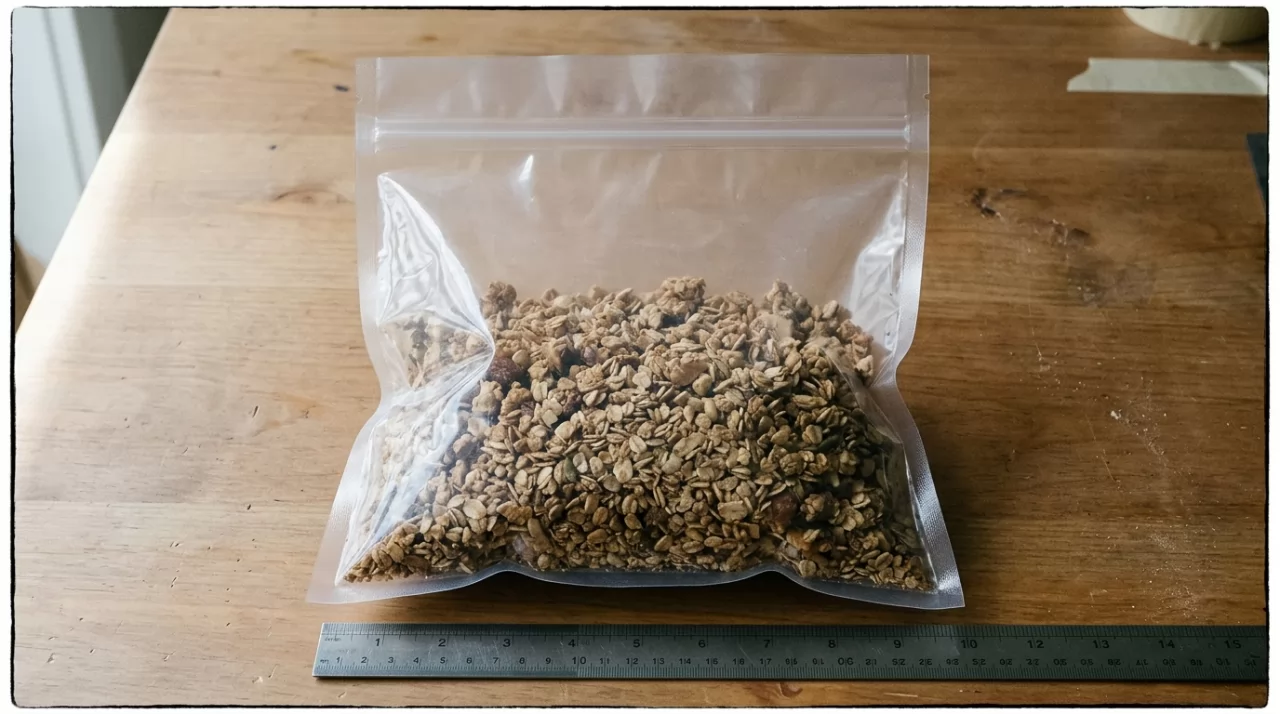
A quart is a volume, not a bag size
Product density decides the bag more than the label does. A quart of fluffy granola weighs far less than a quart of ground powder, and pet treats with hard edges fill awkwardly and need more width. Liquids and pastes behave differently again, because they settle to the bottom and push on the seals.
So specify fill weight, not just "quart". Give the product, the grams or ounces per bag, and whether the contents are loose, powdered, sticky or sharp. With that, a supplier can size the bag from the product. Without it, they size it from the word.
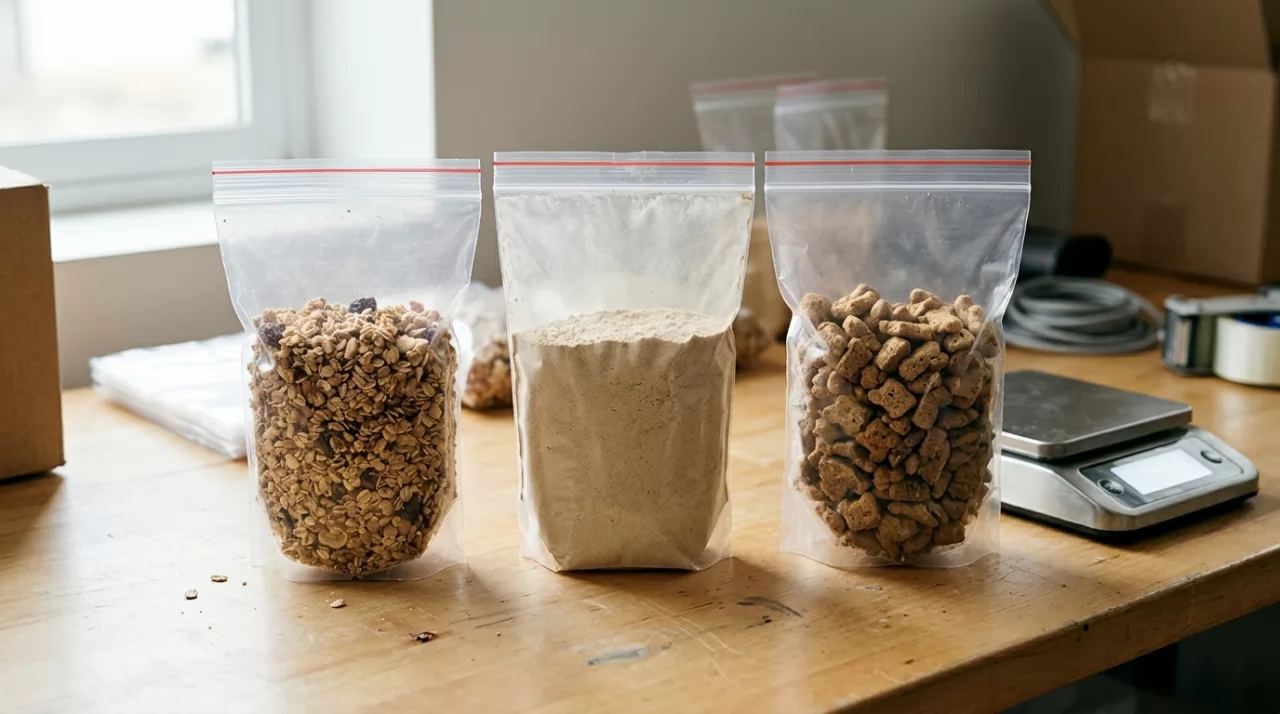
Quart size stand-up ziplock pouch size chart
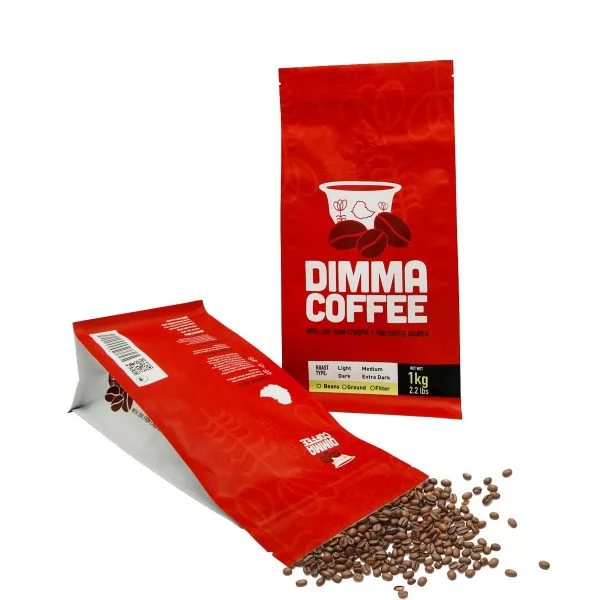
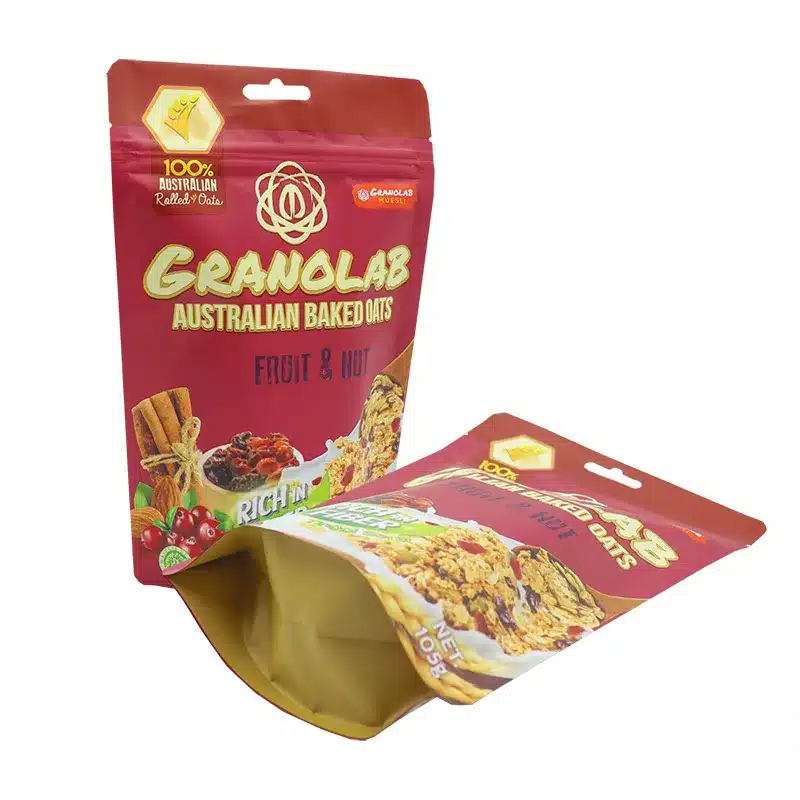
A stand-up pouch is a flexible bag with a folded bottom gusset that lets it stand on a shelf, and most have a zipper at the top. The ranges below are typical for the quart class. They are hedged ranges, not catalogue sizes.
| Format | Typical width x height | Bottom gusset | Fill behavior | Shelf behavior and typical products |
|---|---|---|---|---|
| Flat zipper bag | Roughly 7 x 8 in (18 x 20 cm) | None | Fills like a pillow; usable volume below the label | Lies flat or hangs; dry food, frozen food, accessories |
| Stand-up ziplock pouch | Usually a little narrower and taller, often in the 6-7 in by 9-10 in range | Folded bottom, depth varies | Holds more than a flat bag of the same width | Stands and shows a full print face; snacks, granola, powders, pet treats |
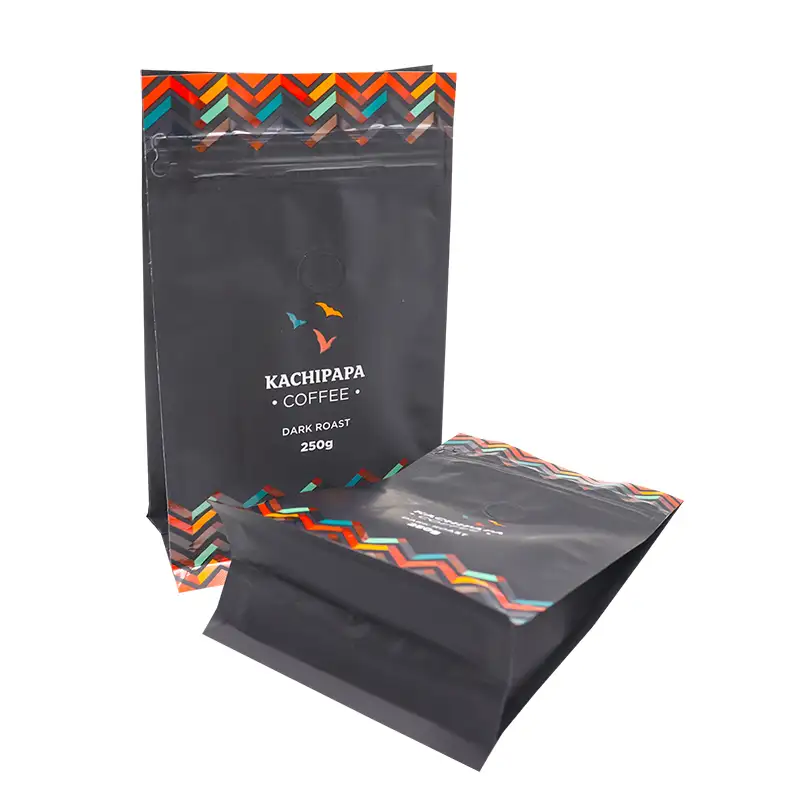
| Flat bottom pouch | Similar footprint to stand-up, confirmed per product | Box-like base with side gussets | Most stable fill, best for heavier contents | Stands upright with five printable panels; coffee, premium food, pet food |
The format row decides most cases: pick stand-up or flat bottom if the bag must stand and sell on a shelf, and the flat zipper bag if it is a plain pack that does not.
Exact sizes are confirmed against your product and fill weight. Treat any chart, including this one, as a starting point for the conversation.
How to read gusset depth
Gusset depth changes capacity without changing the width. Take two pouches with the same face. The one with the deeper fold opens into a rounder bag and holds more, and it also stands more steadily. Quote requests that give only width and height leave the gusset to the supplier's default, which is one reason quotes diverge.
Why one chart never replaces a sample
Numbers do not tell you how a bag feels in the hand, how a zipper closes with a thumb, or whether your product sits inside with room to spare. Fill a sample with the real product before you commit to a print run. Check the size, the feel and the fit, and do it with the product you will actually sell, not a stand-in.
Sizing up or down for headspace
Headspace is the empty height above the product, below the zipper. Add height if the bag carries a zipper, a tear notch and a hang hole, because each uses room above the fill line. A hang hole needs clear film around it. A tear notch sits above the zipper. If a design has all three, a bag sized only to the product will look and fill short.
Material and barrier decide shelf life more than the zipper does
The structure of the film sets how long the product stays fresh. The zipper only decides how well the bag recloses. Pick the structure first.
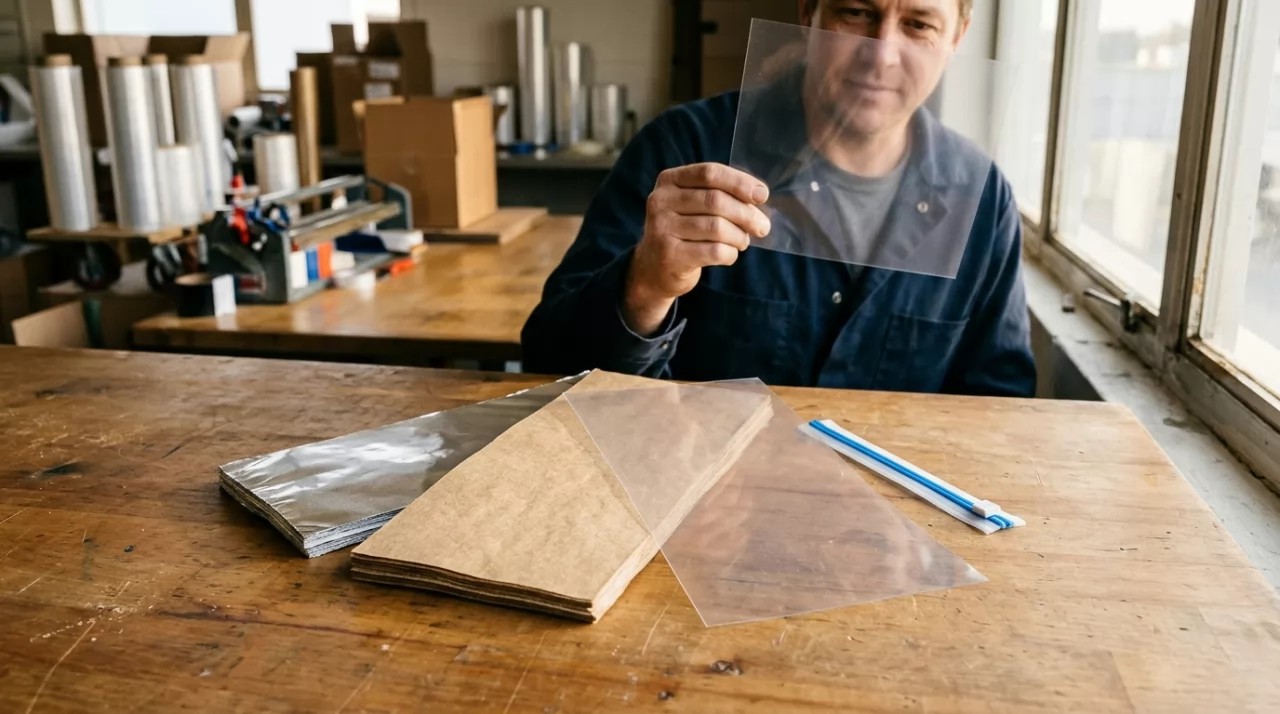
- If the product is oxygen- or light-sensitive and needs long freshness, then choose foil or a high-barrier laminate.
- If you want a natural look and moderate protection, then consider a kraft paper laminate.
- If shoppers need to see the product, then use a clear laminated film or add a window.
- If the bag is opened many times, then choose a slider over a press-to-close zipper.
- If the product is fresh-roasted coffee, then add a degassing valve.
Match barrier to the product
Foil laminate gives the strongest barrier against oxygen, moisture and light, and it is opaque. Metallised film, often called Mylar in the trade, gives good barrier at lower cost but is generally less protective than foil. Kraft laminate looks natural, and its barrier depends on the layers behind the paper. Clear laminated film lets the product show and protects less against light. Dry snacks, powders and coffee tend to want more barrier. Frozen food needs a film that stays tough in the cold. Foil and Mylar bags should not be described as recyclable.
Match the zipper to how often it is opened
A press-to-close zipper suits a bag that is opened a few times. A slider zipper closes with a pull tab and suits bags opened often, or used by people with less hand strength. The slider costs more and adds a part to specify, so decide by how the end customer really uses the bag.
Food contact and documents
Food-contact testing checks that a film does not release substances into food above set limits. For PE film, the test is to FDA 21 CFR food-contact requirements. That is a test report, not an approval, and it describes the film tested. Ask for film certificates and test reports with the quote, and match them to your end market. Compostable, mono-PE or recycled-content structures are separate choices with their own paperwork, so raise them only if your product calls for that exact structure.
Print method sets your minimum, your unit price and your number of designs
Digital printing starts at 1,000 pcs per design. It suits launches, test runs and many designs, because each design carries its own small minimum. Gravure starts at 10,000 pcs per design. It suits repeat orders and gives the lowest unit price once the volume is there. Compostable, mono-PE and recycled-content structures start at 30,000 pcs.
Price follows material, size, print colors, quantity per design and extras such as zipper, valve or window. There is no price list, because those inputs change every quote, and the quote itemizes each one so you can see what a change costs. Production takes 7-15 days after artwork approval. Shipping by air, sea or express is quoted separately with the order.
Check these details before you request a quote
A quote is only as exact as the brief. Before you send one, ask yourself:
- Have I stated the product and the fill per bag?
- Have I given a bag type, a photo or a reference bag?
- Do I know the quantity per design and the number of designs?
- Have I said whether I have artwork or only an idea, and which extras I need?
- Have I named the end market, so the right documents are matched?
- Have I asked about size tolerance, seal width, and leak or drop testing?
The last item is the one sellers rarely volunteer. Tolerance tells you how far a delivered bag may differ from the drawing. Seal width affects whether a bag survives a drop. Ask how each is checked before shipment, and what the supplier does with a failed lot.
On our side, we send a free sample of a similar bag so you can check size and fit, with the courier paid by you. The website also has a free Pouch Capacity calculator and an Artwork DPI Checker, and the itemized quote comes within one business day with a recommended structure.
FAQ
What are the measurements of a quart size ziploc bag, and does a custom bag have to match them?
Roughly 7 x 8 in (about 18 x 20 cm) for the flat retail bag. No, a custom bag does not have to match, because only the 32 fl oz volume is fixed and you can size the bag to your fill.
How much will a quart size stand-up pouch actually hold?
Less than 946 ml in most cases. Seal margins, the zipper and headspace take room, and the weight depends on how dense the product is, so confirm it with a sample.
Can I print my own design on quart size ziplock bags in small runs?
Yes, with digital printing from 1,000 pcs per design. Gravure starts at 10,000 pcs per design and gives a lower unit price on repeat orders.
Which material do I need for fresh coffee, snacks or frozen food?
Coffee and long-shelf-life snacks usually need a foil or high-barrier laminate, and coffee also needs a degassing valve. Frozen food needs a film that stays tough when cold, and the final structure is confirmed against the product.
Send the brief and get a spec you can approve
You can now fix three things: the size from your fill weight, the structure from the product's barrier needs, and the print method from your quantity per design. Send the product, fill weight and a reference bag photo to [email protected] or WhatsApp +86 182 1944 5665. Our team will confirm anything not stated here in the quote.