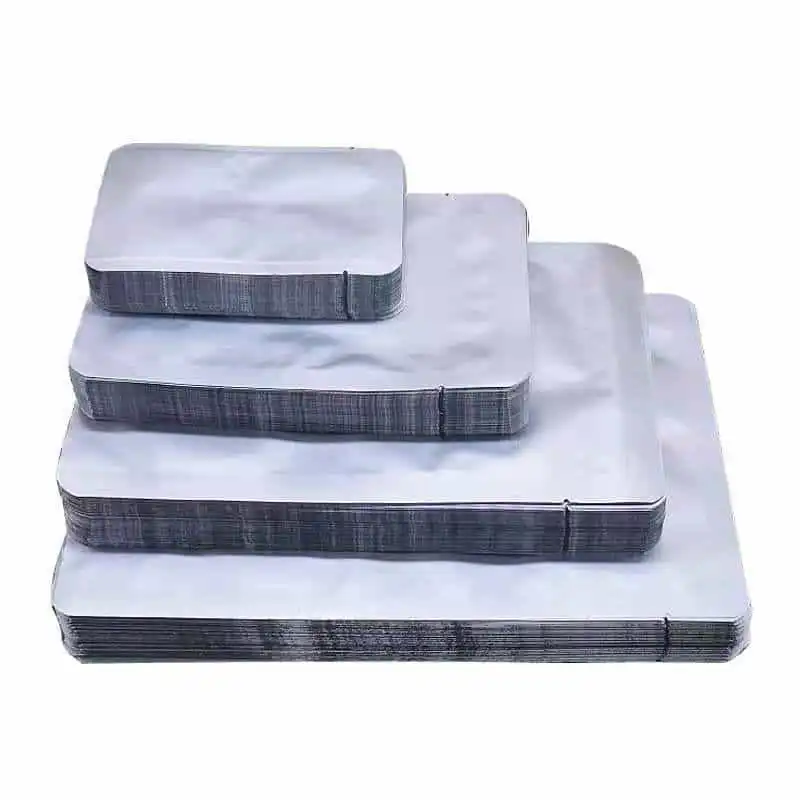
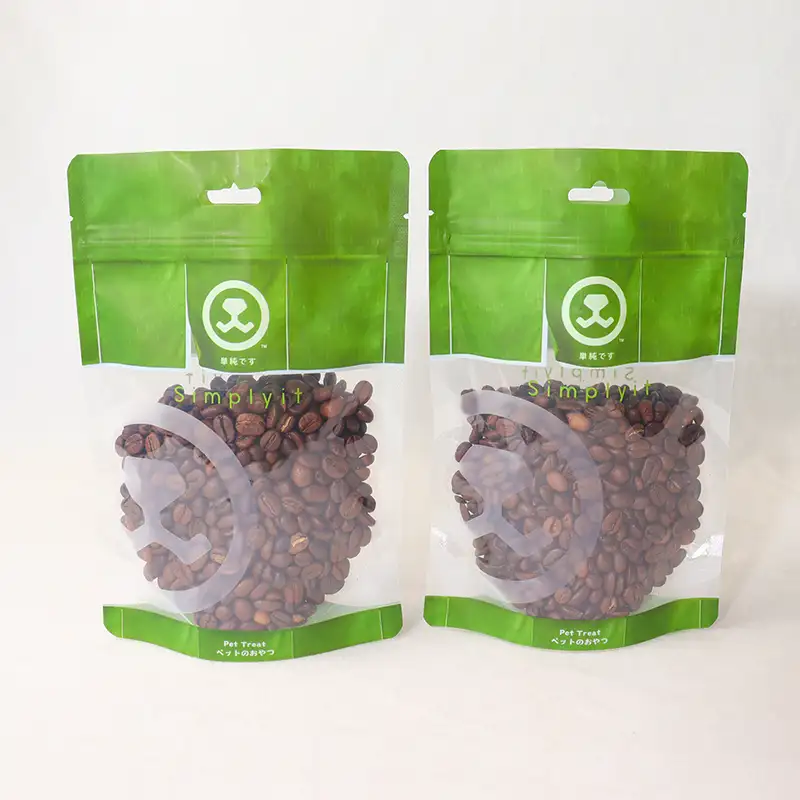
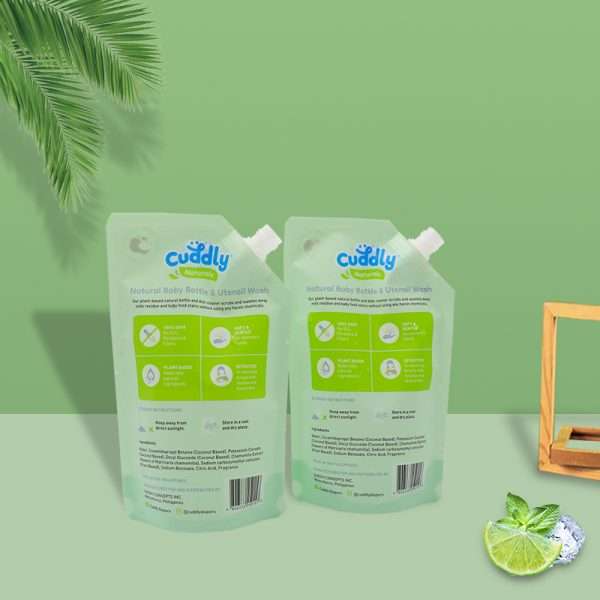
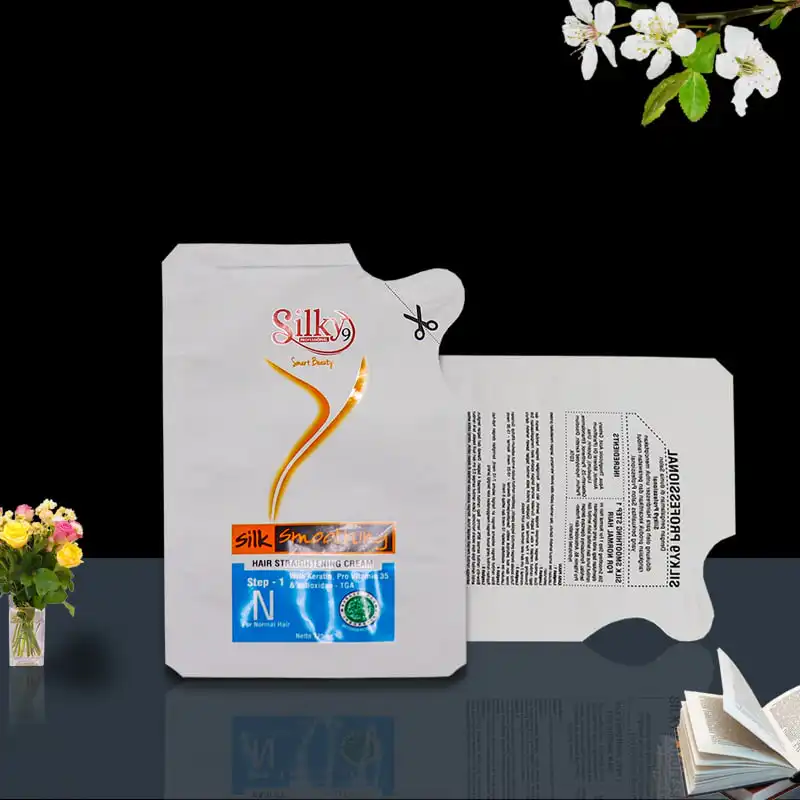
Quick answer: a retort pouch is a flexible, multi-layer packaging bag built to survive high-heat sterilization, the same process used for canning. It lets you cook, sterilize, and shelf-stabilize food right inside the package, without refrigeration. Think of it as a can that bends, weighs less, and ships flatter. So when someone asks what is a retort pouch, the simplest way to picture it is a soft, sealed pouch tough enough to handle boiling and pressurized steam.
The Simple Definition (And Why It Matters to Your Product)
At its core, this is a heat-resistant laminate bag designed for the retort process. After filling and sealing, the pouch goes into a pressurized chamber and gets cooked at sterilization temperatures.
The result? A sealed meal or ingredient that can sit on a shelf for one to three years without spoiling. No fridge, no freezer, no preservatives doing the heavy lifting.
For brands, that translates into lower cold-chain costs, longer distribution windows, and packaging that looks far more modern than a tin can. As a manufacturer that has produced these pouches for 20+ years, we've seen brands move from glass jars to flexible formats mostly to cut shipping weight and breakage.
What Materials Are Retort Pouches Made Of?
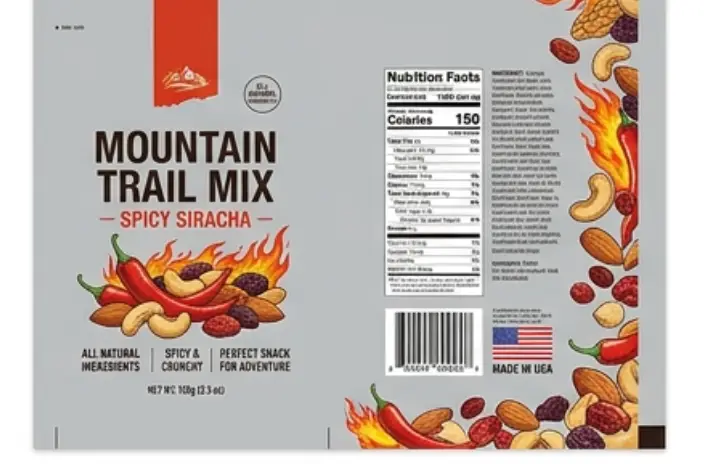
Here's where the engineering gets interesting. These pouches aren't a single film, they're a sandwich of layers, each doing a specific job. If you've ever wondered what materials are retort pouches made of, the answer is usually three to four bonded layers.
A standard structure looks like this:
| Layer | Common Material | Job It Does |
|---|---|---|
| Outer layer | PET (Polyester) | Printability, gloss, scuff resistance |
| Barrier layer | Aluminum foil or transparent AlOx/SiOx | Blocks oxygen, light, and moisture |
| Middle layer | Nylon (BOPA) | Puncture and flex-crack resistance |
| Sealant layer | CPP (Retort-grade Cast Polypropylene) | Forms the heat seal that survives sterilization |
The sealant layer is the unsung hero. Regular polyethylene melts and fails under retort heat, so retort-grade CPP is non-negotiable. Get this layer wrong and your seals burst in the chamber.
Foil vs. Clear Barrier: A Quick Decision Guide
Aluminum foil gives the strongest barrier and the longest shelf life, but it's opaque and not microwavable. Clear high-barrier films let customers see the product and pop it in the microwave, at the cost of a slightly shorter shelf life.
Because we hold FDA and ISO 22000 certifications, we usually recommend foil for high-acid or oily foods, and transparent barriers for premium products where showing the contents drives the sale.
How Does a Retort Pouch Work?
Curious how does a retort pouch work once it's filled? The magic happens in the retort chamber. After sealing, pouches are loaded into a vessel and heated with pressurized steam or hot water.
The combination of heat and counter-pressure does two things at once:
- It sterilizes the contents, killing bacteria and spores like Clostridium botulinum.
- The external pressure keeps the seals from bursting as the contents expand.
Once cooled, the pouch is commercially sterile and shelf-stable. The barrier layers then keep oxygen and light out for the rest of its life, which is what protects flavor and nutrients over the months ahead.
Temperature Ratings: How Hot Can They Really Go?
This is the question that trips up most first-time buyers. Not every "heat-resistant" pouch is a true retort pouch. The temperature rating tells you which sterilization process the packaging can survive.
| Process Type | Temperature Range | Typical Use |
|---|---|---|
| Pasteurization | 185–212°F (85–100°C) | Short shelf-life chilled foods |
| Standard Retort | 240–250°F (116–121°C) | Most ready meals, sauces, pet food |
| High-Temp Retort | 250–275°F (121–135°C) | Dense proteins, low-acid foods |
Most commercial sterilization runs around 250°F (121°C) for 15 to 60 minutes, depending on the food's density and acidity. A genuine retort-grade laminate is engineered to hold its seal integrity across that entire window.
A practical tip: always confirm the rated temperature matches your co-packer's retort cycle. Working with brands across North America, we've found that the most common mistake is ordering pouches rated for pasteurization and then trying to run a full sterilization cycle. The seals don't survive it.
What Is a Retort Pouch Used For?
If you're mapping out what is a retort pouch used for, the range is wider than most people expect. These pouches show up anywhere shelf stability and convenience matter.
Common applications include:
- Ready meals – curries, rice bowls, soups, and camping food
- Sauces and pastes – tomato sauce, coconut milk, tuna in oil
- Pet food – wet food cuts and gravies in single-serve portions
- Baby food – purees in spouted stand-up formats
- Seafood and proteins – tuna, salmon, and pre-cooked meats
The pet food category is a great example of how packaging signals quality. Pet owners increasingly read ingredient panels the way they read their own, so clean, premium pouch printing reassures them that the food inside is just as transparent. Our in-house design team often helps brands who only have a rough idea turn that ingredient story into shelf-ready artwork.
Retort Pouch vs. Regular Packaging: What's the Real Difference?
When buyers weigh retort pouch vs regular packaging, the gap usually comes down to heat tolerance and barrier strength. A standard stand-up pouch for coffee or snacks is built to keep things dry, not to survive a pressure cooker.
| Factor | Retort Pouch | Standard Pouch |
|---|---|---|
| Heat tolerance | Up to 275°F (135°C) | Typically under 200°F (93°C) |
| Shelf life | 1–3 years, no refrigeration | Months, often needs cold storage |
| Barrier | High oxygen and moisture barrier | Moderate |
| Sealant film | Retort-grade CPP | Standard PE |
The takeaway: you can put a standard product in a retort pouch, but you cannot put a retort product in a standard pouch. The films and adhesives simply won't hold.
Are Retort Pouches Food Safe?
Short answer: yes, when made with the right food-grade materials and certifications. The longer answer matters if you're sourcing in volume. People rightly ask are retort pouches food safe because the packaging touches food during a brutal heat cycle.
Food safety hinges on three things:
- Food-grade, migration-tested resins on the sealant layer
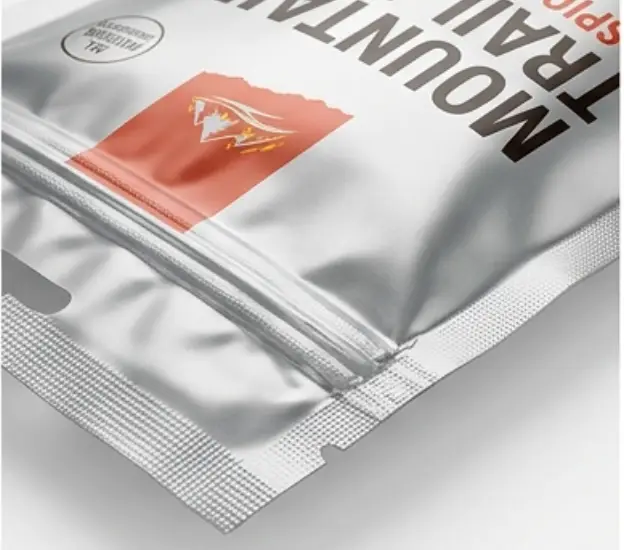
- Adhesive lamination rated for retort temperatures, so layers don't delaminate
- Clean, contamination-free production
In our 6,800㎡ cleanroom facility, the lamination and slitting steps are kept controlled specifically to prevent the delamination and pinhole issues that cause failures during sterilization. For food contact, look for suppliers carrying FDA compliance and ISO 22000 food safety certification, plus GRS if recycled content matters to your brand.
How to Spec the Right Pouch for Your Product
Choosing a structure isn't about picking the thickest film, it's about matching the pouch to your food and your process. Here's a quick checklist we walk brands through:
- Define the food type – oily, acidic, dense, or watery changes the barrier needs
- Confirm the retort temperature – match the laminate rating to your co-packer's cycle
- Set target shelf life – this decides foil vs. clear barrier
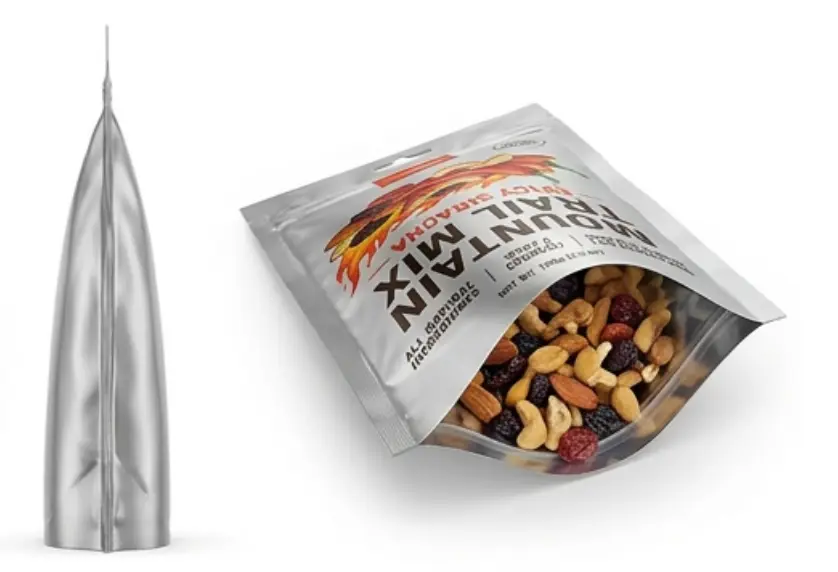
- Pick a format – flat, stand-up, or spouted
- Plan the finish – matte, gloss, or with a clear window
One detail brands often overlook is fill volume versus pouch dimensions. A pouch that looks great empty can sag or topple once filled with sauce. Running a fill test before committing to a print run saves a lot of headaches.
A Note on Sustainability
Multi-layer pouches have historically been hard to recycle because of the mixed materials. Mono-material recyclable retort structures are emerging, though as of 2026 they still trade off some barrier performance. If recyclability is a priority, it's worth discussing the tradeoffs early rather than after artwork is locked.
Working With a Manufacturer: What to Look For
Custom packaging is a partnership, not a transaction. Beyond price, the things that protect your launch are consistency, certifications, and design support.
A few questions worth asking any supplier:
- Can you share the exact film structure and temperature rating?
- Do you hold FDA and ISO food safety certifications?
- Can you support artwork, dielines, and fill testing in-house?
- What are minimum order quantities for custom printing?
At YLTPACK, brands reach us directly with their food type and target shelf life, and we work back to the right structure from there. You can reach the team on WhatsApp at +86 182 1944 5665 or by email at [email protected] if you want a structure recommendation for your specific product.
The Bottom Line
A retort pouch is essentially a flexible can, a heat-resistant, multi-layer bag that lets food survive sterilization and stay shelf-stable for years. The right choice comes down to matching materials, barrier, and temperature rating to your specific food and process.
Get those three things aligned and you end up with packaging that ships lighter, looks better, and protects your product from factory to shelf. Spec it carefully, test before you scale, and lean on a supplier who can explain the engineering, not just quote a number.
Frequently Asked Questions
How long do these pouches keep food fresh?
Most shelf-stable products last one to three years at room temperature, depending on the food and the barrier layer used. Foil-based structures sit at the longer end, while clear high-barrier films are slightly shorter but allow microwaving.
Can you microwave a retort pouch?
Some can, some can't. Foil-laminated pouches are not microwave-safe, but transparent high-barrier versions are designed for it. Always check the specific structure, and look for venting features if microwaving is part of your product's use.
What's the minimum order for custom printed pouches?
Minimums vary by film structure, size, and print method. Custom-printed runs typically require a set quantity to justify the printing plates, so it's best to share your target volume and we'll advise the most efficient setup.
Are these pouches safe for acidic or oily foods?
Yes, with the correct sealant and barrier. Acidic foods like tomato sauce and oily foods like tuna need foil or high-barrier structures with food-grade, migration-tested sealant layers to prevent flavor transfer and delamination.
Can I get a pouch with a spout or zipper?
Absolutely. Spouts suit baby food and beverages, while reclosable features work for multi-serve products. These add-ons need to be retort-rated too, so they're specified alongside the film structure from the start.