How to Choose Child-Resistant Packaging in Five Steps
If you're short on time, here's the decision in a nutshell. Learning how to choose child resistant packaging comes down to matching your product's format to a certified closure, confirming it meets federal safety standards, and testing the barrier before you commit to a large run. Start there, and you'll avoid the most expensive mistakes.
The five steps look like this:
- Identify your product type (edibles, capsules, flower, tinctures) and its moisture and light sensitivity.
- Match a certified closure that a child can't easily open but an adult can.
- Verify compliance with the relevant U.S. standard before ordering.
- Request samples and run your own open-and-close test.
- Lock in your barrier and branding so shelf appeal and protection work together.
Everything below unpacks each step with real numbers, comparison tables, and the tradeoffs we see brands wrestle with every week.
Why the Right Safety Packaging Protects More Than Kids
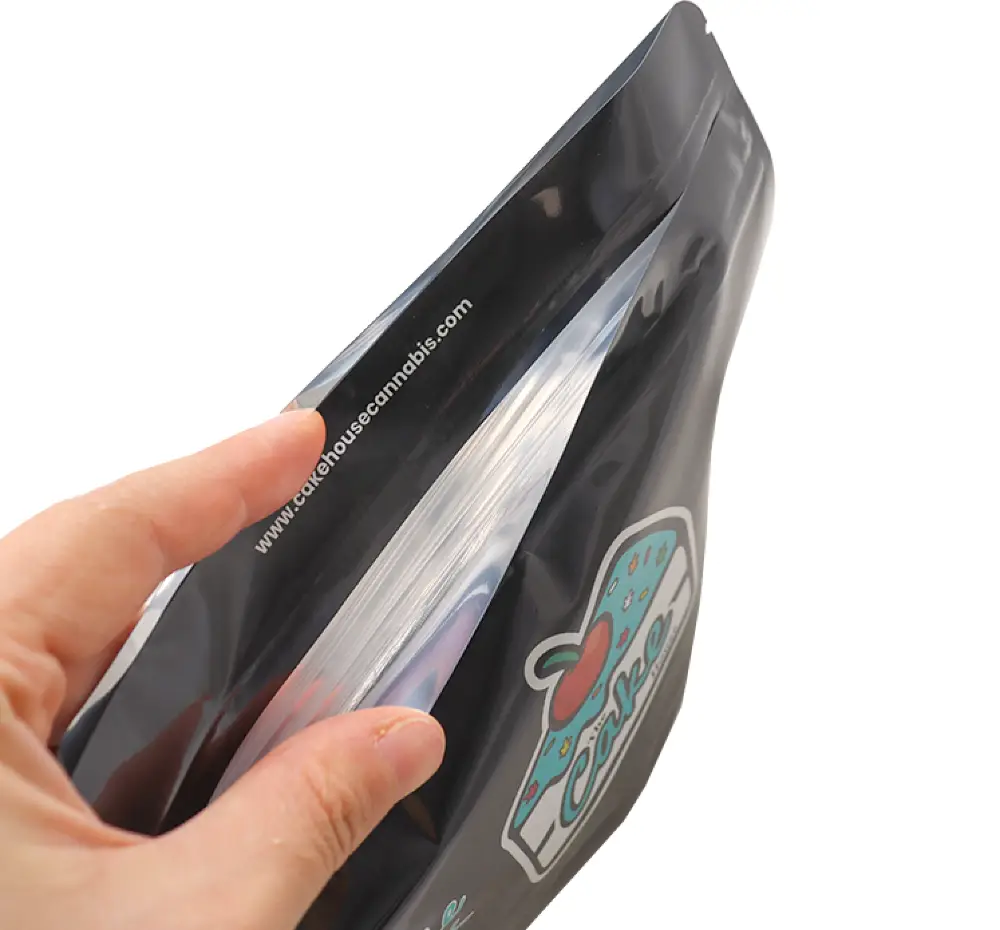
Child-safe closures exist to keep curious little hands out of products that aren't meant for them. But they do double duty. A well-engineered pouch also shields your product from moisture, oxygen, and UV light.
Working with brands across North America, we've found that the most common mistake is treating safety and freshness as separate problems. They're the same problem. The same seal that resists a toddler also seals out the air that degrades your product.
Get this wrong and you face two costs: a compliance headache and a shorter shelf life. Get it right and one packaging decision solves both.
Understanding U.S. Compliance Before You Order
In the United States, child-resistant packaging is governed by the Poison Prevention Packaging Act, enforced by the Consumer Product Safety Commission. The testing protocol, known as 16 CFR 1700.20, uses real panels of children and adults.
Here's the benchmark that matters. Learning how to choose CPSC compliant child resistant packaging means understanding the pass rate: at least 80% of children under five must fail to open the package within ten minutes, while 90% of adults must be able to open and reseal it.
Because we hold FDA and ISO 22000 certifications, we recommend confirming a supplier's test reports up front. A certificate should name the specific closure design that was tested, not a generic claim.
Disclaimer: Cannabis remains regulated at the state level. This guidance applies to states where such products are legal, and our child-resistant closures carry the relevant certification. Always confirm requirements with your local regulatory body.
Matching Packaging to Your Product Type
Not every safety format fits every product. A gummy has different needs than a dropper bottle or a bag of flower. Let's break down the practical options.
For Edibles and Gummies
Chewy, sugary products are moisture magnets. They absorb humidity, clump together, or dry out fast. The best child resistant packaging options for edibles pair a resealable zipper with a high-barrier film that locks moisture out.
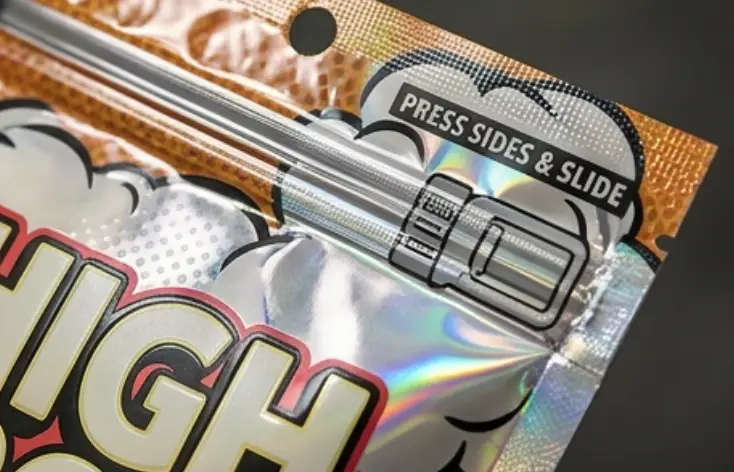
A press-to-close child-safe zipper is popular because it reseals after every use, keeping texture intact between servings.
For Capsules, Powders, and Supplements
Dry formats care most about oxygen and light. Figuring out how to choose child resistant packaging for supplements usually points to a stand-up pouch with a foil layer and a locking closure. The foil blocks air that oxidizes active ingredients.
Our in-house design team often helps brands who only have a rough idea of what they need, mapping fill weight and dosage count to the right pouch size and closure strength.
For Flower and Concentrates
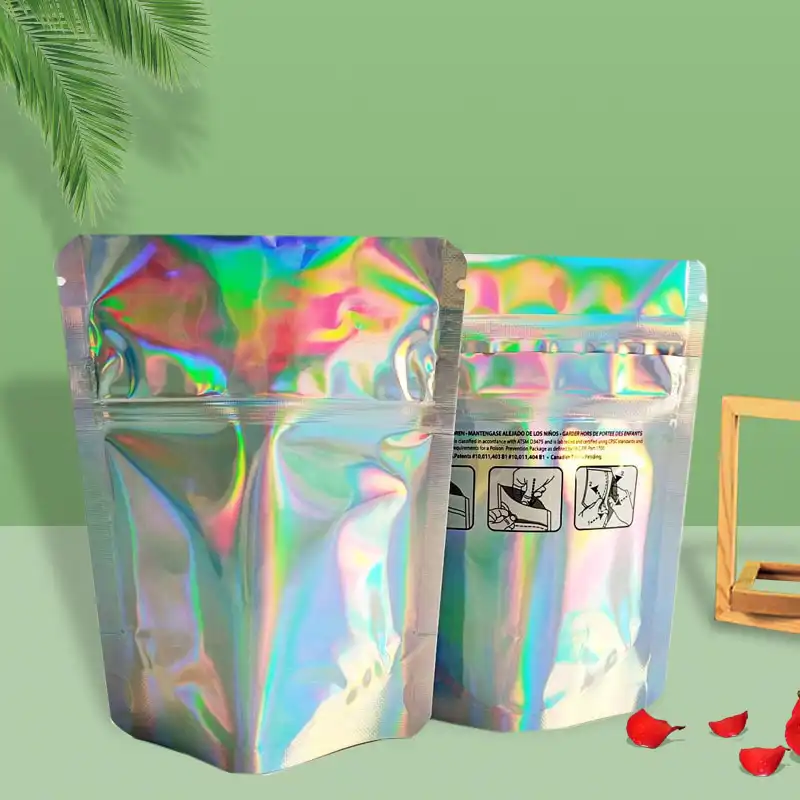
This is where mylar shines. When you're deciding how to select child resistant packaging for cannabis products, mylar film is the workhorse for good reason. It's a metalized barrier that stops light, moisture, and oxygen from reaching the contents.
Light degrades potency and aroma. Air dries out delicate material. A mylar pouch with a child-safe zipper keeps the product fresh while staying fully compliant.
For Tinctures and Liquids
Dropper bottles and liquid formats lean on push-and-turn caps rather than pouches. When choosing child resistant packaging for pharmaceuticals in liquid form, the cap mechanism does the heavy lifting, so certification of that closure is your priority.
Why Mylar Deserves a Closer Look
Since mylar comes up constantly for potency-sensitive products, it's worth understanding what makes the material perform. It's not just a shiny bag — it's a layered structure engineered for protection.
- Moisture defense: The metalized layer blocks humidity that causes clumping and mold.
- Light blocking: Opaque films stop UV rays from breaking down sensitive compounds.
- Oxygen barrier: A tight seal slows the oxidation that fades aroma and freshness.
- Child-safe locks: Certified zippers integrate directly into the pouch.
- Design freedom: The surface prints beautifully, so branding is limited only by your imagination.
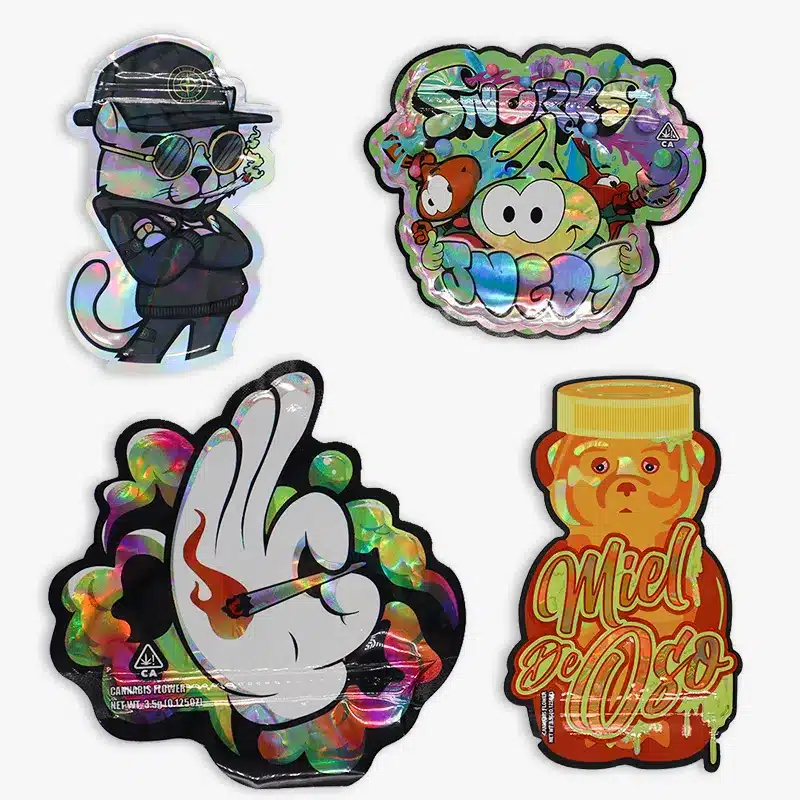
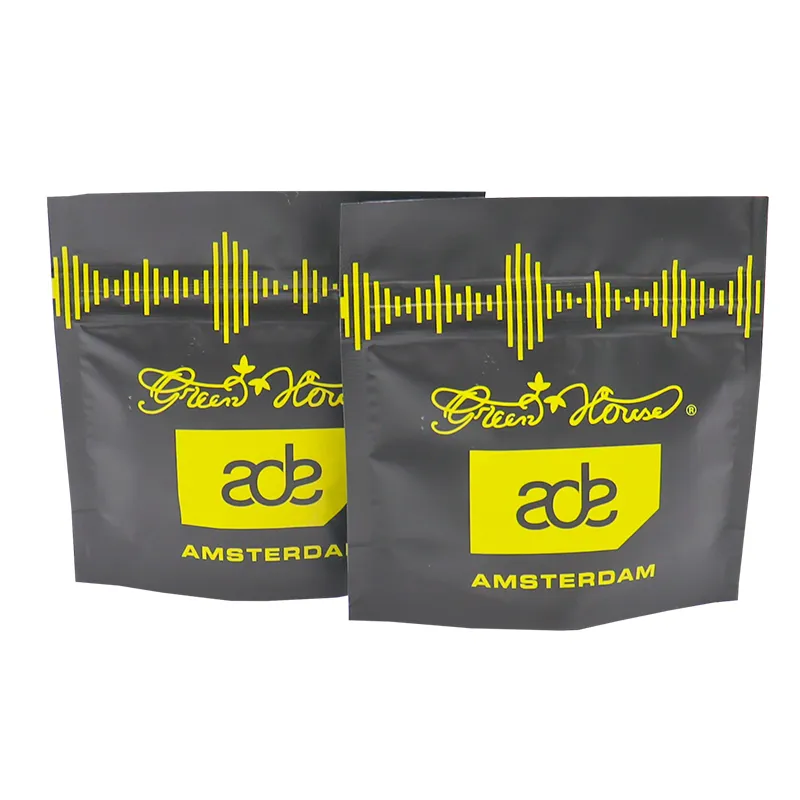
That last point matters more than people expect. A protective pouch doesn't have to look industrial. Custom finishes, matte or gloss, bold color, or clear windows all sit comfortably on a high-barrier film.
Comparing Common Closure Types
The closure is the heart of any safe package. Here's how the main mechanisms stack up across the factors buyers ask about most.
| Closure Type | Best For | Resealable | Adult Ease of Use | Typical Barrier Level |
|---|---|---|---|---|
| Press-to-close CR zipper | Edibles, flower, powders | Yes | High | Excellent with foil/mylar |
| Slider with lock | Larger pouches, bulk servings | Yes | Very high | Good to excellent |
| Push-and-turn cap | Tinctures, capsules in bottles | Yes | Moderate | Depends on bottle |
| Tear-notch + heat seal | Single-dose, tamper evidence | No | N/A (single use) | Excellent |
Notice the tradeoff: single-use seals offer the tightest barrier but no resealing, while zippers balance freshness with everyday convenience. Your usage pattern decides the winner.
The Barrier Question: Reading the Numbers
Barrier performance is measured in transmission rates. Two figures come up: oxygen transmission rate (OTR) and moisture vapor transmission rate (MVTR). Lower numbers mean better protection.
Here's a simplified comparison of common pouch materials so you can see why film choice drives shelf life.
| Material Structure | Relative MVTR | Light Blocking | Common Use |
|---|---|---|---|
| Clear PET/PE | Moderate | None | Short shelf-life items |
| Metalized film | Low | High | Snacks, powders |
| Foil laminate (mylar) | Very low | Complete | Potency-sensitive products |
As a manufacturer that has produced packaging for 20+ years, we've seen products lose months of shelf life simply because a brand picked a clear film to show off color. If freshness is the priority, a foil structure almost always wins.
A Practical Checklist Before You Commit
Before signing off on a production run, walk through this list. It catches the issues that surface too late otherwise.
- Does the closure carry documented certification for the exact design ordered?
- Does the barrier match your product's moisture and light sensitivity?
- Have you held a physical sample and tested opening and resealing?
- Does the size fit your fill weight without excess headspace?
- Is there room for required warning labels and lot codes?
- Does the finish support your branding and shelf presence?
Skipping the sample step is the error we see most. A spec sheet can't tell you how a closure feels in the hand or whether your team can seal it efficiently at fill time.
Why Samples Matter More Than Spec Sheets
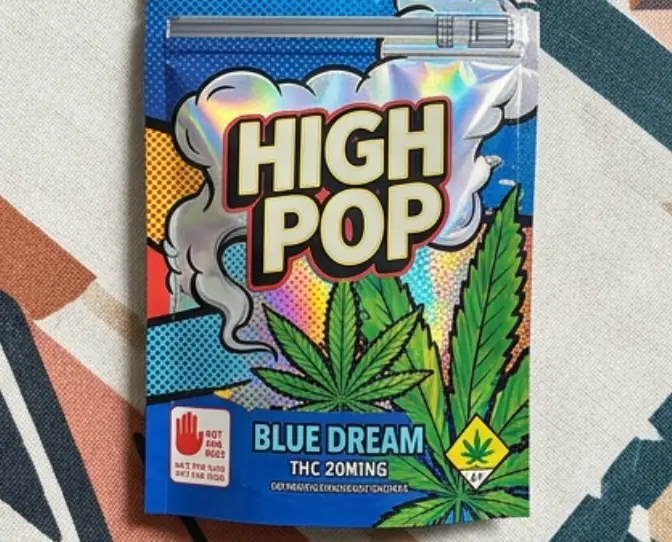
You wouldn't buy a car without a test drive. Packaging deserves the same scrutiny. A sample reveals seal strength, print quality, and how intuitive the child-safe mechanism really is.
Founded in 2005, YLTPACK offers free samples so you can test before you invest. We build to your specifications, and because our closures carry the relevant child-safety certification along with ISO 22000 and FDA credentials, you can verify performance rather than take it on faith.
Reach out at WhatsApp+86 182 1944 5665,[email protected] to request samples matched to your product format.
Balancing Compliance, Protection, and Brand Appeal
The strongest packaging decision serves three masters at once: it keeps children safe, keeps the product fresh, and makes your brand look sharp on the shelf. These goals don't compete when the material is chosen well.
Think of it as a stool with three legs. Drop any one and the whole thing wobbles. A gorgeous pouch that fails a safety test is useless. A safe pouch that lets product go stale burns repeat customers.
The good news is that modern films let you have all three. Custom printing sits happily on high-barrier structures, so you never have to trade protection for personality.
Key Takeaways
Choosing safety packaging isn't about finding one perfect product — it's about matching format, barrier, and certified closure to what you actually sell. Start with your product's sensitivities, confirm compliance, and always test a real sample.
For potency-sensitive goods, foil and mylar structures deliver the barrier that keeps quality intact, while certified zippers handle safety and resealing in one stroke. Pair that with custom branding and you've solved compliance, freshness, and shelf appeal together.
The brands that get this right treat packaging as a strategic decision, not an afterthought. Do the same, and your product arrives fresh, compliant, and unmistakably yours.
Frequently Asked Questions
What certification should I look for in child-safe packaging?
Look for documentation that the specific closure design passed the CPSC protocol under 16 CFR 1700.20. The certificate should name the tested design, not make a generic claim. Ask your supplier for the actual test report.
Does mylar really block light and moisture better than clear film?
Yes. Foil-based mylar structures have very low moisture transmission and block light completely, while clear films offer little protection. That's why potency-sensitive products almost always use metalized or foil laminates.
Can child-resistant pouches still be resealable?
Absolutely. Press-to-close and slider closures with locking mechanisms reseal after every use while still meeting safety standards. This keeps products fresh between servings without sacrificing compliance.
Can I customize the look of safety packaging?
You can. High-barrier films accept custom printing, finishes, colors, and windows. Protective performance and eye-catching design coexist, so branding is limited mainly by your creative direction.
How do I get samples before placing an order?
Request them directly from your manufacturer. Jmeipacking provides free samples built to your product specifications, so you can test seal strength, barrier, and the safety closure firsthand before committing to a run. Email [email protected] to start.