Why This Simple Pouch Design Dominates Modern Packaging
Over the past two decades, we at YLTPACK have produced millions of these flat pouches for brands ranging from local startups to established retailers across North America and Europe. In that time, we've seen this format evolve from a basic wrapper into a canvas for branding, sustainability, and consumer experience. Let's explore the ten most impactful ways brands are using this packaging style today.
1. Single-Serve Coffee and Tea Sachets
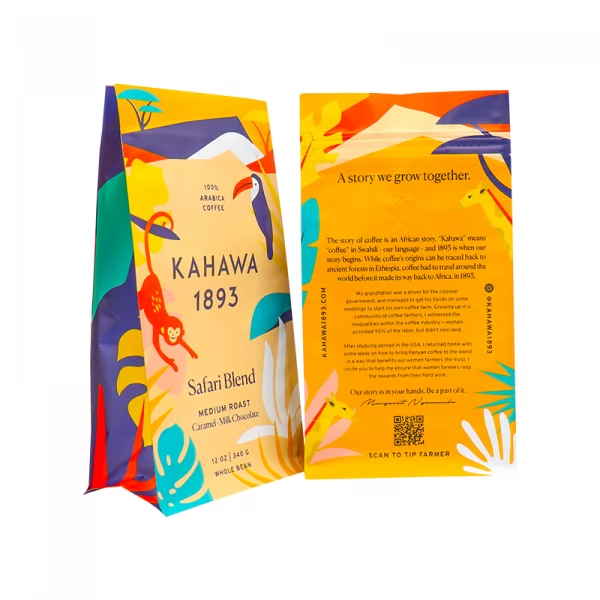
Specialty coffee brands obsess over one thing: keeping oxygen away from ground beans. A heat seal pouch with proper barrier layers locks in aromatic compounds that would otherwise degrade within hours of grinding. This is why so many roasters choose this format for their single-serve drip bags and sample packs.
The flat profile also stacks beautifully in subscription boxes — a detail that matters more than most people realize when you're shipping thousands of units monthly. Because we hold FDA and ISO 22000 certifications, we recommend food-grade aluminum foil laminates for coffee applications where freshness is non-negotiable.
2. Snack Foods and Dried Goods
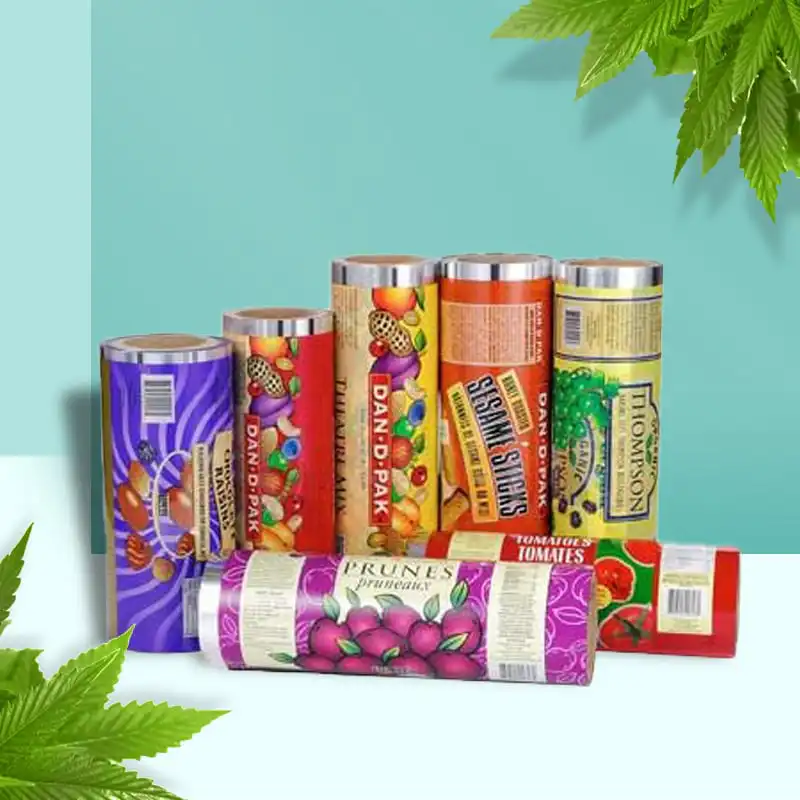
From beef jerky to dried mango slices, the three side seal bag format handles snack packaging with zero wasted space. Unlike gusseted alternatives, this flat design lies flush on retail shelves and hangs neatly on peg hooks — giving brands two merchandising options from a single SKU.
Key considerations for snack brands:
- Grease resistance for nut-based products
- Puncture resistance for items with sharp edges (like granola clusters)
- Clear windows to showcase product color and texture
- Tear notches positioned for easy one-handed opening
Working with brands across North America, we've found that the most common mistake is choosing a film that's too thin for the product weight. A 120-micron laminate works for lightweight items, but heavier dried fruits need 150 microns or more to avoid burst seals during transit.

3. Cosmetics and Skincare Samples
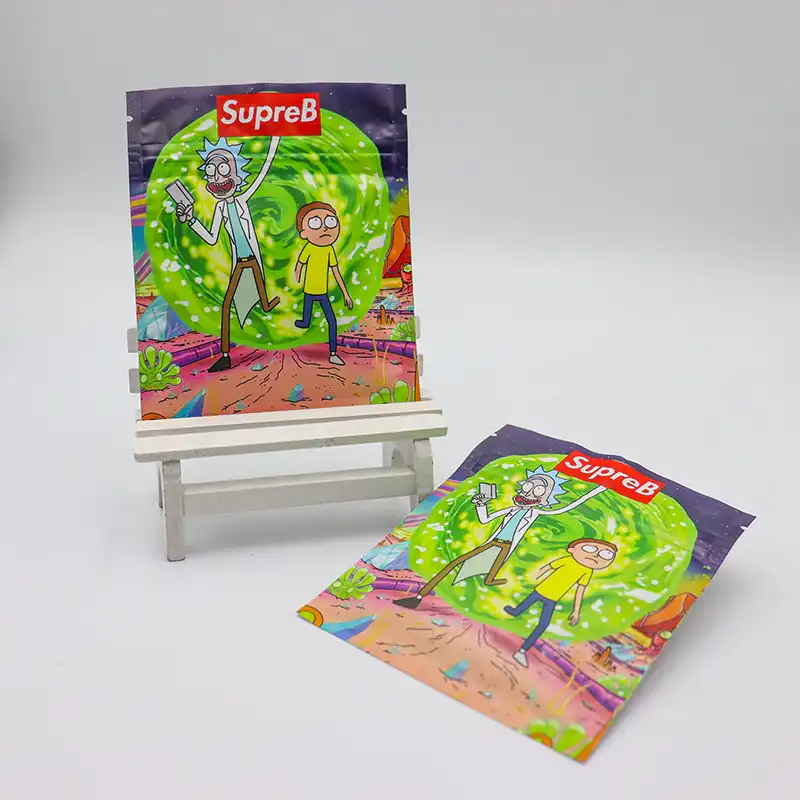
The Instagram unboxing era changed how beauty brands think about packaging. A custom printed pouch with metallic finishes, soft-touch coatings, or holographic accents turns a simple sample into a shareable moment. Flat pouches offer maximum print surface relative to their size — every square centimeter becomes a billboard for your brand.
For skincare specifically, barrier protection matters just as much as aesthetics. Active ingredients like retinol and vitamin C degrade when exposed to light and moisture. Our in-house design team often helps brands who only have a rough idea of their artwork translate it into print-ready files optimized for flexible film substrates.
4. Pharmaceutical and Supplement Packaging
When patient safety is on the line, packaging can't be an afterthought. This format provides tamper-evident seals on all three edges, making unauthorized access immediately visible. That's a critical feature for single-dose medications, nutraceutical powders, and vitamin packs.
Compliance requirements in this space are stringent. You need:
- Child-resistant options for certain formulations
- Lot number and expiration date printing capabilities
- Moisture barrier testing documentation
- Full traceability from raw material to finished pouch
In our 6,800㎡ cleanroom facility, we maintain the contamination controls that pharmaceutical clients require — something that's difficult for smaller converters to offer without significant infrastructure investment.
5. Pet Food and Treat Packaging
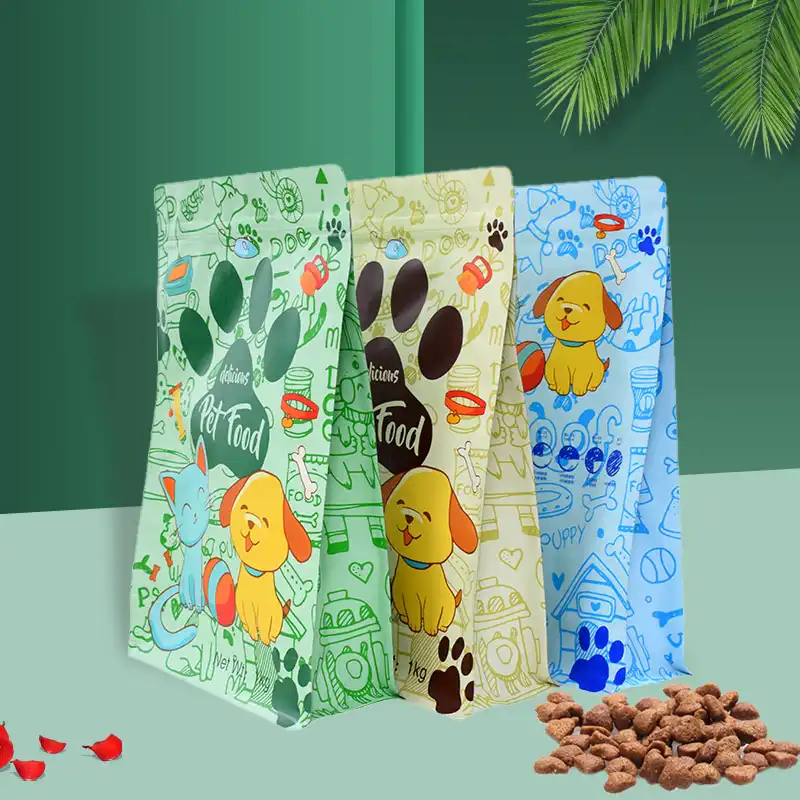
Pet owners today read ingredient labels as carefully for their animals as they do for themselves. Transparent panels, clean typography, and clear nutritional callouts build trust with this audience. The flat pouch format gives pet brands ample space to communicate ingredient sourcing and nutritional benefits without cluttering the design.
For treats specifically, resealable zipper additions keep products fresh between uses — a practical detail that pet parents genuinely appreciate. The lightweight, flexible structure also reduces shipping costs compared to rigid containers, which matters when you're distributing across multiple retail channels.
6. Seed and Garden Product Packaging
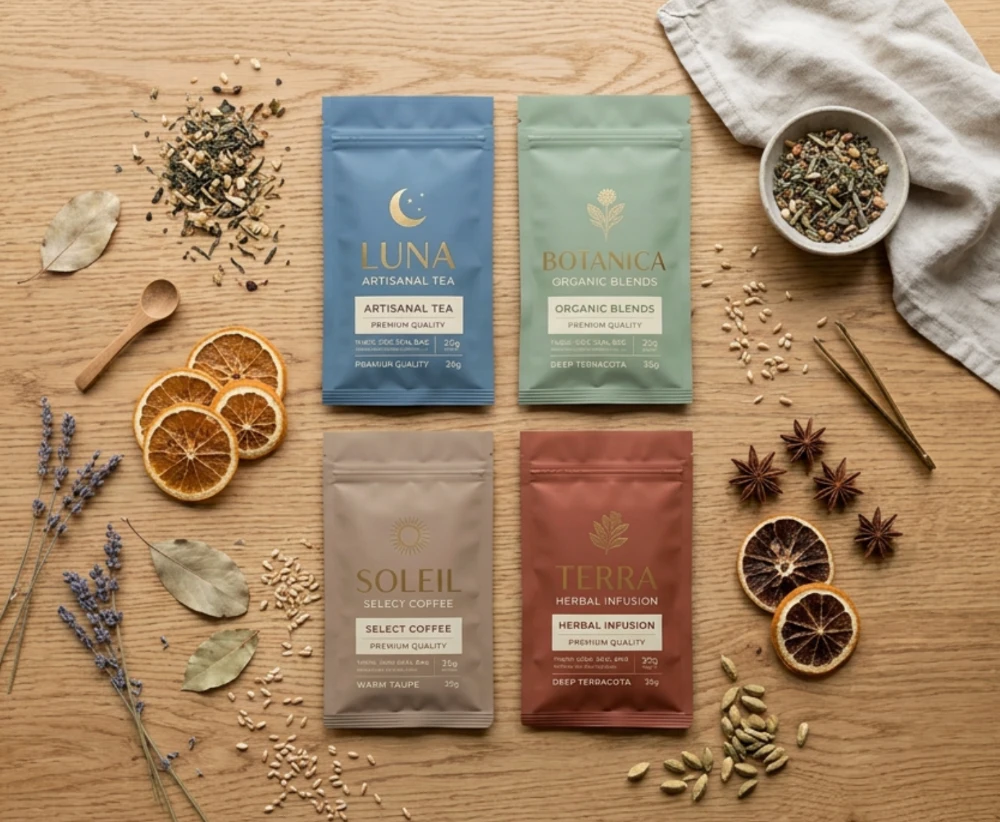
Moisture is the enemy of seed viability. A well-constructed flat pouch packaging solution with aluminum or EVOH barrier layers keeps humidity out and extends shelf life significantly. This is especially important for premium heirloom seeds that retail at higher price points and sit on garden center shelves for months.
The generous front panel allows for detailed planting instructions, growing zone maps, and vivid botanical photography — all of which help garden enthusiasts make purchase decisions without needing to pick up the package.
7. Electronics and Hardware Components
Anti-static versions of this pouch format protect sensitive electronic components during storage and shipping. Think USB drives, replacement phone screens, earbuds, and small circuit boards. The format conforms tightly around irregular shapes, reducing movement and potential damage during transit.
For hardware brands, the comparison often comes down to choosing between this format and pillow-style alternatives. Here's how they differ:
| Feature | Three-Side Sealed Format | Pillow Style |
|---|---|---|
| Seal integrity | Three independent seals | One back seal + two end seals |
| Print area | Full front and back panels | Wrap-around (seam interrupts design) |
| Shelf presentation | Lies flat, hangs on pegs | Rounded shape, harder to stack |
| Best for | Flat or small items | Bulkier products needing volume |
| Cost efficiency | Less material waste per unit | Faster on automated fill lines |
This comparison between a 3 sided seal pouch vs pillow pouch is one of the most frequent questions we hear from brands scaling up their packaging operations. The right choice depends on your product shape, fill speed requirements, and retail display strategy.
8. Spice and Seasoning Blends
Spice brands face a unique challenge: their products are lightweight but incredibly aromatic. Without proper barrier films, volatile oils escape through the packaging material itself, leaving customers with a product that's lost its punch before it's even opened.
The material options available for this format include PET/AL/PE laminates that offer virtually zero oxygen transmission. For brands exploring 3 side seal pouch material options, here's a quick reference:
| Material Structure | Barrier Level | Ideal Application |
|---|---|---|
| PET/PE | Basic | Dry goods, low-fat snacks |
| PET/VMPET/PE | Medium | Spices, tea, light-sensitive items |
| PET/AL/PE | High | Coffee, pharmaceuticals, oils |
| Kraft/AL/PE | High + natural aesthetic | Organic brands, artisan products |
| PLA/PBAT compostable | Moderate | Eco-conscious brands |
As a manufacturer that has produced packaging for 20+ years, we always recommend starting with your product's specific sensitivity profile rather than defaulting to the highest barrier available. Over-engineering adds cost without adding value.
9. Cannabis and CBD Products
Regulatory compliance drives nearly every packaging decision in this category. Child-resistant closures, opaque materials to block light, and compliant labeling areas are baseline requirements in most markets. The sealed flat format accommodates all of these needs while maintaining a premium look.
According to a 2025 Flexible Packaging Association report, cannabis brands are among the fastest-growing adopters of flexible packaging solutions, driven by both regulatory pressure and consumer demand for discreet, portable formats. Matte finishes with spot UV accents have become a signature aesthetic in this segment — something that prints exceptionally well on flat film surfaces.
10. Promotional Kits and Multi-Pack Inserts
Beyond product packaging, brands use this format creatively for welcome kits, event giveaways, and subscription box inserts. A custom printed 3 sided seal pouch carrying a sample, a discount card, or a branded accessory feels intentional and premium — far more elevated than dropping loose items into a mailer box.
Startup brands especially benefit here. Low minimum order quantities (compared to rigid packaging) make it feasible to test marketing concepts without committing to enormous production runs. It's an accessible way to look established before you actually are.
Choosing the Right Format for Your Product
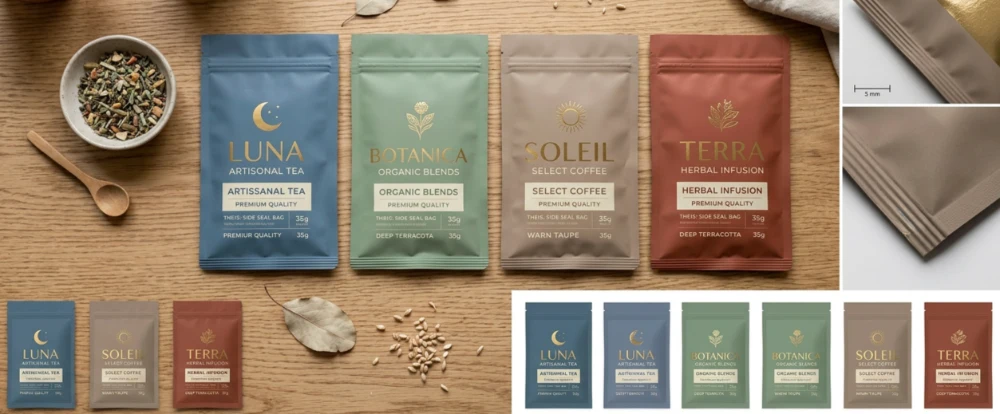
Not every product needs this exact format. But if your item is relatively flat, weighs under 500 grams, and benefits from strong shelf visibility, it's worth serious consideration. Here's a decision framework we use when consulting with new brand partners:
- Product shape: Flat or thin items fit naturally. Bulky items may need stand-up alternatives.
- Retail environment: If you need peg-hangable or lay-flat display, this format excels.
- Branding priority: Maximum uninterrupted print surface on both sides.
- Budget stage: Lower tooling and material costs make this ideal for early-stage brands.
- Barrier needs: Available in virtually every film structure for any sensitivity level.
For brands sourcing from a 3 side seal pouch manufacturer wholesale, the key questions to ask aren't just about price — they're about consistency, certification, and communication speed. Can the factory provide FDA-compliant food grade pouches? Do they have an in-house design team? What's their defect rate?
What About Sustainability?
The flexible packaging industry is moving rapidly toward mono-material recyclable structures and compostable films. YLTPACK has invested in PCR (post-consumer recycled) film options and plant-based laminates that maintain barrier performance while reducing virgin plastic use.
If sustainability is central to your brand story, look for suppliers who can provide GRS (Global Recycled Standard) certified materials. It's one thing to claim "eco-friendly" — it's another to back it with third-party certification. We hold GRS certification specifically to give our clients that documentation when their retail partners or consumers ask hard questions.
Getting Started With Your Packaging Project
Whether you're launching a new product or refreshing existing packaging, the process doesn't have to be complicated. Most successful projects follow this path:
- Define your product's physical properties and sensitivity requirements
- Choose the right barrier structure based on shelf-life goals
- Develop artwork (or collaborate with a supplier design team)
- Request physical samples before committing to full production
- Confirm certifications align with your distribution markets
If you're exploring a 3 sided seal pouch for food packaging specifically, make sure your supplier can provide migration testing reports and compliance documentation for your target markets (FDA for the US, EU 10/2011 for Europe).
Ready to discuss your project specifics? Reach out to YLTPACK directly:
- WhatsApp: +86 182 1944 5665
- Email: [email protected]
Frequently Asked Questions
What is the minimum order quantity for custom flat pouches?
Minimums vary by supplier, but reputable manufacturers typically start at 10,000–20,000 units for fully custom printed orders. Smaller runs are sometimes possible with digital printing, though unit costs increase. At YLTPACK, we work with brands at various scales and can advise on the most cost-effective approach for your volume.
How do I choose between matte and glossy finishes?
Matte finishes convey a premium, artisanal feel and resist fingerprints — ideal for cosmetics and specialty food. Glossy finishes pop on retail shelves and work well for snacks and bold brand identities. Soft-touch matte with spot gloss accents combines both effects and is currently trending across multiple product categories.
Can these pouches be used for liquid or semi-liquid products?
Yes, with the right seal strength and film thickness. Sauces, honey, oils, and gel products all work well in this format. The key is ensuring seal integrity under pressure — which requires testing with your actual product during the sampling phase. Thicker PE inner layers (80 microns or more) prevent seal contamination from oily contents.
What's the typical production timeline from artwork approval to delivery?
For standard orders, expect 15–25 days from final artwork approval to shipment. This includes plate-making, printing, laminating, curing, slitting, and bag-making. Rush orders may be possible depending on factory capacity. Shipping transit adds 5–7 days for air freight or 25–35 days for sea freight to most international destinations.
Are compostable or recyclable versions available in this format?
Absolutely. Mono-material PE and PP structures are widely recyclable in existing streams. Compostable options using PLA and PBAT films are also available, though they offer slightly lower barrier performance. The trade-off is worth it for brands whose customers prioritize environmental credentials — just make sure to test shelf-life with your actual product before committing to full production volumes.