Short answer first: a three-side seal pouch is a flat, flexible bag sealed on three of its four edges, leaving the top open for filling and later closing. It's one of the simplest and most cost-efficient flexible packaging formats out there, which is exactly why you see it wrapping everything from single-serve coffee to face masks. If you've been wondering what is 3 side seal pouch technology all about, this guide walks you through when it shines, when it doesn't, and how to spec one that actually fits your product.
The Quick Definition (No Engineering Degree Required)
Picture a flat envelope. Two layers of film are placed together, then bonded along the left edge, the right edge, and the bottom. The fourth side stays open so your product can slide in. After filling, that final edge gets sealed too.
Because the structure is flat, it lies neatly in a stack and takes up almost no room before it's filled. That flat profile is the whole personality of this format. It's slim, tidy, and easy to run at high speed on packaging lines.
You'll also hear it called a "three-edge seal" or "flat pouch." Same thing, different names on the spec sheet.
What a Three-Side Seal Pouch Is Actually Used For
This is usually the first thing buyers ask, so let's answer it head-on. Understanding what is 3 side seal pouch used for comes down to one word: lightweight products that don't need to stand on a shelf.
Common homes for this format include:
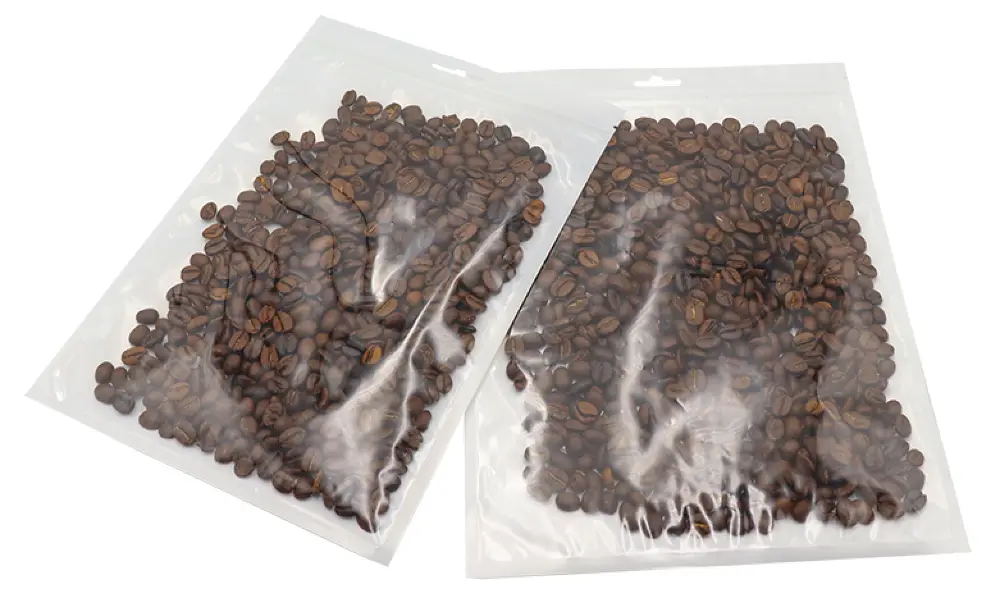
- Single-serve coffee and tea sachets
- Spice blends, seasoning, and drink mixes
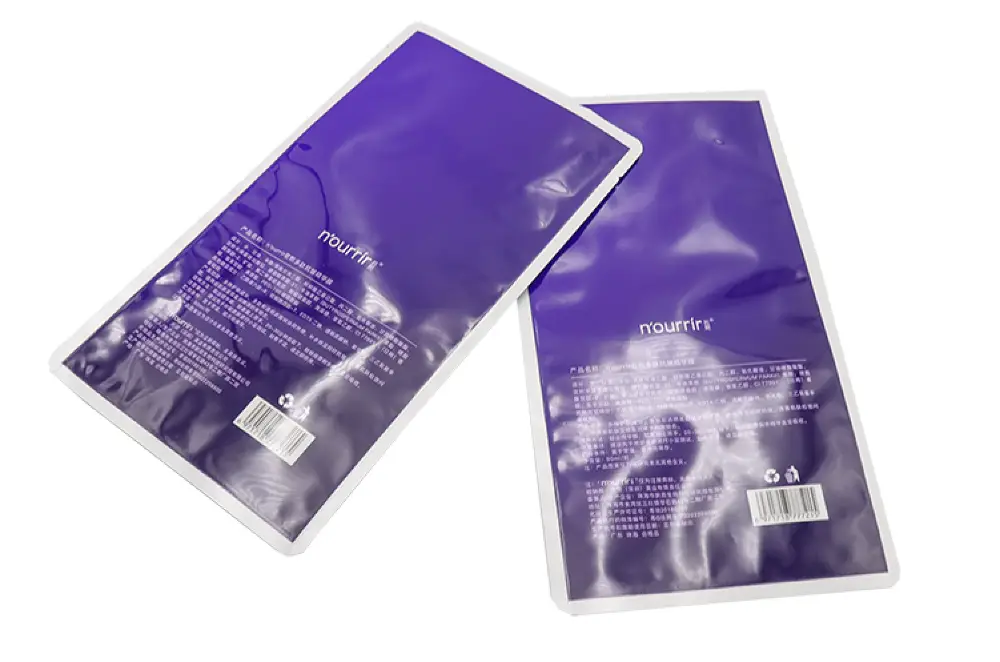
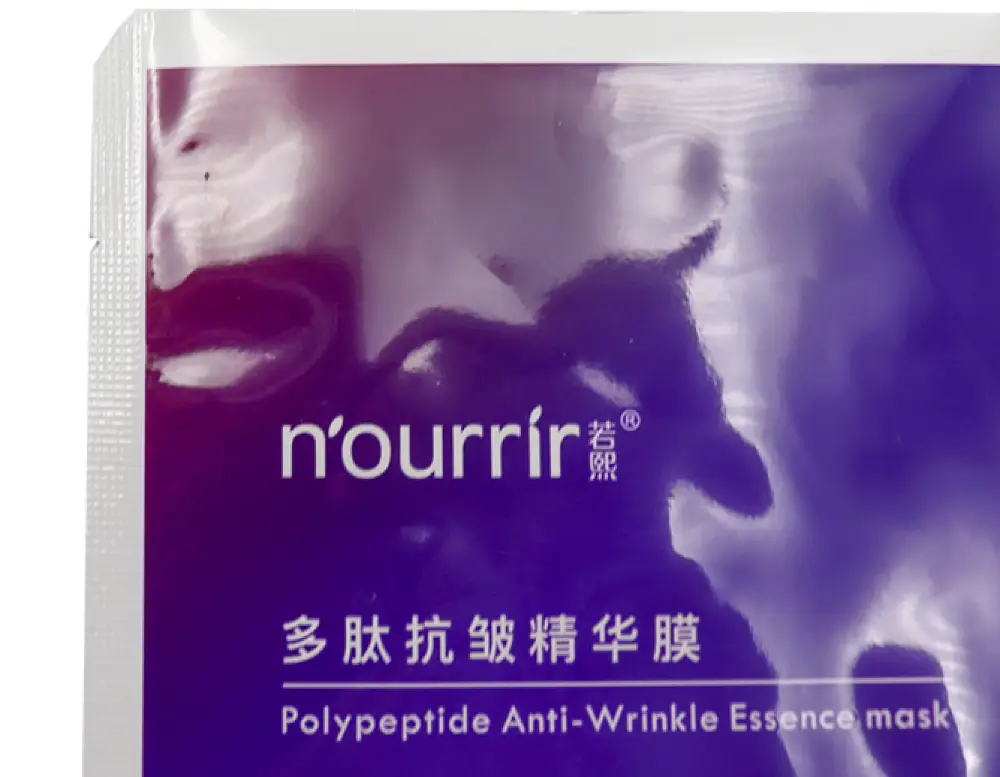
- Cosmetic samples, sheet masks, and skincare sachets
- Snacks, jerky strips, and dried fruit
- Supplements, powders, and nutrition pouches
- Wet wipes and small personal-care items
- Hardware, electronic accessories, and small parts
The pattern? These are typically flatter, lighter items sold in smaller portions. When the goal is a clean, low-cost pack that looks sharp and ships flat, this is the workhorse.
How These Flat Pouches Are Made
If you're curious about how to make 3 side seal pouch formats at scale, the process is refreshingly straightforward compared to more complex bag styles.
Step by step, simplified
- Film lamination: Two or more layers of film are bonded together to create the right mix of strength, barrier, and printability.
- Printing: Your artwork is applied, usually before the pouch is formed, so the graphics stay crisp.
- Folding or layering: The film is folded or two webs are brought face to face.
- Heat sealing: Three edges are sealed with heated bars. The fourth stays open.
- Cutting: Individual pouches are cut to size, ready to fill.
As a manufacturer that has produced flexible packaging for 20+ years, we've found that the sealing temperature and dwell time matter far more than most brands expect. Get them slightly wrong and you'll see weak seals or wrinkled edges that scare off shoppers.
Three-Side Seal vs Stand-Up Pouch: Which One Fits Your Product?
This is the comparison that trips up a lot of first-time buyers. The debate around 3 side seal pouch vs stand up pouch really comes down to whether your product needs to stand up on a shelf and how much it weighs.
| Feature | Three-Side Seal (Flat) | Stand-Up Pouch |
|---|---|---|
| Shelf presence | Lies flat or hangs | Stands upright |
| Best fill weight | Under ~150 g | Up to 2–5 kg |
| Material cost per unit | Lower | Higher |
| Storage footprint (empty) | Very compact | Bulkier |
| Ideal use | Samples, sachets, single servings | Coffee, pet food, resealable snacks |
The rule of thumb: if your product is light and you want the lowest cost per pack, go flat. If it needs to stand tall on a retail shelf or holds a larger volume, the stand-up style earns its keep. Neither is "better," they just solve different problems.
The Real Benefits (And a Few Honest Trade-Offs)
Let's talk value. The list of 3 side seal pouch packaging benefits is long, but here are the ones that genuinely move the needle for growing brands.
Why buyers love this format
- Lower cost per unit: Less film, simpler construction, faster production.
- Ships and stores flat: Smaller freight volume and warehouse footprint.
- Great print canvas: The flat front is a billboard for your brand.
- Fast line speeds: Simple geometry runs quickly on filling equipment.
- Sample-friendly: Perfect for trial sizes and promotional giveaways.
The honest trade-offs
No format is perfect. Flat pouches don't stand on their own, so they can look less premium on a crowded shelf. They also suit lighter fills, so heavier products may need a sturdier structure. Working with brands across North America, we've found that the most common mistake is choosing a flat pouch for a product that really needed to stand up, then wondering why it looks lost in retail.
Choosing the Best Material for Food Packaging
Material is where the magic (and the shelf life) happens. When clients ask about the best 3 side seal pouch material for food packaging, our answer always starts with a question: what is the product's biggest enemy, oxygen, moisture, light, or grease?
Common film structures and what they protect
| Product Type | Suggested Structure | Main Benefit |
|---|---|---|
| Coffee & tea | PET / Aluminum foil / PE | High oxygen & aroma barrier |
| Snacks & dry goods | PET / VMPET / PE | Moisture & light protection |
| Powders & supplements | PET / AL / PE | Full barrier, long shelf life |
| Cosmetic sachets | PET / AL / PE | Leak resistance & barrier |
| Eco-focused brands | Recyclable mono-PE or kraft/PLA | Lower environmental footprint |
Take coffee as an example. Fresh-roasted beans off-gas carbon dioxide and lose aroma fast, so an oxygen barrier layer isn't optional, it's the difference between "wow" and "stale" in the cup. For sheet masks, the priority flips to leak resistance and light blocking so the serum stays potent.
Because we hold FDA, ISO 9001, ISO 22000, and GRS certifications, we recommend matching your film to the actual barrier need rather than over-spec'ing. Paying for a foil barrier on a product that only needs moisture protection is money you don't need to spend.
Industry Signals Worth Knowing
Flexible packaging keeps gaining ground for a reason. Industry data from 2024 shows flexible formats continuing to take share from rigid packaging, driven by lower shipping weight and a smaller material footprint. For emerging brands, that translates into leaner launch costs and easier fulfillment.
There's also a clear shopper signal here. Buyers increasingly scan the front of the pack for ingredient transparency and clean labels, and a flat pouch gives you generous, uncluttered space to show exactly that. In categories like supplements and better-for-you snacks, that clarity often closes the sale.
How to Spec Your Own Flat Pouch: A Quick Checklist
Ready to move from idea to sample? Run through this before you request a quote.
- Product weight & dimensions: Confirm the fill weight and pouch size.
- Barrier needs: Oxygen, moisture, light, or grease?
- Shelf life target: Weeks, months, or a year-plus?
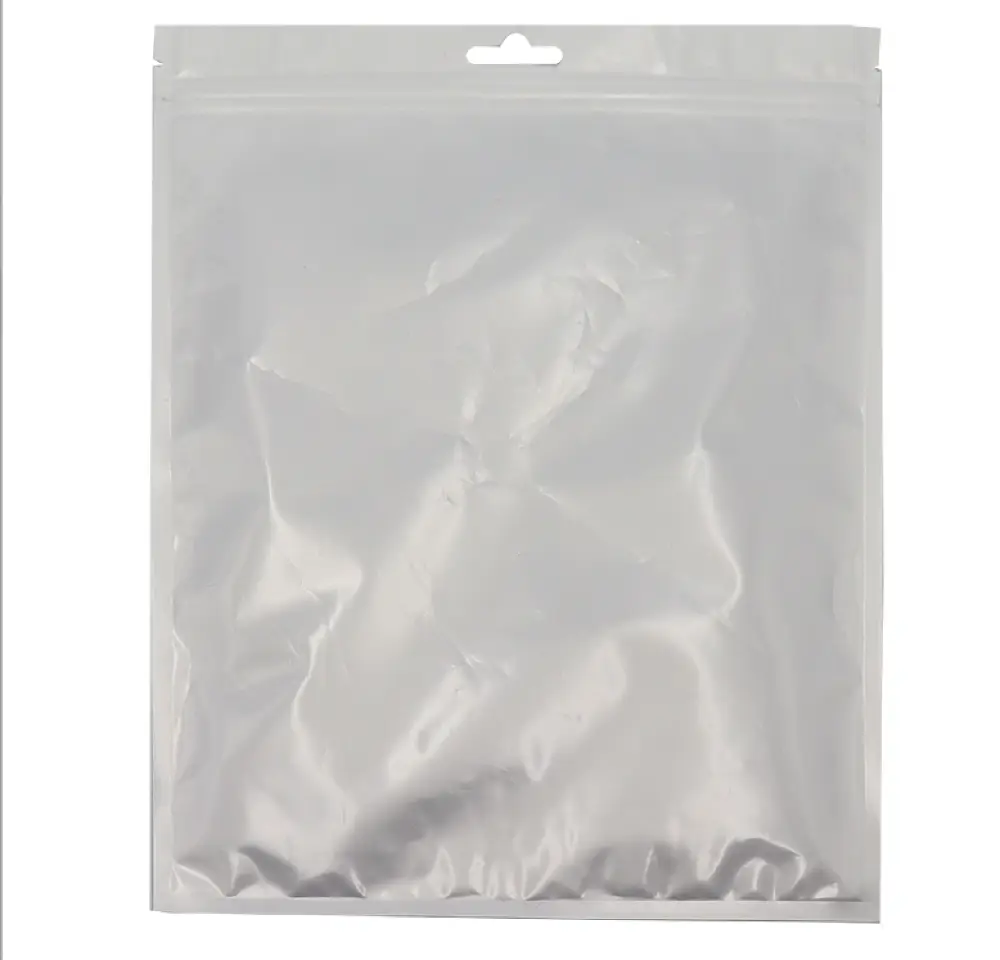
- Add-ons: Tear notch, hang hole, round corners, matte or gloss finish?
- Sustainability goals: Do you need recyclable or bio-based film?
- Artwork readiness: Print-ready files, or do you need design help?
Our in-house design team often helps brands who only have a rough sketch or a Pinterest board, turning that into a print-ready file and a physical sample. And every pouch is produced in our 6,800㎡ cleanroom facility, which keeps food-contact packaging clean from the first layer of film to the final seal.
A tip from experience: order a small pre-production sample and run it through your own filling and sealing setup before committing to a full run. It catches fit and seal issues while they're still cheap to fix.
Working With YLTPACK
Every product has its own quirks, and custom packaging is quoted based on your material, size, and quantity, so there's no one-size price tag here. What we can promise is a straight answer on which format and film actually fit your goals, without pushing you toward more than you need.
If you'd like a second opinion on your packaging plan or a quick sample, the YLTPACK team is easy to reach on WhatsApp at +86 182 1944 5665 or by email at [email protected]. Bring your product details and we'll help you map out the smartest structure.
The Bottom Line
A flat, three-edge sealed bag is the quiet overachiever of flexible packaging: low cost, clean looks, and ideal for lighter, single-serve products. It's not the pick for everything, heavier goods and shelf-standing retail often call for a stand-up style, but for samples, sachets, and slim single servings, it's hard to beat on value. Match the film to your product's real needs, test a sample, and you'll have a pack that protects the product and sells it at the same time.
Frequently Asked Questions
How much product can a flat pouch hold?
Most flat pouches work best under roughly 150 grams. Beyond that, the bag can sag or feel flimsy, and a gusseted or stand-up structure usually serves better. For light powders, sachets, and single servings, this format is right in its sweet spot.
Can these pouches be made resealable?
Yes. A tear notch plus a press-to-close zipper can be added, though zippers are more common on larger stand-up bags. For single-use sachets, most brands skip the zipper to keep costs down, since the pack is opened once and finished.
Are recyclable options available for this format?
They are. Mono-material PE structures and certain kraft or bio-based films can be used while keeping a functional barrier. Recyclability depends on your local collection streams, so it's worth confirming the target market before locking in a structure.
What's the smallest order I can start with?
Minimums vary by material and print method. Custom runs are quoted to your specific size, film, and quantity, so the best move is to share your product details and let us outline realistic options for a first order.
How long does shelf life last with the right film?
With a full barrier structure such as PET/aluminum/PE, dry goods and powders can hold quality for a year or more. Shelf life always depends on the product, fill conditions, and storage, so a barrier test on your actual product is the reliable way to confirm.