Kraft Paper Pouch vs Plastic Pouch: The Quick Answer
Short on time? Here's the honest verdict. If sustainability and shelf appeal top your list, kraft paper wins on perception and end-of-life recyclability. If you need maximum moisture protection, a long shelf life, and rock-bottom weight, plastic still has real advantages.
The truth is that the kraft paper pouch vs plastic pouch decision rarely has one right answer. It depends on your product, your customers, and how far your goods have to travel before they're opened.
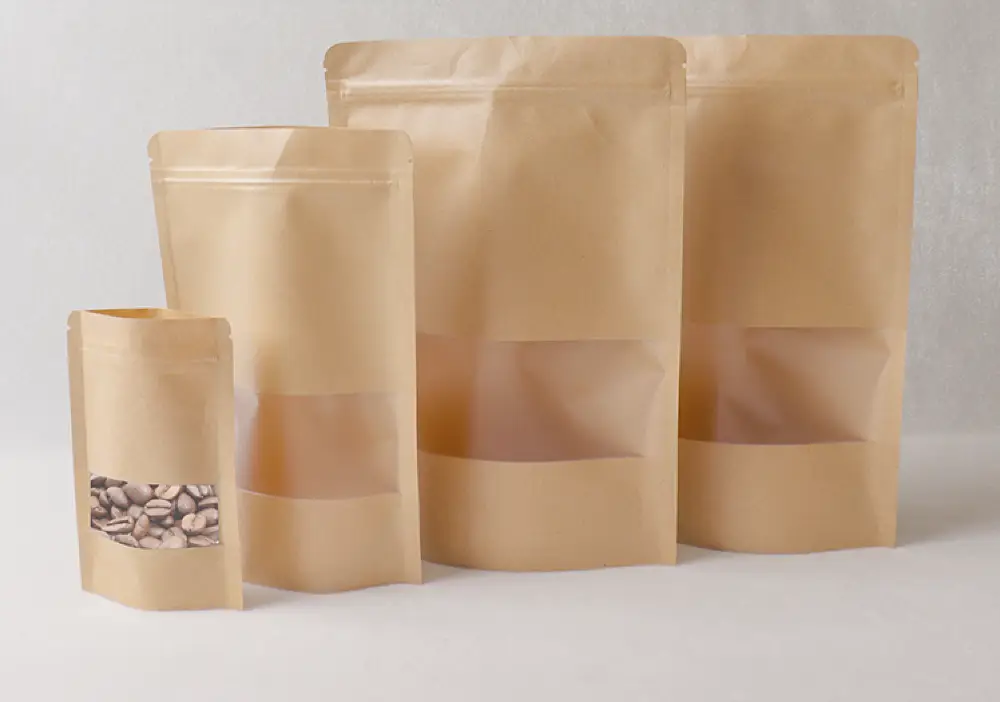
What Are These Two Packaging Options, Really?
Before we compare them, let's clear up what each material actually is. Confusion here leads to a lot of expensive mistakes.
Kraft Paper Pouches
Kraft is a wood-pulp paper known for its strength and that natural, earthy brown look. Most pouches on the market aren't pure paper, though. They're laminated with a thin inner layer, sometimes plant-based, sometimes a slim film, to hold in freshness.
That inner lining matters enormously. It's the difference between a bag that keeps coffee aromatic for months and one that goes stale in weeks.
Plastic Pouches
Plastic pouches usually combine layers like PET, PE, and sometimes aluminum foil. Each layer does a job: strength, sealing, or blocking oxygen and light. The result is a lightweight, flexible package that protects contents remarkably well.
The tradeoff is well known. Multi-layer plastics are hard to recycle, and shoppers increasingly notice.
Are Paper Pouches Actually More Eco-Friendly?
This is the question everyone asks, so let's tackle it head-on. Are kraft paper pouches more eco-friendly than plastic pouches? Usually yes, but with important caveats.
Paper comes from a renewable resource and breaks down far faster in nature. A plain kraft bag can decompose in months, while conventional plastic film can linger for hundreds of years.
Here's the catch. The moment you laminate paper with a non-recyclable film to make it grease- or moisture-proof, its green credentials drop. A mixed-material pouch can be harder to recycle than you'd expect.
Working with brands across North America, we've found the most common mistake is assuming any brown bag is automatically compostable. The lining decides everything.
Because we hold FDA and ISO 22000 certifications, we recommend matching the barrier to the actual product need, not overspec'ing a heavy film that ruins recyclability. Sometimes a lighter, plant-based coating does the job just fine.
Which Protects Your Product Better?
Packaging exists to protect what's inside. On raw barrier performance, plastic still leads, and it's worth understanding why.
Moisture and Oxygen Barriers
Oxygen and moisture are the enemies of freshness. Multi-layer plastic, especially with a foil layer, creates a near-total seal. That's why chips stay crisp and coffee stays fragrant for a long time.
Standard paper is porous by nature. Modern lined kraft has closed much of the gap, but for extremely sensitive products, plastic or foil-lined options still edge ahead.
Physical Durability
Plastic flexes and resists punctures well during shipping. Quality kraft is surprisingly tough too, though it can tear if it gets wet without proper coating.
If you sell coffee, this is where the conversation gets interesting. Aroma retention depends heavily on oxygen barrier and a good one-way degassing valve, which we can build into either material.
Kraft Paper vs Plastic Pouch Cost Comparison
Let's talk money, since it drives most decisions. A proper kraft paper vs plastic pouch cost comparison has to look beyond the sticker to the full picture.
Paper pouches often carry a slightly higher unit cost because of the raw material and lamination steps. Plastic can be cheaper per bag at high volumes. But that's only half the story.
Factor in these hidden costs that shift the math:
- Brand perception: Eco packaging can justify a higher retail price and boost repeat purchases.
- Regulatory fees: Some regions now tax or restrict single-use plastics.
- Waste and returns: A damaged product from poor sealing costs far more than the pouch itself.
- Shipping weight: Lighter plastic can trim freight, though the difference is often small.
We never quote a flat rate, because your specs, order volume, and finishes all move the number. What we can promise is transparency about where every cent goes.
Shelf Life: How Long Will Your Product Stay Fresh?
Shelf life is where many brands get surprised. Let's compare kraft paper pouch shelf life vs plastic pouch performance in plain terms.
For dry, stable goods like nuts, tea, or granola, a well-lined kraft bag holds freshness for months, plenty for most retail cycles. For products sensitive to oxygen, moisture, or light, plastic and foil laminates extend that window considerably.
| Product Type | Lined Kraft Pouch | Multi-Layer Plastic Pouch |
|---|---|---|
| Roasted coffee beans | 4 to 6 months | 9 to 12 months |
| Dry snacks / granola | 6 to 9 months | 9 to 12 months |
| Loose leaf tea | 8 to 12 months | 12 to 18 months |
| Pet treats | 4 to 6 months | 8 to 12 months |
These ranges are typical estimates based on standard barrier specs as of 2026; your actual results depend on the product, coating, and storage. In our 6,800㎡ cleanroom facility, we can test barrier configurations before you commit to a full run.
How Each Option Looks on the Shelf
Never underestimate first impressions. The look of your packaging shapes whether a shopper reaches for it.
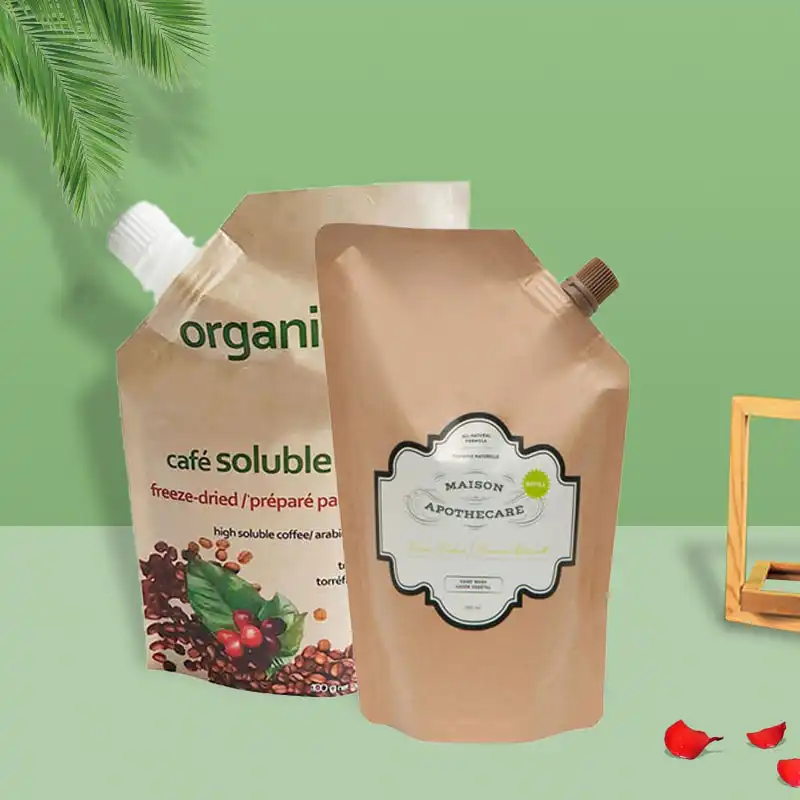
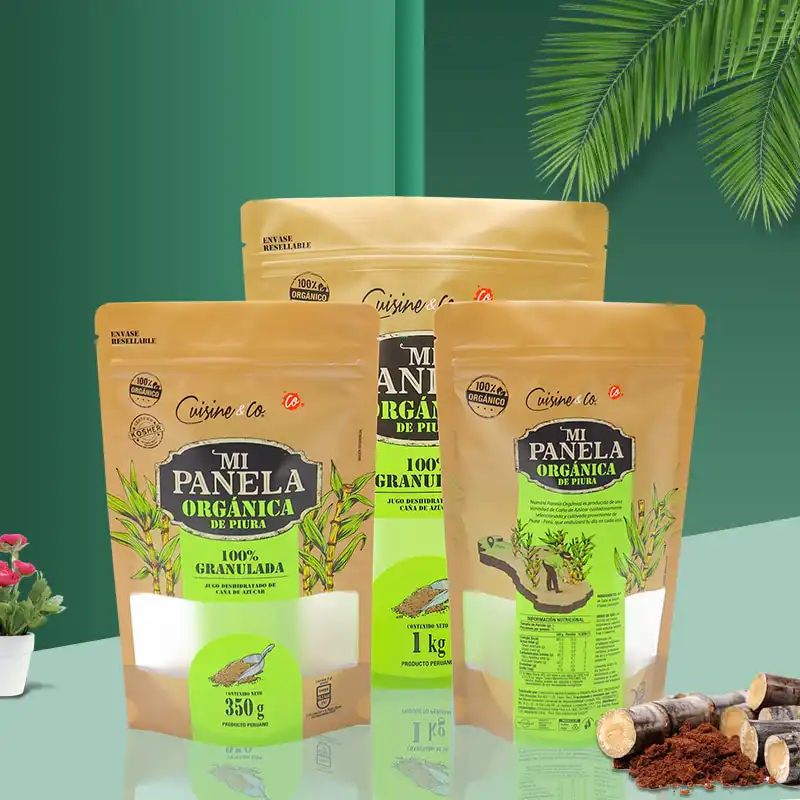
Kraft brings a warm, natural, handcrafted feel. It signals "wholesome" and "small-batch," which is gold for organic foods, artisan coffee, and clean-label products.
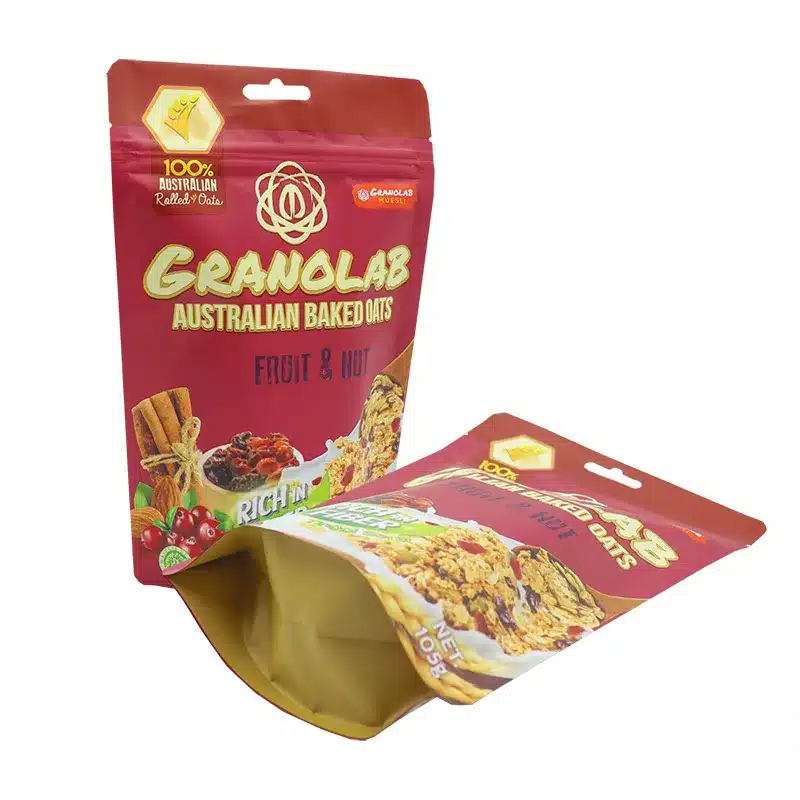
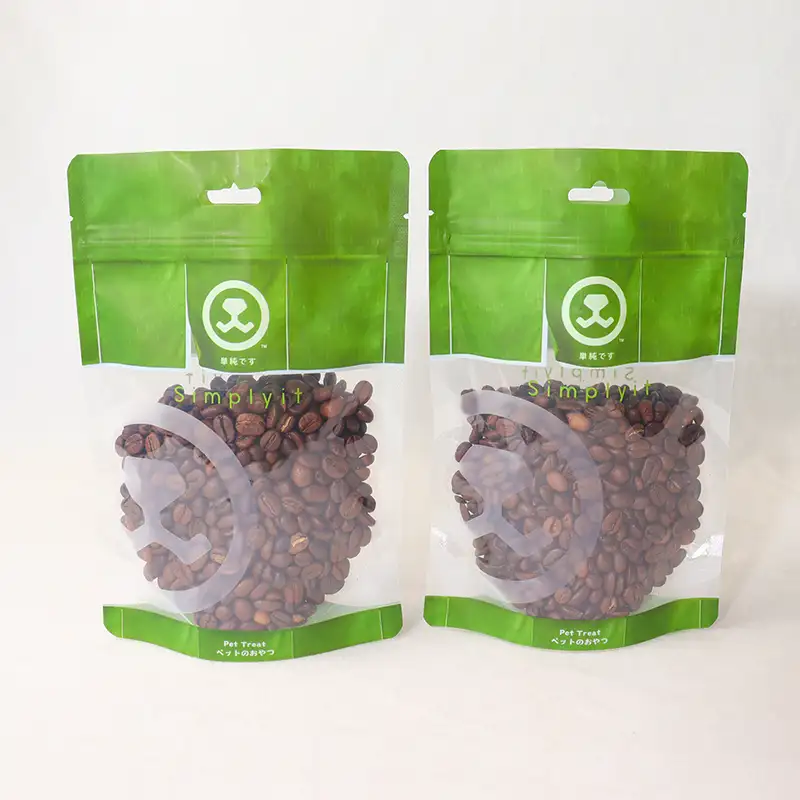
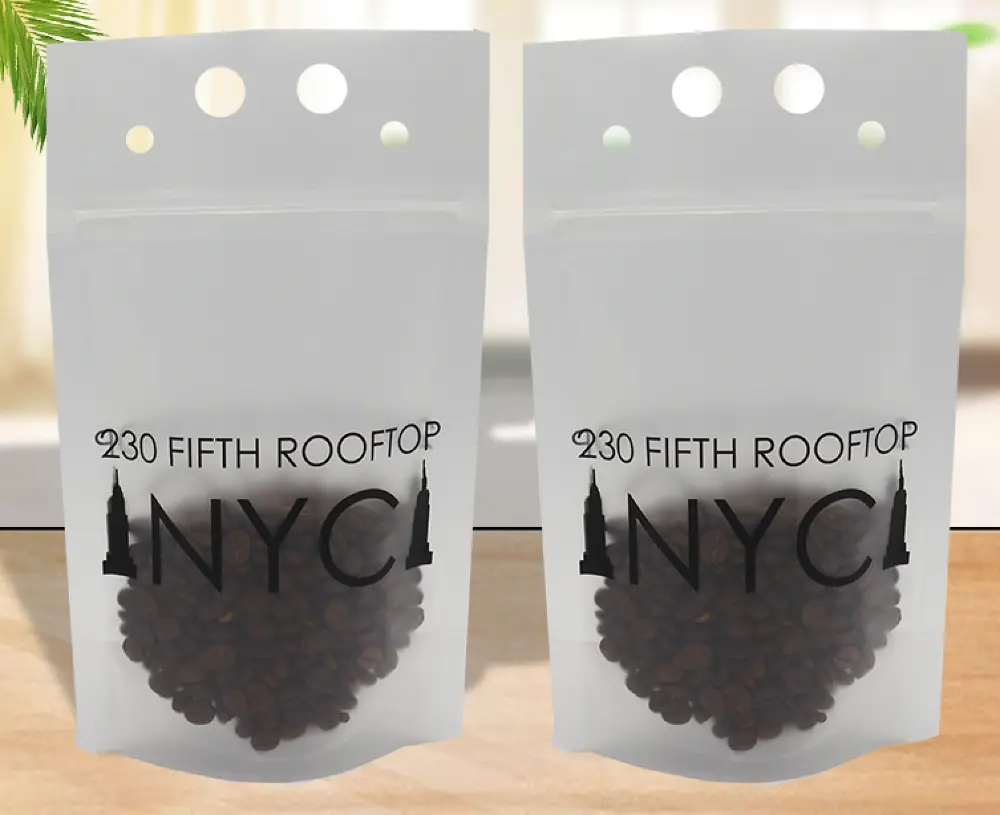
Plastic offers glossy, vibrant printing and clear windows that show off the product. For pet food, that matters, since owners increasingly want to see the kibble and read every ingredient. For beauty brands, a sleek finish drives those Instagram unboxing moments that spread on their own.
Our in-house design team often helps brands who only have a rough idea, turning a mood board into print-ready artwork that photographs well online.
Biodegradable Options: The Best of Both Worlds?
What if you want green credentials without sacrificing protection? Good news. The biodegradable kraft paper pouch alternatives to plastic have matured a lot in recent years.
Modern innovations include:
- PLA-lined kraft: A corn-based inner layer that's compostable in the right facilities.
- Recyclable mono-material films: Single-plastic-family structures that actually make it through recycling streams.
- Kraft with water-based barrier coatings: No plastic film, decent moisture resistance.
These options let you cut environmental impact while keeping freshness reasonable. They cost a bit more today, but demand is pushing prices down steadily.
Matching the Material to Your Product
Here's a practical checklist we use with brands deciding between the two. Run through it before you order.
- Is your product moisture-sensitive? Lean plastic or foil-lined kraft.
- Is a "natural" brand image central? Lean paper.
- Do you need a long shelf life for slow retail turnover? Higher-barrier plastic helps.
- Are you selling in a plastic-restricted market? Paper or compostable alternatives.
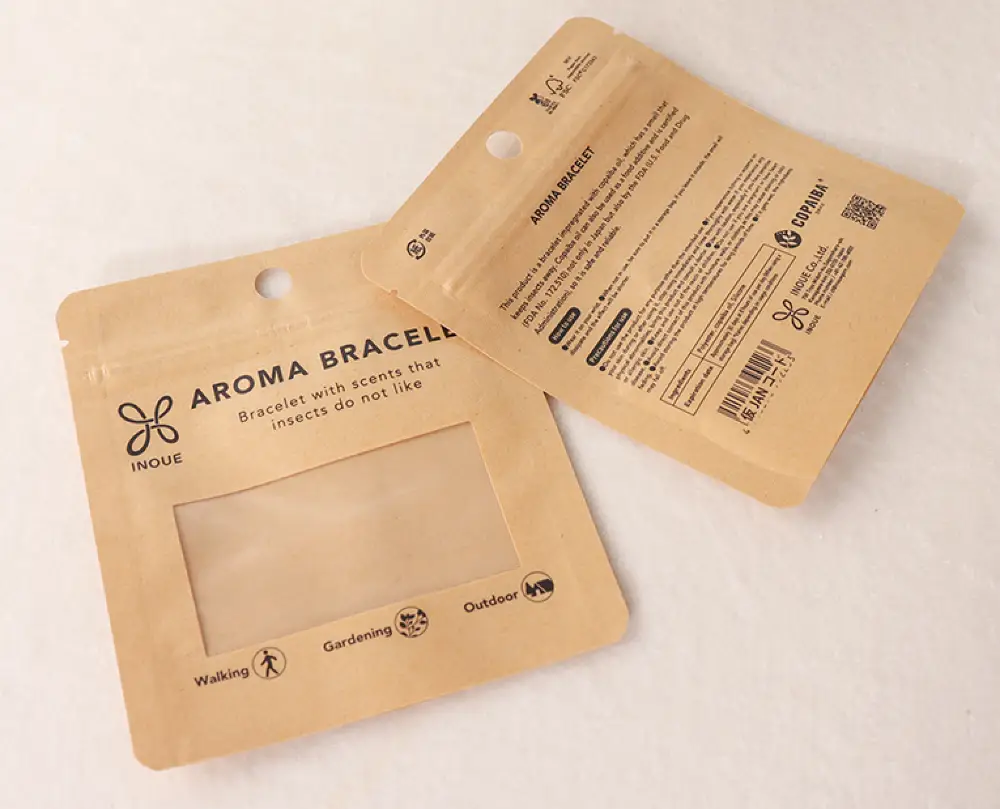
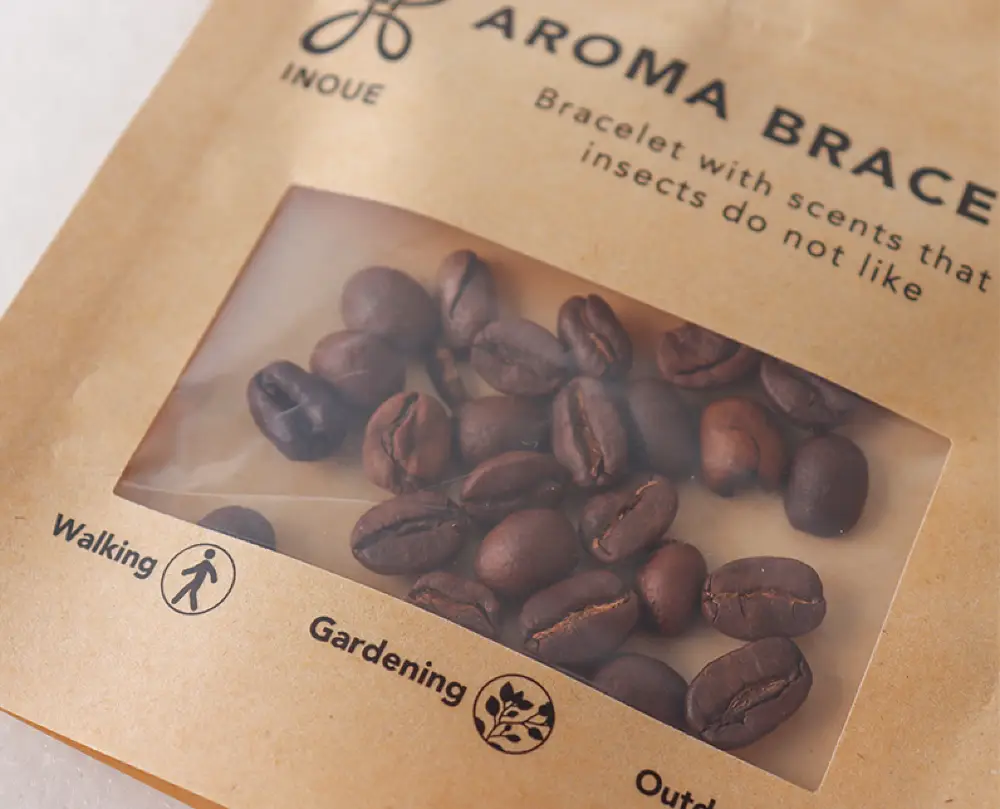
- Is clear product visibility a selling point? Plastic with a window, or kraft with a clear panel.
When brands choose kraft paper pouch vs plastic pouch for food packaging, the deciding factor is almost always the product's sensitivity, not personal preference. Let the food guide you.
Real-World Scenarios
Sometimes examples make it click. Here's how the choice plays out across a few common products.
Specialty Coffee
Aroma is everything. A kraft pouch with a foil liner and degassing valve gives you the natural look plus the oxygen barrier freshly roasted beans demand. Best of both worlds.
Pet Treats
Owners scrutinize ingredients and want resealable freshness. A stand-up pouch with a zipper works in either material, though kraft plays well with the clean-label, transparency-focused positioning many pet brands now use.
Beauty and Bath
Presentation drives sales. Sleek finishes, spot gloss, and a strong unboxing experience often favor refined plastic or premium kraft with metallic accents. It has to look great on a phone screen.
The Bottom Line
So where does this leave you? Neither material is universally superior. Paper shines on sustainability and shelf charm; plastic shines on protection and shelf life. The smart move is matching the package to your product, market, and brand story.
If you're weighing these two right now, don't decide in a vacuum. Samples, barrier tests, and a clear look at total cost beat guesswork every time. We've guided brands through this exact crossroads for two decades, and the ones who test first rarely look back.
Want a second opinion on your specific product? Reach out to the YLTPACK team over WhatsApp at +86 182 1944 5665 or email [email protected], and we'll help you map the right choice, including compostable options if that's your direction.
Frequently Asked Questions
Can kraft pouches keep food as fresh as plastic ones?
For most dry goods, yes, when they include a proper inner barrier. For highly sensitive items like coffee or moisture-prone snacks, foil-lined versions close the gap significantly. The lining, not the paper itself, determines freshness.
Are paper pouches always recyclable or compostable?
Not always. A plain kraft bag usually is, but many are laminated with films that complicate recycling. If sustainability is a goal, ask for water-based coatings or certified compostable liners so the end-of-life claim actually holds up.
Which option is cheaper for a small brand starting out?
Plastic often has a lower unit cost at volume, but paper can command a higher retail price and reduce plastic-tax exposure in some regions. Look at total cost, including brand perception, rather than just the per-bag figure.
Do these pouches work with zippers and resealable features?
Yes. Both materials support zippers, tear notches, degassing valves, spouts, and clear windows. Your product's needs, not the base material, decide which add-ons make sense.
How do I get samples before committing to a large order?
Reach out with your product details, target shelf life, and any design ideas. We can produce test samples in different barrier configurations so you can compare performance and appearance before scaling up production.