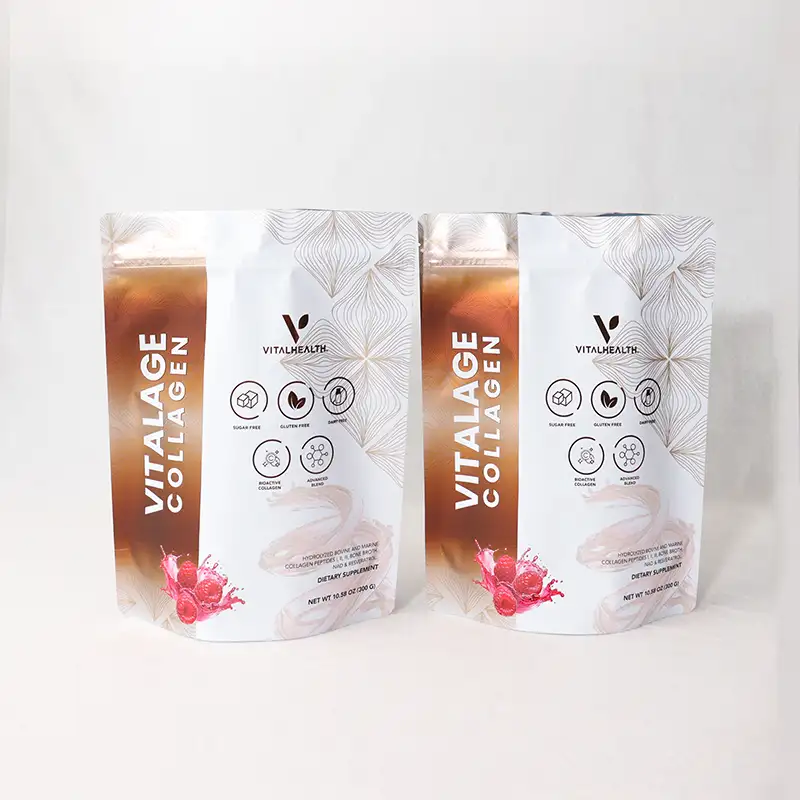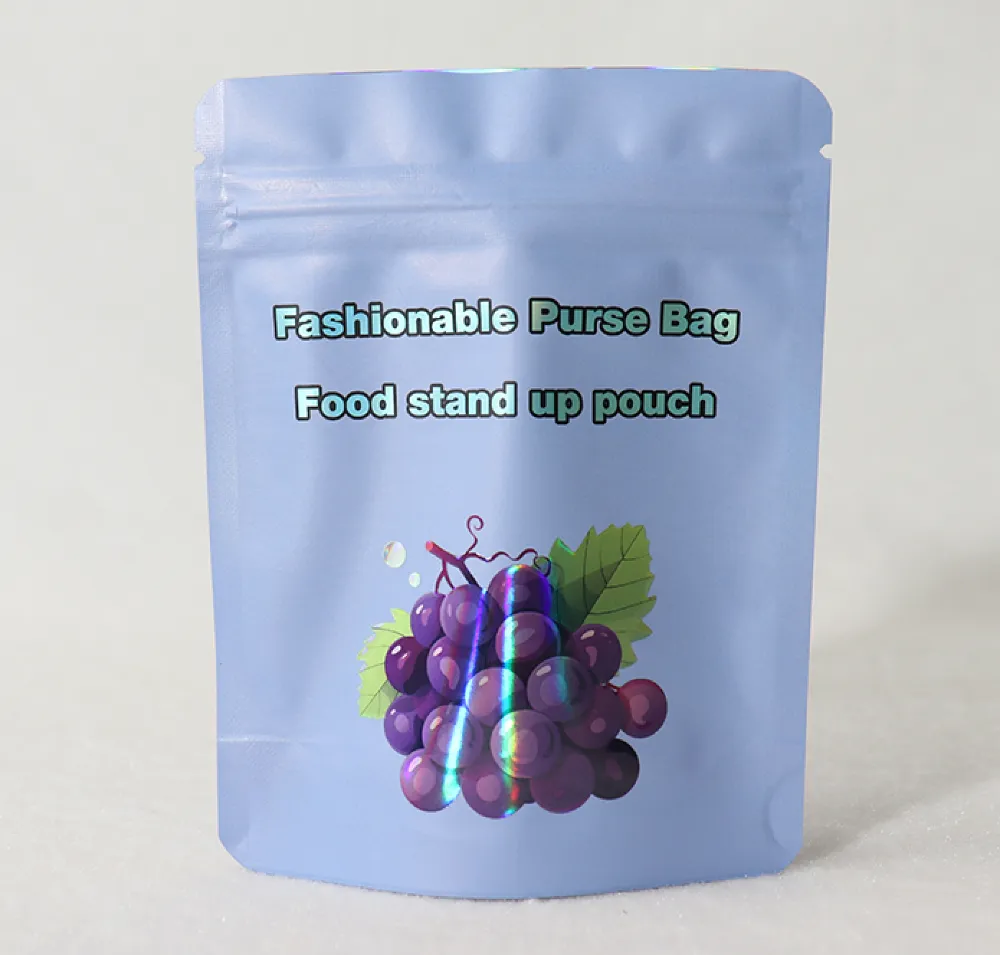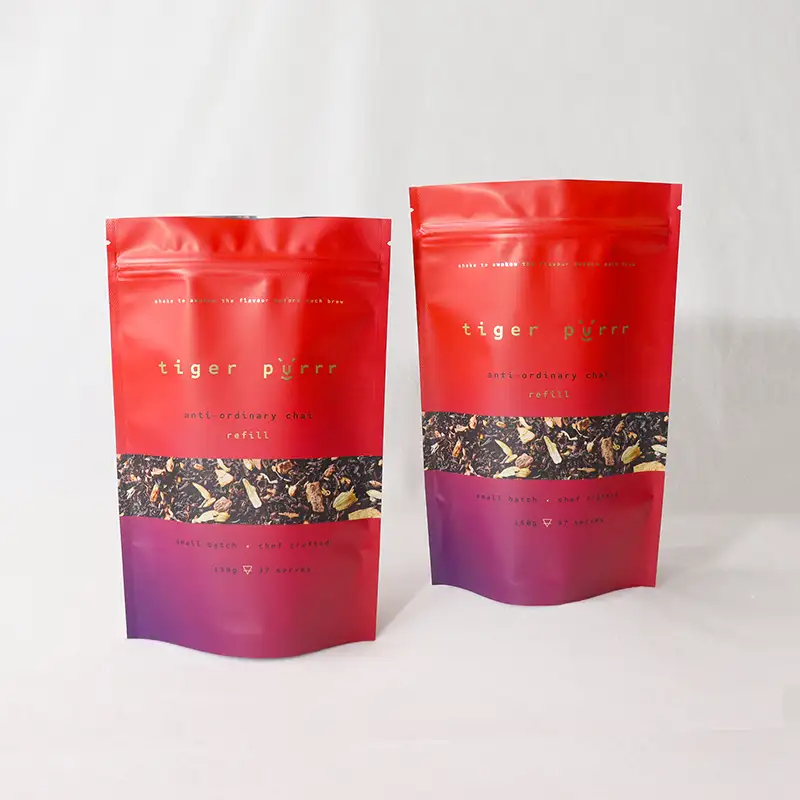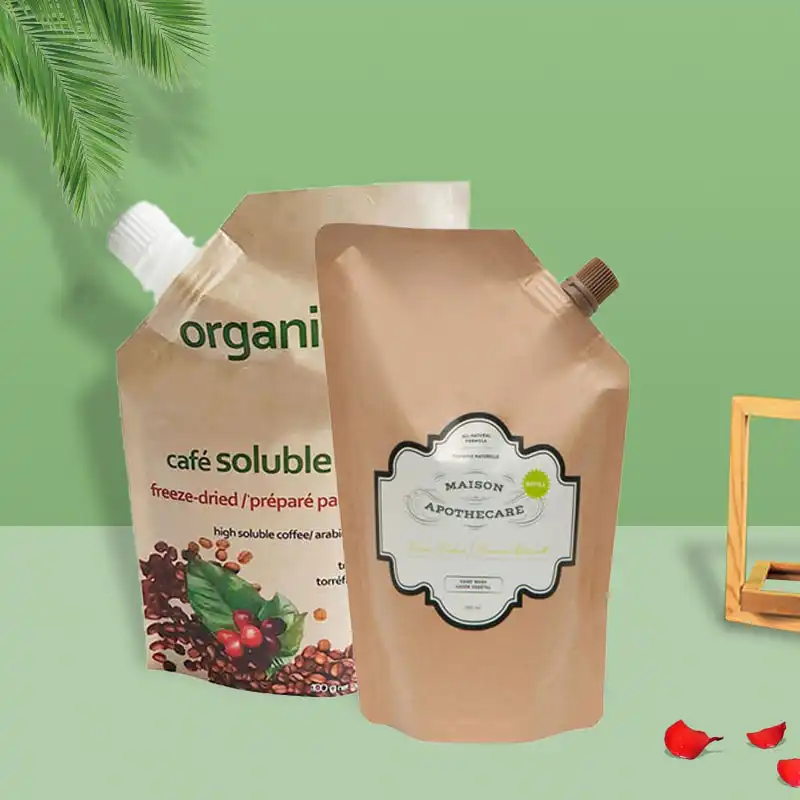
As a manufacturer that has produced flexible packaging for over 20 years, we've quoted thousands of projects. The patterns are clear, and once you understand them, you'll read any quote with a sharper eye.
What you're actually paying for in a custom pouch
A finished pouch looks simple, but it's the result of several layered decisions. Think of the price as a stack: raw film, the structure that gives it strength and barrier, the artwork printed on it, and the finishing touches that make it shelf-ready.
Each layer adds value, and each one is adjustable. The goal isn't to find the cheapest version of everything. It's to spend where it protects your product and your brand, and trim where it doesn't.
The main factors that move your price up or down
Below are the levers that matter most. We'll go through each one, then show how they interact in a quick reference table.
Material structure and barrier needs
This is usually the single biggest driver. A pouch holding dry pasta has very different needs than one holding fresh-roasted coffee or a moisture-sensitive powder.
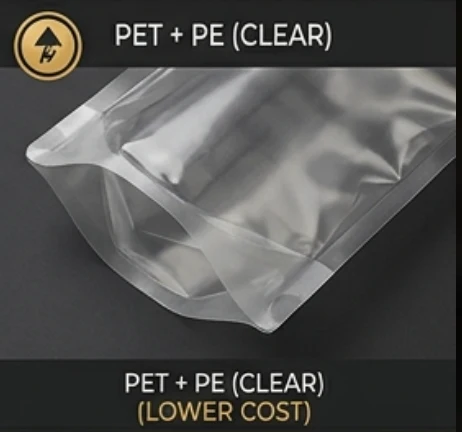
- Light barrier (PET/PE): fine for products with a short shelf life or low sensitivity.
- Medium barrier (with metallized film): blocks more light and oxygen, common for snacks.
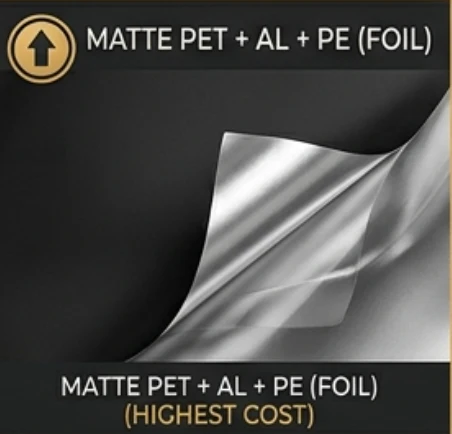
- High barrier (foil or high-barrier laminates): for coffee, supplements, and anything that spoils with air exposure.
Because we hold FDA and ISO 22000 certifications, we tend to recommend matching the barrier to the product's real shelf-life target rather than over-specifying. Paying for foil when a metallized film would do is one of the most common ways budgets quietly inflate.
Size, capacity, and film thickness
Bigger pouches use more material, which is intuitive. Less obvious is thickness, often listed in microns. A heavier gauge feels premium and resists punctures, but it costs more per piece.
If your product is lightweight and won't be tossed around, a moderate thickness usually holds up fine. For something heavy or with sharp edges, paying for a sturdier film prevents returns and complaints down the line.
Printing method and number of colors
How your artwork gets onto the film changes the math significantly.
- Digital printing: great for smaller runs and full-color designs, with no plate fees. Per-piece cost is higher but setup is minimal.
- Rotogravure (plate) printing: excellent quality at large volumes, but you pay upfront for plates. The per-piece cost drops as quantity climbs.
The crossover point matters. For a small first batch, digital almost always wins on total spend. For tens of thousands of units, plate printing starts to pull ahead.
Finishes and special effects
Matte, gloss, soft-touch, spot UV, and metallic foil stamping all add personality and cost. These are where unboxing magic happens, especially for beauty and premium food brands, but they're optional.
A clean matte finish often reads as more upscale than a busy glossy one, and it's not always more expensive. Choose finishes that reinforce your positioning rather than chasing every available effect.
Add-ons: zippers, spouts, valves, and shapes
Functional features serve real purposes and each carries a small premium:
- Resealable zippers: expected on snacks and pet food where freshness after opening matters.
- Degassing valves: essential for coffee, which releases CO2 after roasting.
- Spouts: for liquids, sauces, and baby food.
- Die-cut handles or custom shapes: a branding boost with a modest tooling cost.
Order quantity
Volume is the lever most buyers underestimate. Fixed costs like plates, dielines, and setup get spread across the run, so the more you order, the lower each piece becomes. We'll dig into this next because it's where the biggest savings hide.
How quantity changes the custom stand up pouch cost per unit
Setup costs don't change much whether you make 1,000 pouches or 50,000. That fixed amount divided across more units is what drives the per-piece price down at scale.
Here's a simplified look at how the relationship typically behaves. The figures below are illustrative ratios, not quotes, to show the shape of the curve.
| Order Quantity | Relative Per-Unit Price | What's Happening |
|---|---|---|
| 500 – 1,000 | Highest (index 100) | Setup spread over few units; digital print favored |
| 5,000 | ~60 | Fixed costs diluting; structure choices matter more |
| 10,000 | ~45 | Plate printing becomes economical |
| 50,000+ | ~30 | Material and labor dominate; setup nearly negligible |
The takeaway: if you can forecast demand and order in larger batches, your unit economics improve dramatically. If you're still testing the market, a smaller run protects your cash flow even at a higher per-piece price.
So how much do custom stand up pouches cost for a first run?
For a launch batch, your total outlay is mostly shaped by three things: the print method, whether you need plates, and your barrier requirements. A modest run printed digitally with a standard structure keeps upfront costs low and lets you get to market fast.
Many founders we work with start small to validate packaging and demand, then reorder at volume once sales confirm the design works. That staged approach keeps risk low while you learn what your customers respond to.
Options for startups and small brands
A few years ago, low quantities meant either sky-high prices or no options at all. That's changed. Digital printing has made custom stand up pouch pricing with low minimum order far more accessible for emerging brands.
Our in-house design team often helps brands who arrive with only a rough sketch or a logo file. Getting the artwork production-ready the first time avoids revision rounds, which is one of the quieter ways small projects rack up extra charges.
If you're just starting, ask any supplier these questions before committing:
- What's the true minimum order, and what does it cost at that level?
- Are plate or setup fees included or separate?
- Can I reorder at a lower per-piece price later?
- Do you provide a digital proof or physical sample before the full run?
A simple way to estimate your budget
You don't need a quote to get a rough sense of where you'll land. Think of this as a custom stand up pouch cost calculator for small business owners, done on the back of a napkin.
Walk through these five inputs in order, and you'll have a realistic picture before you ever reach out:
- Product type → determines barrier level (light, medium, high)
- Pouch size and weight → determines material volume and thickness
- Quantity → determines print method and per-unit economics
- Colors and finish → adds to print complexity
- Features → zipper, valve, spout, or shape add-ons
Score each from low to high. A small-quantity, single-color, light-barrier pouch with no add-ons sits at the budget end. A large foil-barrier order with metallic finishes and a spout sits at the premium end. Most projects land somewhere in between.
Buying at volume: what to weigh
When you're ready to scale, the cost of custom printed stand up pouches wholesale becomes mostly about locking in the right structure and reliable lead times. At this stage, small per-unit differences multiply across the whole order, so consistency matters as much as price.
In our 6,800㎡ cleanroom facility, we run quality checks across the print, lamination, and pouch-forming stages. The reason is practical: a defect caught early on a 50,000-unit run saves far more than it costs. When you compare suppliers, ask how they handle quality control, not just what their headline price is.
Knowing your industry changes the conversation
The right pouch isn't generic. What protects and sells your product depends heavily on what's inside.
Coffee and tea
Oxygen and light are the enemies of freshness, and freshly roasted beans need to off-gas. A high-barrier structure plus a one-way degassing valve keeps aroma locked in. Skipping the valve to save a little usually backfires with bloated bags and flat flavor.
Pet food and treats
Pet owners read ingredient panels as carefully as they read their own groceries. Clear labeling space, a strong resealable zipper, and a grease-resistant structure matter here. Repeat purchases hinge on the bag staying fresh after the first open.
Beauty and personal care
This is where unboxing photos and social sharing drive growth. Soft-touch finishes, crisp print, and tactile detail justify a slightly higher spend because the packaging itself becomes marketing.
Supplements and powders
Moisture is the main risk, so high-barrier films and tight seals protect potency. Compliance-friendly labeling space is worth planning for early.
Common mistakes that quietly raise your price
Working with brands across North America, we've found the most frequent budget leaks aren't the obvious ones. Watch for these:
- Over-specifying the barrier when product shelf life doesn't require it.
- Submitting unprintable artwork that triggers revision fees and delays.
- Ordering an awkward quantity that misses the digital-to-plate crossover sweet spot.
- Adding finishes for their own sake rather than for brand or function.
- Ignoring lead time, then paying rush fees to make a launch date.
A short planning conversation before you commit usually saves more than any single negotiation on price.
Putting it all together
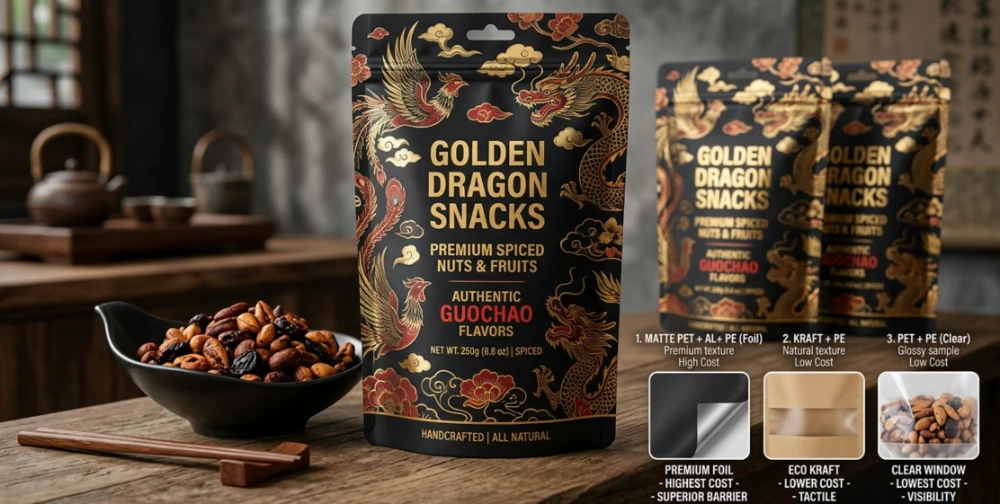
Pricing a custom pouch comes down to matching specifications to what your product genuinely needs, then choosing a quantity that fits your stage. Start by nailing the barrier and structure, pick a print method that suits your run size, and add features that serve a real purpose. Get those right and the numbers tend to take care of themselves.
| If you want to lower spend... | Try this |
|---|---|
| Cut per-unit price | Increase quantity toward the plate-printing range |
| Reduce upfront cost | Usedigital printing and skip plate fees |
| Avoid hidden charges | Submit print-ready artwork and confirm all fees upfront |
| Protect product without overspending | Match barrier level to actual shelf-life needs |
| Add premium feel selectively | Choose one signature finish, not several |
If you'd like a second set of eyes on your specs before you decide, the YLTPACK team is happy to walk through the tradeoffs with you. You can reach us on WhatsApp at +86 182 1944 5665 or by email at [email protected], and we'll help you map your product needs to a structure that makes sense for your stage and budget.
Frequently asked questions
What's the cheapest way to get custom pouches for a new brand?
Digital printing with a smaller order is usually the most affordable entry point because it avoids plate fees and lets you test the market. You pay a bit more per piece, but your total upfront commitment stays low. Once sales confirm the design, you can reorder at volume for a better rate.
Why do two suppliers quote such different prices for the same pouch?
Usually it comes down to the film structure and what's bundled into the price. One quote might include plates, proofs, and quality checks while another lists them separately. Always compare the full specification and total cost, not just the headline per-unit figure.
How much does the barrier choice really affect price?
Quite a lot, since it's often the largest material cost. A high-barrier foil laminate can cost noticeably more than a basic metallized film. The trick is matching the barrier to your product's actual shelf life rather than defaulting to the highest protection available.
Can I order a small batch first and scale up later?
Yes, and it's a smart way to manage risk. A small validation run lets you confirm the artwork, structure, and market response before committing to volume. When you reorder larger quantities, your per-piece price drops as setup costs spread across more units.
What information should I have ready before asking for a quote?
Have your product type, target shelf life, pouch size, estimated quantity, color count, and any features like zippers or valves in mind. The clearer your brief, the faster and more accurate the quote. If you only have a rough idea, a good supplier's design team can help fill in the gaps.