How Much Extra Time Do Custom Pouches Really Take?
Let me walk you through this like a friend who's been in the packaging world for a while. By the end, you'll know exactly what drives the timeline and how to plan around it without nasty surprises.
The Short Version (For Busy People)
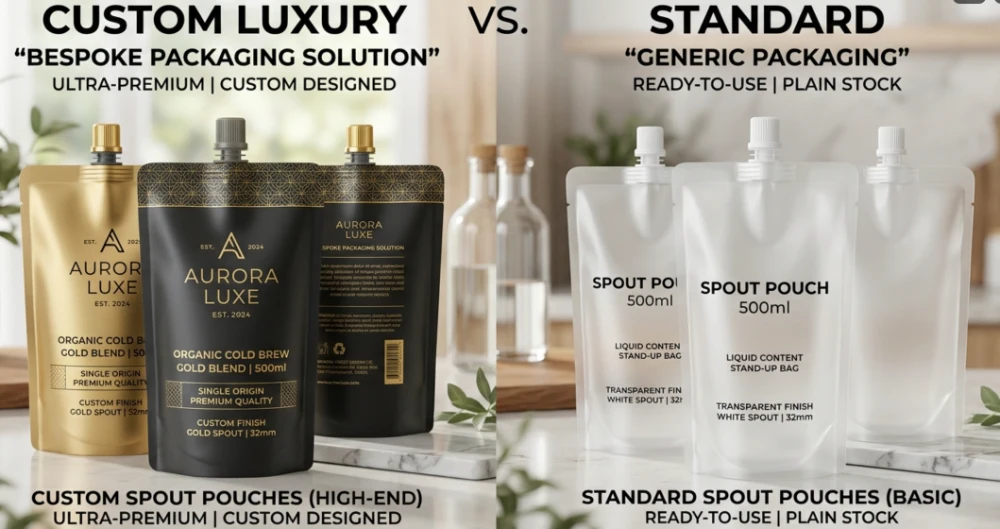
Standard stock pouches usually ship in just a few days because they already exist in a warehouse. Tailored packaging, on the other hand, has to be designed, printed, and assembled from scratch.
Here's a quick comparison to set expectations:
| Type | Typical Lead Time | Why |
|---|---|---|
| Standard stock pouch | 3–7 days | Already produced; just pick, pack, ship |
| Custom (digital print) | 2–3 weeks | Short-run printing, faster setup |
| Custom (gravure/rotogravure print) | 4–6 weeks | Plate creation, larger runs, color matching |
So in plain terms: expect roughly 2 to 5 extra weeks compared to a stock product. That gap exists for good reasons, and understanding them helps you control your schedule.
What Actually Causes the Extra Wait?
The delay isn't arbitrary. Several steps happen before your bespoke bags ever reach the production line. Let's break them down so nothing feels like a black box.
1. Design and Artwork Approval
This is where many timelines quietly stretch. Getting your logo, colors, and layout exactly right takes back-and-forth. Our in-house design team often helps brands who only have a rough idea, which speeds things up dramatically.
A clean, print-ready file can shave days off the process. A vague concept with multiple revision rounds? That can add a week or more on its own.
2. Printing Method and Plate Setup
If you choose gravure printing for large volumes, plates must be engraved first. That's a one-time setup, but it adds front-end time. Digital printing skips this step, making it ideal for smaller orders or first runs.
3. Material Sourcing and Lamination
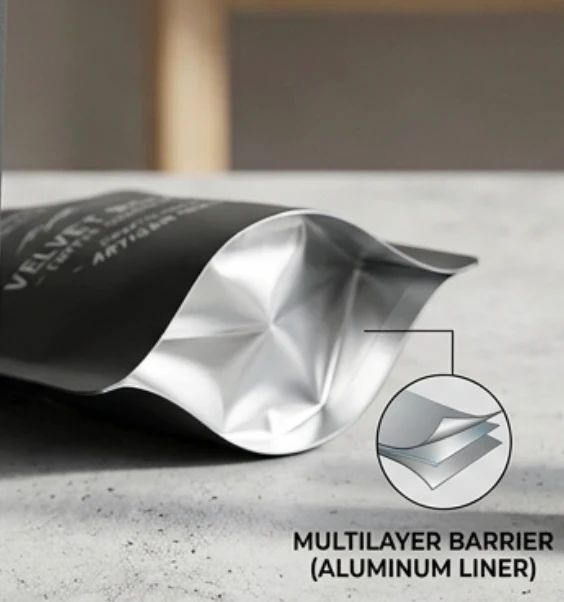
Different products need different film structures. A barrier-heavy pouch for liquids isn't the same as a lightweight snack bag. Sourcing the right laminate layers occasionally adds a few days, especially for specialty barriers.
4. Quality Checks
Reputable flexible packaging pouches go through inspection before shipping. As a manufacturer that has produced packaging for over 20 years, we'd rather catch a seal issue in-house than let it reach your customers.
Why the Wait Is Worth It
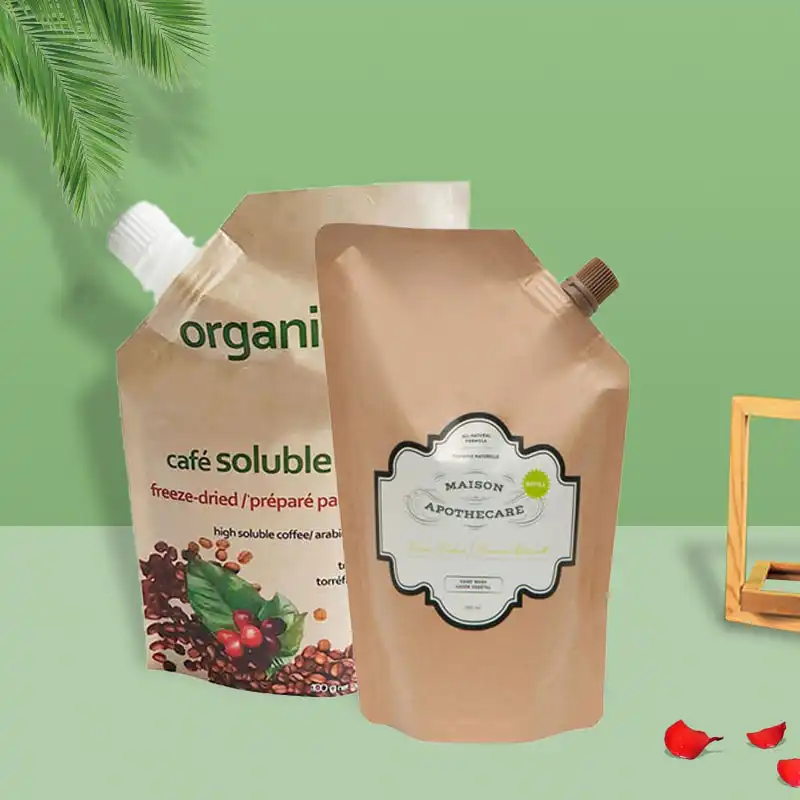
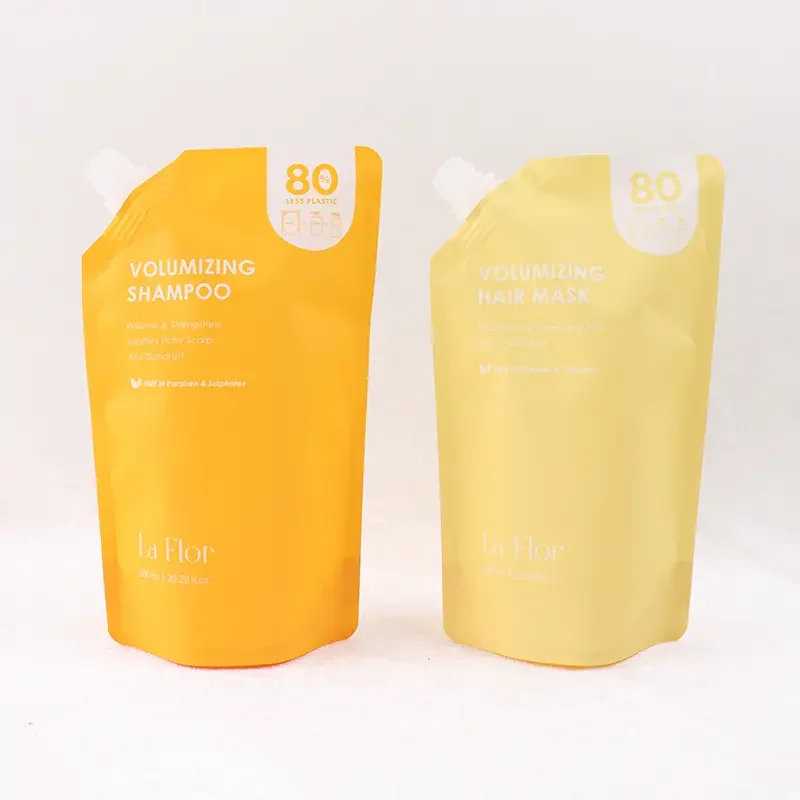
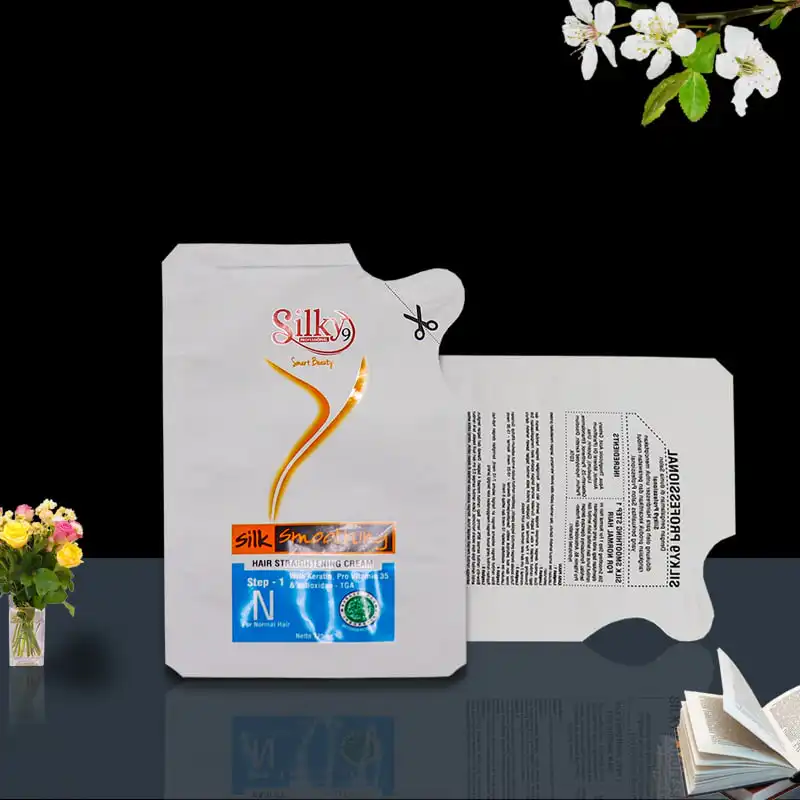
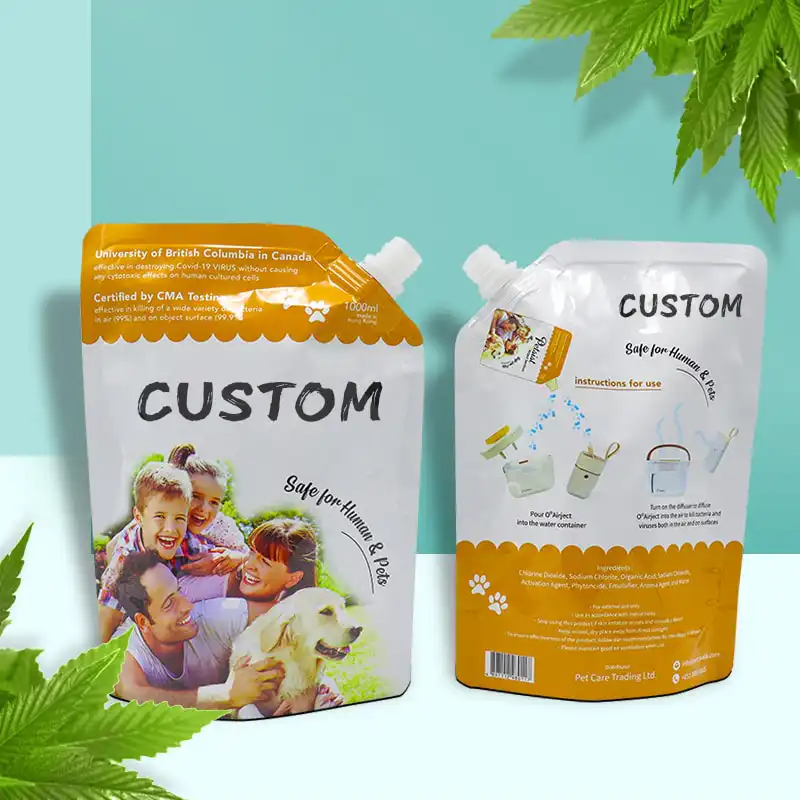
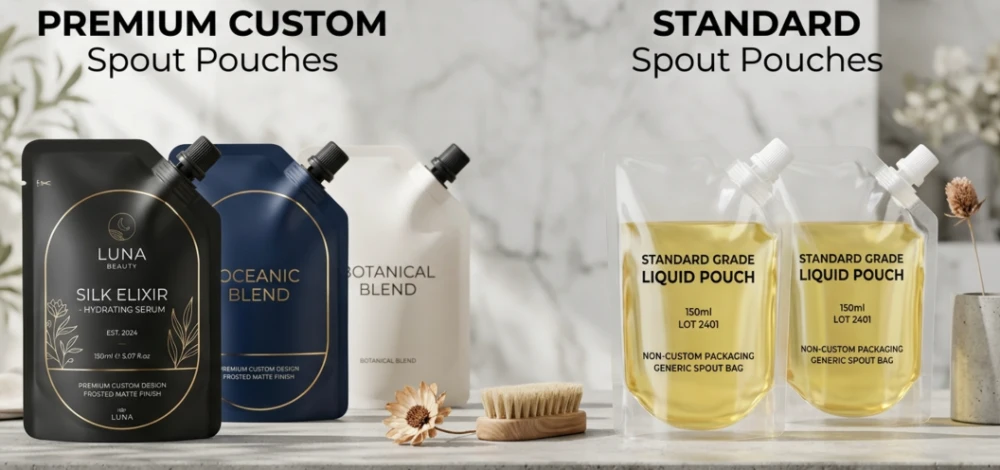
Here's the thing: a stock pouch makes your product look like everyone else's. A tailored design tells your story. For many brands, that difference drives the buying decision on a crowded shelf.
Think about your industry for a second:
- Baby food brands — parents scan for ingredient transparency and safe materials before they trust a pouch near their child.
- Beverage and sauce makers — leak-proof spouts and clean dispensing matter more than flashy graphics.
- Beauty and wellness — the unboxing moment gets photographed and shared, so finish and feel count.
- Coffee and specialty foods — aroma retention and oxygen barriers protect freshness for weeks.
A printed bag built around your category does more than hold product. It signals quality before anyone tastes or tries what's inside.
The Industry-Specific Timing Factors People Forget
Not all custom orders move at the same pace. Your category quietly influences the schedule. Here's what we've noticed working with brands across North America.
Food and Beverage
Anything edible needs food-grade compliance baked in. Because we hold FDA and ISO 22000 certifications, we recommend confirming material specs early so testing never becomes a last-minute bottleneck.
Liquids and High-Moisture Products
Custom spout pouches for liquids need stronger seals and thicker barrier films. That extra structural layer can add a small amount of sourcing time, but it prevents leaks during shipping and stacking.
Baby and Kids' Products
If you're developing custom baby food spout pouches, expect added verification steps. Parents care deeply about safety, and so do regulators, so this category rightly gets extra scrutiny.
How to Shrink Your Lead Time (A Practical Checklist)
Good news: you have more control over the calendar than you might think. Run through this list before placing an order.
- Finalize artwork early. Approved files are the single biggest time-saver.
- Lock in your pouch size and spout type before production starts.
- Choose digital print for first runs to skip plate setup.
- Confirm barrier requirements upfront so material sourcing doesn't stall.
- Order a sample first to avoid costly revisions on the full run.
- Communicate your deadline clearly so production can be sequenced around it.
Brands that complete these steps often cut a week or more off their delivery window.
First Order vs. Repeat Orders
Your very first run always takes the longest because everything is being created fresh. Repeat orders move much faster since the design, plates, and specs already exist.
| Order Stage | Relative Speed | What's Reused |
|---|---|---|
| First order | Slowest | Nothing — all new |
| Second order | Faster | Artwork, plates, specs |
| Ongoing reorders | Fastest | Full setup retained |
So if your first batch felt slow, the second feels almost effortless. That's why planning your launch buffer matters most on round one.
What About Minimum Order Quantities?
Timing and quantity often go hand in hand. Larger volumes may use gravure printing, while smaller test batches lean on digital methods. If you're a young brand, you may even find custom spout pouches with no minimum from certain partners, which lets you launch without overcommitting.
This flexibility matters. Testing the market with a modest run beats locking up your budget in inventory you might want to tweak later.
Where the Production Happens Matters
The facility behind your order quietly shapes both speed and consistency. In our 6,800㎡ cleanroom facility, controlled conditions help keep print quality and seal integrity reliable from the first bag to the last.
A clean, organized production floor also means fewer defects, which means fewer reprints, which means you actually save time over the full project. Quality and speed aren't enemies when the setup is right.
Planning Your Timeline Like a Pro
Here's how seasoned buyers map it out. Work backward from your launch date and build in cushion.
- Launch date — your hard deadline.
- Minus shipping — sea freight can take weeks; air is faster but pricier.
- Minus production — 2 to 6 weeks depending on print method.
- Minus sampling and approval — give yourself a week or two.
Add it all up and you'll see why starting early always beats rushing. The most common mistake we see is ordering reclosable spout bags only a few weeks before a product launch, then scrambling.
A Quick Word on Choosing the Right Partner
The supplier you pick directly affects whether your timeline holds. A responsive wholesale spout pouch manufacturer that communicates clearly will keep you informed at each stage instead of leaving you guessing.
At YLTPACK, we've spent over two decades helping brands turn rough concepts into shelf-ready packaging. Whether you need custom printed spout pouches wholesale or just a small trial batch, the goal is the same: get it right without dragging out the calendar.
Have questions about your specific timeline? Reach out on WhatsApp at +86 182 1944 5665 or email [email protected], and we'll map out a realistic schedule for your project.
The Bottom Line
Tailored packaging takes roughly 2 to 5 weeks longer than stock options, mostly due to design, printing setup, and quality checks. That extra time buys you a product that stands out, protects your contents, and earns customer trust.
Plan early, finalize your artwork, and pick a communicative partner. Do those three things and the wait becomes a non-issue. Your future shelf presence will thank you.
Frequently Asked Questions
Can I get custom spout pouches with logo printing faster than expected?
Yes, if your artwork is print-ready and you choose digital printing. Approved files and a clear deadline are the two biggest accelerators. First orders still take longer than reorders, so plan accordingly.
Do liquid packaging bags take longer than dry-product pouches?
Slightly. Liquids require stronger seals and thicker barrier films, which can add a few days for material sourcing. The trade-off is leak-proof reliability during shipping and storage.
Is there a way to test designs before committing to a full run?
Absolutely. Ordering a sample or a small batch lets you check colors, feel, and seal quality first. This avoids expensive revisions later and is something we strongly recommend for first-time buyers.
How do custom printed stand up pouches differ in timing from spout versions?
They're broadly similar, though spout versions add a fitment step where the spout is attached and sealed. That usually adds only a small amount of production time, not weeks.
What's the most common timing mistake brands make?
Ordering too close to launch day. We see brands underestimate sampling, approval, and shipping. Building in a buffer of a few extra weeks keeps your launch stress-free and on schedule.