Short answer: yes, you can. Let's talk about it more specific.
What Exactly Is a Retort Pouch?
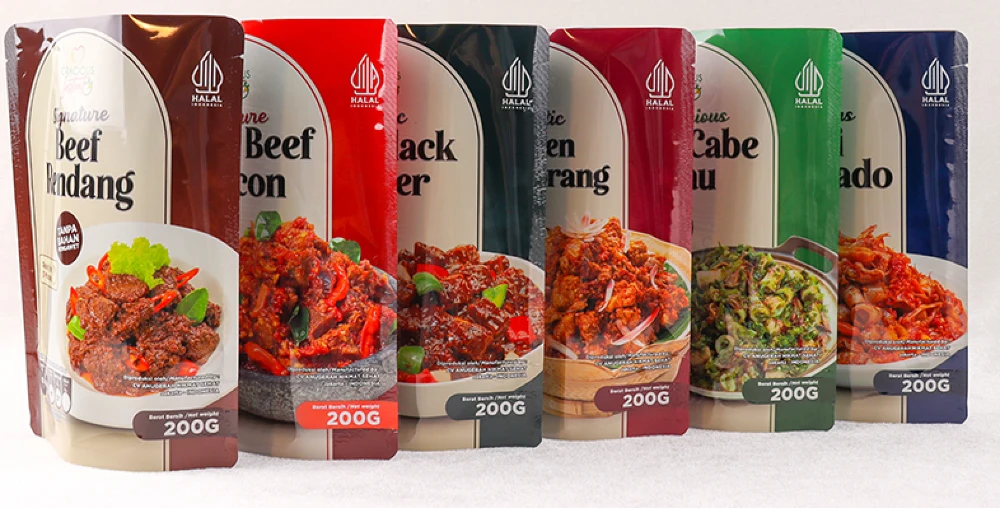
Think of it as a flexible can. A retort pouch is a multi-layer laminated bag built to survive a "retort" process, which is industrial sterilization under heat and pressure (typically 116°C to 121°C / 240°F to 250°F).
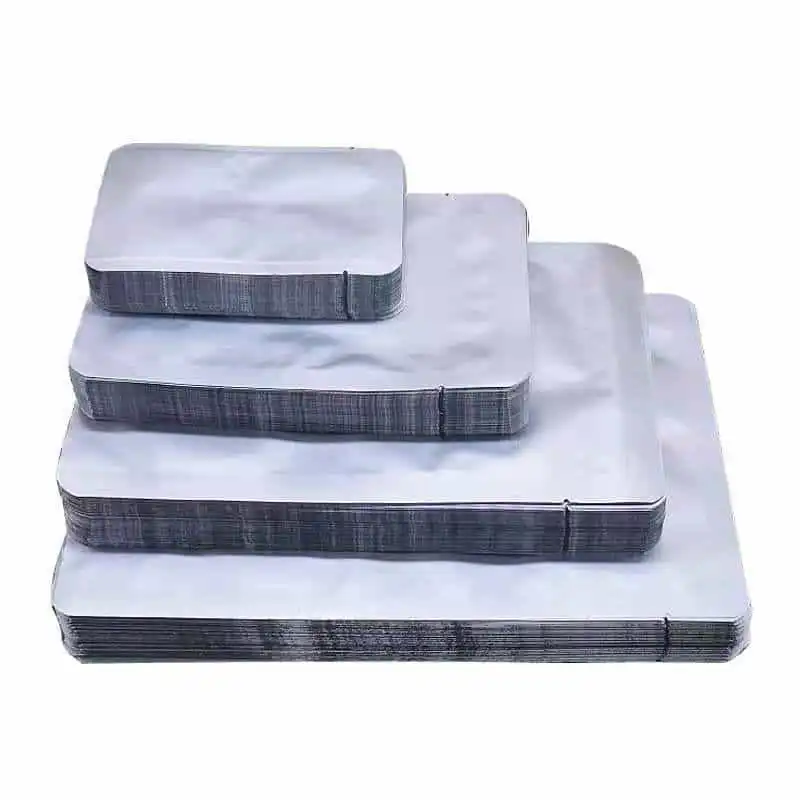
The layers usually include polyester for print and strength, aluminum foil or a metallized film for oxygen and light barrier, and a food-grade inner layer that seals tight. That structure is why these packs sit on shelves for 12 to 24 months without refrigeration.
Common examples you've probably eaten from already:
- Ready-to-eat curries, soups, and pasta sauces
- Tuna and salmon pouches
- Camping and emergency meal kits
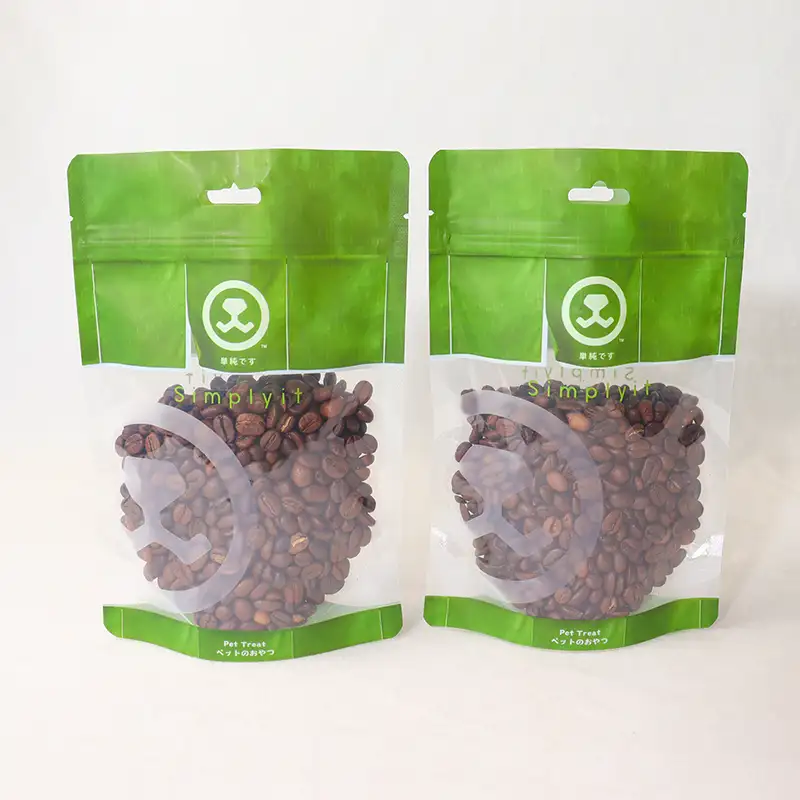
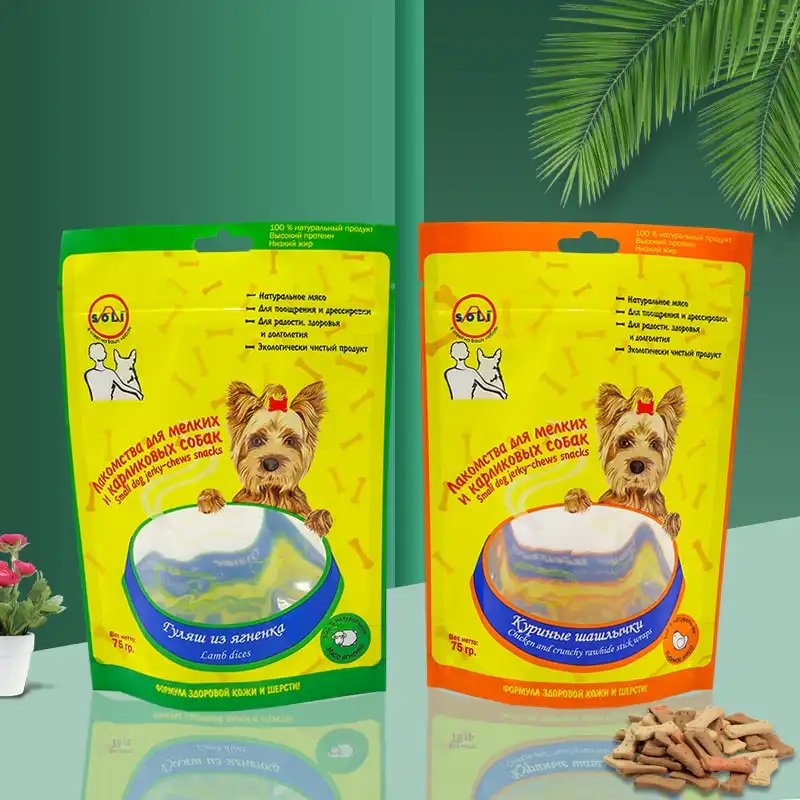
- Pet food in single-serve packs
Can You Boil Food in Retort Pouches at Home?
For pre-cooked, commercially sealed meals, heating them in boiling water at home is the intended method. Drop the sealed pack into a pot of gently boiling water, wait a few minutes, and your meal is hot. No pan to scrub afterward.
Here's the important distinction: reheating is not the same as sterilizing. Home stovetop water tops out at 100°C (212°F) at sea level. That's perfect for warming a shelf-stable meal, but it does not reach the 121°C needed to make raw ingredients safe for long-term unrefrigerated storage.
Rule of thumb: a stovetop pot reheats. Only a pressurized retort machine sterilizes for shelf stability.
So the question of whether you can boil food in retort pouch products at home comes down to your goal. Warming a meal? Absolutely. Creating a safe two-year shelf life from raw chicken? That requires industrial equipment.
How Long to Boil Food in a Retort Pouch
Timing depends on the contents, portion size, and whether the meal starts frozen or at room temperature. The numbers below reflect typical reheating guidance for pre-cooked, sealed meals, drawn from standard manufacturer instructions.
| Meal Type | Starting State | Boiling Time (100°C / 212°F) | Notes |
|---|---|---|---|
| Soup / broth (200–300g) | Room temp | 3–5 minutes | Stir after opening |
| Rice / pasta dish (250–350g) | Room temp | 5–7 minutes | Thicker contents heat slower |
| Curry / stew (300–400g) | Room temp | 6–8 minutes | Submerge fully |
| Any meal | Frozen | Add 4–6 minutes | Lower water boil first |
A few practical tips that make a real difference:
- Keep the pouch fully submerged so heat reaches the center.
- Don't pierce the pack before heating, or water leaks in.
- Open carefully away from your face; steam builds up inside.
Can You Cook Raw Food in Retort Pouches?
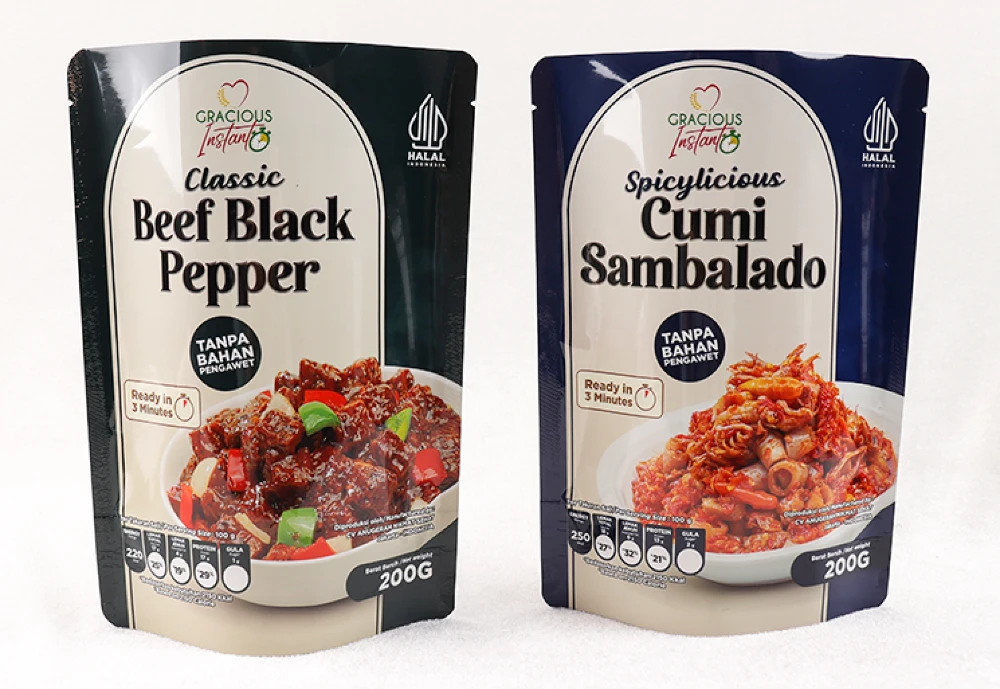
This is where people get into trouble. The idea of sealing raw ingredients in a pouch and cooking them in boiling water sounds convenient, but it carries real food-safety risk if done at home.
Whether you can cook raw food in retort pouches safely depends entirely on reaching sterilization temperatures and verifying them. Low-acid foods like meat, poultry, and most vegetables can harbor Clostridium botulinum spores, which survive 100°C boiling. They only die under the pressurized 121°C cycle a retort autoclave delivers.
So at home, treat boiling as reheating, not cooking-and-preserving. If you want a product that's commercially safe and shelf-stable, the food must be processed in validated industrial equipment with documented heat penetration studies. That's a regulated process, not a kitchen experiment.
Best Temperature for Boiling Retort Pouch Meals
For reheating at home, a gentle, steady boil at 100°C (212°F) is ideal. Aggressive rolling boils don't heat food faster, they just stress the seams and risk splashing.
For industrial sterilization, the best temperature for boiling retort pouch meals (technically retorting, not boiling) sits in the 116–121°C range under pressure. The exact target is set by the food's acidity, density, and pack size, then validated through testing.
| Purpose | Temperature | Pressure | Outcome |
|---|---|---|---|
| Home reheating | 100°C (212°F) | Atmospheric | Hot, ready to eat |
| High-acid foods (industrial) | 100–110°C | Low pressure | Shelf-stable |
| Low-acid foods (industrial) | 116–121°C | High pressure | Commercially sterile |
This is exactly why material choice matters so much. A film rated only for pasteurization will delaminate or leak if pushed to full retort temperatures. Because we hold FDA and ISO 22000 certifications, we always match the laminate structure to the actual thermal process a brand plans to run.
Are Retort Pouches Safe to Boil for Food Storage?
When the packaging is correctly specified and properly sealed, yes. The whole category exists because flexible packs can be sterilized and stored safely for long periods, often outperforming cans on weight, footprint, and reheating speed.
But "are retort pouches safe to boil for food storage" has a conditional answer: safety depends on three things working together.
- Material integrity: the laminate must withstand the target temperature without delaminating.
- Seal strength: a weak seam is the most common failure point under pressure.
- Process validation: the heat cycle must be tested for that specific product.
Working with brands across North America and Europe, we've found that the most common mistake is ordering a generic pouch and assuming it can handle full sterilization. A pack designed for dry snacks behaves very differently from one engineered for a 121°C wet cycle.
How to Spot a Pouch That Will Hold Up
Before committing to a production run, a quick checklist saves a lot of grief:
- Confirm the film is rated for your exact retort temperature.
- Ask for seal strength data and burst test results.
- Verify food-contact compliance documentation.
- Request a heat-penetration trial with your actual recipe.
In our 6,800㎡ cleanroom facility, we run seal and burst checks on retort-grade laminates before they ship, because a single weak seam can compromise an entire batch once it hits the autoclave.
Choosing the Right Pouch for Your Product
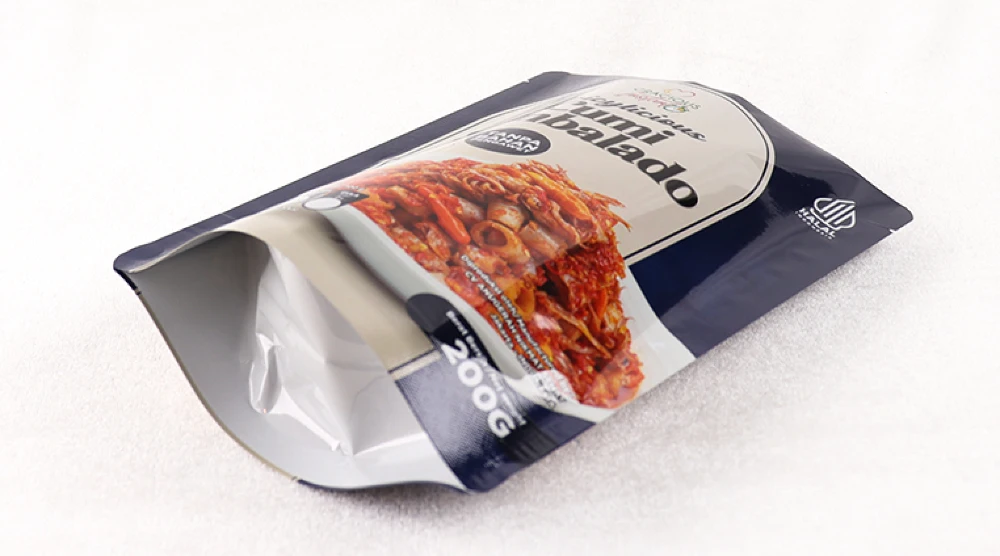
Different foods place different demands on packaging. Understanding your product helps you avoid over-specifying (paying for performance you don't need) or under-specifying (risking failures in the field).
Match the Structure to the Food
| Product | Key Concern | Recommended Feature |
|---|---|---|
| Sauces & curries | Oil and acid resistance | Robust inner sealant layer |
| Seafood & meat | Full sterilization, oxygen barrier | Aluminum foil laminate |
| Pet food | Aroma containment, shelf appeal | High-barrier film, clear ingredient panel |
| Camping meals | Light weight, durability | Stand-up format, tear notch |
Take pet food as one example. Owners increasingly read every ingredient on the back panel, so brands want a pouch that locks in aroma and freshness while still leaving room for transparent labeling. A strong barrier protects the recipe; clear print builds the trust that drives repeat purchases.
Camping and emergency meals lean the other way. Here, weight and rip resistance matter more than premium gloss, and a reliable tear notch makes the field experience smooth. The right answer always starts with how the product is used, not with a one-size-fits-all spec.
Where Customization Comes In
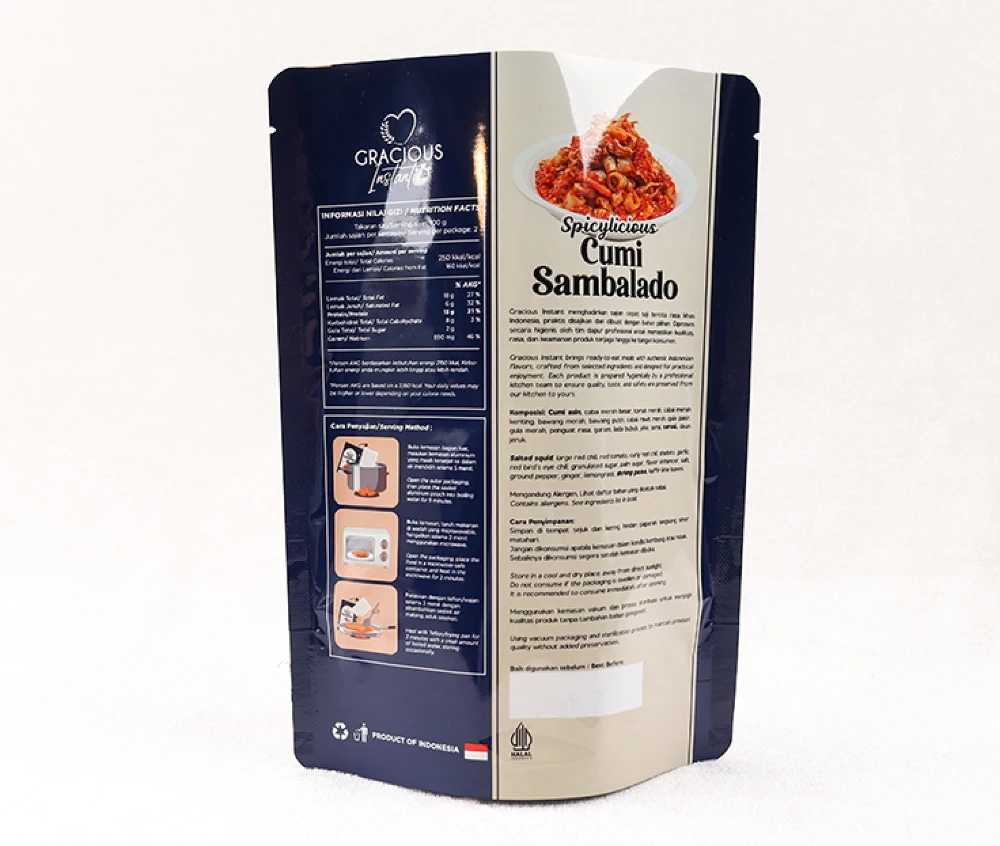
Most brands arrive with a clear flavor lineup but only a rough idea of packaging. Our in-house design team often helps at that stage, translating a concept into a structure, finish, and format that survives the thermal process and looks right on shelf.
As a manufacturer that has produced flexible packaging for over 20 years, we've learned that decisions made early (film thickness, barrier type, seal geometry) prevent the costly reprints and recalls that show up later. Source-factory production also keeps the feedback loop between design and output tight.
Common Mistakes to Avoid
A few recurring errors cause most retort packaging headaches:
- Using a pasteurization-grade film for a full sterilization cycle.
- Skipping heat-penetration validation on a new recipe.
- Overfilling, which stresses seals during expansion.
- Ignoring print ink compatibility with high heat.
- Treating home boiling as if it sterilizes raw ingredients.
Avoiding these comes down to specifying the pouch around the actual process and the actual food, then validating before scaling. It's far cheaper to test early than to discover a seal failure after thousands of units are filled.
Key Takeaways
Heating a sealed, pre-cooked meal in boiling water is simple, safe, and exactly what these flexible packs are designed for. Reheating happens at 100°C; true sterilization for shelf stability requires the pressurized 116–121°C industrial process. Don't confuse the two, especially with raw, low-acid foods.
For any brand planning a product line, success hinges on matching the laminate, seal, and validated heat cycle to the food itself. Get that foundation right and the pouch performs reliably from the autoclave to the customer's kitchen.
If you're weighing options for a custom run, our team at YLTPACK is happy to talk through structures, certifications, and trial samples. Reach us on WhatsApp at +86 182 1944 5665 or by email at [email protected].
Frequently Asked Questions
Will the pouch melt or leak in boiling water?
A properly specified retort-grade pack won't melt at 100°C; it's rated well above that. Leaks almost always trace back to a weak seal or a punctured bag rather than the film itself. Keep it intact, submerge it gently, and it holds fine.
Can I reuse a pouch after boiling a meal in it?
No. These packs are single-use by design. Once opened, the seal integrity and barrier protection are gone, so reusing one risks contamination. Recycle or dispose of it according to your local guidelines and reach for a fresh pack next time.
Can I microwave these pouches instead of boiling them?
Only if the label specifically says it's microwave-safe. Many laminates contain an aluminum foil layer, which can't go in a microwave. Foil-free, microwavable versions exist and often include a built-in steam vent, but always check the packaging instructions before you heat one that way.
How should I store an unopened pack, and how long does it last?
Keep it in a cool, dry spot away from direct sunlight, and there's no need to refrigerate before opening. A correctly processed shelf-stable meal typically stays good for 12 to 24 months. Always follow the printed best-by date, and inspect for bulging or damaged seams before eating.
What's the difference between a retort pack and a regular stand-up bag?
The big difference is heat tolerance. A standard stand-up bag is built for dry goods or chilled products and will fail under sterilization heat. The sterilizable version uses heavier, heat-resistant laminates and stronger seals engineered specifically to survive the 116–121°C autoclave cycle without delaminating or bursting.