Modern food brands are moving away from heavy cans and breakable jars for one simple reason: retort pouch packaging delivers shelf stability, lower freight cost, and better convenience in one format.
For ready meals, pet food, seafood, baby food, and nutritional products, the shift is no longer a niche trend. It is a practical packaging decision driven by logistics, retail efficiency, and consumer expectations.
Why Retort Pouches Are Replacing Traditional Cans and Jars
Traditional rigid packaging works, but it adds weight, storage bulk, and shipping expense. In competitive food categories, that extra cost matters.
Retortable stand up pouches and flat retort packs help brands reduce package weight dramatically compared with metal cans and glass jars. In real supply chains, lighter packaging often means more units per pallet, lower fuel use, and easier handling across warehousing and e-commerce channels.
Industry-wide packaging benchmarks consistently show that flexible packaging can reduce transportation weight and cube usage versus rigid formats. That advantage is one reason more brands are investing in high barrier flexible packaging for shelf-stable products.
The Core Problem: Why Food Brands Need Better Shelf-Stable Packaging
Food brands face four pressures at the same time: safety, shelf life, convenience, and cost. Improving one area without hurting another is difficult.
A package must survive heat processing, protect flavor and nutrients, prevent contamination, and still look attractive on the shelf. It also needs to fit modern consumer habits, including on-the-go eating, portion control, and easy disposal.
That is exactly where sterilizable food packaging stands out.
What Is a Retort Pouch?
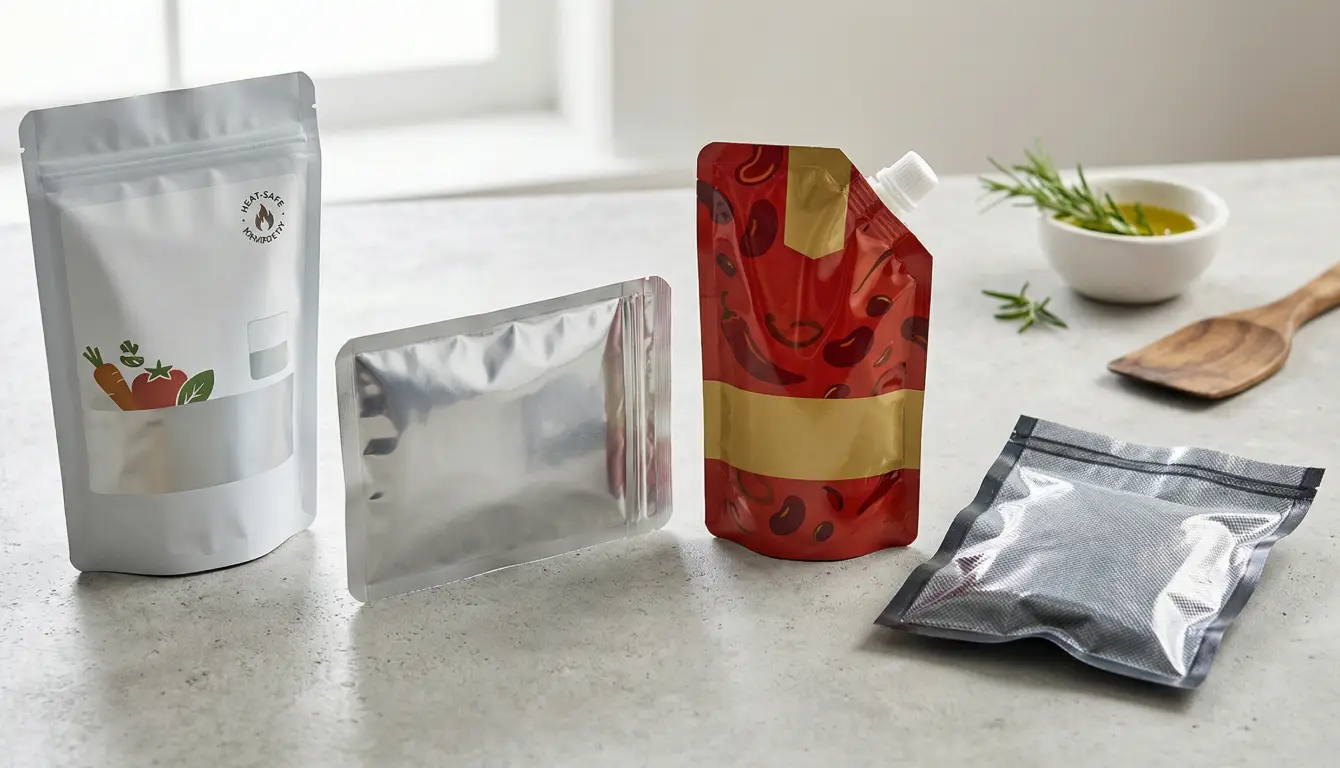
A retort pouch is a heat-sterilizable flexible package designed for shelf-stable food and beverage products. It is made from multiple layers of materials engineered to resist high-temperature thermal processing while protecting the contents from oxygen, moisture, and light.
In simple terms, retort pouch packaging gives brands the shelf stability of canned food with the convenience and lower weight of flexible packaging.
How Retort Pouch Packaging Works
After filling and sealing, the pouch is placed through a retort process. This thermal sterilization step uses high heat and pressure to destroy harmful microorganisms and make the product commercially sterile.
Because the package is built to withstand retort conditions, the food can remain safe at ambient temperature for extended periods. That is why shelf stable food pouches are widely used for ready meals, sauces, soups, proteins, and purees.
The exact process depends on product formulation, pH, water activity, pouch structure, seal design, and target shelf life. Professional validation is essential.
Key Benefits of Retort Pouches for Food Brands
The value of retort pouch packaging is not just technical. It directly improves margins, distribution efficiency, and consumer usability.
Longer Shelf Life
Sterilizable food packaging helps preserve food safely for long periods without refrigeration. When paired with the right barrier structure and validated process, products can maintain quality throughout distribution and retail storage.
This is especially important for export programs, emergency food supply, military applications, and channels with long inventory cycles.
Lower Transportation and Storage Costs
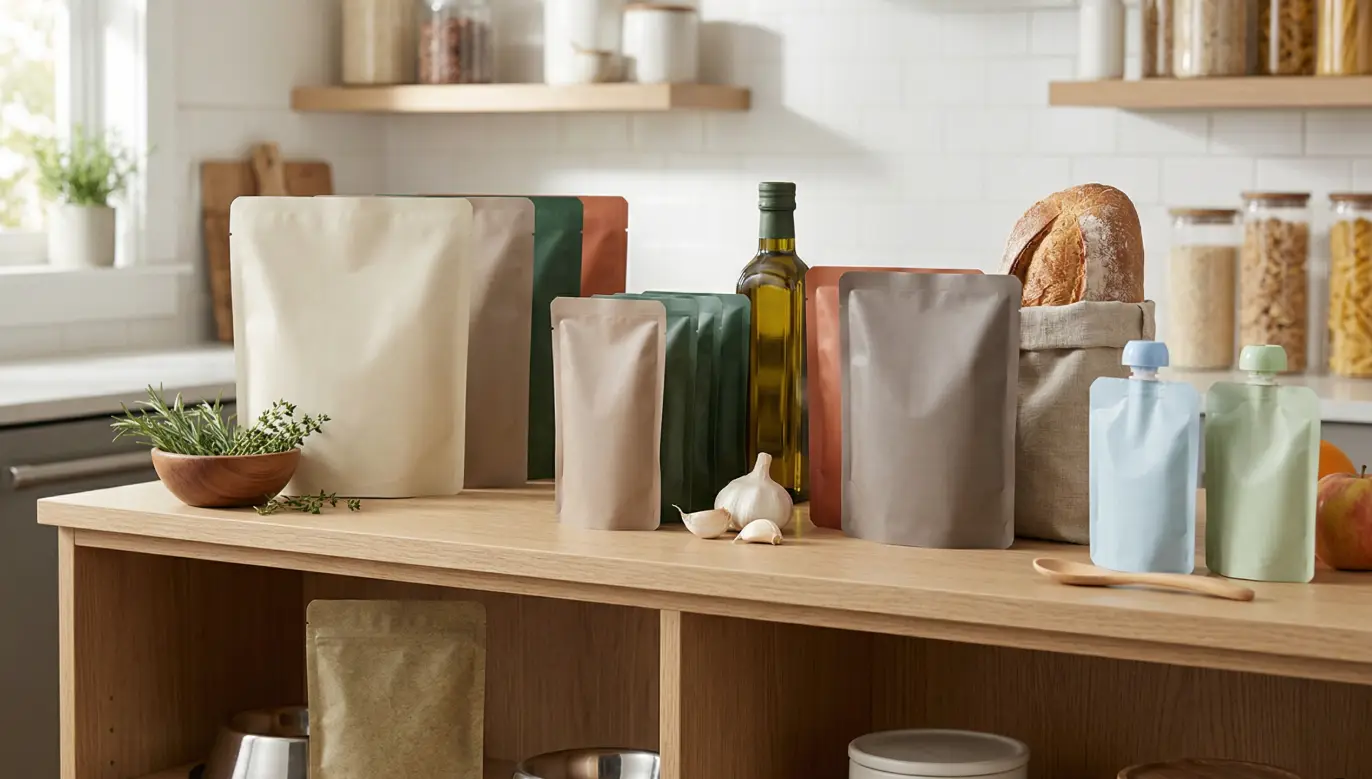
Flexible pouches weigh far less than cans and jars. That reduces shipping cost, improves pallet efficiency, and lowers warehouse space requirements.
For brands shipping high volume products, even small packaging weight reductions can produce meaningful annual savings.
Better Consumer Convenience
Consumers want packaging that is easy to open, easy to carry, and easy to store. Retortable stand up pouches meet those needs better than many rigid packs.
They are ideal for single-serve meals, travel-friendly foods, outdoor use, and compact pantry storage. Spouted formats also improve dispensing for semi-liquid products.
Strong Barrier Protection
High barrier flexible packaging protects food from oxygen, moisture, odor transfer, grease migration, and light exposure. This barrier performance is critical for products with sensitive flavor, texture, oil content, or nutrient stability.
For seafood, meat, baby food, and prepared meals, strong barrier properties often determine whether shelf life targets can be achieved.
Retort Pouch vs Can vs Glass Jar
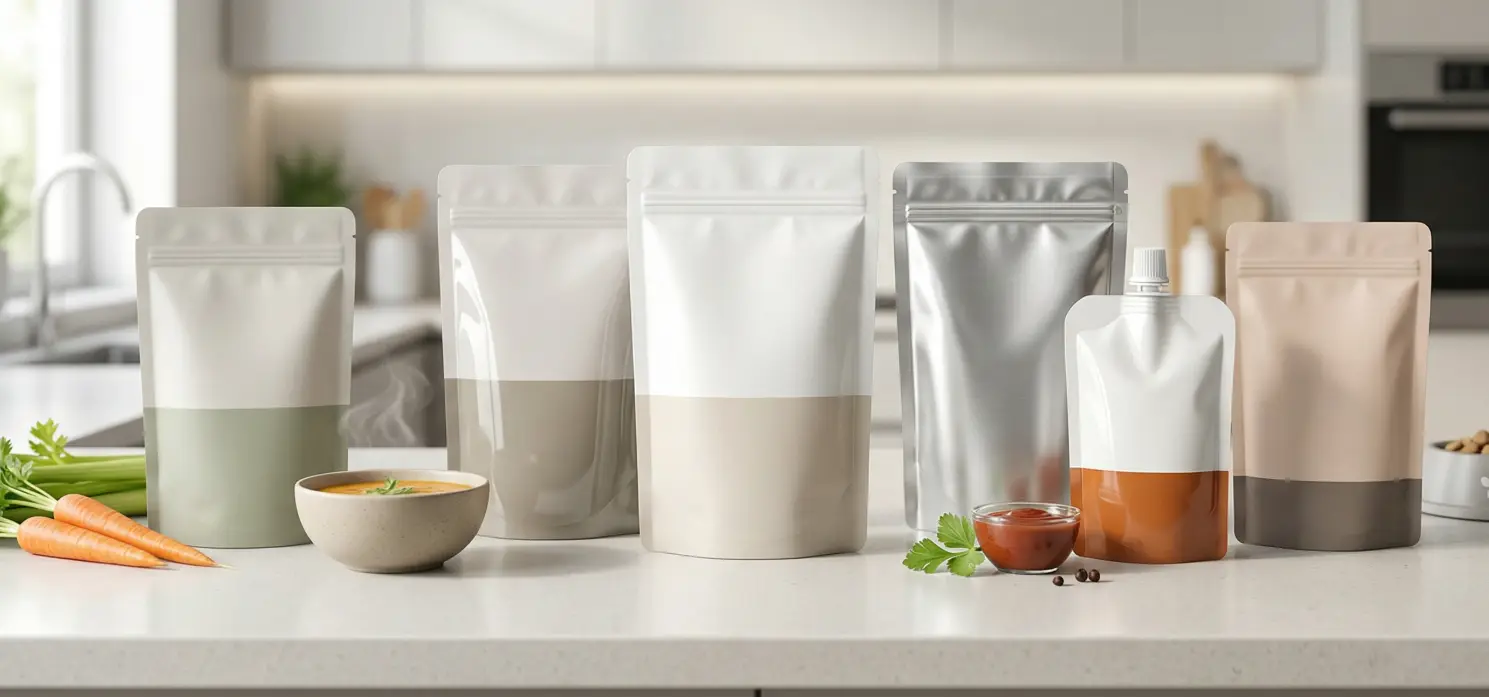
Each format has strengths, but flexible retort packaging often wins on shipping efficiency, usability, and modern shelf appeal.
Table: Packaging Format Comparison
| Packaging Format | Weight | Breakage Risk | Shelf Life Potential | Shipping Efficiency | Consumer Usability |
|---|---|---|---|---|---|
| Retort Pouch | Low | Very Low | High | Excellent | High; portable and easy-open options |
| Metal Can | High | Low | High | Moderate | Moderate; durable but less convenient |
| Glass Jar | Very High | High | High | Low | Moderate; premium feel but fragile |
Cans remain strong for some applications, and glass still carries premium visual appeal. But for many growing categories, retort pouch manufacturers are now serving the fastest-moving packaging demand.
Industries That Use Retort Pouch Packaging
Retort packaging is used across both food and non-food sectors, but food remains the largest and most dynamic market.
Ready-to-Eat Meals
Prepared meals are one of the biggest growth areas. Soups, curries, rice dishes, pasta meals, broths, and convenience entrees all benefit from compact, shelf-stable flexible packs.
Retailers also prefer formats that improve shelf utilization and reduce breakage losses.
Pet Food
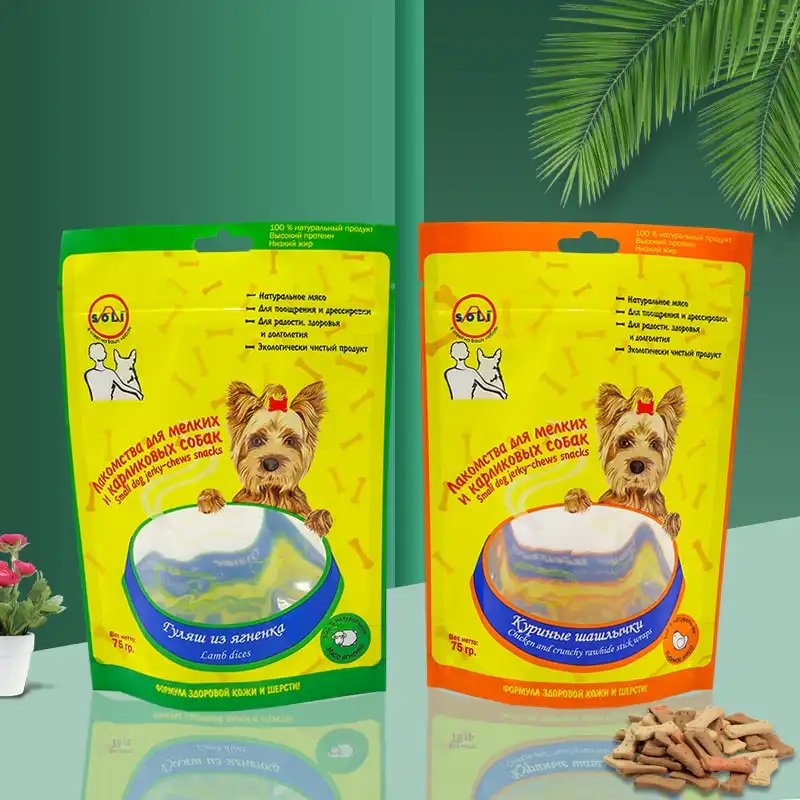
Premium wet pet food has rapidly adopted retort pouches. Pet owners increasingly want convenient single-serve packs, clean dispensing, and premium branding.
This makes retort pouch packaging especially attractive for gravy-based meals, protein blends, and functional pet nutrition.
Seafood and Meat Products
Protein-rich foods require reliable process control and strong packaging performance. Retort pouches are widely used for tuna, salmon, chicken, beef preparations, and ready-to-eat meat products.
The format supports long shelf life while reducing the weight burden associated with cans.
Baby Food and Nutritional Products
Baby food purees, fruit blends, medical nutrition, and performance nutrition products often use shelf stable food pouches. Spouted and stand-up formats make portioning easier for caregivers and active consumers.
In these segments, trust and compliance matter as much as convenience.
What Materials Are Used in High Barrier Flexible Packaging?
Retort pouches are usually built from multilayer laminates. Each layer serves a purpose, such as printability, puncture resistance, barrier protection, or seal strength.
The exact structure depends on product chemistry, filling temperature, retort conditions, and target distribution environment.
Common Layer Combinations
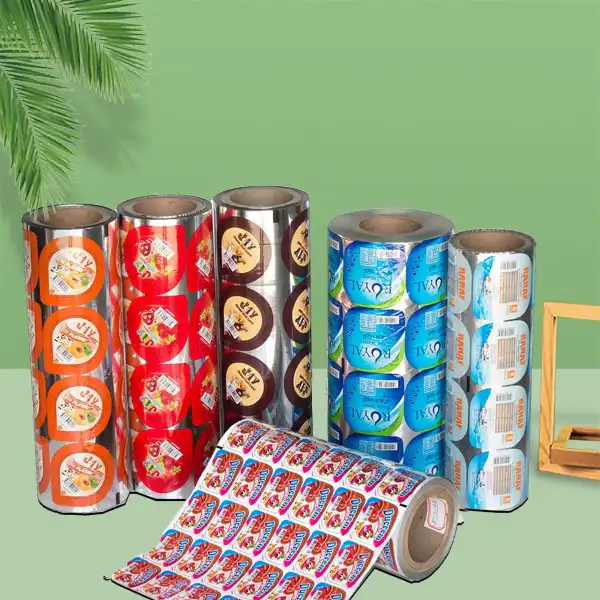
Typical materials include PET, nylon, aluminum foil, CPP, and other specialty films. Together, they create the strength and barrier needed for retort processing.
- PET: Good print surface and dimensional stability
- Nylon: Improved puncture resistance
- Aluminum foil: Excellent barrier against oxygen, moisture, and light
- CPP: Heat-seal layer with retort resistance
Table: Common Retort Pouch Material Structures
| Material Structure | Barrier Level | Heat Resistance | Typical Applications |
|---|---|---|---|
| PET / AL / CPP | Very High | High | Ready meals, sauces, meats, seafood |
| PET / NY / CPP | Moderate to High | High | Products needing puncture resistance |
| PET / NY / AL / CPP | Excellent | High | Premium long shelf life applications |
| OPA / AL / RCPP | Very High | High | Protein products and export packaging |
Material selection should never be based on cost alone. The pouch must be matched to product characteristics, retort profile, and seal performance requirements.
Types of Retortable Stand Up Pouches and Flat Pouches
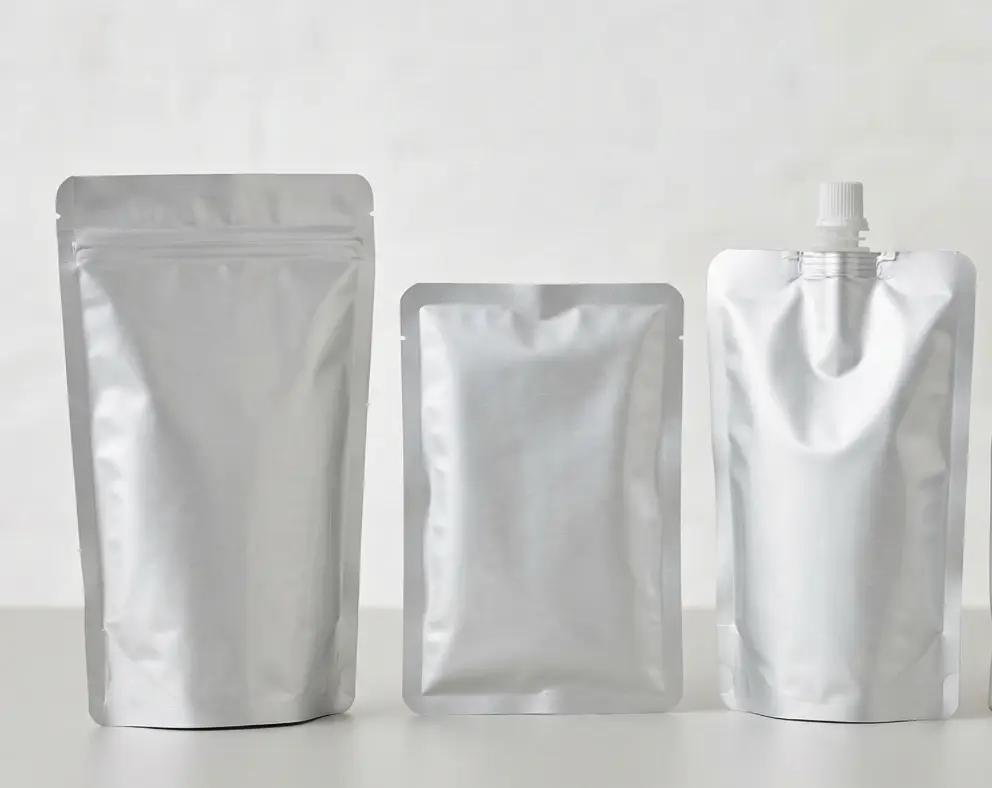
Retort packaging comes in several formats, each suited to different filling lines, shelf presentation goals, and user experiences.
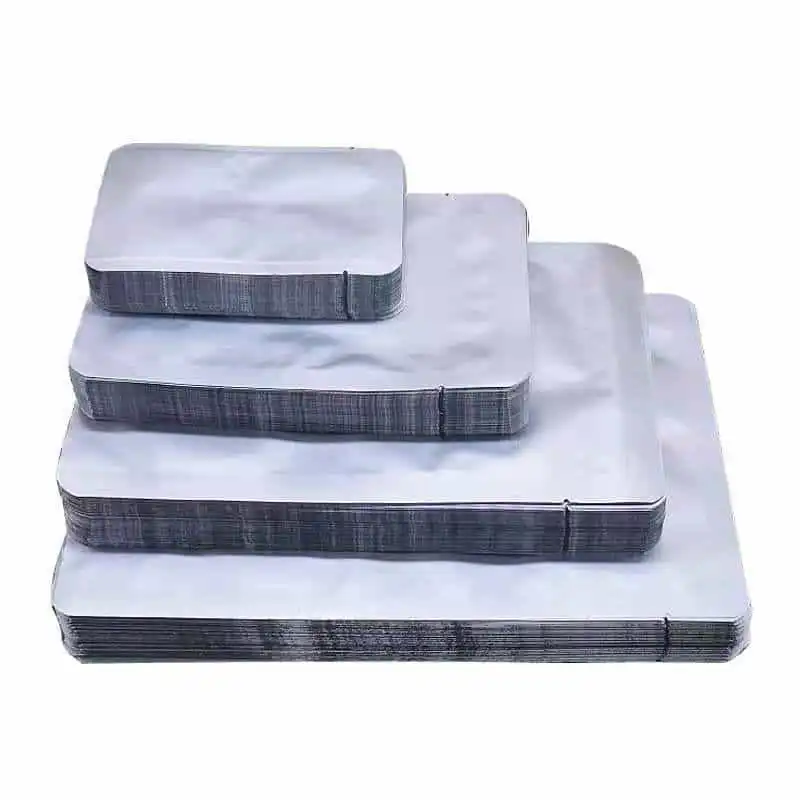
Flat Retort Pouches
Flat pouches are compact and efficient. They are commonly used for military rations, tuna, sauces, curries, and low-profile meal components.
They also offer excellent carton packing efficiency for bulk transport.
Retortable Stand Up Pouches
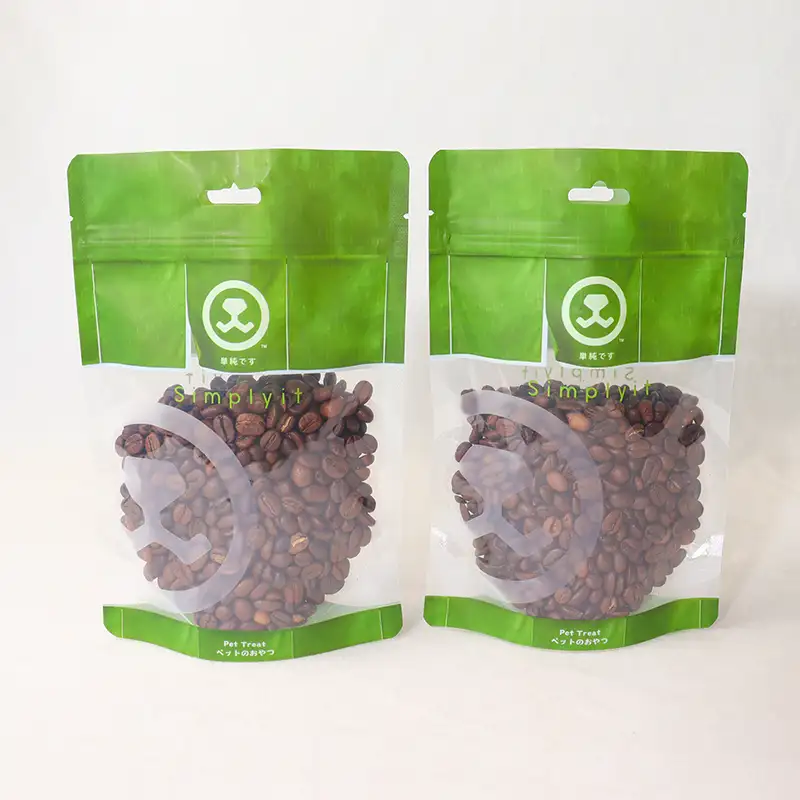
Retortable stand up pouches are designed to stand upright on shelf, improving retail presentation and brand visibility. They are widely used for soups, prepared meals, baby food, and convenience products.
For many brands, this format combines shelf appeal with practical consumer handling.
Spouted Retort Pouches
Spouted pouches are useful for liquids and semi-liquids. They allow controlled pouring or squeezing, making them ideal for purees, broths, sauces, and nutritional products.
They also support reclosure in selected applications, which improves user convenience.
How to Choose the Right Retort Pouch Manufacturers
Choosing the right supplier is not just about price. It is about food safety, technical reliability, scalability, and support throughout commercialization.
Certifications and Food Safety Compliance
Buyers should verify compliance with recognized standards such as FDA, BRC, ISO, HACCP, and relevant migration testing protocols. These are basic indicators of manufacturing discipline and food-contact safety control.
For regulated food applications, supplier documentation should be clear, current, and auditable.
Customization and Printing Capability
Strong suppliers offer custom sizes, pouch formats, finishes, barrier structures, and high-quality printing. This matters because retail success depends on both product protection and shelf impact.
Custom packaging should reflect filling method, product viscosity, shelf strategy, and brand identity.
Production Capacity and Lead Times
Capacity matters when demand scales. A supplier should be able to support pilot runs, commercial orders, and future volume expansion without major disruption.
Lead time consistency is especially important for food brands managing launch schedules and seasonal demand.
Technical Support and Testing
The best retort pouch manufacturers provide more than converting. They support seal integrity checks, burst testing, pouch compatibility review, and retort validation planning.
This technical support reduces launch risk and helps prevent packaging failure in production or distribution.
Common Challenges with Retort Pouches
Retort packaging is highly effective, but it is not without complexity. Brands should understand the technical demands before switching formats.
- Seal integrity is critical: weak seals can compromise sterility
- Material selection must be precise: not all laminates tolerate all retort conditions
- Product-package interaction matters: oils, acids, and particulates can affect performance
- Line compatibility may require adjustment: filling, sealing, and handling systems must match pouch design
- Validation takes time: shelf-life, burst, and transport testing should not be skipped
These are manageable issues, but only when the project is guided by experienced packaging and process teams.
Why Many Brands Work with YLTPACK
For buyers looking for a dependable custom packaging partner, YLTPACK offers practical advantages backed by experience.
- Founded in 2005
- Supports customized packaging solutions based on customer requirements
- Offers free samples for evaluation
- Certified with ISO22000 and FDA related compliance standards
- Experienced in flexible packaging development and manufacturing
If you are sourcing retort pouch packaging for a new product launch or replacing an existing rigid format, YLTPACK can help evaluate structure, format, and customization options.
| Company | Founded | Custom Service | Free Samples | Certifications | Contact |
|---|---|---|---|---|---|
| YLTPACK | 2005 | Yes, based on customer needs | Yes | ISO22000, FDA and related compliance support | [email protected] |
FAQ
What foods are best suited for retort pouch packaging?
Retort pouches are ideal for ready meals, soups, sauces, seafood, meat products, pet food, baby food, and nutritional products. They work especially well for foods that need commercial sterility and long shelf life without refrigeration.
Are retort pouches safe for shelf-stable foods?
Yes. When designed correctly and processed under validated retort conditions, retort pouches are a safe format for shelf-stable foods. Safety depends on the right material structure, strong seals, and proper thermal processing controls.
How do retort pouches compare with cans in cost?
Unit packaging cost can vary by structure and volume, but overall system cost is often lower with pouches because they reduce freight weight, storage space, and handling expense. Many brands evaluate total landed cost rather than package price alone.
What certifications should I look for in retort pouch manufacturers?
You should look for suppliers that understand FDA requirements and hold recognized food safety and quality certifications such as ISO22000, BRC, or HACCP-based systems. Migration testing, material compliance documentation, and validation support are also important.
Can retort pouches be customized for my product?
Yes. Retort pouch manufacturers can customize size, shape, finish, print design, barrier structure, and pouch format based on your product and filling process. Customization is one of the biggest advantages of flexible packaging.
Can I request samples before placing a bulk order?
Yes. Many professional suppliers offer samples so brands can test fit, barrier suitability, filling compatibility, and shelf presentation before mass production. YLTPACK offers free samples for qualified packaging projects.
Final Thoughts
Retort pouches are no longer just an alternative format. They are now a strategic packaging solution for brands that need shelf stability, lower logistics cost, strong barrier protection, and better consumer convenience.
For companies evaluating retort pouch manufacturers, the key is choosing a supplier with proven technical capability, food safety discipline, customization strength, and responsive support.
Get Expert Support for Your Retort Pouch Project
If you are planning a shelf-stable food launch, upgrading from cans or jars, or developing custom high barrier flexible packaging, contact YLTPACK today.
Request your free sample, discuss your product requirements, and get a customized solution built around your application. Email: [email protected].