Why Your Stored Pet Food Keeps Attracting Unwanted Visitors
Let's walk through the science behind what attracts pests, the storage mistakes that invite them in, and the packaging solutions that create an impenetrable barrier between your product and unwanted guests.
What Actually Attracts Insects to Dry Pet Food
Understanding the enemy is step one. The most common culprits include Indian meal moths, sawtoothed grain beetles, drugstore beetles, and warehouse beetles. They're attracted to the same things your pet loves — protein, fat, and grain-based carbohydrates.
Here's what makes stored kibble and treats particularly vulnerable:
- High fat content: Pet food formulations often contain 12–20% fat, which produces odors that draw pantry pests from surprising distances
- Grain-based ingredients: Corn, wheat, and rice are natural magnets for grain beetles and moth larvae
- Warm storage environments: Most storage pests thrive between 75–85°F (24–29°C), exactly the temperature range of many warehouses and garages
- Humidity above 60%: Moisture accelerates both pest activity and mold growth, creating a compounding problem
A 2024 study published in the Journal of Stored Products Research found that unsealed or poorly sealed pet food containers showed pest activity within 14 days in controlled warehouse conditions. That's just two weeks from shelf to infestation.
The Lifecycle You Can't See
What makes pantry pests so sneaky is their microscopic egg stage. Female Indian meal moths can lay up to 400 eggs at once, and the eggs are nearly invisible to the naked eye. By the time you spot larvae or webbing, the infestation is already well-established.
This is why reactive solutions — cleaning after you spot bugs — will always be less effective than preventive packaging and storage strategies that stop the cycle before it begins.
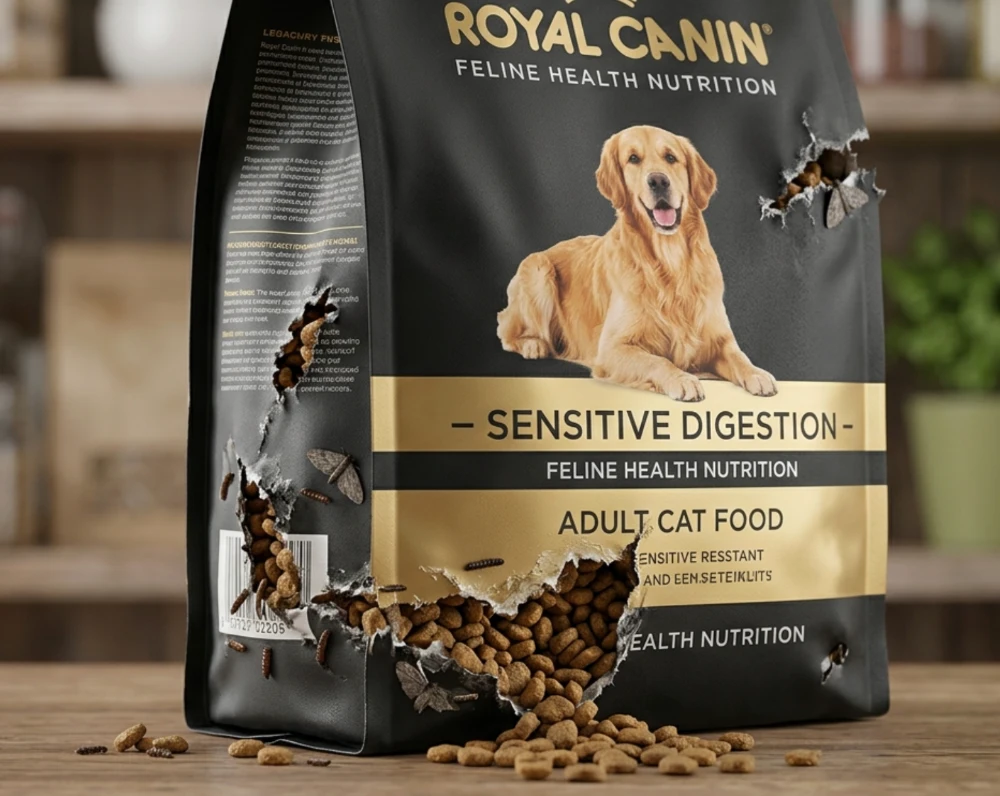
The Five Most Common Storage Mistakes That Invite Infestation
Working with pet food brands across North America, we've found that the most common mistake is assuming the retail bag is sufficient for long-term storage. Here are the five errors we see repeatedly:
| Mistake | Why It's Problematic | What Happens |
|---|---|---|
| Leaving bags open or loosely rolled | Provides direct access for flying and crawling insects | Infestation within 1–3 weeks |
| Storing in garages or sheds | Temperature fluctuations and higher pest populations | Accelerated spoilage + pest attraction |
| Pouring food into non-airtight containers | Residue buildup attracts pests; no oxygen barrier | Cross-contamination between batches |
| Ignoring "best by" dates | Degraded fats emit stronger odors | Heightened pest attraction over time |
| Using packaging without proper seals | Micro-gaps allow entry for eggs and larvae | Invisible contamination from day one |
The pattern is clear: most infestations aren't about dirty environments. They're about access points. Seal those gaps, and you cut off the problem at its source.
How Packaging Design Serves as Your First Line of Defense
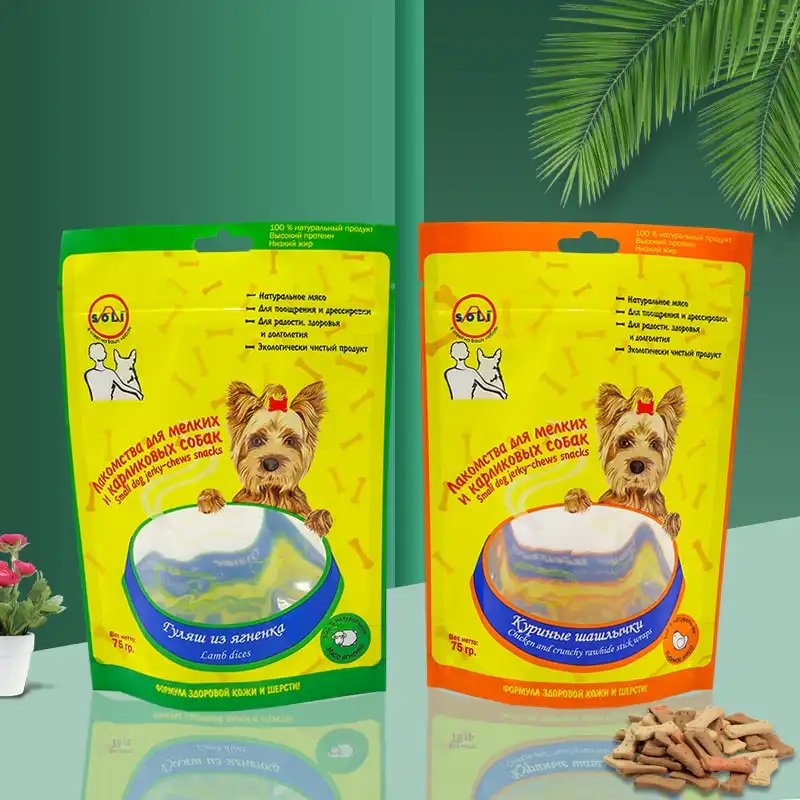
When pet owners complain about bugs in their dog or cat food, they blame the brand — not their storage habits. That's why the packaging itself needs to do the heavy lifting. Think of it as your product's armor.
Effective pest-resistant packaging incorporates three key elements:
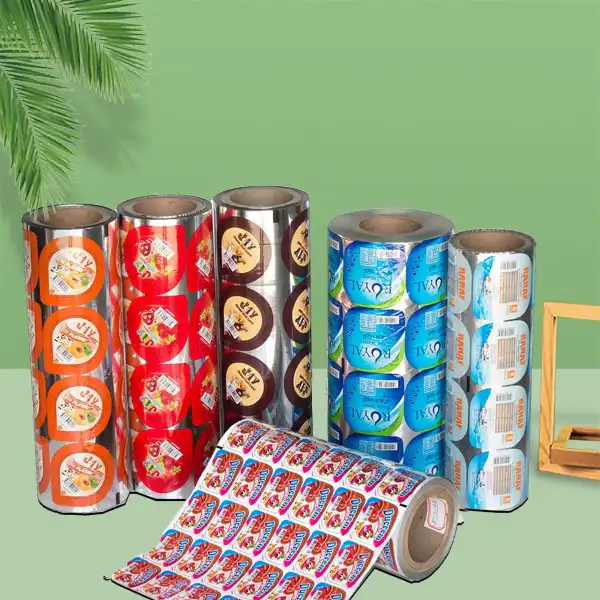
- Multi-layer barrier films: Combinations of PET, aluminum foil, and PE layers create physical barriers that insects cannot chew through or penetrate
- Hermetic seals: Heat-sealed closures that leave zero micro-gaps, unlike fold-over or adhesive strip closures
- Modified atmosphere packaging (MAP): Nitrogen flushing displaces oxygen, making the environment inhospitable for pest eggs that may already be present in raw ingredients
Because we hold FDA and ISO 22000 certifications, we recommend that brands consider barrier properties during the design phase — not as an afterthought. The difference between a standard poly bag and a properly engineered multi-layer pouch can mean the difference between a 6-month shelf life and a 14-month one.
Material Selection Matters More Than You Think
Not all packaging materials offer equal protection. Here's a practical comparison:
| Material Structure | Pest Resistance | Moisture Barrier | Oxygen Barrier |
|---|---|---|---|
| Single-layer PE | Low | Moderate | Poor |
| PET/PE laminate | Moderate | Good | Moderate |
| PET/AL/PE (aluminum layer) | High | Excellent | Excellent |
| PET/VMPET/PE (metalized) | High | Very Good | Very Good |
| Kraft/AL/PE (paper exterior) | High | Excellent | Excellent |
As a manufacturer that has produced packaging for 20+ years, we've tested these structures extensively. Aluminum-layer laminates consistently outperform other options for long-term insect resistance because they create a true physical barrier — insects cannot bite through metal.
Practical Storage Guidelines for Brands and Pet Owners
Even with excellent packaging, storage conditions play a supporting role. Here's what we recommend for maintaining pest-free conditions from warehouse to kitchen pantry:
Temperature and Humidity Control
- Store pet food below 70°F (21°C) whenever possible
- Maintain relative humidity under 50% — this alone dramatically reduces pest reproduction rates
- Avoid direct sunlight, which heats packaging and creates condensation inside bags
- Never store food directly on concrete floors; use pallets or shelving to allow airflow
First In, First Out (FIFO) Rotation
This sounds simple, but stock rotation is your secret weapon. Older products emit stronger odor signatures as fats oxidize, making them pest magnets. Move older inventory forward and use it first. For retail and warehouse operations, aim for a maximum of 90 days between receiving and selling.
Secondary Containment Strategy
For brands shipping in bulk quantities, secondary containment adds another layer of protection:
- Shrink-wrapped pallet covers reduce exposure during transit
- Sealed master cartons prevent cross-contamination between SKUs
- Pheromone traps placed near storage areas provide early detection before problems escalate
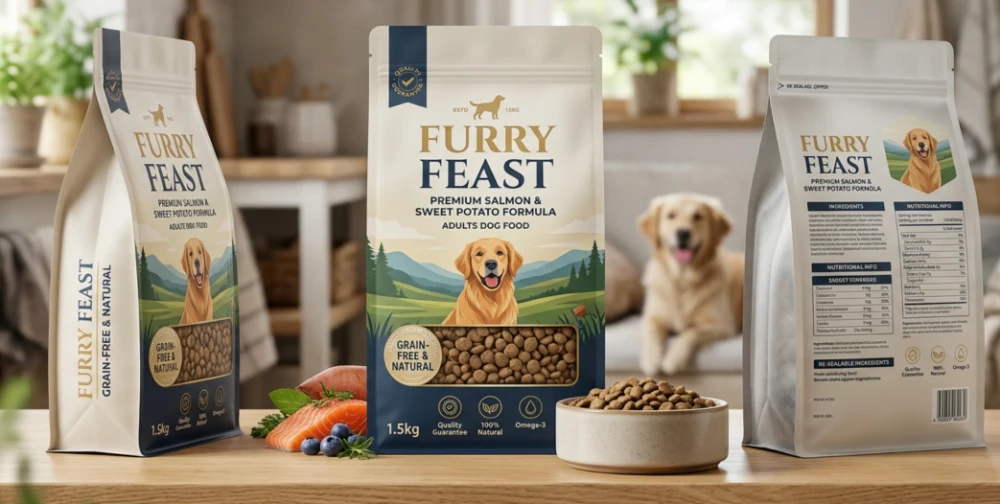
Zipper Closures and Resealable Features: Do They Actually Help?
One question we hear constantly from brands: "Will adding a zipper make my bag more pest-resistant?" The answer is nuanced.
Resealable zippers help consumers maintain the seal integrity after opening. This matters enormously because most at-home infestations happen post-purchase, when bags sit partially open in pantries. A press-to-close zipper reduces that risk significantly.
However, not all zippers are created equal:
- Standard press-to-close zippers: Good for convenience, moderate pest protection
- Slider zippers: Higher seal integrity, better for heavier or larger bags
- Double-track zippers: The strongest consumer-operable seal available
Our in-house design team often helps brands who only have a rough idea of what closure system they need. The right choice depends on bag size, product weight, and whether consumers will access the bag daily or weekly. Each scenario calls for a different engineered solution.
Nitrogen Flushing: The Invisible Shield Against Hidden Eggs
Here's something most pet owners — and many brand owners — don't realize. Pest eggs can already be present in raw ingredients before the food is even packaged. Grain-derived ingredients commonly carry dormant insect eggs that are too small to detect visually.
Nitrogen flushing (or MAP) addresses this hidden threat by:
- Replacing the oxygen inside the sealed bag with food-grade nitrogen
- Creating an environment where insect eggs cannot hatch (they require oxygen)
- Simultaneously slowing fat oxidation, which extends freshness and reduces pest-attracting odors
In our 6,800㎡ cleanroom facility, we produce packaging specifically designed to maintain modified atmosphere integrity throughout the supply chain. The key is seal strength — even microscopic leaks will allow oxygen re-entry over time, defeating the purpose entirely.
For brands handling natural or organic formulations (which lack chemical preservatives), MAP-compatible packaging isn't optional. It's essential for keeping product safe and pest-free throughout the stated shelf life.
What Pet Owners Really Care About: Transparency and Freshness Signals
Today's pet parents treat their animals like family members. They read ingredient lists, research brands online, and actively look for signs that a product is fresh, safe, and responsibly made. A pest-related complaint doesn't just lose you one customer — it spawns negative reviews that deter dozens more.
From a packaging perspective, brands can signal quality and freshness through:
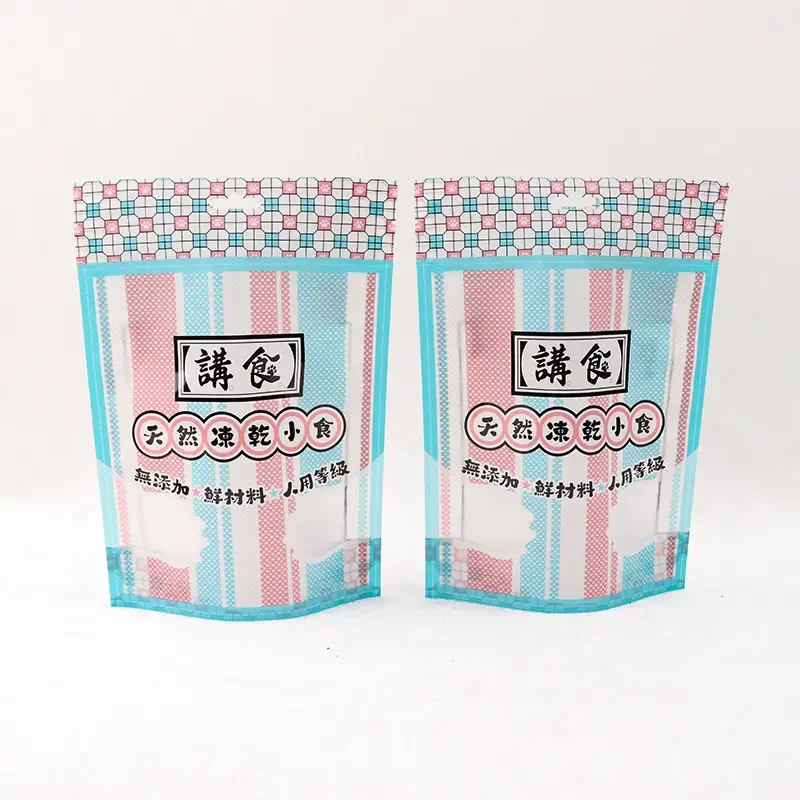
- Clear freshness windows: Small transparent panels that let consumers inspect product condition
- Visible seal indicators: Tamper-evident features that confirm the bag hasn't been compromised
- Storage instructions printed clearly on-pack: Educate consumers to protect your product after purchase
- Lot codes and production dates: Traceability builds trust and enables rapid response if issues arise
Pet owners increasingly prioritize ingredient transparency. Your packaging should communicate "nothing to hide" — both literally and figuratively. This intersection of food safety and consumer psychology is where smart packaging design really earns its return.
A Checklist: Protecting Your Product from Warehouse to Bowl
Whether you're a brand manager evaluating packaging options or a procurement specialist sourcing materials, here's a consolidated action plan:
- Select multi-layer laminate structures with aluminum or metalized barriers
- Specify heat-sealed closures (not adhesive) for initial seal integrity
- Include a resealable zipper appropriate to bag size and usage frequency
- Consider nitrogen flushing for products with organic ingredients or long shelf life targets
- Print clear storage guidance on packaging (temperature, humidity, resealing reminders)
- Implement FIFO inventory rotation in your distribution chain
- Place monitoring traps in storage areas for early pest detection
- Audit packaging suppliers for food safety certifications (FDA, ISO 22000)
- Test seal integrity regularly — a leaking seal defeats every other precaution
- Design for your specific climate zone; tropical markets need higher barrier specs
When to Consult a Packaging Partner
If you're experiencing recurring pest complaints, losing product to infestation during transit, or launching a new line and want to get it right from the start — it's worth having a direct conversation with your packaging manufacturer.
Key questions to ask any potential packaging partner:
- What barrier testing do you perform on finished bags?
- Can you provide oxygen transmission rate (OTR) data for your recommended structures?
- Do you manufacture in food-safe certified environments?
- Can you produce samples for shelf-life testing before committing to a full order?
At YLTPACK, we walk brands through material selection based on their specific formula, target shelf life, and distribution conditions. There's no one-size-fits-all answer — a freeze-dried treat needs different protection than a high-fat kibble.
If you'd like to discuss your specific situation, reach us at [email protected] or message us on WhatsApp at +86 182 1944 5665. We're happy to review your current packaging and suggest improvements based on what we've seen work across thousands of pet food SKUs.
Frequently Asked Questions
What types of insects are most commonly found in dry pet food?
Indian meal moths, sawtoothed grain beetles, and drugstore beetles are the most frequent offenders. They're attracted to the grain, protein, and fat content in kibble and treats. Their eggs are often microscopic, meaning contamination can be present before you see any visible signs.
Can insects chew through pet food bags?
Yes — and this surprises many people. Beetles and moth larvae can chew through single-layer polyethylene and even some paper-based materials. Multi-layer laminates that include aluminum or metalized film layers are the most reliable physical barriers, as insects cannot penetrate metal.
Does freezing pet food kill existing pest eggs?
Freezing at 0°F (-18°C) for at least 72 hours can kill most stored-product pest eggs and larvae. However, this is a reactive measure — it won't keep new pests from entering after thawing. Proper sealed packaging remains the more sustainable, long-term solution for brands shipping at scale.
How long does it take for pests to infest improperly stored kibble?
In warm, humid conditions (above 75°F with humidity over 60%), an exposed or poorly sealed bag can show signs of pest activity in as little as 10–14 days. Cooler, drier conditions slow reproduction rates considerably but don't eliminate risk entirely.
Is there an eco-friendly packaging option that still protects against pests?
Absolutely. Recyclable mono-material structures and kraft paper laminates with bio-based barrier coatings are advancing rapidly. While they historically offered lower protection than traditional aluminum laminates, newer formulations are closing that gap. We recommend testing any sustainable material choice with accelerated shelf-life studies before a full market launch to ensure it meets your pest-resistance requirements.