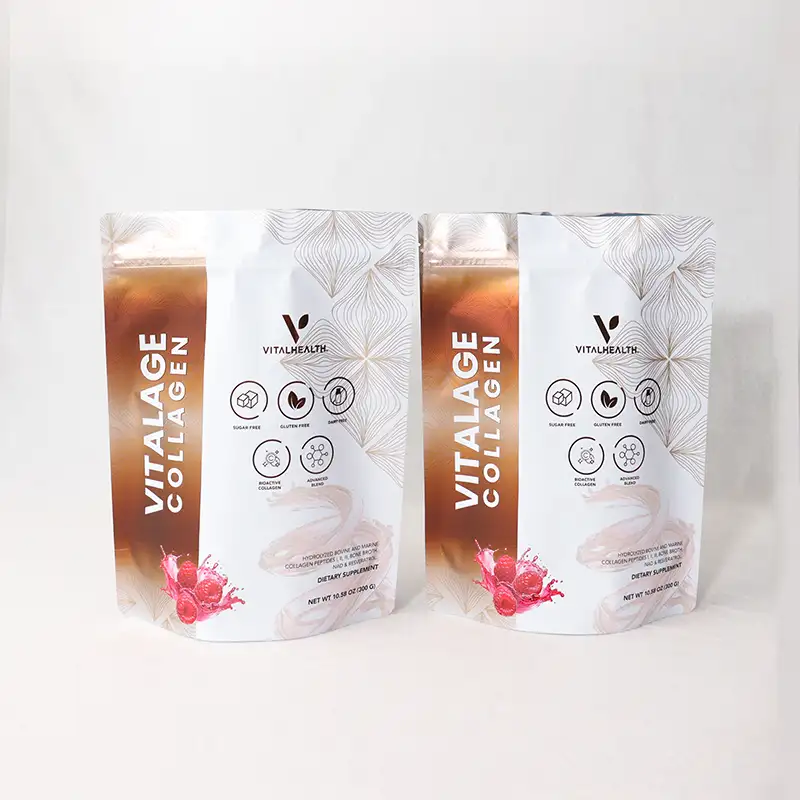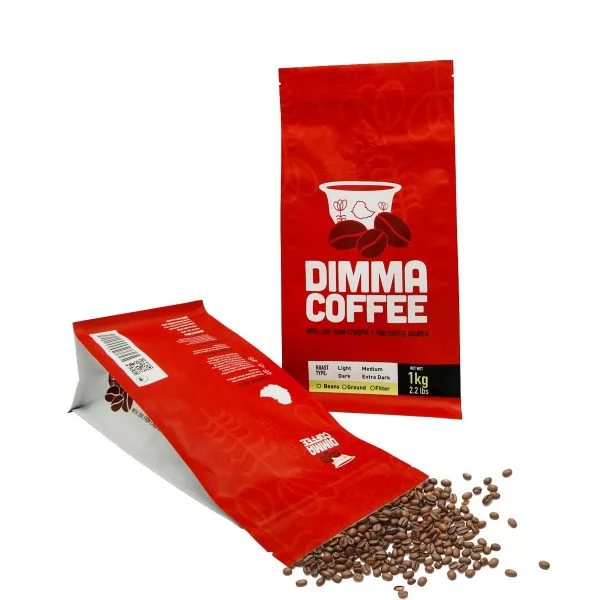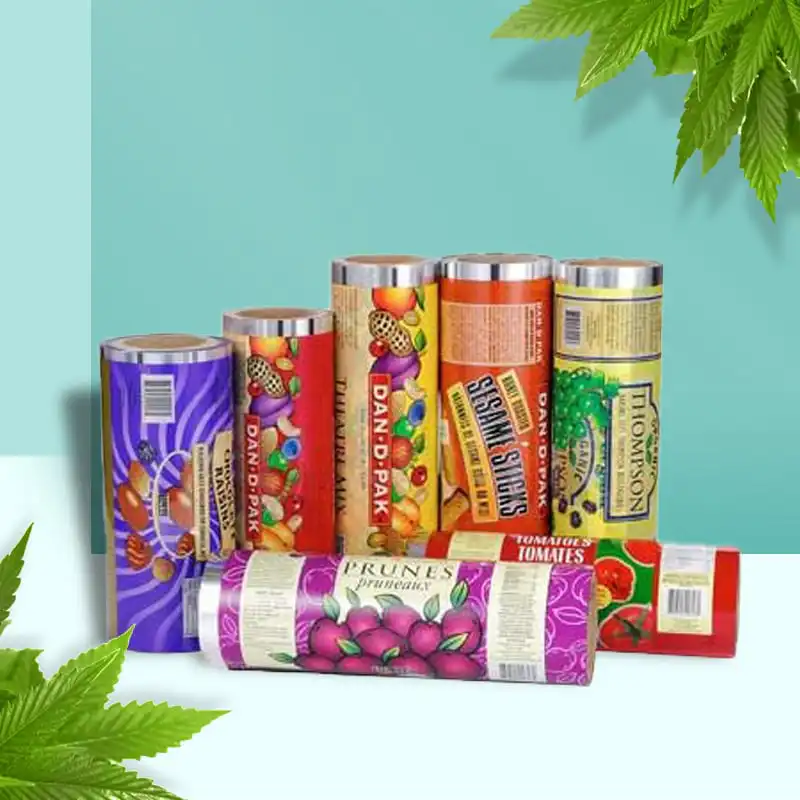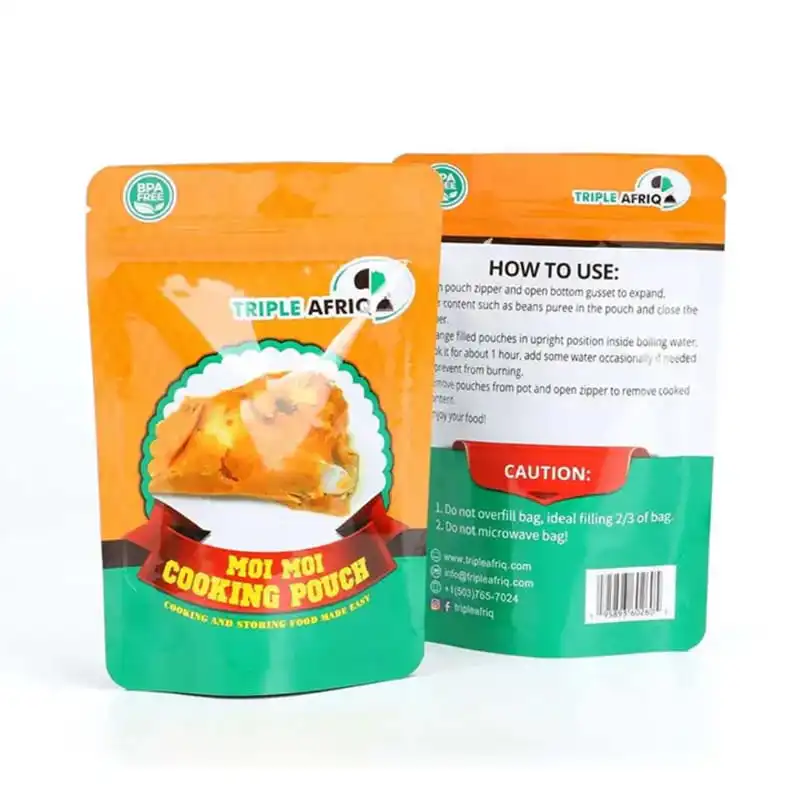
The common belief is that Chinese pouch factories only take 50,000-piece orders and give you one chance to get the print right. That has not been true for years. Digital print can start at 1,000 pcs per design, and you can get a free sample before production and an itemized quote within one business day. The sections below explain how to brief a custom printed pouches manufacturer in China with confidence.
Custom printed pouches from China suit brand owners and private-label buyers who want factory pricing and full control over size, material and artwork. The main lesson is simple. Brief a plant that prints, laminates and converts in-house. Compare itemized quotes built on the same structure, and approve a physical sample before you sign off on production.
What Does a Custom Printed Pouches Manufacturer in China Actually Do In-House?
A real pouch manufacturer runs printing, lamination and bag making on its own machines. A trading company passes your order to one or more plants it does not control. Ask which steps happen under the factory's own roof. Every outsourced step adds a handoff you cannot see and a party you cannot audit.
Printing, Lamination and Converting: Why One Roof Matters
A printed pouch goes through three main stages. The film is printed, then laminated to one or more other films, then converted into bags by cutting, sealing and adding zippers, valves or spouts. Lamination means bonding two or more film layers into one sheet so that the finished material has the barrier and strength the product needs.
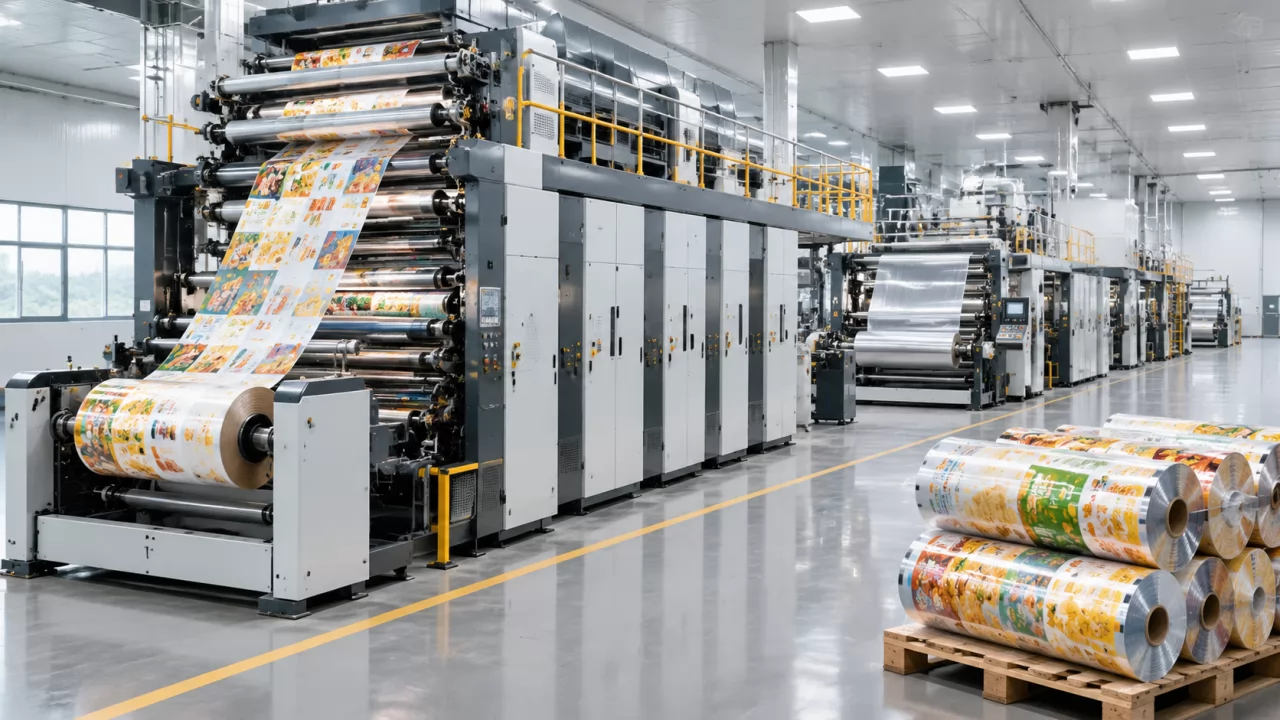
When the three stages run at three different sites, rolls get shipped between them. Each transfer brings a new operator, new machine settings and another chance for colours to drift between runs. The worst case shows up after delivery. If a seal fails, the printer blames the laminator, the laminator blames the converter, and nobody pays for the scrapped stock.
A single plant cannot hide behind that chain. One team owns the color standard, the laminate recipe and the seal settings, so a defect leads back to one cause.
Manufacturer vs. Trading Company: Quick Tells
Supplier websites tend to look alike. These questions sort them quickly:
- Plant area: Ask for the production floor area in square metres and where the plant is. Trading companies usually answer vaguely or give an office address.
- Print colours: Ask how many colours the in-house press prints. A manufacturer knows its press setup. A middleman often has to check.
- Machine count: Ask how many printing, laminating and bag-making machines are on site, and request a video walk-through of the floor.
- Design team: Ask whether artwork layout and prepress are done in-house. If the files go to an outside studio, that is one more handoff.
- Quality checks: Ask how many checks run before packing and what each one covers. A specific list is a good sign. "Strict QC" with no list is not.
Example: A Shenzhen Plant Running the Full Process
Shenzhen Yongliantai New Material Technology Co., Ltd. (brand YLTPACK) is a custom printed flexible packaging manufacturer that has made bags since 2005. Printing, lamination and bag making run in its own 6,520 m² cleanroom plant in Shenzhen. The plant has 9-colour in-house printing and 30+ printing and converting machines, with its own sales and design team. For buyers who want an OEM packaging bag factory in Shenzhen, those are the facts to check against any other quote.
Which Bag Format and Material Fit Your Product?
The right pouch format depends on how the product is filled, used and sold. Pick the format first. Then pick a laminate for the barrier the product needs against oxygen, moisture, light or heat. If you choose the material first, you often end up redesigning the bag after the first sample.
Matching Format to Use
The table below maps common product needs to the format that usually fits and the extras that tend to come with it.
| Product need | Recommended format | Typical extras |
|---|---|---|
| Liquids, sauces, pastes | Spout pouch, leak-tested before production | Spout and cap, tear notch |
| Food cooked or sterilized in the bag | Retort pouch rated for your process temperature | Tear notch |
| Shelf impact | Stand-up or flat bottom pouch, full print | Window, hang hole |
| Opened and closed often | Ziplock or slider bag | Zipper or slider, tear notch |
| Fresh roasted coffee | Flat bottom or stand-up pouch | Degassing valve, zipper |
| Long shelf life | Foil or high-barrier laminate in any format | Zipper, tear notch |
Choose the format by how the product is used, then add only the extras that use calls for, because each extra appears as its own line on the quote.
Barrier and Laminate Choices in Plain Words
Most printed food packaging pouches use a laminate of two to four layers. The outer layer carries the print, usually PET (polyester) or BOPP (biaxially oriented polypropylene). A middle layer adds barrier. The inner layer is the sealant, usually a polyethylene (PE) film that touches the product and melts to form the seal.
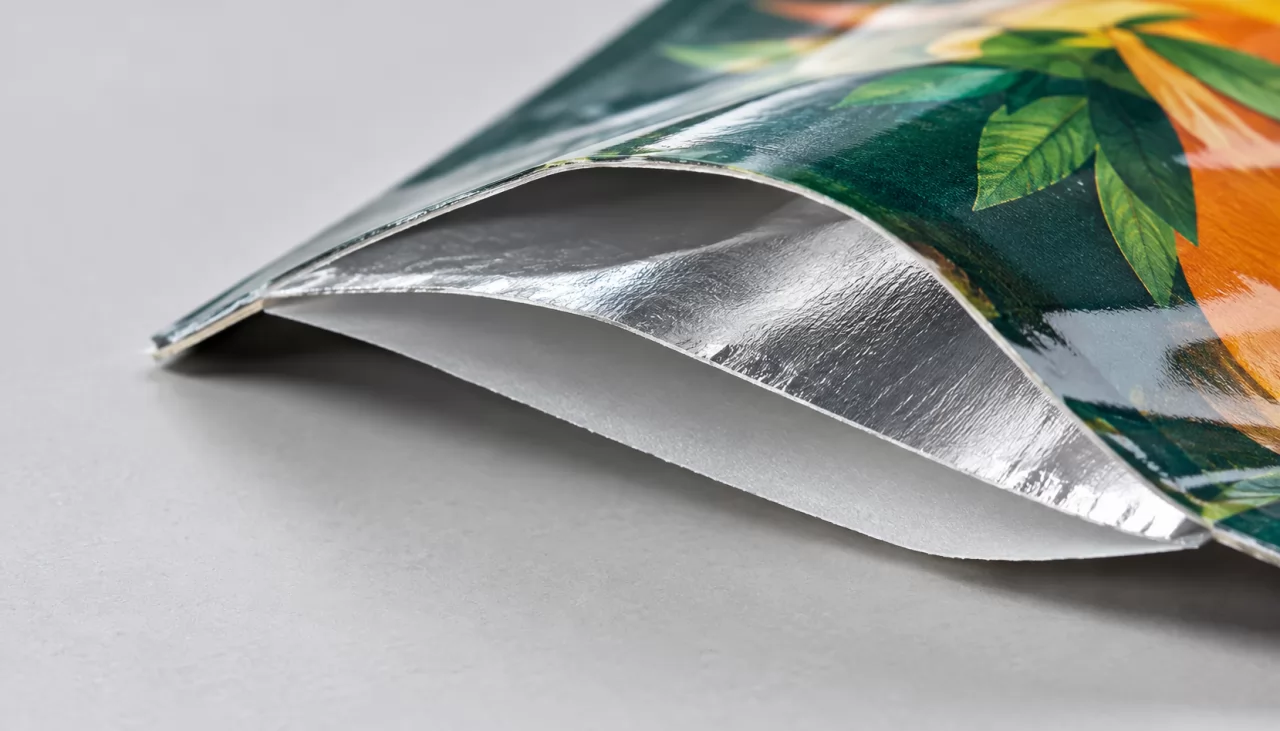
- Aluminium foil laminate: Usually the highest barrier against oxygen, moisture and light. It suits coffee, powders and long shelf-life food. The bag cannot be seen through and creases if handled roughly.
- Mylar: In pouch trade usage, Mylar means PET film, often metallized. It gives a shiny finish and good barrier at a lower weight than foil, though usually less barrier.
- Kraft paper laminate: Kraft paper is bonded to a film, so the outside has a natural paper feel. The barrier comes from the inner layers, not the paper.
- Mono-PE: A structure built mainly from one polymer family, polyethylene. It is specified when a single-material design is the goal. Barrier and stiffness differ from mixed laminates, so test a sample with your product.
Foil and Mylar laminates are multi-material structures and should not be described as recyclable on your pack.
Laminated Roll Stock Film for FFS Lines: What a Roll Stock Film Manufacturer in China Needs From You
Form-fill-seal (FFS) is a packaging process where a machine forms bags from a continuous roll of film, fills them and seals them in one line. The film has to match your machine, not only your artwork. Send these details with your RFQ:
- Machine type: Vertical or horizontal FFS, plus the brand and model if you have them.
- Web width: The film width your forming collar or former takes.
- Core size: The inner diameter of the roll core your unwind shaft accepts.
- Roll diameter: The largest outer diameter or roll weight your unwind can handle.
- Print repeat and eye mark: The cut-off length and where the registration mark should sit.
Roll stock film MOQ is 100 kg, which makes a trial run on your own line practical before you commit to volume.
Digital or Gravure: How MOQ, Print Colours and Unit Cost Work
Digital print fits product launches, test runs and ranges with many designs, starting at 1,000 pcs per design. Gravure print fits repeat orders from 10,000 pcs per design and gives the lowest unit price. The decision comes down to how many designs you run and how often you reorder each one.
Digital printing puts the image straight onto the film from a file, with no plates or cylinders, so setup is fast and design changes cost little. Gravure printing uses engraved metal cylinders, one per colour. Cylinder making is usually a one-time charge per design. After that, unit cost drops on long, repeated runs.
MOQ Is Counted Per Design
Minimums apply to each artwork, not to the order total. Five flavours at 1,000 pcs each is five digital jobs that meet the minimum. One design at 5,000 pcs is a single job. The totals match, but the cost and the press setup do not.
This catches buyers who split one gravure order into many SKUs. Ten designs at 2,000 pcs each will not reach a 10,000 pcs gravure minimum per design. That order belongs on digital until single designs reorder in volume.
Specialty structures carry higher minimums. Compostable, recyclable mono-PE and recycled-content structures start at 30,000 pcs per design, because the films are bought and run in larger lots.
What Moves the Price on an Itemized Quote
No serious pouch factory publishes a price list. Each order is quoted on these drivers:
- Material: Laminate type and layer count. Foil, kraft and specialty films each change the cost.
- Size: Bag dimensions set how much film each piece uses.
- Print colours: More colours mean more setup, and on gravure more cylinders.
- Quantity per design: Higher volume per artwork spreads setup cost over more pieces.
- Extras: Zipper, degassing valve, window, hang hole, spout and tear notch are each priced separately.
Ask for every driver as its own line. A single lump-sum price makes it impossible to see where two suppliers actually differ.
What Compliance Documents Should You Ask For?
Compliance documents should match the exact pouch structure and the market where you sell. Check what each document covers. A factory management certificate shows how the plant is run. A film test report shows what a specific material passed. Buyers often mistake one for the other, and customs or retail auditors will notice.
- Food contact: Ask whether the food-contact layer has a test report. The correct wording is that the PE film is tested to FDA 21 CFR food-contact requirements. Do not write "FDA approved" or "FDA certified". FDA does not approve packaging films that way. For the EU, check the structure against Regulation (EC) No 1935/2004, the framework regulation for food-contact materials, and against Regulation (EU) No 10/2011 for plastic layers. Your compliance team or a testing lab should confirm what your product category needs.
- Management systems: ISO 22000 is the international standard for food safety management. ISO 9001 covers quality management. BSCI (the amfori Business Social Compliance Initiative) covers social compliance, and some brands also ask about Disney audit status. Ask for current copies with the quote and check the scope and expiry dates.
- Eco claims: Claim compostability, recyclability or recycled content only for the exact structure you order. Back each claim with film certificates. For recycled content, back it with GRS (Global Recycled Standard) chain-of-custody documents. Foil and Mylar bags are not recyclable, so leave recycling marks off them.
How to Choose a Custom Pouch Manufacturer in China
A custom pouch manufacturer in China is best judged by the completeness of its quote, how its sample performs and the QC it runs before packing. The homepage tells you little. Send the same brief to every shortlisted supplier, then compare the answers line by line instead of comparing photos and promises.
Five Criteria That Separate Factories
- Process control under one roof: Printing, lamination and converting in one plant means one party answers for colour, bond strength and seals.
- Recommended structure in writing: The quote should name the laminate layer by layer. If two options fit, you should see one marked as recommended and each priced, so you are not left guessing.
- A sample that matches your spec: A free sample of a similar bag lets you check size, feel and fit before any cylinders or print files are committed.
- Leak testing and pre-shipment checks: Ask for the inspection list. For reference, YLTPACK runs leak-proof testing before shipment and 11 quality checks before packing. Ask other suppliers for the same level of detail.
- Documents that match your market: Test reports and certificates should cover your structure and your destination, not only the factory in general.
Rule of thumb: the supplier whose quote asks you the most specific questions is usually the one that will make the fewest assumptions on the press.
RFQ Checklist: What to Send for an Accurate Quote
- State the product and the fill weight or volume per bag.
- Attach the bag type or a reference photo or link.
- Give the bag size if you know it, or ask for a size recommendation based on fill.
- Specify the quantity per design.
- Count the number of designs or SKUs.
- Send finished artwork, or describe the idea for free layout support.
- List the extras: zipper, valve, window, hang hole, spout or tear notch.
- Name the target market so the right compliance documents come with the quote.
Testing the Sample Before You Commit
Treat the sample from a custom stand-up pouches factory in China as a test, not a souvenir. Fill it with your real product at your real fill weight. Check that the bag stands, that the headspace looks right and that the gusset opens fully.
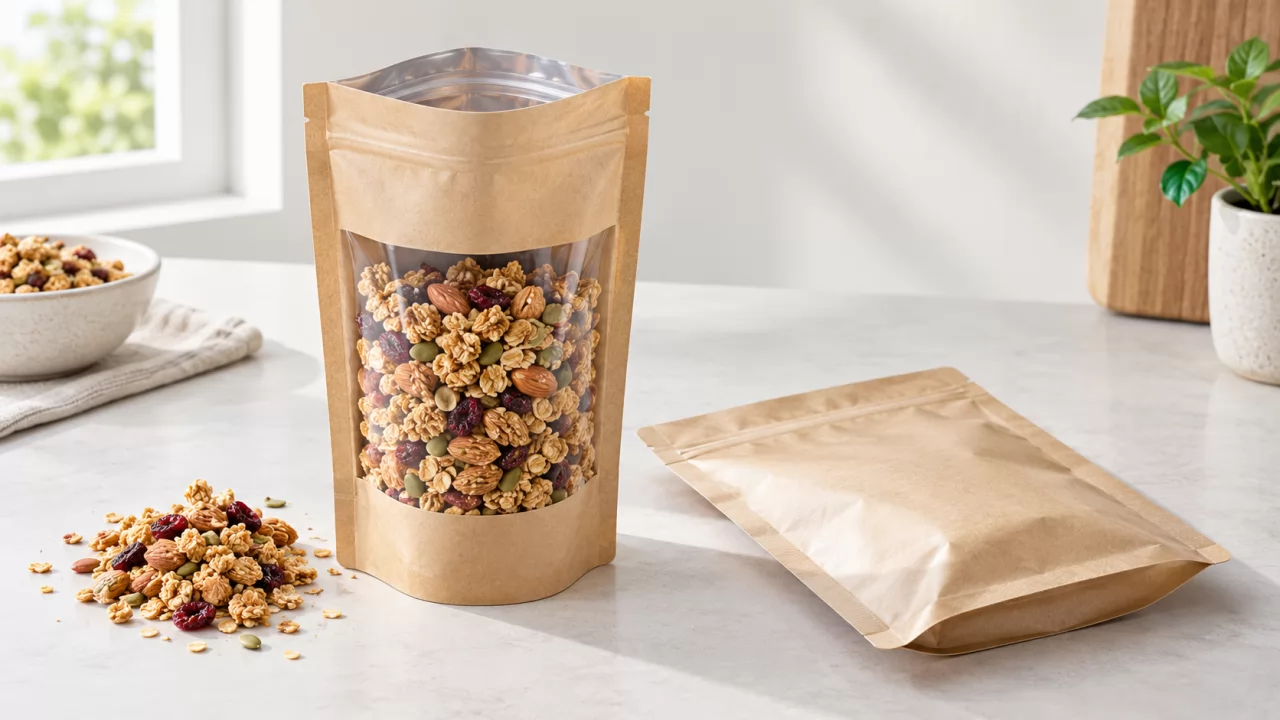
Open and close the zipper a few dozen times. Squeeze a sealed bag to feel for weak seals. Under good light, look for print registration: the colours should line up, with no halos around text or logos. If you run a filling line, put a few samples through it. Do the same with a shelf, because a pouch that looks right on a desk can lean or sag in a display.
Write down every change you want and get it confirmed in writing before artwork approval.
How Long Does an Order Take, and Where Do Orders Slip?
Pouch production takes 7-15 days after artwork approval. Shipping time depends on whether you choose air, sea or express, and it is quoted with the order rather than promised up front. The part you control most is how fast the artwork gets approved.
- Brief: Send the product, quantity and a reference bag photo or link. Artwork is optional at this stage.
- Quote and design in 1 business day: You receive a recommended structure, an itemized price and free design support.
- Free sample: Check size, feel and fit with your own product.
- Production: 7-15 days after artwork approval, with quality checks before packing.
Orders usually slip at a few predictable points:
- Low-resolution artwork: Images that look sharp on screen can print soft. Fixing them after the proof costs days.
- Structure changes after the proof: Switching laminate or adding a window resets the quote and the proof.
- Courier assumptions: The sample is free, but you pay the courier. Arrange the account early so samples do not sit waiting.
- Mismatched quotes: A cheaper quote on a thinner or different laminate is not a saving. It is a different bag.
The fixes are simple. Run every file through an artwork DPI checker before sending it. Confirm the final structure in writing. Put competing quotes side by side line by line, with identical layers, size, colours and extras.
FAQ
Is the sample free?
Yes, for similar bags. You pay the courier fee. A similar sample lets you check size, material feel and fit before your own artwork goes to print.
Can I order several designs at the minimum?
Yes. MOQ applies per design: 1,000 pcs for digital print and 10,000 pcs for gravure. Each design has to meet the minimum for the print method you choose.
Are foil or Mylar pouches recyclable?
No. Foil and Mylar pouches are multi-material laminates. If recyclability matters for your market, ask about a mono-PE structure. Certificates for that exact film are provided with the quote.
Is the film FDA approved?
No, and that wording should not appear on your pack or spec sheet. The PE film is tested to FDA 21 CFR food-contact requirements, and the test report comes with the quote.
Send Your Brief and Get an Itemized Quote
Send the RFQ checklist items to [email protected], or call +86 182 1944 5665. You will get a recommended structure and an itemized price within one business day, with free design help and a free sample.