If you are sourcing flexible packaging, the wrong flat pouch supplier can cost far more than a few cents per unit.
For procurement teams, brand owners, and private-label buyers, the real risk is delayed launches, inconsistent barrier performance, sealing failures, and inaccurate quotes caused by incomplete specifications.
This guide is built for buyers who want to compare manufacturers more effectively, reduce total packaging cost, and send stronger RFQs that get faster, more accurate responses.
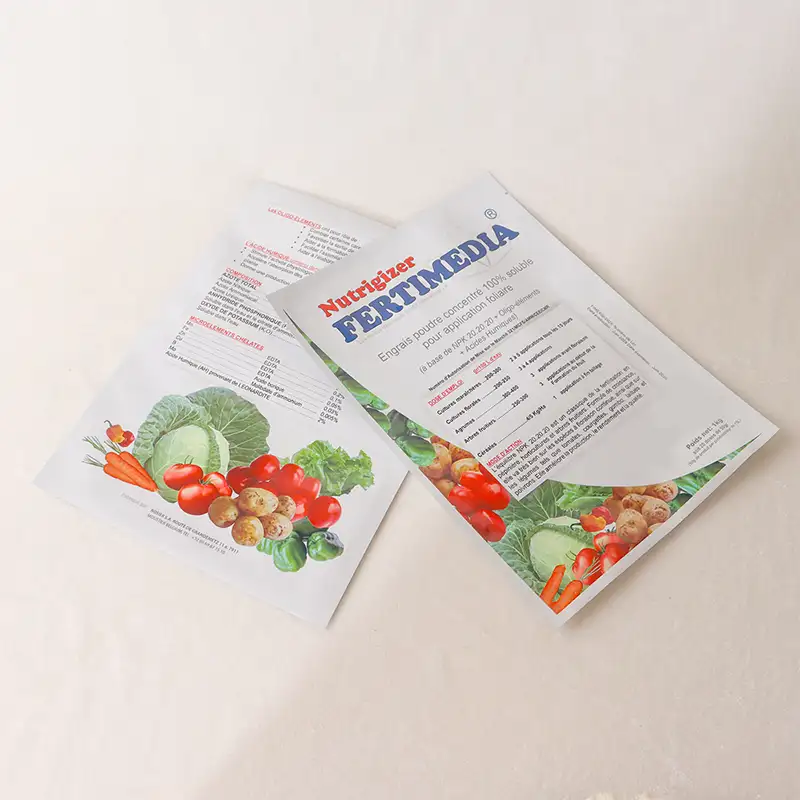
Why More Brands Are Switching to Flat Pouch Packaging
Flat pouch packaging has become a preferred format for many brands because it reduces material use, freight volume, and warehouse space compared with rigid packaging.
In practical sourcing terms, that often means a lower landed cost, easier SKU expansion, and more efficient international shipping.
Many buyers also choose a flat pouch bag because it supports flexible order planning.
It works well for samples, trial packs, refill formats, powders, snacks, cosmetics, and industrial small-pack applications.
Based on common industry sourcing benchmarks, flexible packaging can reduce storage footprint significantly versus bottles and jars, especially for export orders where carton density matters.
For importers and contract packers, this can improve pallet utilization and reduce freight cost per packed unit.
The Buying Problem: Why Finding the Right Flat Pouch Manufacturer Is Hard
On paper, many suppliers look similar.
In reality, buyers often receive quotes that are difficult to compare because the materials, testing standards, printing methods, and lead times are not aligned.
This creates a serious procurement problem.
A low initial quote may lead to a higher total cost after sampling revisions, waste, freight inefficiency, or product protection failures.
Inconsistent material specs across suppliers
One supplier may quote PET/PE, another may propose NY/PE, and another may offer foil laminate without clearly explaining barrier performance.
When thickness, oxygen barrier, moisture barrier, or sealant performance are not standardized, buyers cannot make a clean comparison.
This is especially risky for food, supplements, and moisture-sensitive products.
Even small differences in structure can affect shelf life, puncture resistance, sealing temperature, and machine performance.
Hidden cost differences beyond unit price
Unit price alone is not the true cost.
Buyers should also compare MOQ, cylinder or plate cost, sampling fees, carton packing method, freight impact, defect rate, and reprint risk.
For example, a supplier with a slightly higher unit price may still be more competitive if they offer lower waste, better print consistency, and faster lead time.
That matters when a late launch can affect retailer delivery windows or promotional schedules.
Unstable lead times and quality control
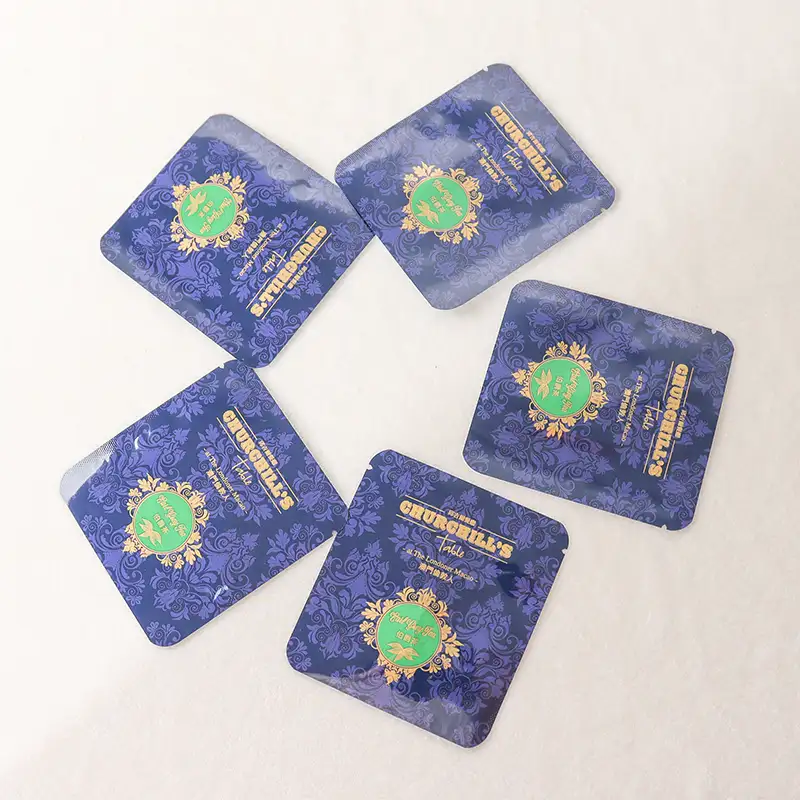
Lead time instability is one of the most common sourcing issues in flexible packaging.
Late raw material arrival, poor production planning, or weak final inspection can delay shipment and create stockout risk.
Quality problems such as weak seals, registration shift, delamination, or zipper defects can also damage customer satisfaction.
For buyers, stable process control is often more valuable than the cheapest quote.
What Is a Flat Pouch? Key Types Buyers Should Know
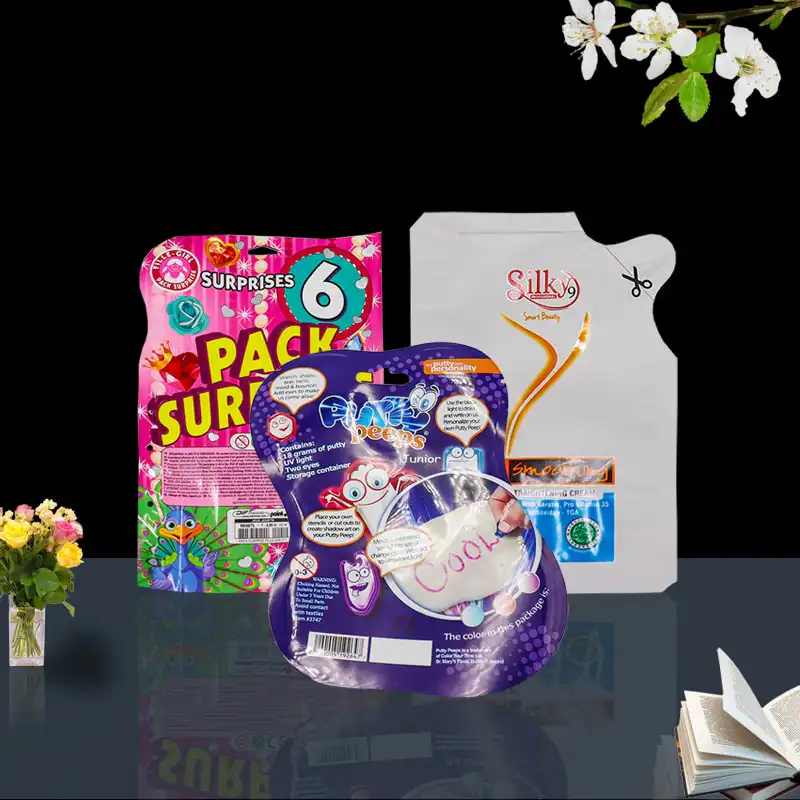
A flat pouch is a lightweight flexible package sealed on multiple sides and supplied in a flat format.
It is widely used for single-use products, sample packs, retail packs, medical items, refill packaging, and industrial applications.
Flat pouch
The term flat pouch usually refers to a non-gusseted flexible package that lies flat before filling.
It is commonly used where cost efficiency, compact storage, and simple presentation are priorities.
Flat pouch bag
Flat pouch bag is a common sourcing term used by many buyers and suppliers interchangeably with flat pouch.
In supplier searches, this keyword is widely used when buyers want custom printed flexible packs for food, cosmetics, samples, or small accessories.
Flat zipper pouch
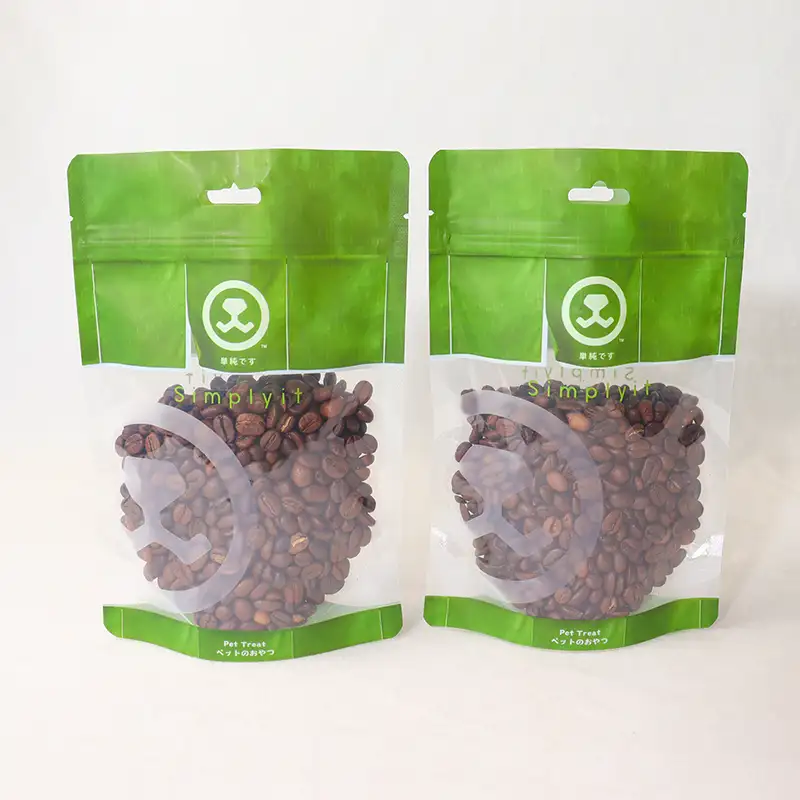
A flat zipper pouch includes a resealable zipper closure.
It is often preferred for products that are consumed over multiple uses, such as snack foods, powders, beauty refills, wipes, and supplements.
For buyers, the zipper adds convenience and can help preserve product condition after opening.
However, it also adds cost and slightly changes production structure and fill considerations.
Best Applications for Flat Pouch Bags Across Industries
Choosing the correct application fit helps buyers shortlist suppliers faster.
It also improves material selection and reduces unnecessary sampling cycles.
Food and beverage
Flat pouch packaging is widely used for snacks, spice blends, instant powders, sauces, frozen foods, and private-label retail SKUs.
It is especially useful where brands want lower packaging weight and efficient shelf-ready secondary packing.
Health, supplement, and pharmaceutical
Common uses include sachet-style supplement packs, trial packs, medical consumables, diagnostic accessories, and moisture-sensitive powdered products.
For these sectors, barrier properties and compliance documentation are especially important.
Beauty and personal care
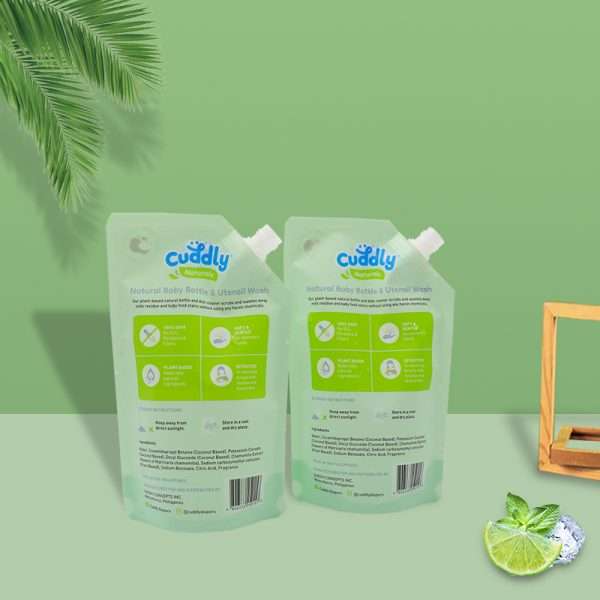
Beauty brands often use flat pouch bags for sheet masks, sample packs, wipes, refill products, bath products, and travel-size formats.
Appearance, print quality, and leak resistance are key evaluation points.
Industrial and non-food
Industrial applications include chemicals, small hardware, pet products, agricultural items, and maintenance accessories.
Buyers in these categories often prioritize puncture resistance, seal strength, and transport durability.
How to Choose the Right Flat Pouch Manufacturer
A strong supplier evaluation process should go beyond price collection.
It should confirm whether the factory can match your product, market, compliance, and growth plan.
Material structure and barrier performance
Ask suppliers to recommend the right laminate based on your actual product and shelf-life target.
Common structures include PET/PE, NY/PE, PET/AL/PE, and high-barrier options using EVOH or metallized layers.
For example, powder supplements may need stronger oxygen and light barrier than dry snack items.
Frozen food may need better puncture resistance and seal integrity during cold-chain handling.
Printing capability and branding needs
Buyers should confirm whether the supplier uses gravure printing, digital printing, or another method suited to order volume and design complexity.
Color consistency, registration accuracy, and repeat-order stability matter for retail packaging.
Digital printing may be a good fit for low-MOQ custom runs or SKU testing.
Gravure is often more cost-efficient for larger repeat volumes.
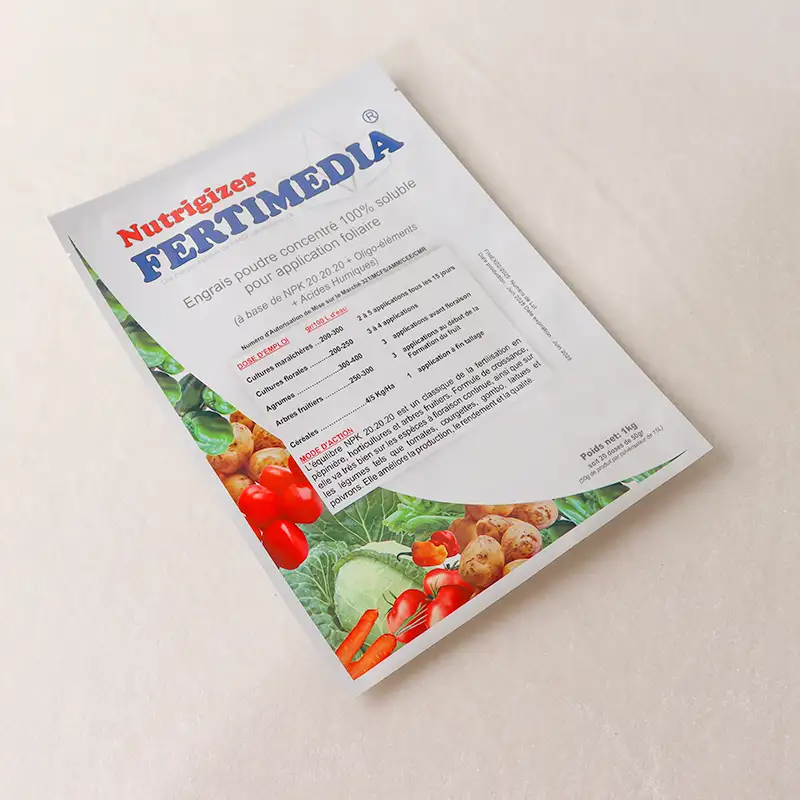
Size, sealing, and functional options
Not all factories offer the same conversion capabilities.
Confirm whether they can provide custom dimensions, tear notch, euro hole, zipper, rounded corner radius, and special seal formats.
These details affect not just appearance, but also filling efficiency and end-user convenience.
For some categories, even a small feature change can improve retail usability and reduce complaints.
Compliance and testing standards
For food and export packaging, compliance should be verified early.
Buyers commonly request FDA-related food-contact compliance, EU food-contact suitability, migration testing, and factory QA records.
YLTPACK can support buyers with packaging solutions developed to customer requirements.
Our company was established in 2005, offers free samples for evaluation, and has certifications including ISO22000 and FDA-related compliance support for applicable packaging projects.
MOQ, lead time, and production capacity
A supplier may be technically capable but commercially unsuitable if their MOQ is too high or their lead time is too long.
Buyers should compare pilot-order flexibility, scale-up capacity, and repeat-order consistency.
This is especially important for new product launches and private-label procurement.
You need a supplier that can support both initial testing and stable long-term replenishment.
Flat Pouch Specification Checklist for RFQs
Better RFQs produce better quotes.
When buyers send complete specifications, suppliers can quote faster, recommend suitable materials, and reduce revision cycles.
Product fill type and net weight
State exactly what goes into the pouch and how much it contains.
Include product form such as powder, granule, liquid, paste, solid piece, wipes, or accessories.
Required pouch dimensions and tolerance
Provide width, length, and, if relevant, seal width and finished thickness target.
If dimension tolerance matters for your filling line or carton layout, specify that clearly.
Material layer request
List the desired laminate if known, such as PET/PE, NY/PE, PET/AL/PE, or transparent high-barrier structure.
If you are unsure, describe shelf-life requirement, barrier goal, and whether foil or transparency is preferred.
Printing details
Include artwork status, number of colors, matte or glossy finish, single-side or double-side printing, and print coverage area.
This directly affects production method, plate cost, and lead time.
Quantity and shipment terms
State trial quantity, annual forecast, shipping destination, and target Incoterms.
For example, FOB, CIF, DDP, or Ex Works can change quote structure significantly.
Recommended RFQ checklist
- Product type and filling condition
- Net weight or fill volume
- Pouch size and tolerance
- Material structure or barrier target
- Printing colors and finish
- Zipper, tear notch, euro hole, or other features
- Order quantity and annual usage
- Target market and compliance requirements
- Delivery destination and trade terms
Flat Pouch vs Other Flexible Packaging Options
Procurement teams should compare formats based on product fit, total cost, filling process, and market positioning.
The lowest-cost format is not always the best commercial choice.
Flat pouch vs stand-up pouch
A flat pouch usually costs less and uses less material than a stand-up pouch.
It is efficient for samples, single-use packs, and products sold in secondary cartons or display trays.
A stand-up pouch offers better shelf presentation and often higher fill convenience.
It may be preferred for premium retail visibility, but usually comes at a higher packaging cost.
Flat pouch vs sachet
A sachet is often smaller and more standardized in format, especially for single-dose products.
A flat pouch bag usually offers more flexibility in size, material options, and added features.
For buyers, the distinction often depends on product size, dosage pattern, and machine setup.
If your product needs more branding space or stronger structure, a flat pouch may be the better option.
Flat zipper pouch vs non-zip flat pouch
A flat zipper pouch is better for multi-use products that need resealability.
This is common in supplements, snacks, beauty products, and refill applications.
A non-zip flat pouch is usually more economical.
It is often the right choice for single-use, sample, or immediate-consumption products.
Real-World Data: Cost, Freight, and Efficiency Comparison
Below are practical comparison tables that procurement teams can use when evaluating packaging formats and suppliers.
Values vary by material, print coverage, order size, and shipping lane, but the framework supports faster sourcing decisions.
Example table: Flat pouch vs rigid packaging cost impact
| Packaging Type | Estimated Unit Cost Range | Freight Efficiency | Storage Space Use | Best For |
|---|---|---|---|---|
| Flat pouch | Low | High | Low | Samples, powders, retail refills |
| Flat zipper pouch | Low-Medium | High | Low | Resealable food, beauty, supplements |
| Bottle | Medium-High | Low | High | Liquids, premium presentation |
| Jar | High | Low | High | Creams, powders, specialty products |
In many real sourcing cases, flexible packaging reduces inbound freight volume and warehouse occupancy compared with rigid plastic or glass formats.
That advantage becomes more visible in export programs and multi-SKU private-label business.
Example table: Typical flat pouch applications by material
| Application | Common Structure | Key Need |
|---|---|---|
| Snack food | PET/PE | Basic moisture barrier |
| Powder supplement | PET/AL/PE | Strong oxygen and light barrier |
| Frozen food | NY/PE | Puncture resistance |
| Cosmetic sample | PET/VMPET/PE | Appearance plus barrier |
| Industrial parts | PET/PE | Dust and moisture protection |
These are common reference structures, not one-size-fits-all rules.
Final material selection should be based on product formula, filling process, shelf-life target, and transport conditions.
What Reliable Flat Pouch Suppliers Usually Offer
Strong suppliers do more than manufacture to print.
They help buyers reduce risk before mass production begins.
Custom material and size development
Reliable manufacturers help match pouch structure to actual product needs, not just standard catalog options.
This is important when a product needs specific oxygen barrier, puncture resistance, transparency, or premium visual effect.
Stable production quality and inspection systems
Buyers should look for suppliers with incoming raw material inspection, in-process checks, seal-strength verification, and final shipment inspection.
These systems help reduce complaints, rework, and inconsistent batch quality.
Export support and communication speed
For international buyers, communication speed matters almost as much as technical capability.
Artwork review, sample coordination, packaging recommendations, and shipment follow-up should be timely and clear.
YLTPACK works with buyers who need custom packaging based on real product requirements.
We were established in 2005, support customization, can provide free samples, and assist customers looking for dependable export packaging communication at [email protected].
Common Mistakes Buyers Make When Ordering Flat Pouches
Many packaging issues can be prevented before the PO is issued.
Buyers who understand these risks usually shorten development time and avoid costly corrections.
Choosing only by lowest quote
The cheapest quote can become the most expensive order if the barrier is wrong, print quality is unstable, or seals fail during transit.
Total cost should include usability, consistency, waste rate, and supply reliability.
Sending incomplete specifications
Missing dimensions, unknown product type, and unclear print requirements slow down quotation and increase the chance of material mismatch.
A complete RFQ helps suppliers respond with better technical recommendations.
Ignoring end-use testing
Before full production, buyers should request practical validation such as fill test, seal test, drop test, and transport simulation where relevant.
This is especially important for export orders, liquids, powders, and moisture-sensitive products.
FAQ
What is the difference between a flat pouch and a flat pouch bag?
In most sourcing situations, there is no major technical difference. Buyers and suppliers often use the terms flat pouch and flat pouch bag interchangeably when searching for the same flexible packaging format.
When should I choose a flat zipper pouch instead of a standard flat pouch?
You should choose a flat zipper pouch when the product will be used multiple times after opening or when consumer convenience and post-opening shelf life matter. It is commonly used for snacks, powders, supplements, wipes, and refill products.
What information should I send to a flat pouch manufacturer for an accurate quote?
You should send the product type, net weight or fill volume, pouch dimensions, material request or barrier target, printing details, quantity, shipping destination, and any special features such as zipper, tear notch, or euro hole. The more complete the RFQ, the faster and more accurate the quote.
What materials are commonly used for flat pouch packaging?
Common structures include PET/PE for general packaging, NY/PE for better puncture resistance, PET/AL/PE for strong oxygen and light barrier, and PET/VMPET/PE for a balance of appearance and protection. The best choice depends on the product and shelf-life requirements.
How do I evaluate a flat pouch supplier for export orders?
Check compliance capability, material knowledge, printing quality, lead time stability, QC procedures, export experience, communication speed, and shipment coordination. A good supplier should also support sampling and provide clear documentation for your target market.
What is the usual MOQ for custom flat pouch orders?
MOQ varies by pouch size, material, and printing method. In practice, digital printing often supports lower MOQs for trial orders, while gravure printing is usually better for higher-volume runs because plate cost is spread across more units.
Can flat pouch bags be used for food packaging?
Yes, flat pouch bags are widely used for food packaging when the material structure, sealing performance, and food-contact compliance match the product. Buyers should confirm applicable testing, barrier needs, and market-specific compliance requirements before mass production.
Request a Quote From a Trusted Flat Pouch Manufacturer
If you are comparing flat pouch, flat pouch bag, or flat zipper pouch suppliers, send your specifications to a manufacturer that understands rocurement priorities: accurate quoting, stable quality, practical lead times, and export-ready support.
YLTPACK has been serving customers since 2005.
We support custom packaging development based on your product needs, offer free samples, and can assist with projects requiring ISO22000 and FDA-related compliance support.
To get a faster quotation, send your product details, artwork, quantity, target market, and delivery destination to [email protected].
Contact YLTPACK today and let us help you reduce sourcing risk, shorten packaging development time, and build a flat pouch solution that fits your business.