Why Bag Size Drives Your Packaging Budget More Than You Think
Many brand owners assume a larger pouch simply costs proportionally more. In reality, the math is rarely linear. Film usage, zipper length, and barrier layers scale differently than fill weight does.
A 28g pouch doesn't use eight times the material of a 3.5g pouch — it often uses closer to three or four times. That gap is where your margin lives or dies.
As a manufacturer that has produced flexible packaging for 20+ years, we've watched brands overpay simply because they ordered the wrong size mix for their actual sales velocity.
The Four Standard Fill Tiers
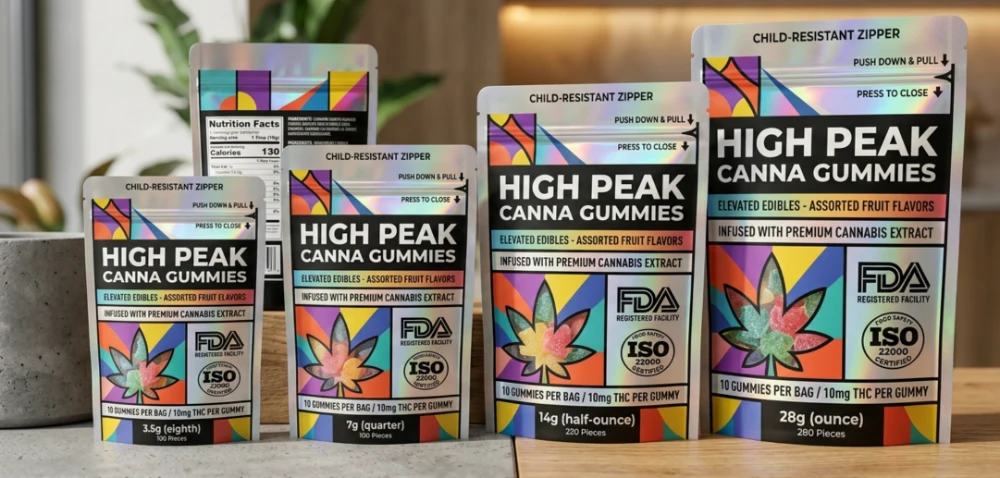
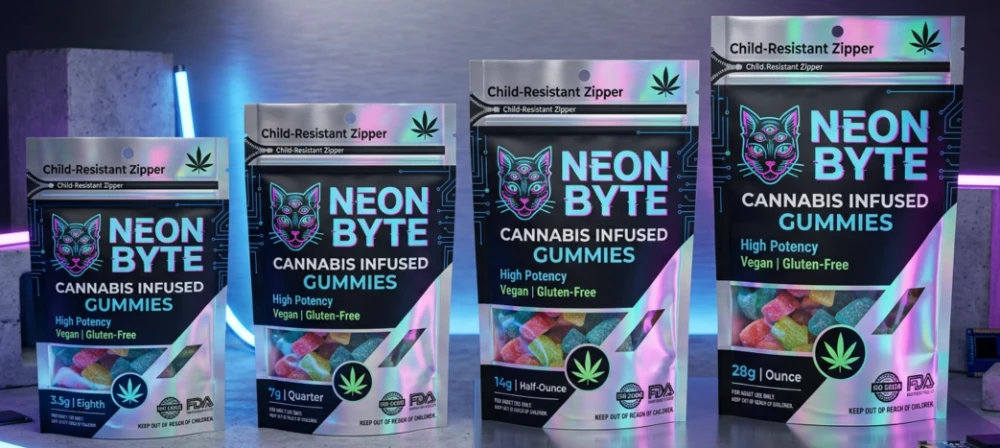
- 3.5g (eighth): The highest-volume retail size, smallest footprint.
- 7g (quarter): A mid-tier favorite balancing price-per-gram value.
- 14g (half-ounce): Popular with value shoppers and subscription boxes.
- 28g (ounce): Bulk-format, lowest cost-per-gram for the end customer.
Cost Comparison: Material Usage Across the Four Sizes
Let's translate theory into figures. The table below uses representative film and component data for standard mylar pouches with a child-resistant zipper. These are illustrative ratios drawn from typical production specs in 2026, not quotes.
| Fill Size | Typical Dimensions (in) | Relative Film Area | Relative Unit Cost Index | Cost-per-Gram Index |
|---|---|---|---|---|
| 3.5g | 3.5 × 5 | 1.0× | 1.0× | 1.00 (highest) |
| 7g | 4 × 6 | 1.4× | 1.35× | 0.68 |
| 14g | 5 × 8 | 2.3× | 2.1× | 0.53 |
| 28g | 6 × 9 | 3.6× | 3.2× | 0.40 (lowest) |
Notice the cost-per-gram drops sharply as size increases. A 28g pouch can cost roughly 60% less per gram of capacity than a 3.5g pouch — even though its total unit price is higher.
This is why your product mix, not any single size, determines your true packaging spend.
How Order Volume Changes the Equation
Unit cost isn't fixed — it falls as quantities climb. Setup costs like printing plates and die-cuts are spread across more units in larger runs.
This is where custom mylar weed bags wholesale ordering pays off. The per-piece price difference between a 5,000-unit run and a 50,000-unit run is often significant because fixed costs dilute.
Where the Savings Concentrate
- Plate/setup fees: One-time charges that shrink per unit at scale.
- Film waste: Larger runs reduce changeover scrap percentages.
- Freight efficiency: Full-carton shipping beats partial loads.
In our 6,800㎡ cleanroom facility, batching multiple sizes in a single production window also helps brands avoid repeat setup fees across separate orders.
Printing and Design Costs by Size
Bigger pouches mean more surface area — which affects ink coverage and finishing costs. A glossy 28g pouch with full-bleed artwork uses noticeably more ink than a matte 3.5g design.
That said, the design itself is a one-time investment. The artwork you create for custom printed weed packaging bags can be scaled across every fill size with minor adjustments.
Print Factors That Shift Pricing
- Number of ink colors (digital vs. rotogravure thresholds)
- Finishes: matte, gloss, soft-touch, spot UV, foil
- Surface area requiring full coverage
Our in-house design team often helps brands who only have a rough sketch turn it into a print-ready file optimized for each size — which prevents costly reprints.
Barrier Performance: The Hidden Cost Driver
Here's where industry experience matters. The barrier structure protecting freshness and aroma is one of the biggest cost variables — and it scales with size.
A larger pouch holds more product, which means more air volume to manage and a greater surface area for oxygen and moisture to migrate through. Maintaining shelf stability in a 28g bag demands a robust film stack.
What a Quality Barrier Actually Does
- Oxygen barrier: Slows degradation and preserves potency and aroma.
- Moisture barrier: Prevents humidity swings that cause clumping or mold risk.
- Light barrier: Opaque or metallized layers protect sensitive compounds.
Working with brands across North America, we've found that the most common mistake is under-specifying barrier film on large formats to save a few cents — then losing far more to returns and freshness complaints.
If aroma containment is critical to your shelf presence, custom smell proof weed bags rely on a multilayer foil structure that adds cost but protects your brand reputation at retail.
Child-Resistant Compliance and Cost
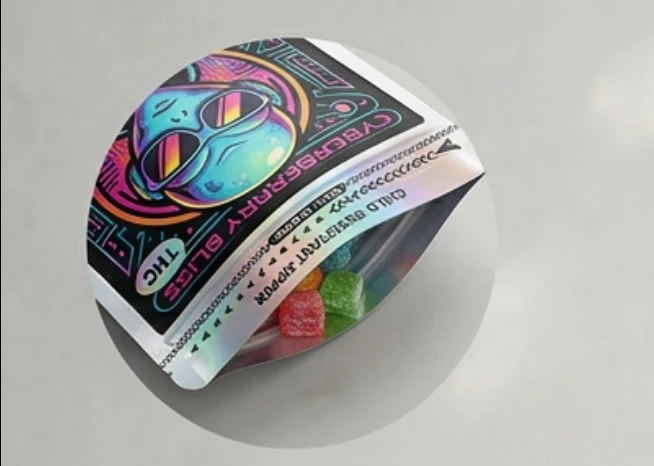
In regulated markets, child-resistant features aren't optional — they're a legal baseline. The good news: the compliance mechanism adds a similar fixed cost across all sizes.
Because we hold FDA and ISO certifications, we recommend confirming your closure meets certified child-resistant exit bags standards before scaling production. Retrofitting compliance later is expensive.
| Closure Type | Cost Impact | Best Fit |
|---|---|---|
| Press-to-close CR zipper | Low–moderate | 3.5g, 7g retail |
| Slider CR zipper | Moderate | 14g, 28g bulk |
| Tear-notch + CR reseal | Moderate–higher | Premium tiers |
Brands ordering custom child resistant weed bags should remember that certification testing is a one-time validation — spread it across larger volumes to lower its effective cost per unit.
Which Size Mix Should You Actually Order?
There's no universal answer — it depends on your customers' buying habits. But sales data gives us reliable patterns to lean on.
Across most retail menus tracked through 2025, the 3.5g eighth remains the volume leader by units sold, while ounces drive higher revenue per transaction. A balanced inventory hedges both.
A Practical Starting Ratio
- 3.5g — 45%: Your everyday traffic driver.
- 7g — 25%: The value-conscious mid-tier.
- 14g — 18%: Subscription and repeat buyers.
- 28g — 12%: Bulk loyalists and margin builders.
Adjust these percentages after your first 90 days of real sell-through data. The flexibility of resealable marijuana pouches lets you test multiple sizes without overcommitting inventory.
Smart Ways to Lower Your Total Packaging Spend
Cost control isn't only about chasing the lowest unit price. It's about reducing the total cost of ownership across reorders.
Checklist Before You Commit
- Consolidate sizes into one production window to share setup fees.
- Lock one master artwork file adaptable across all four formats.
- Specify barrier film by actual shelf-life need, not guesswork.
- Order in tiers that cross volume break points.
- Confirm compliance certification before the first run.
Many growing labels start with custom logo weed bags bulk orders in their top two sizes, then expand the range once demand patterns stabilize. This staged approach protects cash flow.
As a source factory, YLTPACK helps brands map their packaging budget across all four tiers before tooling begins — so the math works in your favor from day one.
Working With the Right Packaging Partner
The supplier you choose shapes both your costs and your shelf credibility. Look for transparent specs, certified materials, and a team that explains trade-offs instead of just quoting numbers.
With two decades of flexible packaging experience and a dedicated design studio, YLTPACK supports brands from artwork through certified production. For custom dispensary bags and smell proof cannabis packaging, the goal is matching structure to your real-world shelf needs.
Ready to plan your size mix? Reach our team directly on WhatsApp at +86 182 1944 5665 or email [email protected] for a tailored production walkthrough.
Frequently Asked Questions
Which fill size offers the lowest cost per gram?
The 28g ounce delivers the lowest cost-per-gram of capacity, often around 60% less than a 3.5g pouch. However, its total unit price is higher, so the right choice depends on how your customers buy.
Do larger pouches need stronger barrier films?
Yes. Larger formats contain more air volume and surface area, so they demand a more robust oxygen and moisture barrier to maintain freshness. Under-specifying barrier film on big bags is a common, costly mistake.
How does order volume affect my unit price?
Fixed costs like printing plates and die-cuts spread across more units at higher quantities, lowering each piece's price. Crossing volume break points and consolidating sizes into one run produces the biggest savings.
Is child-resistant packaging required everywhere?
It is mandatory in regulated, legal markets. The certified closure mechanism adds a comparable fixed cost across all sizes, so validating compliance once and applying it at scale keeps per-unit cost low.
Can one design work across all four sizes?
Absolutely. A single master artwork file can be adapted to each fill size with minor scaling adjustments, letting you maintain consistent branding while avoiding repeat design fees.
Disclaimer: This guide is intended for businesses operating in U.S. states where cannabis is legal. All packaging discussed is available with certified child-resistant locking features. Always confirm that your packaging meets the specific regulatory requirements of your jurisdiction before production.