If your packaging supplier causes launch delays, quality complaints, or rising landed costs, the problem is rarely just the pouch.
For bulk buyers, the real issue is whether the supplier can deliver stable quality, fast communication, and packaging that fits the product without creating more work for your team.
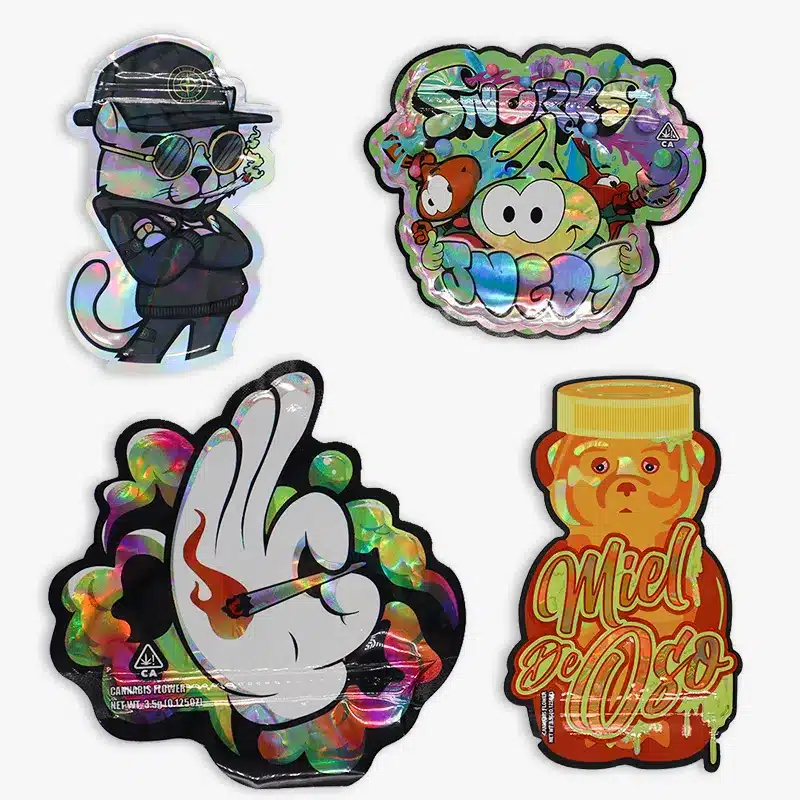
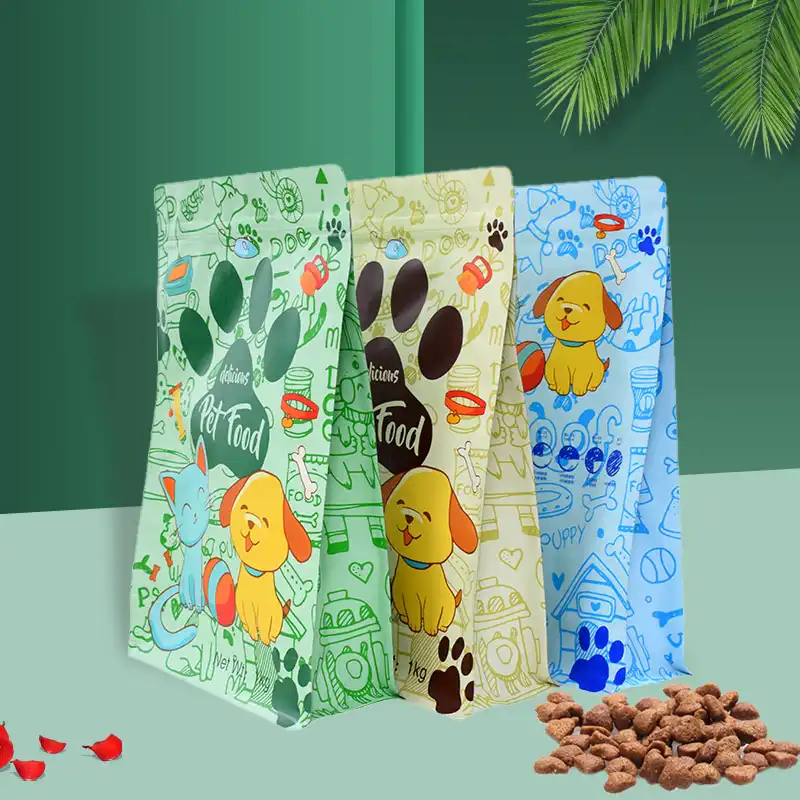
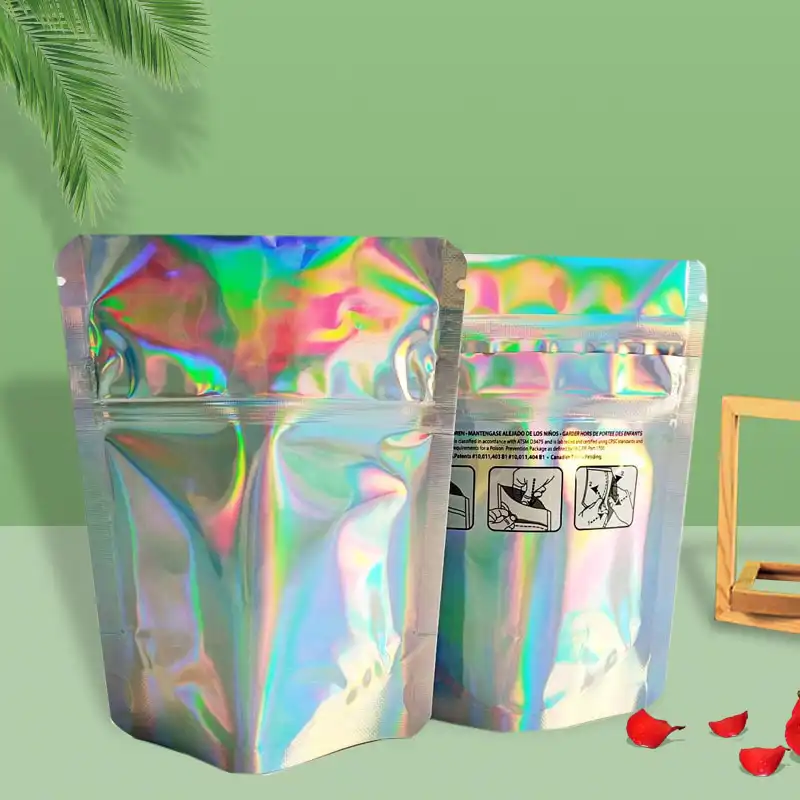
This is why many importers, brand owners, and procurement teams are moving to custom flat pouches. The right pouch format can reduce freight volume, improve shelf presentation, and make high-volume purchasing easier to manage.

At YLTPACK, established in 2005, we focus on helping customers solve sourcing problems before they become expensive. We support custom packaging based on your product and market needs, offer free samples, and operate with certifications including ISO22000 and FDA. For inquiries, contact [email protected].
Why Bulk Buyers Switch to Custom Flat Pouches
Rigid packaging often costs more to ship, stores inefficiently, and limits flexibility when SKUs expand.
By contrast, custom flat pouch packaging gives buyers a lighter, space-saving format that works across food, supplements, cosmetics, and household products.
- Lower freight cost: Flat formats usually take less shipping space than bottles, jars, or trays.
- Better storage efficiency: More units per carton and pallet can reduce warehouse pressure.
- Stronger shelf impact: Good printing and finish options help products stand out without overpaying for rigid packaging.
- Flexible procurement: Buyers can align size, barrier level, finish, and closure with actual market needs.
In many consumer categories, switching from rigid packs to lay flat pouches can materially reduce packaging weight and transport volume. Industry buyers often use this change to improve margin, especially when shipping internationally or managing multiple SKUs.
The Real Problems Buyers Face When Sourcing Flat Pouch Packaging
Western buyers usually do not need a supplier to simply say they are professional. They need a supplier that removes risk from the buying process.
Inconsistent pouch quality across production batches
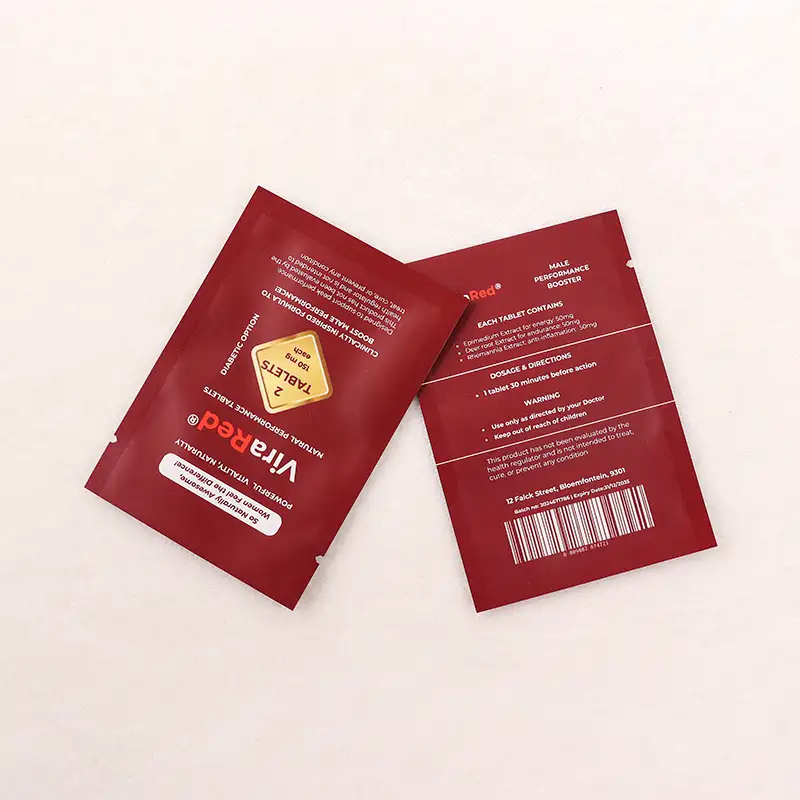
One good sample is not enough. What matters is whether the supplier can keep sealing performance, print accuracy, and material consistency stable from batch to batch.
When pouch quality changes between orders, buyers can face machine stoppages, rejected inventory, color mismatch, poor retail presentation, and customer complaints.
Slow communication that delays sampling and launch
Many sourcing delays start with poor communication, not production.
If artwork revisions take too long, technical answers are unclear, or quotation details are incomplete, approval cycles slow down. That affects launch timing, internal planning, and replenishment decisions.
High MOQs that increase inventory pressure
Oversized minimum order quantities tie up cash and create storage risk.
This is especially difficult for growing brands, seasonal products, test-market launches, and buyers managing several variants at the same time.
Packaging failures that lead to complaints and returns
Weak seals, poor barrier performance, and wrong material selection can turn packaging into a downstream cost problem.
Leakage, moisture ingress, oxygen exposure, or product-package incompatibility may result in spoilage, returns, and brand damage.
Suppliers who talk about themselves instead of solving buyer problems
Buyers want answers to practical questions: What structure fits the product? How stable is repeat quality? How fast can samples be approved? What risks should be tested before production?
A good supplier does not lead with empty claims. A good supplier leads with a clear solution.
What Bulk Buyers Actually Need from a Custom Flat Pouch Supplier
Whether you are a distributor, importer, private label brand, or contract packer, the supplier decision usually comes down to a few critical points.
Fast and professional communication
Clear quotations, quick artwork review, and reliable follow-up reduce internal friction for your purchasing team.
Fast communication matters because it shortens the path from inquiry to sample approval to mass production.
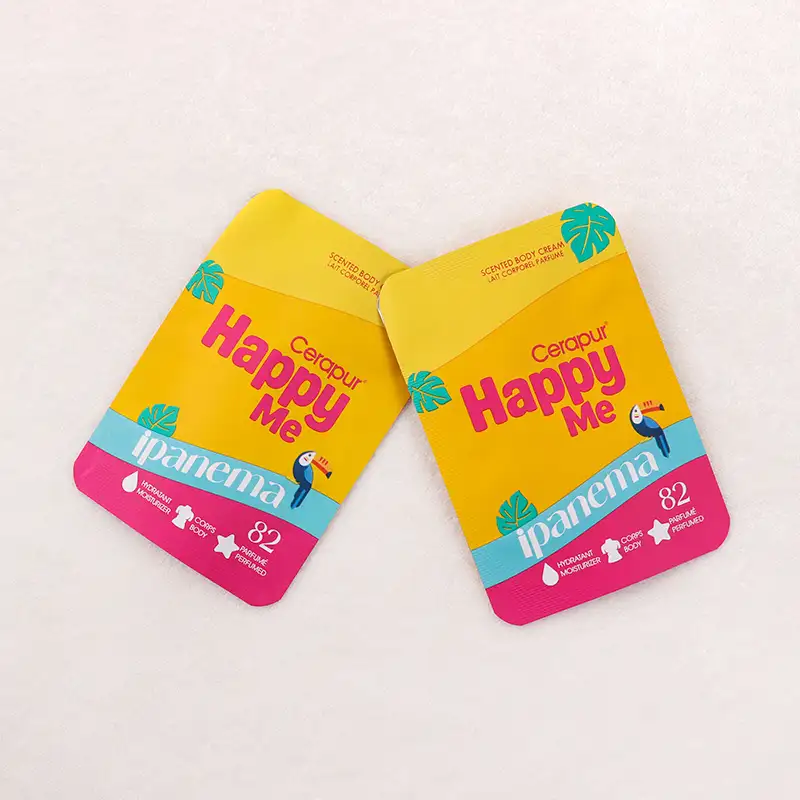
Stable quality control for every order
Procurement teams need repeatable results, not surprises.
Documented inspection points, controlled materials, and defined production checks are essential for keeping defect risk low over multiple orders.
Flexible customization that fits the product and market
The best custom flat pouches are not chosen by appearance alone.
Buyers need the right balance of size, structure, barrier, finish, and convenience features based on the actual product, shelf-life target, filling process, and sales channel.
Supply reliability that supports growth
As order volume increases, small sourcing problems become expensive quickly.
Reliable lead times, reorder consistency, and scalable production support help brands grow without packaging becoming a bottleneck.
Custom Flat Pouches We Provide to Match Different Buying Needs
Custom flat pouches
These are widely used for snacks, powdered products, supplements, cosmetics, personal care items, and household products.
They are a practical option when buyers need a compact pack structure with strong branding and controlled packaging cost.
Custom lay flat pouches
Custom lay flat pouches are often chosen when compact storage, low freight burden, and simple presentation are priorities.
They work well for high-volume applications where every carton dimension and shipping kilogram matters.
Wholesale flat pouch options
Wholesale flat pouch programs can help large-volume buyers and distributors improve unit economics.
With planned volume purchasing, buyers can often achieve better cost control while keeping specifications stable across repeat runs.
Flat pouch packaging with custom materials and finishes
Different products need different structures. We support flat pouch packaging with material and finish options based on barrier, visual effect, and end-use requirements.
- Glossy
- Matte
- Soft-touch
- Foil structures
- Kraft look
- Clear window
- Recyclable film options
- High-barrier laminates
How We Help Buyers Solve Packaging Problems Before They Become Costly
At YLTPACK, our role is not just to manufacture pouches. It is to help customers reduce avoidable risk in sourcing, testing, production, and delivery.
Material recommendation based on product needs
The right structure depends on what goes inside the pouch.
We recommend material combinations based on barrier needs, filling conditions, sealability, puncture resistance, and expected shelf life. This helps reduce the risk of over-specifying cost or under-specifying protection.
Artwork and structural review before production
Many expensive mistakes can be prevented before printing starts.
We review artwork layout, dimensions, sealing area, tear notch position, zipper placement if needed, and general pack functionality before production approval.
Sampling process for fit, appearance, and performance
Testing before mass production is one of the simplest ways to avoid large-scale errors.
YLTPACK can provide free samples so buyers can check size fit, look, material feel, and application suitability before moving forward.
Production quality control for consistent results
Stable quality comes from process control, not luck.
We monitor key checkpoints covering raw materials, printing, lamination, cutting, pouch making, and final inspection. This helps reduce variation across repeat orders.
Shipping coordination to reduce delays
Production is only one part of successful supply.
We also support export coordination and delivery planning so overseas buyers can reduce avoidable scheduling issues and improve replenishment reliability.
Custom Flat Pouch Specifications Buyers Commonly Compare
Procurement teams often evaluate suppliers faster when technical options are shown clearly.
| Specification Area | Common Options | Why It Matters to Buyers |
|---|---|---|
| Pouch Type | 3-side seal, center seal, lay flat pouches | Affects filling method, presentation, and cost |
| Material Structure | PET/PE, PET/AL/PE, kraft/PE, recyclable films | Determines barrier protection and product compatibility |
| Finish | Glossy, matte, soft-touch, spot UV | Supports shelf appeal and brand positioning |
| Closure Option | Tear notch, zipper, euro hole, hang hole | Impacts convenience and retail display |
| Size Range | Small sachets to large format packs | Must fit fill weight and shipping needs |
| Printing | Gravure or digital | Influences MOQ, color consistency, and speed |
| Barrier Level | Moisture, oxygen, light protection | Protects freshness and extends shelf life |
Real-World Buying Scenarios for Custom Flat Pouches
Food brand reducing freight cost with lay flat pouches

A food brand shipping dry snack products can often reduce transport and storage burden by moving from rigid tubs to custom lay flat pouches.
In practical B2B use, this may mean more units per master carton and lower freight cost per sellable unit, especially for export shipments.
Supplement company improving batch consistency
A supplement company with repeated seal issues may need more than a lower price. It needs better material matching and tighter process control.
By improving QC checkpoints and validating seal performance before mass production, buyers can reduce leakage complaints and avoid print mismatch across batches.
Distributor using wholesale flat pouch orders to improve margins
For distributors handling repeated SKUs, wholesale flat pouch purchasing can improve unit economics when order planning is structured well.
Better forecasting and stable specifications often help reduce per-unit cost while maintaining reorder consistency.
Data Buyers Want to See Before Choosing a Supplier
Trust grows faster when the supplier can discuss measurable performance instead of vague promises.
| Buyer Concern | What to Measure | Example Impact |
|---|---|---|
| Lead Time Reliability | On-time sample and production delivery rate | Fewer launch delays and stock gaps |
| Quality Stability | Defect rate, seal strength consistency, color tolerance | Lower complaint and return risk |
| Cost Efficiency | Unit price by volume tier, freight efficiency | Better landed cost control |
| Product Protection | Barrier test results, leakage testing | Reduced spoilage and damage |
| Communication Speed | Average response and revision turnaround time | Faster approvals and smoother sourcing |
Across packaging sourcing in North America and Europe, buyers typically prioritize four decision drivers: consistency, responsiveness, compliance, and total landed cost. This aligns with broader procurement best practice across food, supplement, and personal care packaging categories.
Why Custom Flat Pouches Improve Efficiency for Growing Brands
Lower storage and freight burden
Flat pouch packaging generally occupies less space than many rigid formats.
That can help reduce warehouse volume, improve pallet efficiency, and lower shipping costs for growing brands with tight margin targets.
Faster packaging line handling
When structure and dimensions are chosen correctly, pouches can perform more smoothly during filling and sealing.
This can reduce downtime and support better throughput on the packing line.
Better shelf presentation without excessive packaging cost
Buyers do not need to overspend to make packaging look premium.
With the right combination of print quality, finish, and material, custom flat pouch packaging can support brand positioning while keeping packaging cost under control.
Easier SKU expansion
Flexible pouch formats make it easier to launch new sizes, flavors, and product variants.
This is valuable for brands testing new markets or managing frequent product updates.
How to Evaluate a Custom Flat Pouch Supplier for the Western Market
Can they communicate clearly and quickly in English?
Fast, accurate communication is a core trust signal for US and European buyers.
It reduces specification errors, shortens approval cycles, and helps procurement teams move faster internally.
Can they maintain stable quality from sample to repeat orders?
A supplier should be judged by repeatability, not just by the first sample.
Buyers need confidence that future orders will match approved standards in material, sealing, printing, and dimensions.
Can they recommend the right pouch structure instead of only quoting price?
Price matters, but incorrect structure selection can cost far more later.
A reliable supplier should explain which materials and formats suit the product, rather than quoting blindly.
Can they support documentation, export handling, and delivery planning?
Reliable execution includes more than manufacturing.
For overseas buyers, documentation support, shipping coordination, and realistic scheduling are essential parts of supplier reliability.
FAQ
What is the difference between custom flat pouches and custom lay flat pouches?
In sourcing, these terms are often used closely and sometimes interchangeably. Usually, custom lay flat pouches refer to flat pouch formats designed for compact storage and shipment, while custom flat pouches is the broader term covering several flat pouch styles such as 3-side seal or center seal formats.
What products are best suited for flat pouch packaging?
Flat pouch packaging is commonly used for snacks, powders, supplements, cosmetics, personal care items, single-use products, and some household goods. The right application depends on barrier needs, fill weight, and how the product will be packed, shipped, and displayed.
How do I choose the right material structure for custom flat pouches?
Start with the product’s sensitivity to moisture, oxygen, light, puncture, and shelf-life requirements. Then consider filling conditions, sealing method, transportation conditions, and sustainability goals. A good supplier should recommend a structure based on actual performance needs, not just price.
What is the usual MOQ for wholesale flat pouch orders?
MOQ depends on pouch size, material structure, printing method, and customization level. Gravure printing often requires higher volumes than digital printing, while more standard structures may allow more flexible order planning.
Can you provide samples before bulk production?
Yes. YLTPACK can provide free samples so buyers can evaluate size, appearance, and general suitability before confirming bulk production. Sampling helps reduce the risk of approving an unsuitable pouch specification.
How do you control quality for repeat orders?
Quality control should include raw material checks, print monitoring, lamination control, cutting and pouch-making inspection, and final review. Repeat-order consistency also depends on keeping approved specifications documented and following the same process standards across production batches.
What information should I send to get an accurate quote?
Please send pouch type, size, material preference if known, artwork status, quantity, product type, filling requirements, and any special features such as zipper, tear notch, hang hole, matte finish, foil layer, or recyclable structure. The more complete the input, the more accurate the quotation and recommendation will be.
How long does production and shipping usually take?
Timing depends on sampling needs, artwork approval, order quantity, material structure, and destination. In general, buyers should plan separately for sampling, mass production, and international shipping time. Clear communication at the beginning helps create a more reliable timeline.
Get a Fast Quote for Custom Flat Pouches
If you are comparing custom flat pouches, custom lay flat pouches, or a wholesale flat pouch program, the fastest way to reduce risk is to start with the right technical recommendation.
Send us your product details, target quantity, pouch size, material goals, and artwork status. We will provide a clear, professional response based on what helps your business move faster and more safely.
YLTPACK has been serving custom packaging needs since 2005, supports buyer-specific customization, offers free samples, and operates with certifications including ISO22000 and FDA.
Email us now: [email protected]