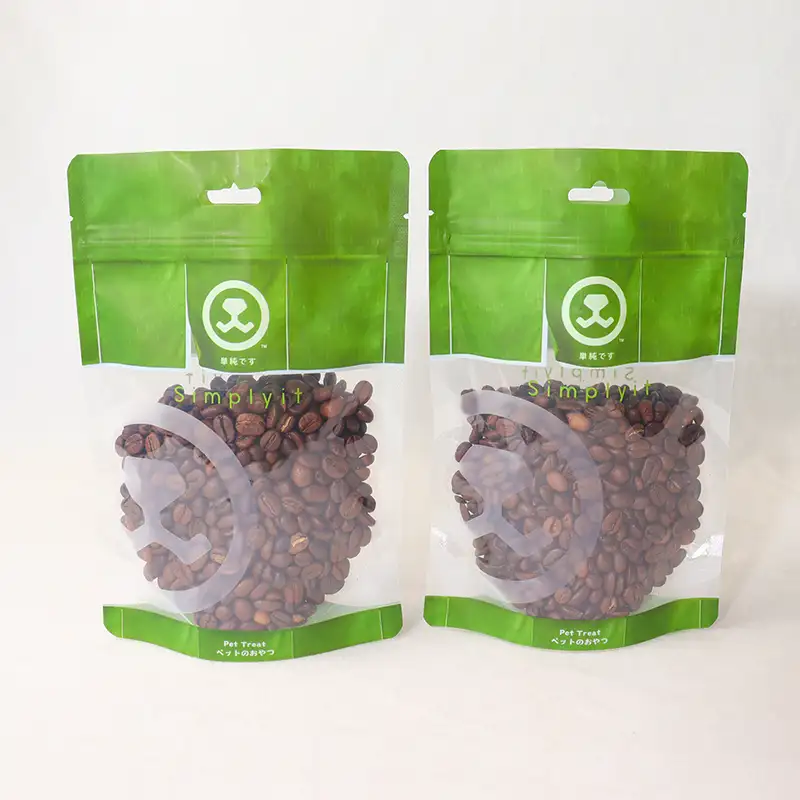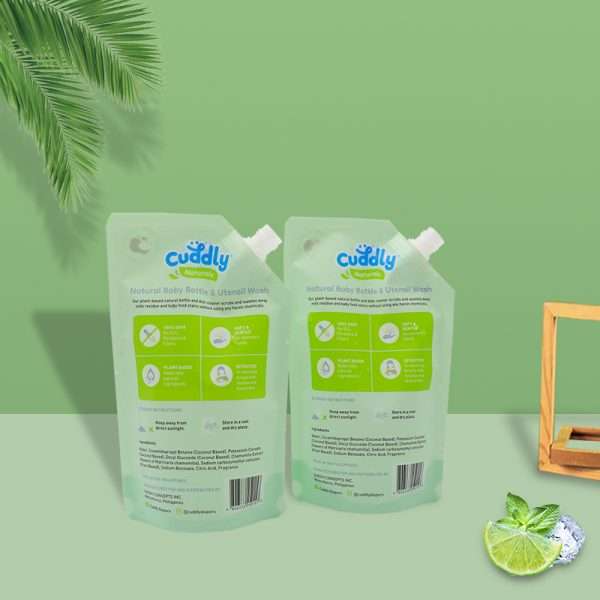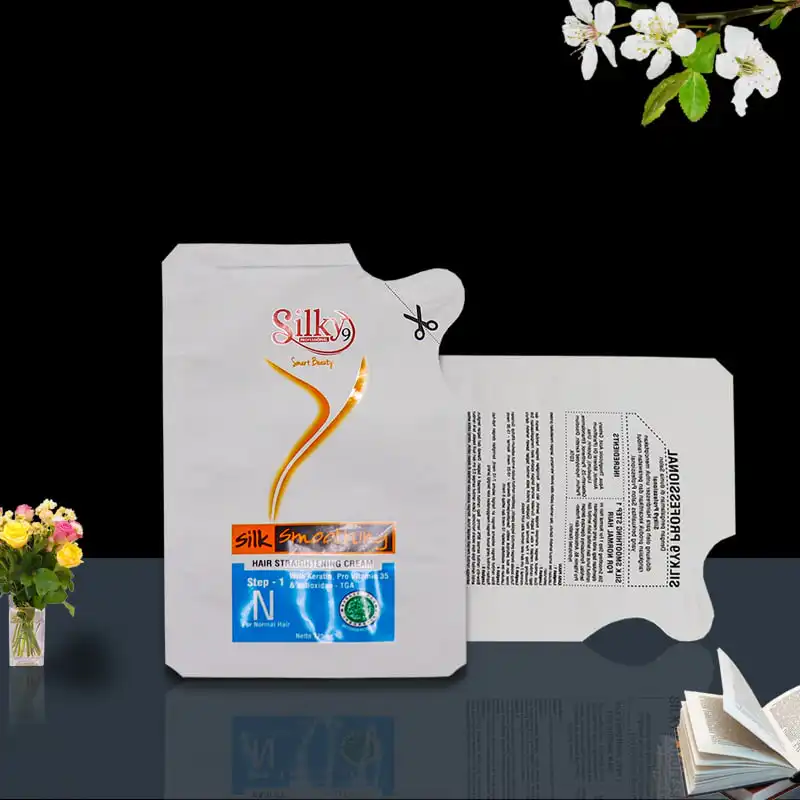
You have three quotes for "the same" stand-up pouch, and the unit prices are far apart. One lists a laminate. Another lists a different one. The third lists nothing at all. Before you pick a custom flexible pouch packaging manufacturer in China, compare bag style, film structure, print method, minimums, compliance and lead time on the same basis.
A custom flexible pouch is a printed, laminated bag built to your size, structure and artwork. It suits brand owners, importers and private-label clients in food, coffee, pet, household and personal care. To compare suppliers properly, ask each one to quote the same film structure, print method and quantity per design, with every cost listed separately.
What does a custom flexible pouch packaging manufacturer in China actually supply?
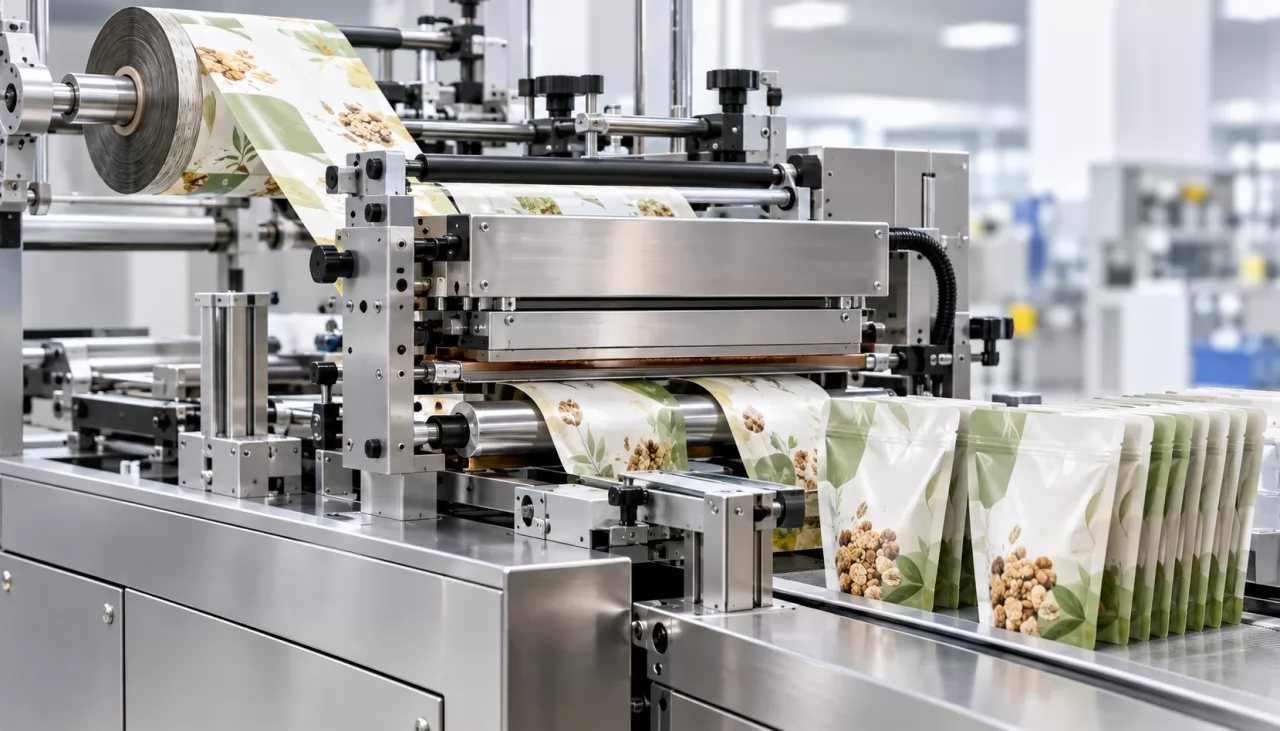
A flexible pouch manufacturer runs printing, lamination and bag making in its own plant and turns your product brief into finished, printed pouches. It does not resell bags made somewhere else. That control matters because the company that prints, laminates and seals the bag is the one that can answer for color, bond strength and leaks.
Manufacturer, trading company or converter: why it matters for custom printed pouches wholesale from factory
A trading company buys finished bags and resells them. A converter usually buys printed or laminated film and only cuts and seals it. A full manufacturer does all three steps under one roof.
The difference shows up when something goes wrong. Suppose the colors shift between two runs, or the laminate delaminates after filling. A trader then has to go back to a supplier you never met. When printing, lamination and sealing happen in one plant, a single team traces the fault. YLTPACK, for example, runs printing, lamination and bag making in its own 6,520 m² plant in Shenzhen, with cleanroom bag making and its own sales and design team.
What a complete RFQ brief looks like
A vague brief gets a vague quote. Give every supplier the same information:
- Product and fill: what goes in the bag and how much per bag, by weight or volume.
- Bag type: the style you want, or a photo or link to a reference bag.
- Size: width, height and gusset, if you know them.
- Quantity per design: the count for each SKU, not only the total.
- Number of designs: how many artwork versions you need.
- Artwork: finished files, or an idea for the design team to lay out.
- Extras: zipper, valve, window, hang hole, spout or tear notch.
- Target market: this sets the food-contact documents you will need.
Which pouch style fits your product and filling line?
The right pouch style depends on how the product is filled, displayed and opened. Shelf presence points to stand-up or flat bottom pouches. Liquids point to spout pouches, heat processing to retort pouches, and automatic filling lines to roll stock film. Choose the format first, then the extras.
Comparison table: stand-up, flat bottom, spout, ziplock, retort and roll stock film
| Format | Typical products | Common extras | Pick it when |
|---|---|---|---|
| Stand-up pouch | Snacks, granola, powders, pet treats | Zipper, window, tear notch, hang hole | You need a flexible, full-print bag that stands on the shelf |
| Flat bottom pouch | Coffee, specialty food, pet food | Degassing valve, slider or zipper | You want a box-like shape with five printable panels |
| Spout pouch | Sauces, drinks, detergent, refills | Spout and cap | The product is a liquid, sauce or paste that must pour and reseal |
| Ziplock bag | Dry food, frozen food, accessories | Press-to-close zipper or slider | Customers open and close the bag many times |
| Retort pouch | Ready meals, wet pet food, rice | Tear notch | The product is cooked or sterilized in the bag at your process temperature |
| Roll stock film | Products packed on form-fill-seal (FFS) lines | Registration marks for your machine | You fill automatically and want the lowest packaging cost per pack |
Here is the main point from the table: the filling and opening method decides the format, and the format decides which extras make sense.
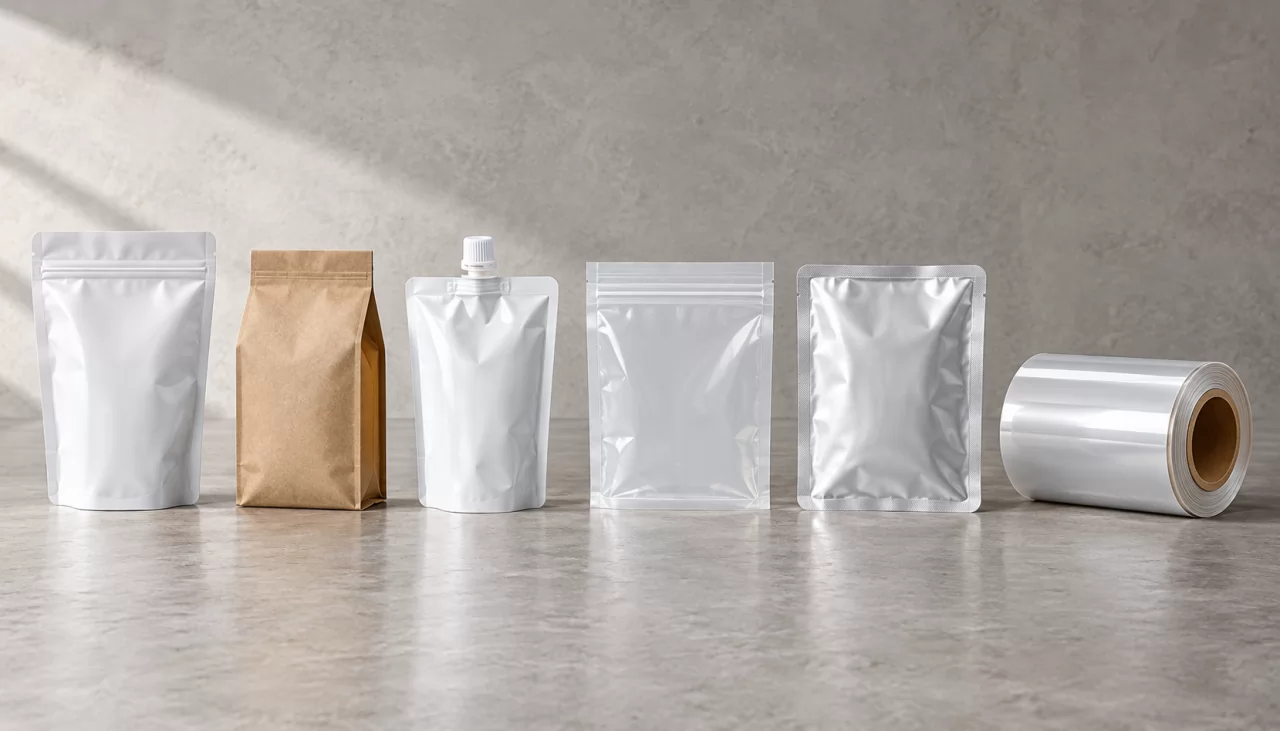
Two formats sit outside the table. Fancy shape pouches are die-cut into a custom outline, such as a bottle or character shape. They are common for candy, drinks and kids' products. Specialty builds cover samples, accessories and regulated goods. Retort pouches deserve a specific note: tell the supplier your exact sterilization temperature and time, because the structure has to be rated for that process.
Working with a custom printed stand-up pouches manufacturer on extras
Each extra adds a material cost, and many also slow down the bag-making line. Ask for each one as its own line on the quote:
- Zipper: press-to-close or slider. Sliders cost more but are easier to open.
- Degassing valve: a one-way valve that lets fresh coffee release CO₂ without letting oxygen in.
- Window: a clear area that shows the product. It also lowers barrier in that area.
- Hang hole: a round or euro-slot hole for peg display.
- Spout: the fitment and cap. Size and closure type change the price.
- Tear notch: a small cut that starts a clean tear. It adds little or nothing to the cost.
How do you choose the right laminate and barrier level?
Laminate choice should start from what the product needs protecting from: oxygen, moisture, light, grease or heat. Then choose the lightest structure that gives enough protection for your shelf life. The look of the bag should not drive the decision. Over-specifying adds cost, and under-specifying causes stale, oily or spoiled product.
Foil, metallized, kraft and clear laminates compared
A laminate is a film made by bonding two or more layers together. Each layer does a job, such as printing surface, barrier or heat seal.
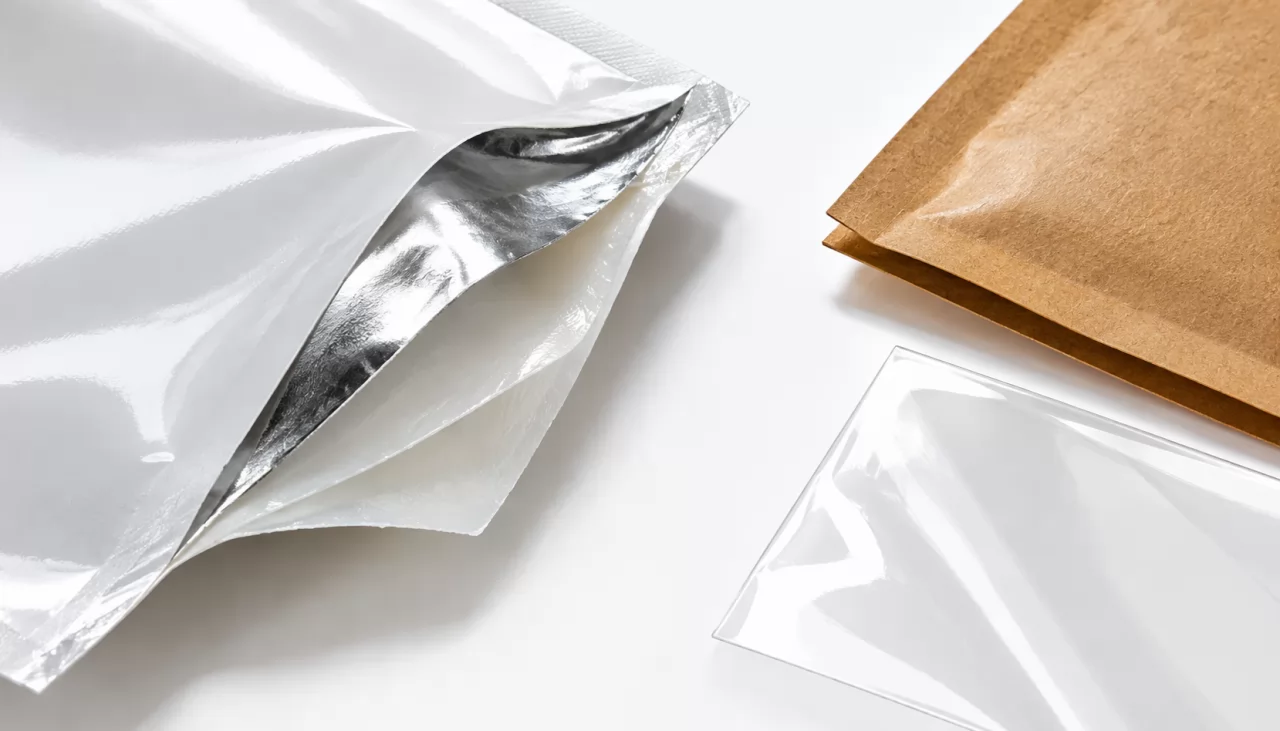
- Aluminum foil laminate: gives the strongest barrier against oxygen, moisture and light. It is the usual choice for long shelf life, coffee and many retort uses.
- Metallized film (Mylar-type): a polyester film with a very thin vapor-deposited metal coating. It gives a good barrier at a lower weight than foil, with a reflective finish.
- Kraft paper laminate: chosen mainly for its look and feel. Barrier comes from the inner layers, which may be metallized or foil.
- Clear laminates: show the product. The barrier is usually lower unless you specify a coated high-barrier film.
Do not describe foil or Mylar pouches as recyclable. They are multi-material structures, and calling them recyclable in your market copy creates legal and retailer risk.
Mono-PE, compostable and recycled-content structures
Mono-PE is a structure made entirely from polyethylene. Brands usually specify it when they want to make a recyclability claim. Compostable structures use kraft paper and plant-based polylactic acid (PLA) layers. Recycled-content films include post-consumer recycled (PCR) material, which is tracked under the Global Recycled Standard (GRS).
These structures have trade-offs. Barrier is often lower than foil. Minimums are higher. Every claim depends on the exact film used. Ask for the certificate that matches the specific structure on your quote, for example EN 13432 or ASTM D6400 for compostability, and confirm the claim structure by structure. At YLTPACK, film certificates are sent with the quote.
Digital or gravure printing: how do MOQ and unit price really work?
Digital printing suits product launches, test runs and ranges with many SKUs, with a minimum of 1,000 pcs per design at YLTPACK. Gravure printing starts at 10,000 pcs per design and gives the lowest unit price on repeat orders, because the one-time cylinder cost is spread across volume.
Gravure printing transfers ink from engraved metal cylinders, one cylinder per color. Cylinders cost money up front, but the run is fast and the color is consistent at volume. Digital printing needs no cylinders, so setup is cheap and artwork changes cost little. The unit price stays higher as quantity grows.
MOQ tiers for a flexible packaging supplier in China with low MOQ
- Digital print: 1,000 pcs per design. Suits launches, test runs and many designs.
- Gravure print: 10,000 pcs per design. Suits repeat orders and the lowest unit price.
- Compostable, mono-PE and recycled-content structures: 30,000 pcs per design.
- Roll stock film: 100 kg.
These are YLTPACK's minimums. "Per design" is the part buyers often miss. Five flavors at 2,000 pcs each are five digital runs, not one 10,000 pcs gravure order.
What drives the price on your quote
Five things set the unit price: material, bag size, number of print colors, quantity per design and extras. Ask every supplier to list these separately. Then you can see whether a lower price comes from a thinner film, fewer colors or a missing zipper. Without that breakdown, you are comparing a total figure with no way to tell what is behind it.
Which food-contact standards and certificates should you ask for?
Food-contact compliance needs two kinds of document. The first is a test report on the film itself that matches your target market. The second is the factory's management-system certificates. Each film report should name the structure it covers. A certificate for a different film does not prove anything about your bag.
Food-contact compliance by market, in general terms
- United States: food-contact materials fall under FDA regulations in Title 21 of the Code of Federal Regulations (21 CFR). The correct wording is that the film is tested to FDA 21 CFR food-contact requirements. FDA does not "approve" or "certify" packaging films, so treat those claims as a warning sign.
- European Union: Regulation (EC) No 1935/2004 is the framework for all food-contact materials. Regulation (EU) No 10/2011 covers plastic materials, including migration limits. Regulation (EC) No 2023/2006 sets good manufacturing practice.
- Migration testing: the right test conditions depend on your product type (fatty, acidic, dry) and your process, such as hot fill or retort. Tell the supplier both.
At YLTPACK, the PE film is tested to FDA 21 CFR food-contact requirements, and a food-contact test report is available.
Factory certificates worth checking
YLTPACK holds the following. Each one covers something different:
- ISO 22000: a food safety management system standard. It covers how the plant controls hygiene and hazards, not a specific film.
- ISO 9001: a quality management system standard for process control and corrective action.
- GRS (Global Recycled Standard): chain of custody for recycled content. It is relevant only when you order a recycled-content structure.
- BSCI: a social compliance audit covering working conditions.
- Disney audit: a brand-specific factory audit.
The documents can be viewed on the YLTPACK website, and copies are sent with the quote. Check the scope and expiry date on every certificate.
How long does it take from RFQ to finished pouches?
Pouch production takes 7-15 days after you approve the artwork proof at YLTPACK. Shipping is separate. Air, sea and express each take different times and are quoted with the order. The quote itself comes within one business day, so the main variable before production is how fast artwork and samples get approved.
The sequence runs in four steps:
- Brief: send the product, quantity and a reference bag photo or link. Artwork is optional.
- Quote and design: within one business day you receive a recommended structure, an itemized price and free design support.
- Free sample: check size, feel and fit with your product.
- Production: 7-15 days after artwork approval, with 11 quality checks before packing.
Where buyer-side delays usually happen
Most delays start on the buyer's side, not on the press. Artwork changes after proof approval restart the clock. Sizes left open ("about 500 g") lead to back-and-forth on capacity. Skipping the sample check can mean finding out on your own line that the gusset is too narrow. Approving a proof without scanning the barcode or checking color references causes problems after printing, when they are expensive to fix.
How to choose a flexible packaging manufacturer in China: criteria and checklist
Judge a flexible packaging manufacturer on in-house process control, written structure recommendations, testing before shipment and quotes you can compare line by line. A low headline price tells you little without these. A slightly higher quote with a stated laminate and leak testing often costs less than a reorder after a failed batch.
Selection criteria that separate factories
- In-house printing and lamination: check that both happen in the same plant. This decides who answers for color drift and bond strength.
- Bag-making environment: ask whether bags are made in a cleanroom. For food and personal-care products, it lowers the contamination risk.
- Print colors available: confirm how many colors the press can run. YLTPACK prints up to 9 colors in house on 30+ printing and converting machines. More stations let the printer match brand colors without simulating them in process colors.
- Leak testing: ask whether bags are leak-tested before shipment, and for spout pouches, before production.
- Design support: find out whether the team can lay out artwork from a reference photo, and whether they check DPI and dielines.
- Written recommendations: when two structures could work, a good supplier recommends one in writing and prices both.
Rule of thumb: if a supplier cannot tell you in writing what laminate you are buying, you cannot compare that price with anyone else's.
Pre-order checklist
- Confirm the full film structure and thickness in writing on the quote.
- Request a free sample bag. Plan to pay the courier.
- Fill and seal the sample on your own line or by hand at your real fill weight.
- Check pouch capacity against your product's bulk density before you fix the size.
- Scan the barcode and check Pantone references on the color proof before you approve it.
- Agree on QC points and the AQL level for incoming inspection.
- Confirm the Incoterm (EXW, FOB or CIF) and the shipping method before you pay.
- File the film test report and certificates that match your target market.
For capacity, film thickness, GSM, roll length and carton CBM, YLTPACK's website has six free calculators, including an Artwork DPI Checker, with no sign-up needed.
Common pitfalls to avoid
Comparing quotes built on different laminates is the most common mistake. Accepting a vague "eco" or "biodegradable" claim without a certificate for the exact film is a close second. Some buyers order gravure for a design that has never been on a shelf, then pay for cylinders twice when the artwork changes. And many assume shipping is included. It usually is not, and the courier cost of samples is normally paid by the buyer.
FAQ
Can I get a sample before placing an order?
Yes. YLTPACK sends similar sample bags free, and you pay the courier. Use the sample to check size, feel and fit with your product before you approve artwork.
Do I need finished artwork to get a quote?
No. A reference photo or an idea is enough to quote. The in-house design team does free layout, or reproduces your finished files if you already have them.
Can I order several designs at a low minimum?
Yes, with digital print. It starts at 1,000 pcs per design, which suits multi-SKU launches and test runs. Move proven designs to gravure at 10,000 pcs per design for a lower unit price.
Are foil pouches recyclable?
No, do not describe them that way. Foil and Mylar laminates combine different materials. If recyclability matters for your market, ask about a mono-PE structure and the certificates for that exact film.
Send Your Pouch Brief for an Itemized Quote
Email the product, fill weight, quantity per design and a reference bag photo to [email protected]. Within one business day you will get a recommended structure and an itemized quote. Free design help and a free sample are also available.