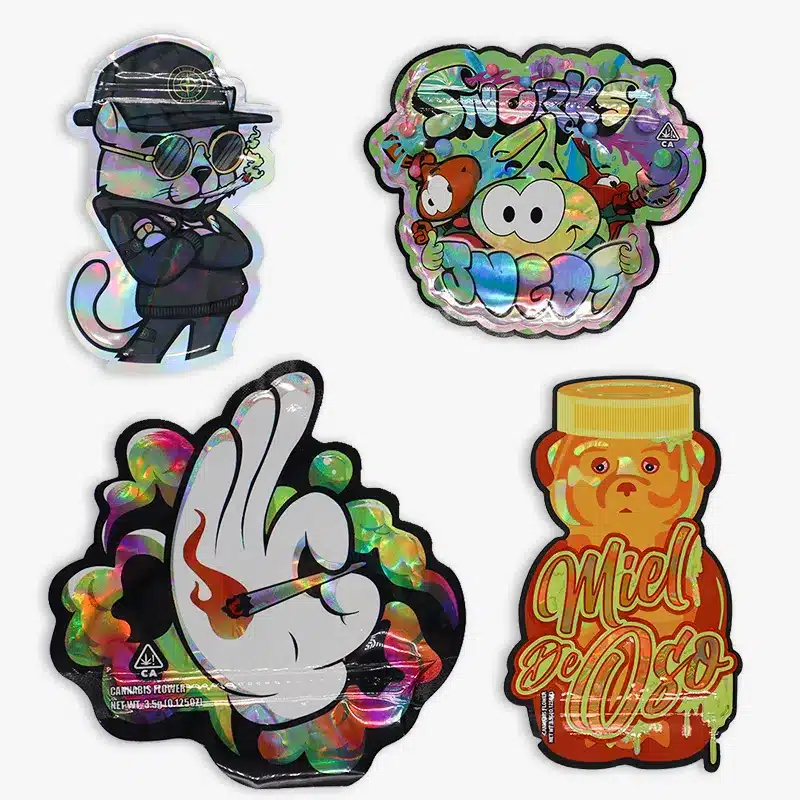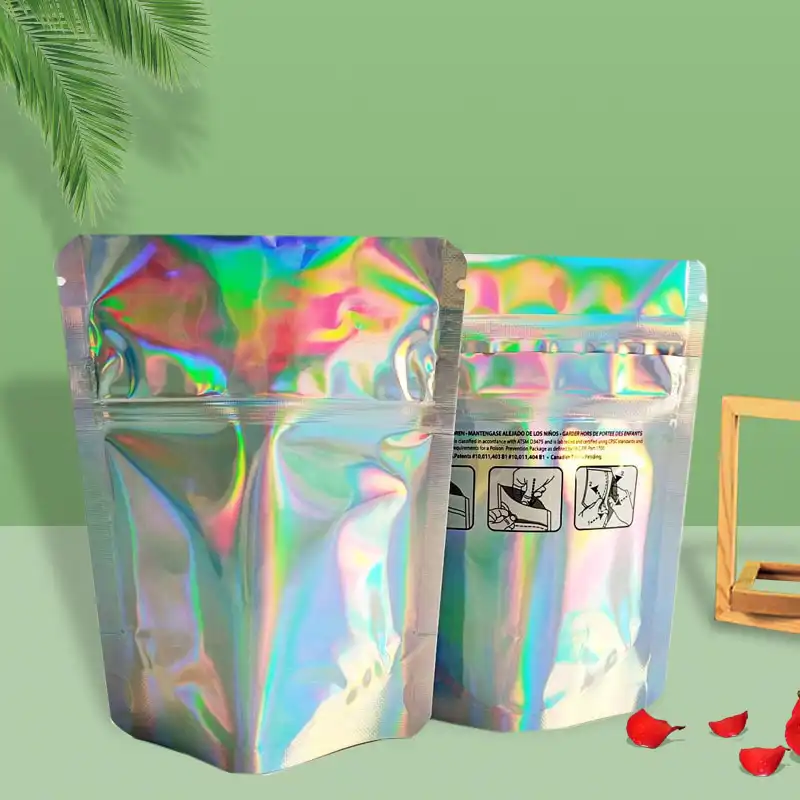
The bag is the last open item. By the time you ask about bags of weed, the strain, fill weight and sales channel are fixed, yet the bag still sets shelf life, odor control, compliance and unit cost. This guide covers laminate, closures, child-resistant rules, sizing, print and what a supplier needs to quote you.
What Is Already Decided by the Time You Ask About Bags of Weed?
Three things are usually fixed by now: the fill weight per unit, the sales channel (dispensary counter, retail shelf or bulk transfer) and the jurisdiction you sell in. Open items are the laminate structure, the closure, the child-resistant format and the print method. Those four drive most of the cost and most of the risk.
The fixed items narrow the open ones more than people expect. A dispensary pack sold from behind a counter can use a plain opaque pouch. A pack on a retail shelf needs full-surface print and a bag that stands up. A jurisdiction with child-resistant rules removes every closure that is not tested for it. So start from the three fixed points, list what each one rules out, and what remains is a short list of structures you can price side by side.
Mylar Bags for Cannabis Packaging: What the Laminate Does
Mylar is a trade name for biaxially oriented PET film. In this trade it is used loosely for any pouch with a metallized or foil layer. These pouches are laminates: several films bonded together, each handling a different job.
The outer layer is usually PET, which carries the print and gives stiffness and scuff resistance. The middle layer is the barrier: aluminum foil, or a thin metallized film where the vapor-deposited metal is far thinner than foil. The inner layer is a PE (polyethylene) sealant, which melts to form the seal and touches the product. More layers can be added for puncture resistance or stiffness.
Foil blocks light, oxygen and moisture almost completely while the film is intact. Metallized film blocks less, though often enough for products turned over quickly. Light speeds up the loss of aroma compounds and the breakdown of cannabinoids. Oxygen and moisture change texture and invite mold. A clear film with no barrier layer does none of this well, which is why it fits only short-term display.
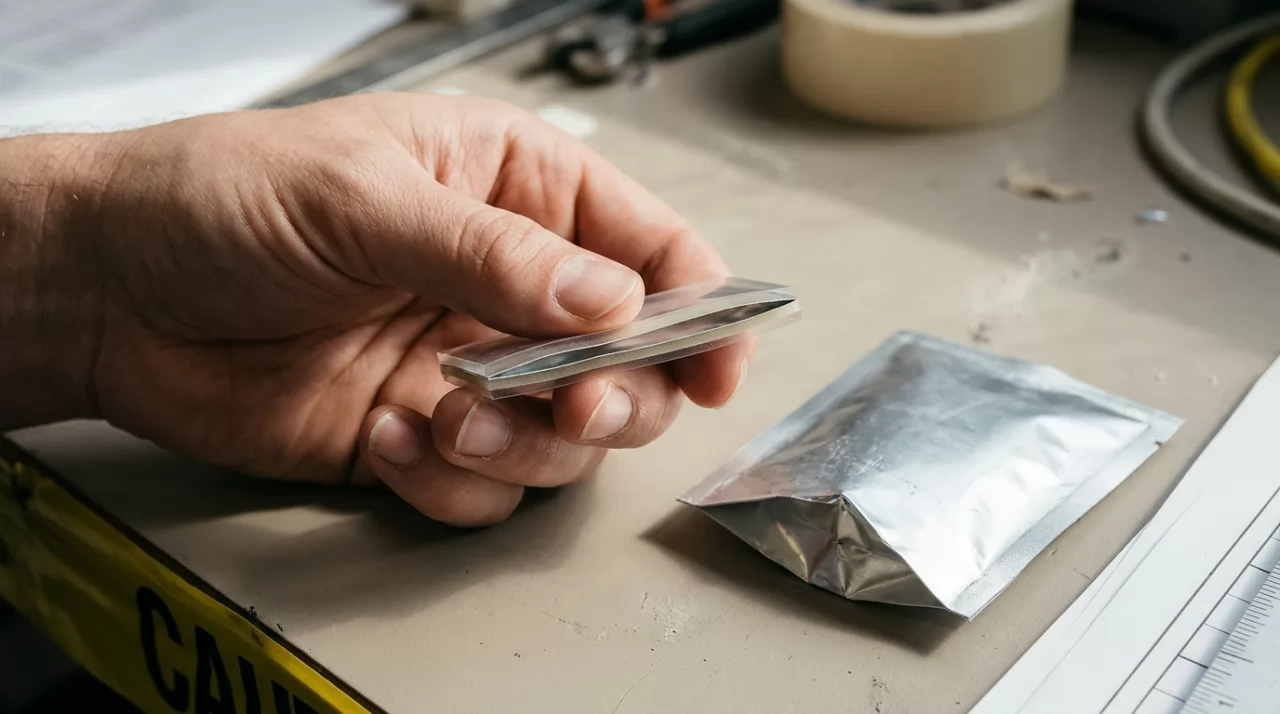
Foil costs more and creases more visibly than metallized film. Creases at the folds can crack the foil layer over repeated handling. Ask for a sample and flex it before you decide.
Note: Do not describe foil or mylar bags as recyclable on the pack or in sales copy. Mixed laminates are not accepted by normal recycling streams, and the claim will not survive scrutiny.
Smell-Proof Cannabis Pouches With Zipper: Seals Matter More Than Film
Odor usually leaves a pouch through the closure and the seals long before it passes through the film. A foil laminate is close to impermeable to aroma. A zipper track, a side seal with a channel in it, a valve or a pinhole is not. When a bag "smells through", the leak path is almost always one of those.
So judge a smell-proof pouch by its weakest joint. A thick barrier film with a poorly seated zipper will lose to a thinner film with a clean, fully engaged closure. Pinholes deserve a mention too: they come from flex cracking or from sharp product edges, and they are invisible until the bag is squeezed.
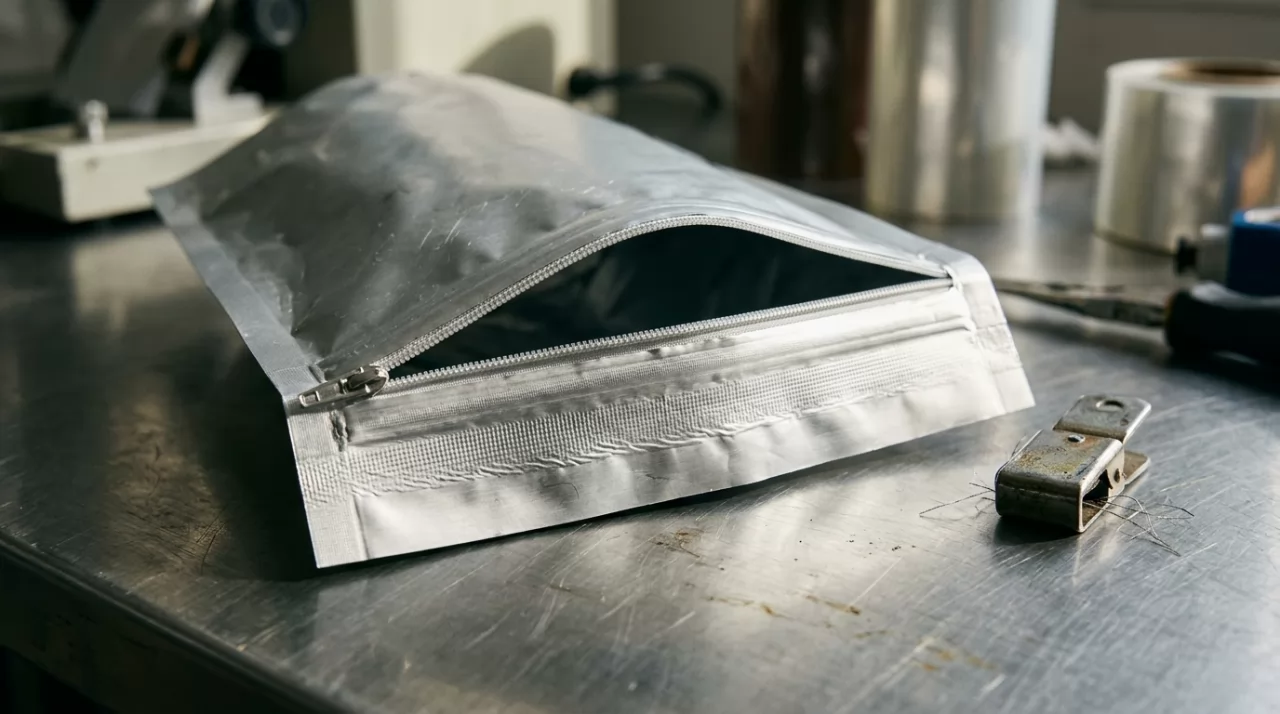
Zipper and slider choices
A press-to-close zipper is the common choice. It is cheap and works well for a few openings, but it can trap flower or residue in the track, and a dirty track will not seal tightly. A slider closure is easier for the user to close fully and suits packs opened many times, at higher cost per bag. A tear notch sits above the zipper and lets the user open the pack the first time without scissors. It also lets you add a tamper-evident seal line: the strip you tear off shows the pack has been opened.
If the pack is single-use or the closure doubles as the child-resistant feature, the choice changes again, as the next section explains.
Seal width and leak testing
Seal width and seal consistency matter more than any film specification on the quote. Narrow or wrinkled seals are where leaks begin, and flower dust trapped in a seal makes it worse. Ask the supplier how seals are checked: pressure or squeeze tests, visual inspection of seal lines, and sampling at set intervals during the run. Ask whether finished bags are leak-tested before shipment, and what the supplier does with a failed lot. A clear answer is a good sign. A vague one is information too.
Child-Resistant Mylar Bags and Compliance by Market
Child-resistant packaging is packaging designed to be significantly difficult for young children to open, while remaining usable by adults. Requirements for cannabis differ by state, province and country, and they change. Treat any rule summary, including this one, as a starting point, and confirm the requirement for your market with your regulator or an accredited test lab before you commit to a design.
Child-resistant closures and testing
Two references come up most often. In the United States, 16 CFR 1700.20 is the US federal protocol for testing special (child-resistant) packaging, and many state cannabis rules point to it or to protocols based on it. ISO 8317 is the international test method for reusable child-resistant packages, which matters because a resealable pouch has to keep resisting after the first opening. Rules in your market may name one, both or a different protocol.
Two cautions. A closure is not "child-resistant" because it is stiff or awkward; it is child-resistant when the finished package has been tested to the protocol your regulator names. And a closure certified on one bag size and film does not automatically carry over to a different structure. Ask what was tested, on which bag, and request the report. No bag should be described as certified unless that paperwork exists for the exact format you are buying.
Opacity, labeling and warning panels
Many markets require opaque packaging, so a clear window may be ruled out entirely. Many also set the label content (such as warnings, batch details and cannabinoid content) and where it must sit, sometimes with minimum type sizes and a required panel area. Those rules decide how much of the bag you can use for branding. Give the design team the rules before the artwork starts, because moving a warning panel after proof approval means a new proof.
Food-contact film documents
Anything that touches the flower is food-contact or product-contact material in practice. The sealant film is typically backed by a food-contact test report; for PE film, one common reference is testing to FDA 21 CFR food-contact requirements. That is a test result on the film, not an approval of the bag or of your product. Request the documents with the quote and check that they cover the exact structure you are ordering.
What Are the Right Bags for Storing Weed at Each Fill Weight and Channel?
The right bag depends on three things: the fill weight, how the pack is sold and how often it is opened. Small retail packs usually go into stand-up or flat bottom pouches with a zipper. Dispensary packs often use smaller flat or stand-up pouches with a tamper-evident seal. Bulk storage needs larger foil pouches with a strong closure and little print.
A short decision path helps:
- If the pack sits on a shelf and brand presence sells it, then use a stand-up or flat bottom pouch with full print.
- If the pack is opened many times over weeks, then use a zipper or slider, not a heat-seal-only bag.
- If your market requires child-resistant packaging, then choose the closure first and size the bag around it.
- If the product must stay unseen and fresh for months, then use a foil laminate with no window.
- If you are testing a launch with several strains, then use digital print so each design can run in a small quantity.
Check each branch against your jurisdiction before you settle on it.
Stand-up pouch or flat bottom pouch
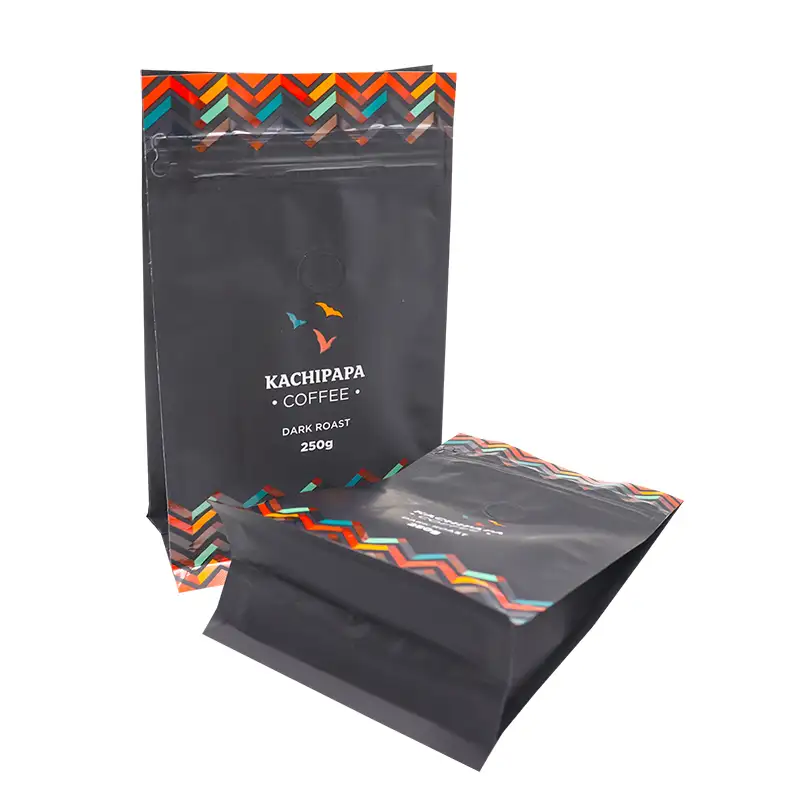
A stand-up pouch has a folded base, sits upright and shows one large front panel. It is the lower-cost format and works for most retail packs. A flat bottom pouch has a squared base and side gussets, so it stands more steadily, fills more neatly and gives you five printable panels. Coffee and premium food use it for that reason. The flat bottom costs more and takes more film, so it makes sense when shelf stability and print area justify it.
Fill weight, volume and bag size
Flower density varies with strain, trim, moisture and how tightly it is packed, so the same weight can need different bag sizes. Do not size from weight alone. Fill the sample bag with your actual product, close it and check headspace, how it stands and whether the zipper closes without catching flower. The free pouch capacity calculator on the supplier's site gives a starting volume, and the sample confirms it.
Humidity control and window or no window
A window lets the buyer see the flower, but it lets light in, and in some markets it is not allowed. If you need visibility, a small window on an otherwise opaque bag is the usual compromise, and its position matters because it also weakens the barrier locally. If freshness is the priority, skip the window. Humidity packs are a separate decision and should be sized for the bag volume and product moisture; check with the pack maker rather than guessing.
Custom Printed Weed Bags Wholesale Depend on Print Method and Quantity
The quote for custom printed weed bags wholesale is built from four things: print method, quantity per design, number of designs and extras. Material and size come in too, but print method sets the minimum, and the minimum decides whether a given plan is possible at all.
Digital or gravure
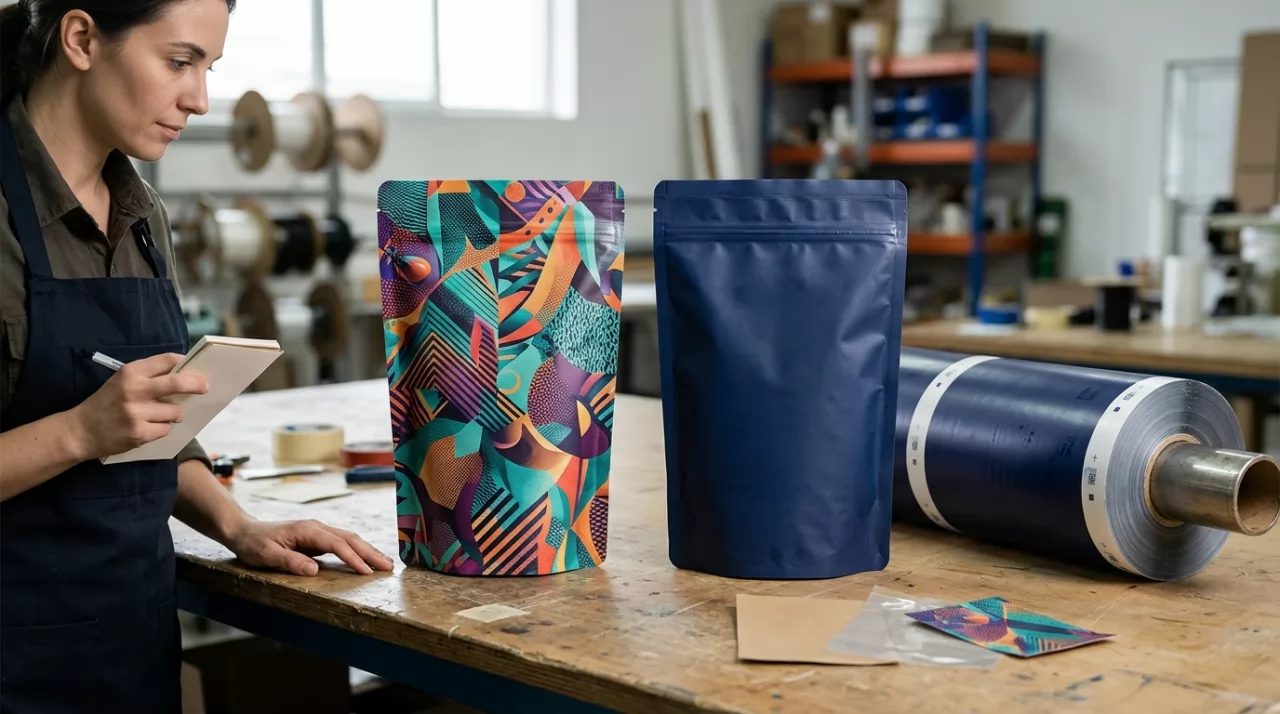
Digital printing starts at 1,000 pcs per design. It suits launches, test runs and ranges with many strains or SKUs, because a new design costs no printing cylinders. Gravure starts at 10,000 pcs per design and gives the lowest unit price on repeat orders, because the cost of the cylinders is spread across a larger run. The practical question is how many pieces of each design you will sell in a year. Many brands launch on digital, learn which designs sell and move the winners to gravure.
What moves the price
Price follows material, bag size, number of print colors, quantity per design and extras such as a zipper, valve or window. There is no standard price list, so any figure you see without those details is a guess. Two bags that look alike can differ widely once the laminate and the closure differ. This is why the quote should itemize each element: it shows you where to trim cost and which items you can change without touching the barrier.
Tip: Ask for the same bag quoted at two quantities, or in digital and gravure. The gap between them shows you where your volume sits and whether a larger first run is worth it.
Samples, proofs and timing
A sample is free, and you pay the courier. Check the size, feel and fit with your own product before you approve artwork. Production time is 7-15 days after artwork approval. Shipping by air, sea or express is quoted with the order, and no transit time is promised in advance, so plan for the freight leg separately. If your artwork is not finished, the in-house design team can lay it out from an idea or a reference photo, and the quote comes back within one business day with a recommended structure.
What to Send With Your Quote Request
A manufacturer can only quote the right structure the first time if the brief names what the pack must do. Missing inputs turn into a second round of questions and a later quote. This list covers what is needed:
- State the product and the fill weight per bag.
- Attach the bag type or a reference photo.
- Give the size, if you know it.
- Specify the quantity per design and the number of designs.
- Supply the artwork, or describe the idea.
- List the extras: zipper, valve, window, hang hole.
- Name the target market and any child-resistant or labeling requirements.
If two structures both fit, ask for one recommended in writing and both priced. You then see the trade-off in numbers instead of taking it on trust.
FAQ
Can I start with a small run before committing to a large one?
Yes. Digital print starts at 1,000 pcs per design, so you can test a launch or several designs first. Move to gravure at 10,000 pcs per design once a design repeats.
Are mylar bags enough to keep weed fresh and smell-proof?
The film is only part of it. A foil or metallized laminate blocks light, oxygen and moisture well, but freshness and odor control depend on the zipper, the seals and the headspace, and on how dry the flower was when packed. A good laminate with a weak closure still leaks aroma.
How do you check that a printed bag will not leak or open in transit?
Ask the supplier which checks run on seals and closures and whether bags are leak-tested before shipment. On your side, fill samples with real product, close them, squeeze them and ship a few to yourself in the carton you plan to use. Seal failures show up quickly under real handling.
Do you need child-resistant closures on every bag?
We cannot answer that for you, and neither can any supplier, because it depends on your jurisdiction and sometimes on the pack type or the sales stage. Some rules apply to the retail pack only, others to every unit sold. Check with your regulator or a test lab, then tell the supplier the answer so the structure is built around it.
Next Step: Send the Brief, Get a Quote and a Sample
Which market has the strictest child-resistant and label rules on your list, and does your current bag leave room for that warning panel? Send the answer with your brief to [email protected] or by WhatsApp at +86 182 1944 5665 for a straight reply, an itemized quote in one business day and a free sample.