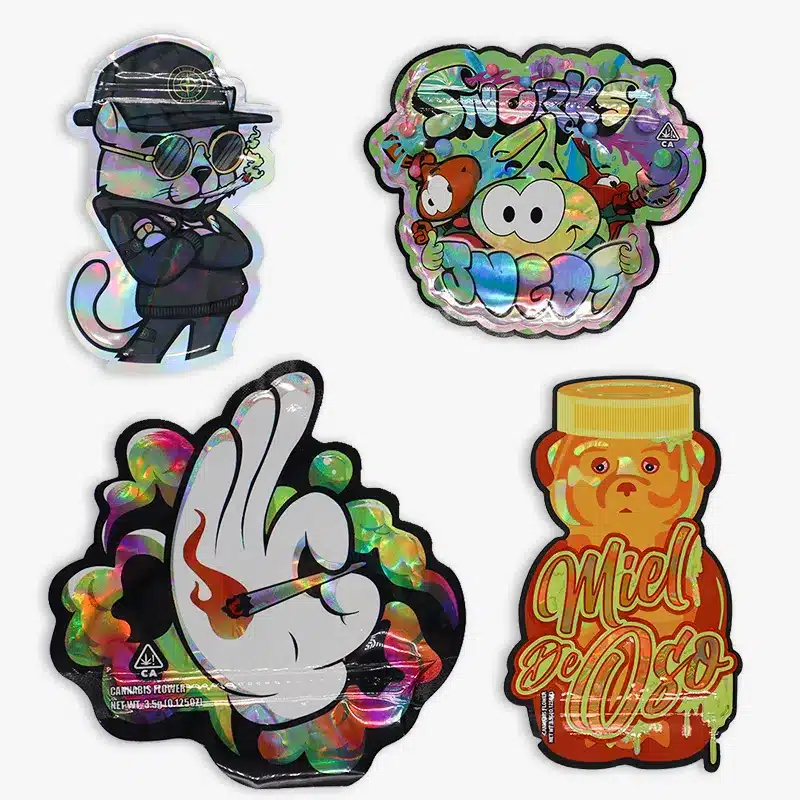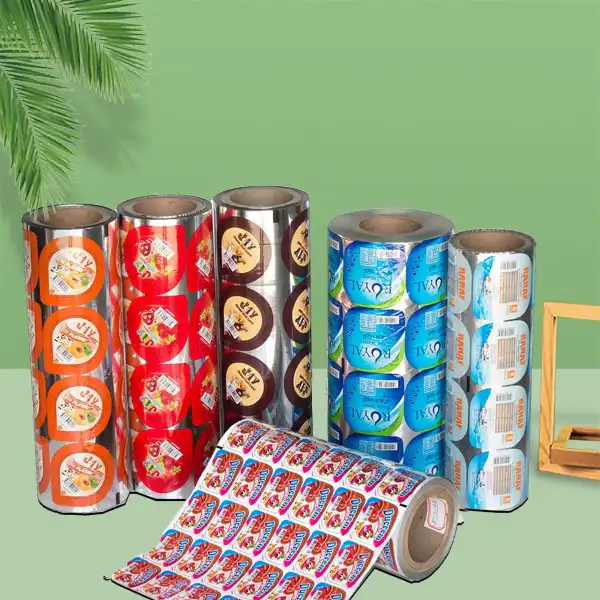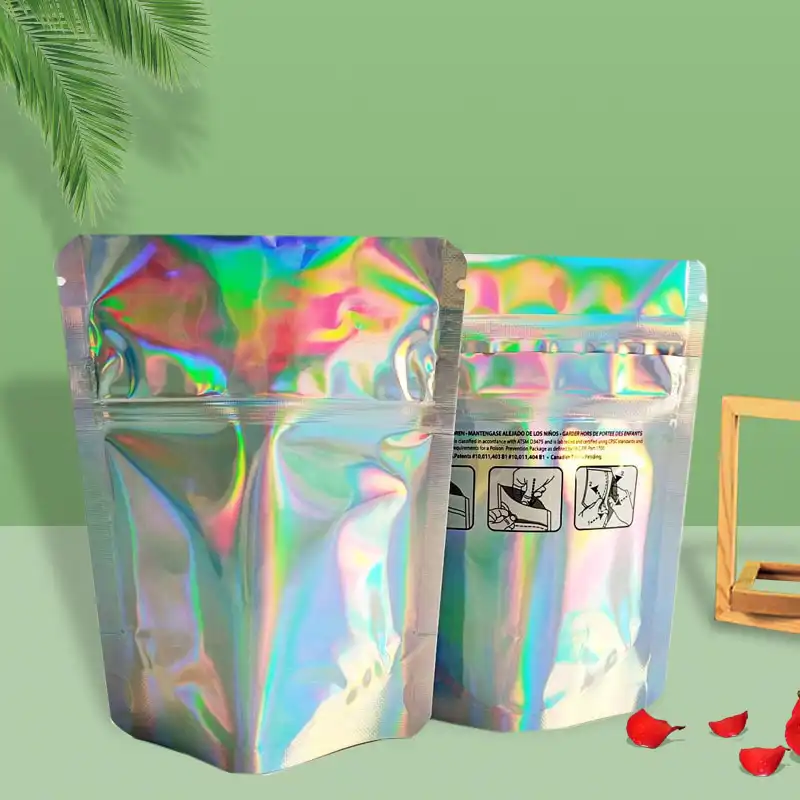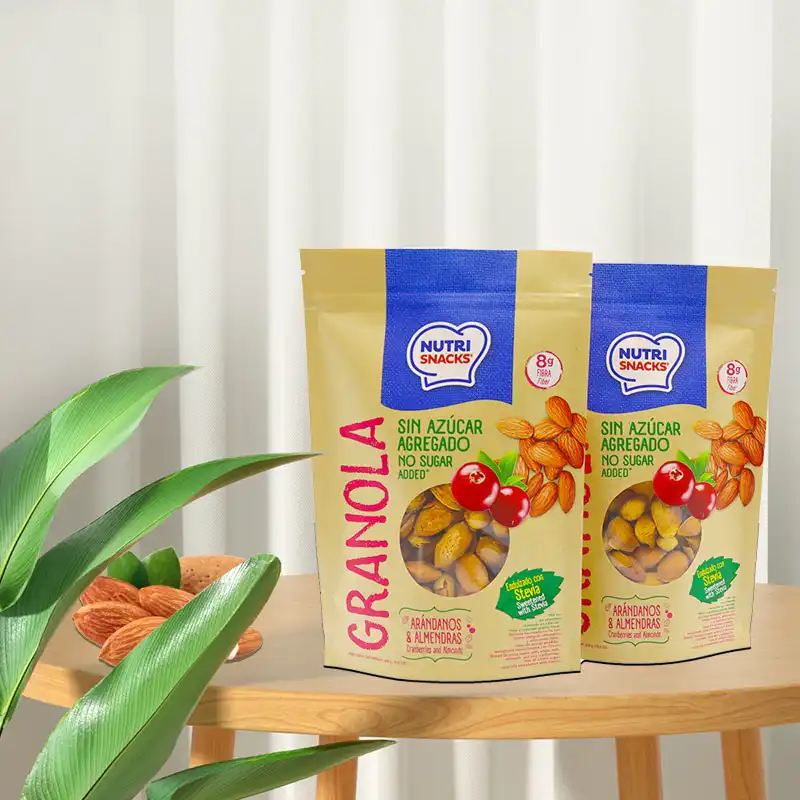
Choosing the right packaging for your snack products means balancing shelf appeal, product protection, and cost efficiency. After working with hundreds of snack brands over two decades, we've found that stand-up pouches with resealable zippers, multi-layer barrier films, and custom printing deliver the best combination of freshness preservation, consumer convenience, and brand differentiation. The key is matching material structure to your product's specific moisture, oxygen, and light sensitivity requirements.
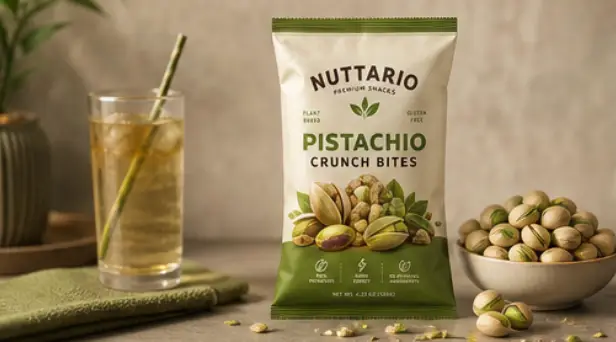
Why Snack Brands Are Switching to Modern Packaging Solutions
The snack food industry has transformed dramatically. Consumers now demand packaging that keeps products fresh longer, offers convenience features like resealability, and aligns with sustainability values. Traditional rigid containers and basic poly bags no longer meet these expectations.
Modern pouches address multiple pain points simultaneously. They reduce shipping weight by up to 60% compared to rigid containers, extend shelf life through advanced barrier properties, and provide a premium canvas for brand storytelling. In our 6,800㎡ cleanroom facility, we've seen firsthand how the right material structure can add 3-6 months to a product's shelf life without preservatives.
The shift isn't just about protection—it's about differentiation. When your chips, jerky, or trail mix sit alongside dozens of competitors, packaging becomes your silent salesperson. Features like matte finishes, spot UV accents, and transparent windows have proven to increase shelf attention by 40% in category audits.
Understanding Material Structures for Snack Protection
Not all pouches are created equal. The "best flexible packaging materials for snack foods" depends entirely on what you're protecting against: moisture, oxygen, light, or physical damage during transit.
Three-Layer vs. Multi-Layer Barrier Films
Basic snack packaging typically uses three layers: an outer print layer (PET or BOPP), a middle barrier layer (aluminum foil or metalized film), and an inner seal layer (PE or CPP). This structure works well for moderately sensitive products like pretzels or popcorn.
For highly sensitive items—think kettle chips that go rancid quickly or freeze-dried fruit—you need 5-7 layer constructions. These include specialized barrier resins like EVOH (ethylene vinyl alcohol) that block oxygen transmission rates below 1 cc/m²/day. We recommend this when shelf life targets exceed 12 months.
| Product Category | Recommended Structure | Typical Shelf Life | Key Protection Need |
|---|---|---|---|
| Potato chips / Kettle chips | PET/AL/PE (foil barrier) | 9-12 months | Oxygen + moisture block |
| Extruded snacks (puffs, curls) | BOPP/VMCPP (metalized) | 6-9 months | Moisture resistance |
| Nuts / Trail mix | PET/AL/PE with degassing valve | 12-18 months | Oil oxidation prevention |
| Jerky / Meat snacks | PET/EVOH/PE (high barrier) | 12-15 months | Oxygen + light protection |
| Granola / Energy bars | Clear PET/PE window pouch | 6-9 months | Moisture + product visibility |
When to Choose Transparent vs. Opaque Materials
Clear windows work beautifully for products where visual appeal drives purchase—think colorful fruit snacks or artisan granola clusters. However, transparency comes with trade-offs. UV light accelerates lipid oxidation in nuts and seeds, reducing shelf life by 20-30%.
We solve this with hybrid designs: a clear front panel for product showcase paired with a metalized or foil back panel for barrier protection. This approach is particularly effective for "stand up pouch packaging for healthy snacks" where ingredient transparency matters to health-conscious buyers.
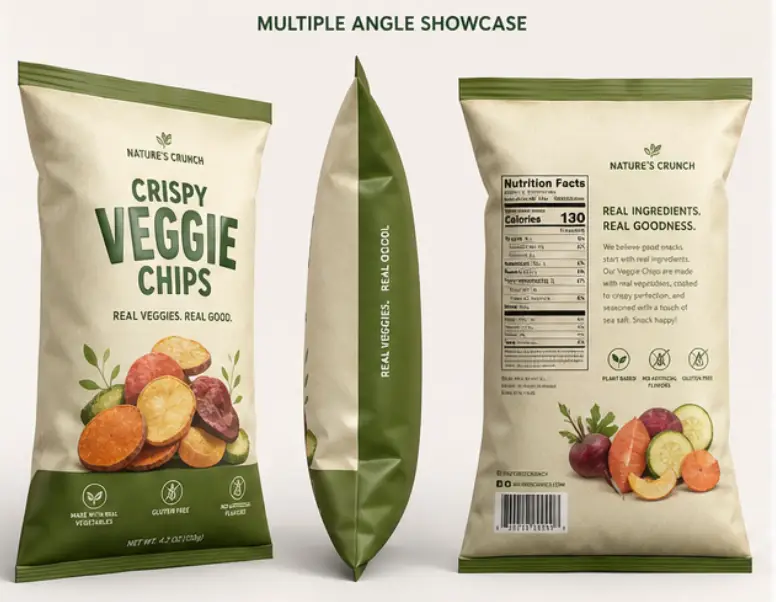
Critical Features That Drive Consumer Convenience
Functionality separates good packaging from great packaging. After analyzing return data from brands we've worked with, three features consistently reduce customer complaints and drive repeat purchases.
Resealable Closures That Actually Work
Press-to-close zippers have become table stakes, but quality varies enormously. Cheap zippers fail after 3-4 open-close cycles, leading to stale products and negative reviews. Medical-grade PE zippers, which we use in our FDA-certified production lines, maintain seal integrity through 50+ cycles.
For larger format bags (1-3 lbs), consider slider zippers. They cost 15-20% more but deliver a premium experience that justifies higher price points. Brands targeting the wholesale/club channel find this investment pays off in reduced waste and improved perceived value.
Tear Notches and Easy-Open Features
Nothing frustrates consumers faster than packaging they can't open without scissors. Laser-scored tear notches positioned at the correct angle (typically 45 degrees) allow clean opening while maintaining seal integrity until first use.
For single-serve portions under 2 oz, side-tear designs eliminate the need for zippers entirely, reducing material costs by 8-12%. This makes them ideal for sampling programs or multi-pack displays.
Gussets for Shelf Stability
Bottom gussets aren't just aesthetic—they're structural. A properly designed gusset allows pouches to stand upright on retail shelves without support, increasing visibility and perceived premium positioning. We typically recommend 30-40mm gusset depth for products between 4-12 oz.
Side gussets work better for larger format bags (16 oz+) that need to maximize cubic efficiency during shipping. This simple design choice can reduce freight costs by 15-25% for brands shipping pallets across regions.
Sustainable Options That Don't Compromise Performance
The "recyclable flexible packaging options for snacks" conversation has evolved beyond greenwashing. Viable solutions now exist that balance environmental responsibility with food safety requirements.
Mono-Material PE Structures
All-polyethylene pouches (PE/PE/PE) are widely recyclable through store drop-off programs. They lack the barrier performance of multi-material laminates but work well for products with shorter shelf life targets (3-6 months) or those sold through rapid-turnover channels like farmers markets.
We've helped artisan brands transition to mono-PE without sacrificing shelf appeal by using high-definition flexographic printing and matte PE films that deliver a premium hand-feel. The trade-off is typically a 20-30% reduction in oxygen barrier compared to metalized alternatives.
Post-Consumer Recycled (PCR) Content
Incorporating 30-50% PCR resin into the inner seal layer satisfies sustainability mandates without compromising food contact safety. Because we hold FDA and ISO 22000 certifications, we recommend keeping PCR content in non-contact layers to maintain regulatory compliance while meeting corporate ESG goals.
The cost premium for PCR content has dropped to 5-10% as supply chains mature—a manageable investment for brands targeting environmentally conscious demographics.
Compostable Films: When They Make Sense
PLA-based compostable pouches generate strong marketing headlines but come with practical limitations. They require industrial composting facilities (not backyard composting) and often sacrifice 30-40% of barrier performance compared to conventional materials.
These solutions work best for brands with controlled distribution channels—think subscription boxes or direct-to-consumer models where you can educate customers on proper disposal. For traditional retail, the infrastructure gap between "compostable" claims and actual composting access creates credibility issues.
Design Considerations for Maximum Shelf Impact
Your pouch is a 3D billboard competing for attention in a crowded category. Strategic design choices can double shelf visibility without increasing material costs.
Print Finishes That Command Premium Pricing
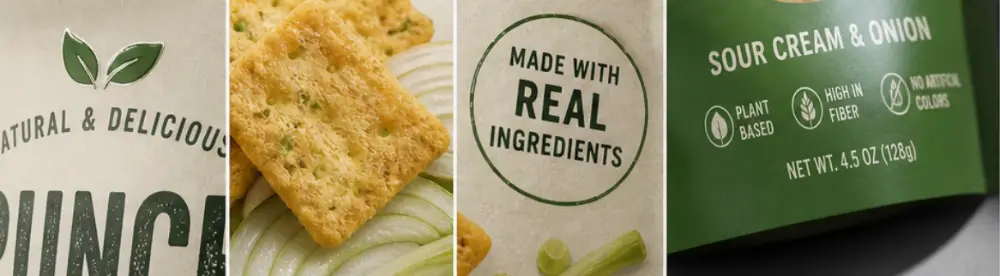
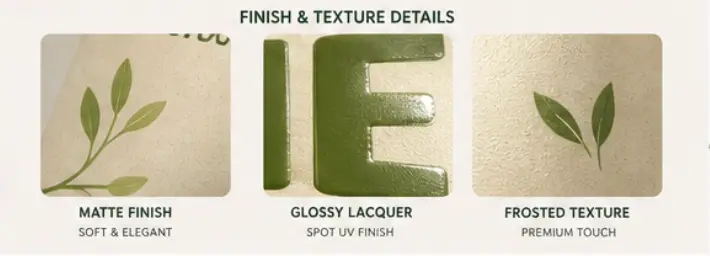
Matte lamination over gloss finishes has grown 60% in premium snack categories over the past 18 months. The soft-touch feel signals quality, reduces glare under retail lighting, and provides better contrast for metallic or spot UV accents.
Our in-house design team often helps brands who only have a rough idea by layering finishes strategically—matte backgrounds with gloss or soft-touch accents on logos create depth without overwhelming the design. This tactile differentiation matters when consumers make split-second decisions.
Color Psychology for Snack Categories
Earthy tones (kraft browns, forest greens) now dominate the better-for-you snack segment, signaling natural ingredients and minimal processing. Bright primaries (reds, yellows) still own traditional indulgent categories like chips and cheese snacks.
The biggest mistake we see? Ignoring category visual codes entirely in pursuit of differentiation. Standing out matters, but consumers need instant visual cues to understand what category you belong to during the 3-second shelf scan.
Information Hierarchy That Converts Browsers to Buyers
Front panels have limited real estate—typically 4-6" wide on standard pouches. Prioritize these elements in order: brand logo, product name, key differentiator (organic, high-protein, vegan), and appetite appeal (product image or window).
Nutrition claims and certifications belong on back panels or side gussets. Overcrowding the front reduces impact. We recommend this sequencing based on eye-tracking studies across multiple snack categories.
Sizing and Format Options for Different Distribution Channels
The "cost effective flexible packaging for artisan snacks" depends heavily on where you're selling and how you're shipping.
Single-Serve (1-3 oz)
Ideal for grab-and-go retail, vending machines, and multi-pack displays. Flat pouches without gussets minimize material costs while maximizing units per case. Print costs drop significantly once you exceed 10,000-unit minimums due to cylinder amortization.
These formats work exceptionally well for test markets or limited-edition flavors where inventory risk needs careful management.
Mid-Size Standup Pouches (4-12 oz)
The sweet spot for premium retail positioning. Stand-up formats with bottom gussets command 15-30% price premiums over horizontal bags while increasing perceived value. Resealable zippers become essential at this size to justify the price point and reduce waste.
We've found this format performs particularly well in natural/organic retail channels where consumers prioritize quality over bulk pricing.
Family Size (16 oz - 2 lbs)
Best for club stores, bulk retailers, and high-velocity products. The packaging cost per ounce drops by 40-50% compared to single-serve, but you'll need robust seals and reinforced gussets to handle the weight without failure.
Consider side gussets over bottom gussets at this scale—they distribute weight more evenly and reduce seal stress during handling.
Printing Methods and Minimum Order Quantities
Many emerging brands stumble on MOQ requirements that don't align with their production scale. Understanding your options prevents costly overstock or compromise on design quality.
Rotogravure Printing: When Volume Justifies Investment
Rotogravure delivers the highest print quality—photographic precision with 8-10 colors plus metallics. However, cylinder costs range from $800-1,500 per color, making it economical only above 50,000-unit runs.
Established brands with predictable velocity use this method for flagship SKUs. The per-unit cost advantage becomes significant at 100,000+ pieces, often dropping packaging costs by 20-30% compared to digital alternatives.
Flexographic Printing: The Flexible Middle Ground
Flexo balances quality and accessibility with MOQs typically starting at 10,000-15,000 units. Modern HD flexo technology achieves 90% of rotogravure quality at a fraction of the setup cost. This is what most brands in the $500K-5M revenue range should consider.
Working with brands across North America, we've found that the most common mistake is choosing printing methods before validating actual velocity. Overcommitting to high-MOQ gravure printing creates cash flow problems for growing brands.
Digital Printing for Test Markets and Limited Runs
Digital printing eliminates setup costs entirely, enabling runs as small as 500-1,000 units. The trade-off is 3-5x higher per-unit costs compared to flexo. This makes sense for product testing, seasonal flavors, or premium small-batch releases where exclusivity justifies pricing.
We often recommend a hybrid strategy: digital for new SKU testing, then transition to flexo once velocity reaches 2,000+ units per month.
Quality Checkpoints When Evaluating Suppliers
Not all packaging manufacturers operate to the same standards. These checkpoints separate reliable partners from vendors who'll create headaches down the road.
Certifications That Actually Matter
FDA compliance is mandatory for food-contact materials, but it's self-declared—there's no certificate. What you should verify: ISO 22000 (food safety management) and BRC certification (retailer-required standard). These involve third-party audits and demonstrate systematic quality control.
For brands targeting Amazon or national retail, ask about lot traceability systems. Major retailers increasingly require full batch tracking for recall management.
Testing Protocols for Seal Integrity
Seal failures cause 70% of packaging-related complaints. Reputable manufacturers perform burst testing, drop testing, and peel strength analysis on every production run. Request test data before committing to large orders.
As a manufacturer that has produced packaging for 20+ years, we've learned that seal width matters as much as seal temperature. Rushed production often means narrow seals (2-3mm) that fail under stress. Specify minimum 5mm seal widths in your purchase agreement.
Lead Times and Production Capacity
Standard lead times for custom printed pouches run 4-6 weeks after artwork approval. Manufacturers promising 2-week turnarounds often sacrifice quality control or lack adequate production capacity for reorders.
Ask about production minimums for reorders—many suppliers require the same MOQ for reprints as initial orders, creating inventory challenges. "Flexible packaging solutions for small snack businesses" should include reasonable reorder terms, typically 30-50% of initial MOQ.
Cost Breakdown: What You're Really Paying For
Understanding cost components helps you negotiate effectively and identify where to invest versus where to save.
Material Costs (50-60% of Total)
Raw film is commoditized and prices fluctuate with oil markets. Aluminum foil structures cost 15-25% more than metalized alternatives but deliver superior barrier performance. For products with 12+ month shelf life requirements, the investment typically pays off in reduced spoilage.
Printing and Setup (20-30%)
This is where MOQ really matters. Cylinder costs amortized across 10,000 units add $0.08-0.12 per pouch; across 100,000 units, that drops to $0.01-0.02. Design complexity—number of colors, specialty inks, registration precision—directly impacts this component.
Features and Accessories (10-20%)
Resealable zippers add $0.02-0.05 per unit depending on quality grade. Degassing valves (essential for coffee or fresh-roasted nuts) add $0.03-0.06. Tear notches and hang holes are typically included at no additional cost when specified upfront.
Hidden Costs to Factor In
Freight, storage, and inventory carrying costs often get overlooked. A "cheaper" supplier 8,000 miles away may cost more once you factor in 6-8 week ocean freight and the working capital tied up in larger MOQs. Regional manufacturers often provide better total cost of ownership despite higher per-unit pricing.
Common Mistakes That Cost Brands Money
After reviewing hundreds of packaging transitions, these errors appear repeatedly and are completely avoidable.
Underspecifying Barrier Requirements
Brands often choose packaging based on appearance rather than performance. A beautiful pouch that lets your chips go stale in 4 months instead of 9 creates expensive returns and damages brand reputation far more than packaging costs.
Conduct accelerated shelf life testing before committing to production runs. Thirty days at 100°F/80% humidity approximates 3-6 months at room temperature, revealing barrier performance issues early.
Ignoring Fill Equipment Compatibility
Your pouch design must match your filling equipment's capabilities. Vertical form-fill-seal machines require different specifications than pre-made pouch fillers. Gusset depth, seal width, and material stiffness all affect runnability.
We recommend sending samples to your co-packer for testing before finalizing the design. Discovering incompatibility after receiving 50,000 pouches is an expensive lesson.
Choosing Price Over Consistency
Cheap packaging often means variable quality. Color shifts between batches, inconsistent seal strength, and dimensional variations cause production headaches. The $0.02 per pouch you save gets consumed by line stoppages and rejected product.
Prioritize suppliers with statistical process control and batch consistency data. This matters more than rock-bottom pricing, especially once you achieve product-market fit and velocity increases.
How to Get Started: A Practical Action Plan
Choosing packaging shouldn't feel overwhelming. Break the process into manageable steps.
Step1: Define Your Requirements
Document your product's sensitivity profile: Does it oxidize? Absorb moisture? Degrade under light? Note your target shelf life, distribution channels, and monthly volume projections. This foundation guides every subsequent decision.
Step 2: Request Samples and Test
Never commit to production without physical samples. Evaluate print quality, seal strength, zipper function, and how your product looks inside the pouch. Run accelerated shelf life tests to validate barrier performance before scaling.
Step 3: Start Small, Scale Smart
Begin with digital or low-MOQ flexo runs to validate market response. Once velocity confirms demand, transition to higher-volume printing methods for better unit economics. This staged approach protects cash flow while you build traction.
If you're weighing options and want guidance tailored to your specific product, our team at YLTPACK is happy to review your requirements and share honest recommendations. You can reach us via WhatsApp at +86 182 1944 5665 or email [email protected]. With 20+ years of source-factory experience and an in-house design team, we help brands navigate these decisions without the guesswork.
Final Thoughts: Making the Right Choice
The ideal packaging solution balances three factors: product protection, consumer experience, and total cost of ownership. There's no universal "perfect" answer—the right choice depends on your specific product chemistry, distribution strategy, and brand positioning.
Start by nailing the barrier requirements, then layer in convenience features and design elements that differentiate your brand. Test rigorously, scale gradually, and partner with a manufacturer who treats your success as their own. Get these fundamentals right, and your packaging becomes a competitive advantage rather than just a container.
Frequently Asked Questions
How long does it take to develop custom snack packaging?
From initial concept to delivered product, expect 6-10 weeks total. This includes 1-2 weeks for design and artwork approval, 1 week for proofing, and 4-6 weeks for production and shipping. Rush options exist but often compromise quality control, so building adequate lead time into your launch calendar prevents last-minute stress.
What's the minimum quantity I need to order?
It depends on your printing method. Digital printing enables runs as small as 500-1,000 units, ideal for testing. Flexographic printing typically starts at 10,000-15,000 units, while rotogravure becomes economical above 50,000. For emerging brands, we recommend starting with lower-MOQ options and scaling as demand confirms.
Are recyclable pouches as effective as traditional materials?
Mono-material recyclable structures offer 70-80% of the barrier performance of conventional laminates. They work well for products with 3-6 month shelf life targets but may fall short for highly sensitive items like nuts or coffee. Post-consumer recycled content in non-contact layers offers a practical middle ground that satisfies sustainability goals without sacrificing safety.
Can I get transparent windows and high barrier protection together?
Yes, through hybrid designs. A clear front panel showcases your product while a metalized or foil back panel provides barrier protection. This approach works especially well for health-focused products where ingredient visibility builds consumer trust while still preventing oxidation and moisture damage.
How do I know if a supplier meets food safety standards?
Look beyond self-declared FDA compliance and verify third-party audited certifications like ISO 22000 and BRC. Request seal integrity test data, ask about lot traceability systems, and confirm production happens in controlled environments. These indicators reveal whether a manufacturer maintains systematic quality control or cuts corners.