The Quick Answer: Yes, But Construction Matters
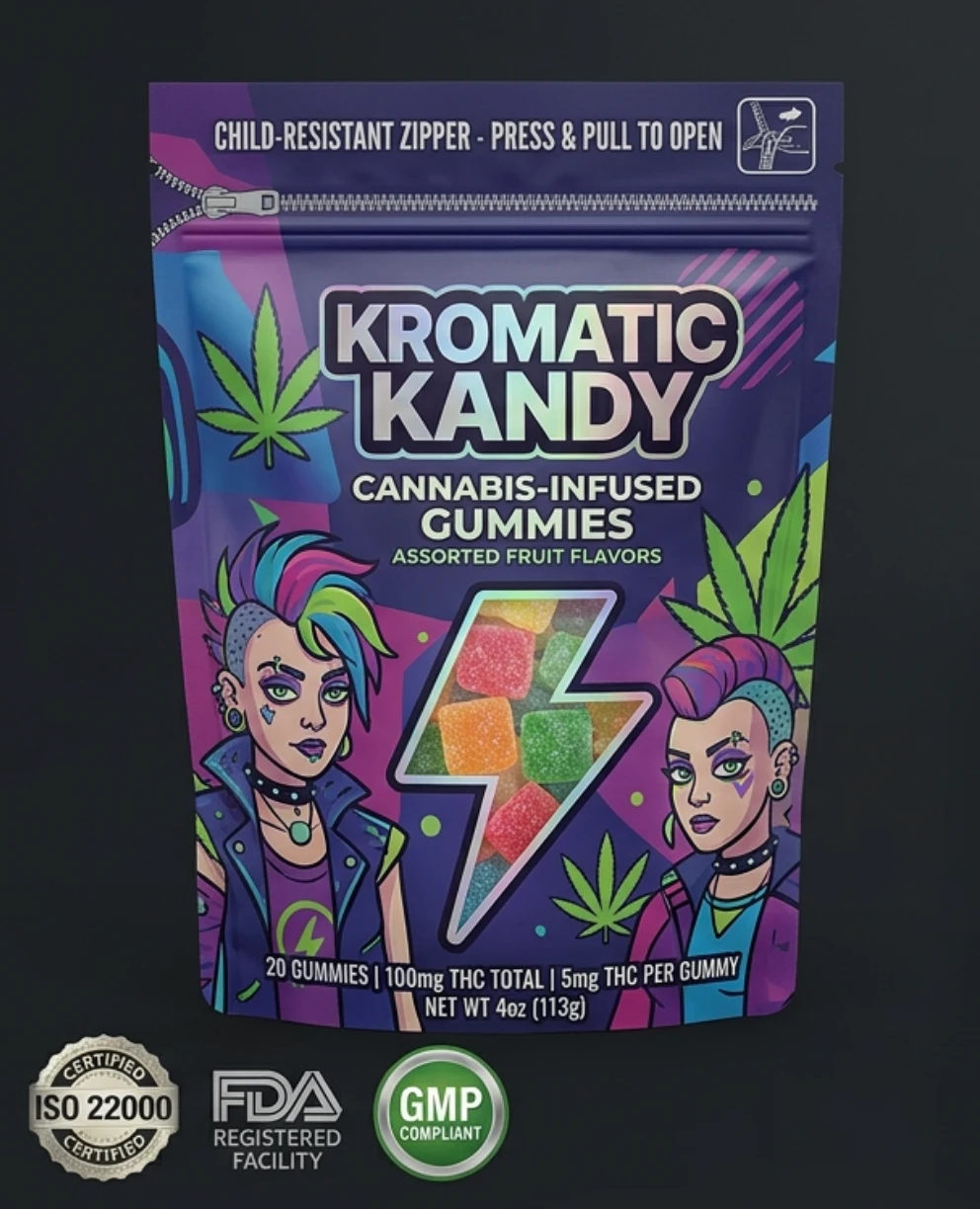
Mylar foil pouches are designed to survive a wide temperature range, and freezer storage falls comfortably within it. The real question isn't whether they tolerate cold—it's whether the seal, the zipper, and the laminate layers stay intact through repeated freeze-thaw cycles.
Cheap, thin pouches can crack at the seams or lose their seal when condensation forms. Properly engineered foil bags, on the other hand, hold up beautifully. The difference comes down to film thickness, lamination quality, and closure design.
Why People Freeze Foil Pouches in the First Place
Cold storage slows down the chemical reactions that degrade aroma, color, and potency. For dried botanicals, freezing can dramatically reduce oxidation and terpene loss over long storage windows.
- Aroma retention: Lower temperatures preserve volatile compounds that give products their signature scent.
- Extended shelf life: Slower degradation means a longer sellable window for retailers.
- Pest prevention: Freezing can interrupt the life cycle of certain insects in dried goods.
- Bulk preservation: Brands buying in volume often need to hold inventory before distribution.
The catch is that freezing only helps if the package keeps moisture and oxygen out. That's where barrier performance becomes the deciding factor.
The Science: How Foil Barriers Handle Cold
A high-performance pouch is typically a multi-layer laminate—PET, aluminum foil, and food-grade polyethylene fused together. The aluminum layer is what blocks light, oxygen, and water vapor, and aluminum performs reliably at sub-zero temperatures.
The vulnerable point is the inner sealant layer and the resealable closure. If the polyethylene becomes too brittle in the cold, micro-cracks can appear. As a manufacturer that has produced packaging for 20+ years, we specify film grades that stay flexible down to roughly -40°C, which removes that risk entirely.
Oxygen and Moisture Transmission Rates
Barrier quality is measured by OTR (oxygen transmission rate) and MVTR (moisture vapor transmission rate). Lower numbers mean better protection. Here's how typical materials compare based on standard industry testing data.
| Material Structure | OTR (cc/m²/day) | MVTR (g/m²/day) | Freezer Suitable? |
|---|---|---|---|
| Single-layer PE | 1,200+ | 15–20 | Poor |
| Metallized PET laminate | 1–3 | 0.5–1.0 | Good |
| True foil laminate (PET/AL/PE) | <0.1 | <0.05 | Excellent |
Notice the dramatic gap. A true aluminum foil structure offers near-zero transmission, which is exactly why it's the go-to choice for long-term cold storage. Metallized films look similar but perform very differently.
The Real Enemy in the Freezer: Condensation
The biggest mistake we see brands make isn't the freezing itself—it's what happens when the bag comes out. Warm air hits the cold surface and condensation forms instantly, both inside and outside the pouch.
Moisture inside the package is the fastest way to ruin dried product. To avoid it, follow a simple rule: let pouches reach room temperature before opening. The seal must stay closed during that transition.
Best Practices for Freezing Foil Pouches
- Fill and seal at room temperature, removing as much air as possible.
- Use an oxygen absorber inside for long-term storage.
- Avoid repeated freeze-thaw cycles—each one stresses the seal.
- Allow full thaw before reopening to prevent internal condensation.
- Store flat to reduce seam stress and save space.
What Makes a Pouch Freezer-Ready
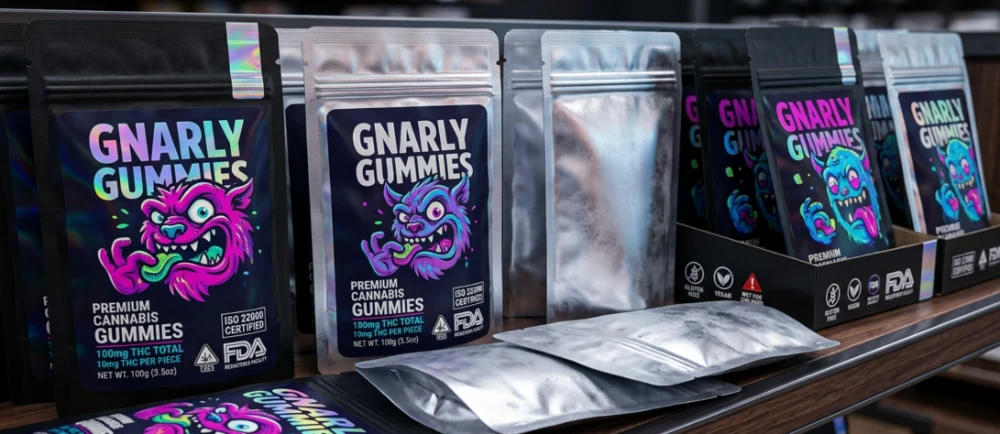
Not every pouch on the market is engineered for cold storage. When sourcing weed zipper bags for storage, these are the specifications that separate a reliable package from one that fails.
| Feature | Standard Pouch | Freezer-Ready Pouch |
|---|---|---|
| Film thickness | 3–4 mil | 5–7 mil |
| Sealant flexibility | Brittle below 0°C | Flexible to -40°C |
| Seal width | 4–6 mm | 8–10 mm |
| Closure type | Basic press-zip | Reinforced resealable track |
The wider, thicker seal is what prevents seam failure in the cold. In our 6,800㎡ cleanroom facility, we run drop and seal-strength tests at freezing temperatures so brands aren't guessing about durability.
Odor Containment: A Frequent Buyer Concern
Beyond cold tolerance, scent control is usually top of mind. A genuine foil laminate doubles as a smell proof weed zipper bag because the aluminum layer blocks volatile aroma molecules from escaping—the same property that keeps oxygen out.
Metallized films can leak scent over time; true foil does not. If discreet, sealed packaging matters to your customers, the barrier structure is non-negotiable. This is also why a good foil pouch outperforms a simple plastic herb container for long storage.
Compliance: Child-Resistant and Regulatory Notes
For regulated products, the closure isn't just about convenience—it's a legal requirement in many jurisdictions. Certified child resistant weed zipper bags use specialized press-and-slide or interlocking mechanisms tested to ASTM and 16 CFR 1700.20 standards.
Because we hold FDA and ISO 22000 certifications, we recommend confirming that any child-resistant closure carries documented test reports, not just a marketing claim. The freezer environment can affect closure performance, so cold-rated CR zippers matter for products stored frozen.
Disclaimer: This article addresses packaging performance only. Products discussed are intended for use in U.S. states where they are legally permitted. Always comply with your local regulations regarding child-resistant packaging and labeling. Our certified child-safety lock options are available where such packaging is required by law.
Buying in Volume: What to Verify Before You Order
When you scale to large quantities, small material differences multiply across thousands of units. Brands ordering mylar weed zipper bags bulk should request samples and run their own freeze tests before committing.
Working with brands across North America, we've found that the most common mistake is approving a design based on a room-temperature sample, then discovering seal failures after freezing. A quick verification round prevents costly reorders.
Pre-Order Checklist
- Confirm the full laminate structure (true foil vs. metallized).
- Request OTR and MVTR test data in writing.
- Verify seal width and closure type for cold tolerance.
- Ask for child-resistant certification documents if applicable.
- Test sample resealable weed zipper pouches through several freeze-thaw cycles.
- Confirm print durability—some inks crack in the cold.
Customization Without the Guesswork
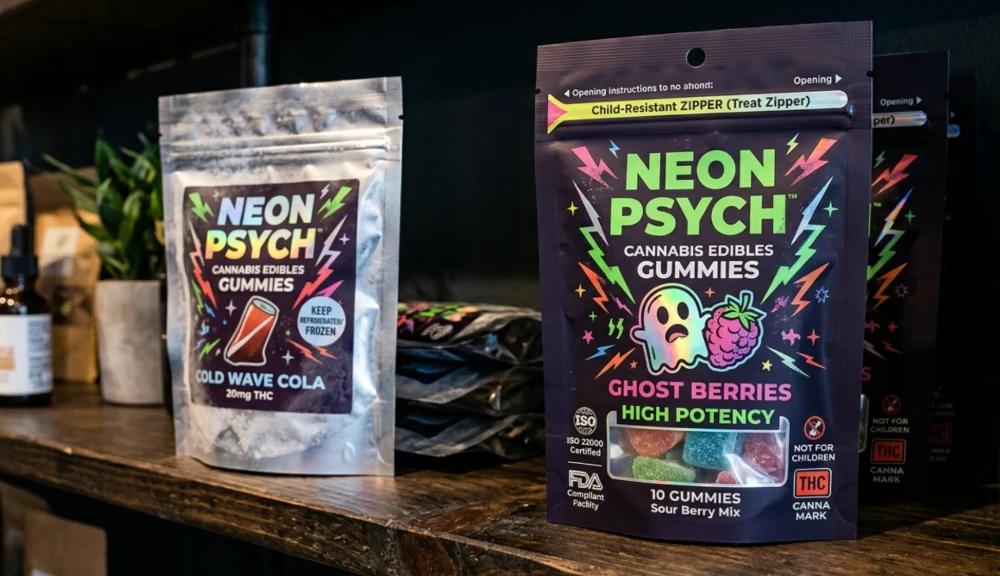
Most brands come to us knowing they want freezer-safe, scent-sealed packaging but aren't sure which film grade or finish fits their product. Our in-house design team often helps brands who only have a rough idea, turning specs into print-ready artwork and matched material structures.
Beyond the bags themselves, accessory pairings matter for retail bundles. A coordinated set—pouch plus a weed grinder, a rolling tray, and matching smell proof bag options—can elevate the unboxing experience and reinforce brand identity. Cohesive cannabis storage presentation often drives stronger repeat purchases.
For sample requests or material questions, YLTPACK can be reached at WhatsApp +86 182 1944 5665 or [email protected]. We'll point you toward the right structure based on how your product will actually be stored.
Key Takeaways
Yes, you can absolutely freeze foil zipper pouches—provided they're built with the right film thickness, flexible sealant, and a reinforced closure. The aluminum barrier protects against oxygen, moisture, light, and odor even at sub-zero temperatures.
The failure points are almost always brittle seals, thin films, or condensation from opening too early. Choose a true foil laminate, verify the test data, run a freeze cycle on your samples, and you'll have packaging that keeps product fresh for the long haul.
Frequently Asked Questions
Can foil zipper pouches crack in the freezer?
Low-quality, thin films can become brittle and crack at the seams. Pouches made with cold-rated sealant layers stay flexible down to about -40°C and won't crack under normal freezer conditions.
How long can dried product stay frozen in a foil pouch?
With a true foil laminate and an oxygen absorber, properly sealed products can stay fresh for 12 months or longer. The near-zero transmission rates dramatically slow degradation.
Do I need to remove air before freezing?
Yes. Removing excess air—and ideally adding an oxygen absorber—prevents freezer burn and oxidation. A reinforced resealable track helps maintain that low-air environment between uses.
Will freezing affect the smell-proof barrier?
No. The aluminum layer that blocks aroma works just as well frozen. In fact, cold storage further slows the release of volatile compounds, making the package even more discreet.
Are child-resistant closures still effective when frozen?
They can be, but only if the closure is rated for low temperatures. Always confirm the child-resistant mechanism has been tested under cold conditions and carries valid certification documentation.