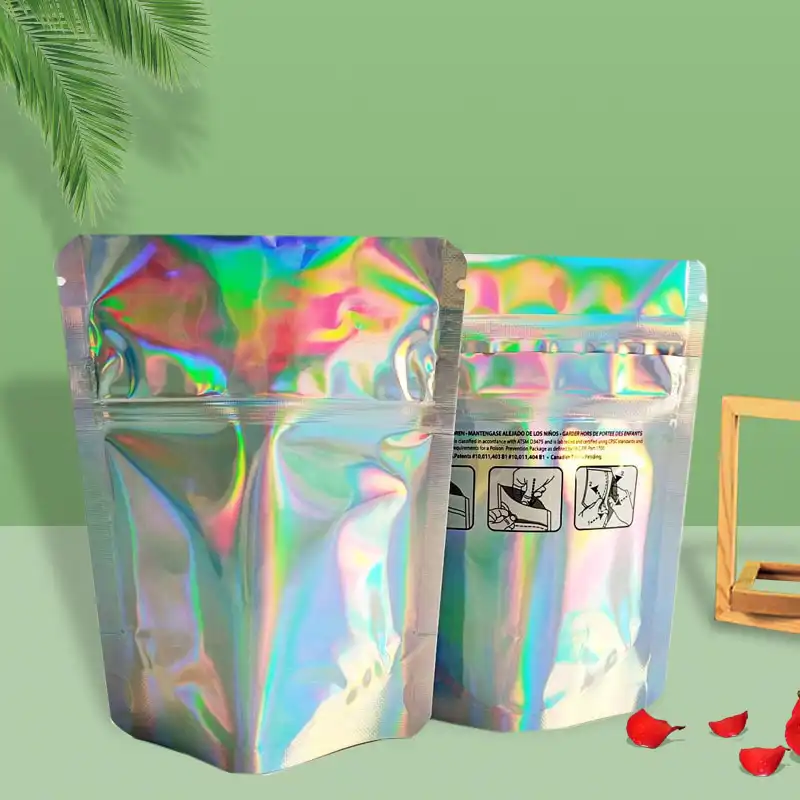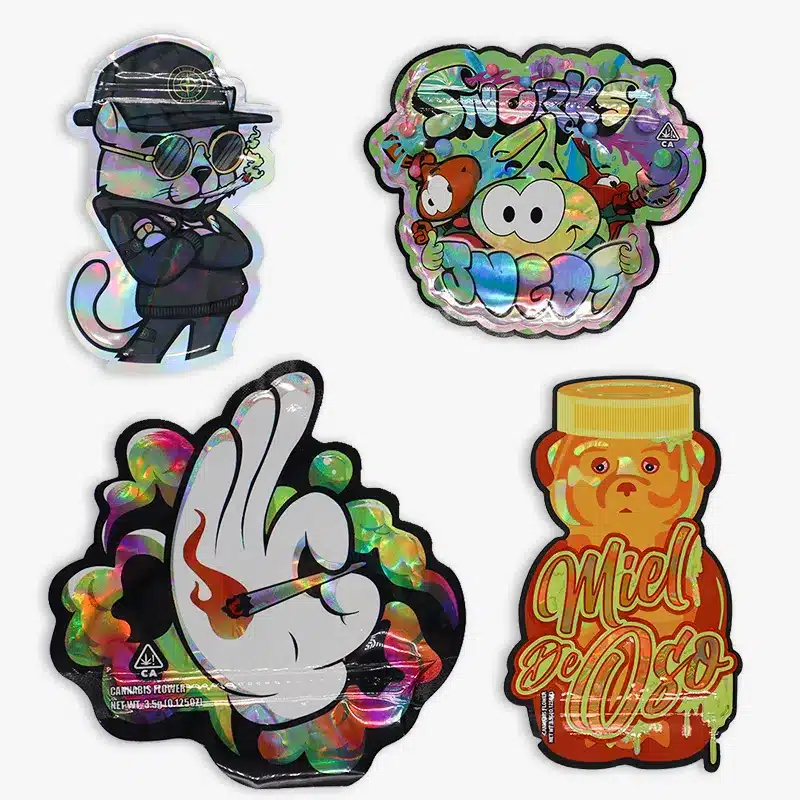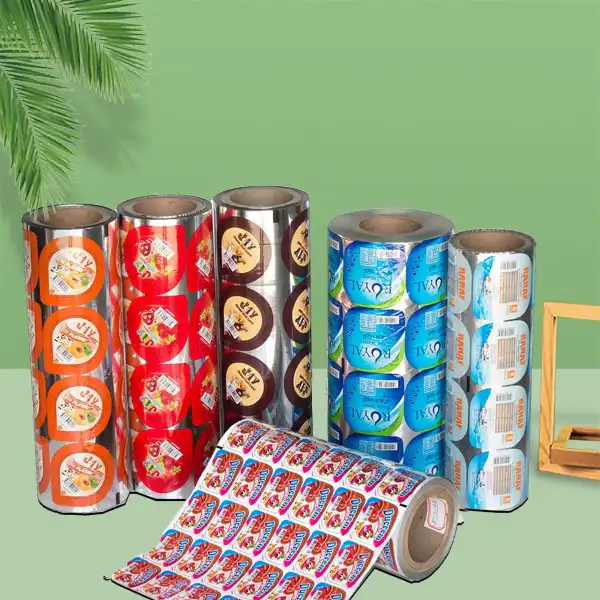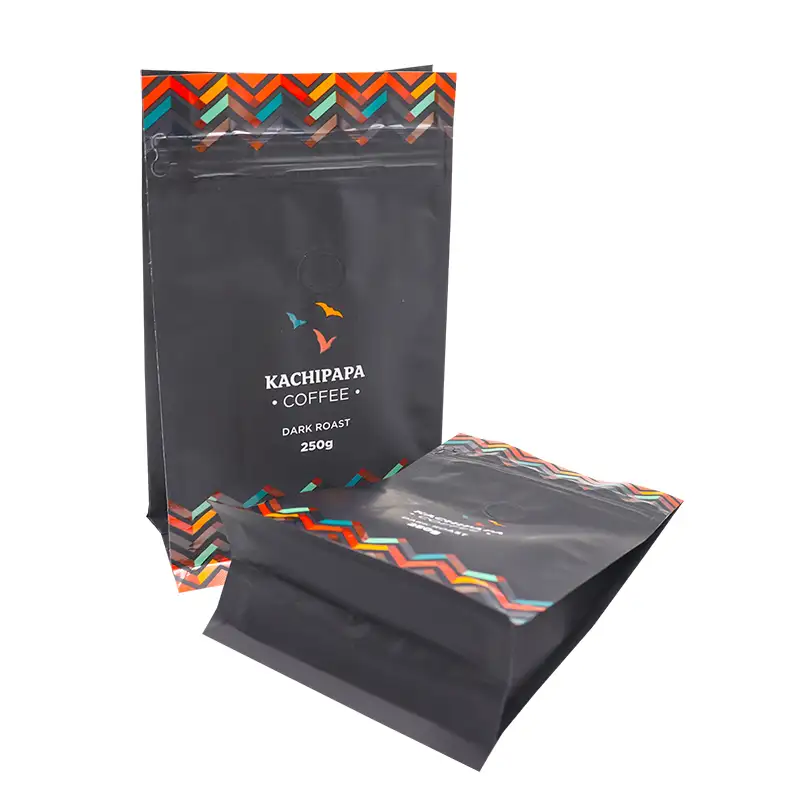
Sourcing custom packaging bags from China works well when you prepare specs upfront, verify the factory (not a trader), request physical samples, and understand pricing components. This guide walks you through every step — from MOQ negotiation to customs — so your first order ships on time and on spec.
You've narrowed your packaging brief, your launch date is fixed, and now you're staring at twenty supplier emails that all promise "high quality, low price, fast delivery." Three of them are trading companies. Two will quote you on the wrong film structure. One will disappear after the deposit. How do you tell them apart before you wire money?
This guide is written from the factory floor — not the marketing brochure. As a manufacturer that has produced packaging for 20+ years, we've watched buyers make the same five mistakes over and over. Here's how to avoid them.
What "Made in China" Actually Means Today
The quality gap inside China is wider than the gap between China and other regions. You'll encounter three types of suppliers:
- Trading companies — they don't own machines. They mark up factory prices 10–25% and add a communication layer that slows revisions.
- OEM workshops — small operations, often without certifications or in-house printing. Fine for non-regulated products, risky for food contact.
- Source factories with certifications — own their printing, lamination, and bag-making lines, hold FDA/ISO documents under their own legal name, and can host live audits.
The price difference between a trader and a source factory is usually smaller than buyers think. The quality control difference is enormous.
Before You Contact a Single Supplier: Define Your Bag Specifications
Buyers who skip this step receive non-comparable quotes and waste three to six weeks bouncing between suppliers. Spend two hours on this checklist before sending your first inquiry.
Bag Type and Structure
Common Formats and Their Best Uses
| Bag Format | Typical Application | Why It Fits |
|---|---|---|
| Stand-up pouch with zipper | Coffee, snacks, supplements | Shelf presence + reseal |
| Flat-bottom (box) pouch | Premium coffee, pet treats | Five panels for branding, stable on shelf |
| Three-side seal sachet | Single-serve, samples | Lowest material cost per unit |
| Spouted pouch | Liquids, baby food, detergents | Controlled pour, child-resistant options |
| Kraft window bag | Tea, granola, artisan goods | "Natural" visual cue + product visibility |
| Resealable poly mailer | Apparel, e-commerce shipping | Lightweight, low MOQ via digital print |
| Heavy-duty woven sack | Rice, pet food, fertilizer | Stack strength up to 25kg |
Material Layers and Barrier Requirements
The lamination structure decides whether your product survives shipping and shelf life. A few rules of thumb:
- PET/AL/PE — highest barrier, ideal for coffee (preserves aroma), oily snacks, and oxygen-sensitive supplements.
- PET/VMPET/PE — metallized look, mid-tier barrier, cost-effective for snacks under 12-month shelf life.
- Kraft/PLA/PE — natural finish with moderate barrier, popular for tea and granola.
- Mono-PE — recyclable, suitable for dry goods and apparel where barrier needs are minimal.
If your product is coffee, push for the strongest oxygen barrier you can afford — degassing valves don't help if the film itself leaks aroma. If it's pet food, decision-makers (the owners) read ingredient panels closely, so consider a clear window or matte kraft finish that signals transparency.
Print Method and Finish
| Method | Best For | Color Accuracy | Setup Cost Behavior |
|---|---|---|---|
| Gravure (rotogravure) | Runs above 5,000 pcs | Excellent, photo-quality | High plate cost, low per-unit cost |
| Digital | Launches, 300–3,000 pcs | Very good, slight variance on metallics | No plates, higher per-unit cost |
| Flexographic | Simple designs, large volumes | Good for solid colors, weak gradients | Lower plate cost than gravure |
Finishes worth specifying: matte lamination (premium feel, hides scuffs), soft-touch (luxury, popular in beauty), spot UV (highlights logos), and hot stamping (gold/silver foil for gift positioning). For beauty and supplements where Instagram unboxing drives word-of-mouth, soft-touch with spot UV is the combination most often requested.
Sustainability Specifications
"Eco-friendly" without paperwork is a marketing claim, not a specification. If sustainability matters to your buyers, request:
- Mono-material PE with a How2Recycle pre-qualification letter
- Home-compostable PLA/PBAT with TÜV OK Compost HOME certification
- PCR (post-consumer recycled) content with GRS (Global Recycled Standard) certification documenting the percentage
Understanding MOQs for Custom Printed Bags
This is the question almost every first-time buyer asks. The honest answer: MOQs exist because of physics, not greed.
Why MOQs Exist (and Why They Vary So Much)
Three drivers set the floor:
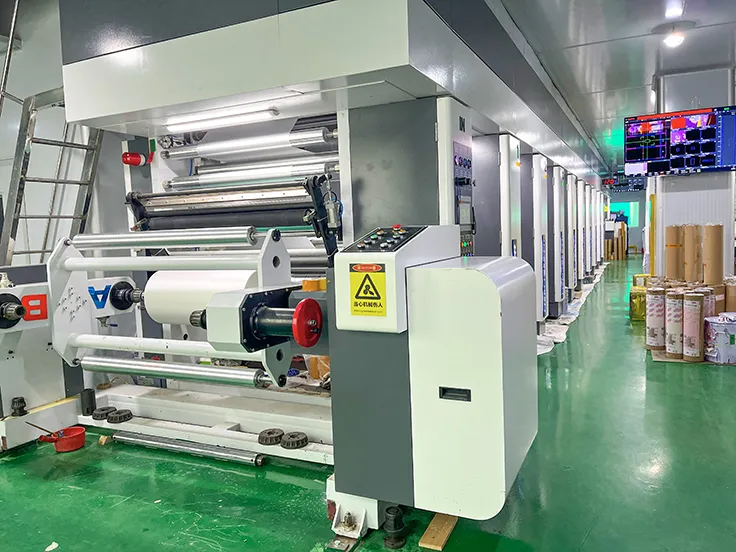
- Plate making. Gravure cylinders are engraved per color. A 6-color design needs 6 cylinders, each costing real money to produce — that cost has to amortize over enough units.
- Film roll widths. Raw film comes in 1,000–1,300mm rolls. A factory can't run 200 meters and stop; the setup waste alone is 100+ meters.
- Machine setup time. A printing line takes 2–4 hours to color-match and register. That fixed time gets distributed across your run.
Typical MOQ Ranges by Bag Type
| Bag Type | Typical MOQ Range | Main Cost Driver |
|---|---|---|
| Stand-up pouches (gravure) | 5,000–10,000 pcs | Cylinder plates per color |
| Flat poly mailers (digital) | 500–2,000 pcs | Setup vs. material |
| Kraft window bags | 3,000–5,000 pcs | Paper roll width |
| Spouted pouches | 5,000–10,000 pcs | Spout tooling |
| Compostable pouches | 10,000–15,000 pcs | Specialty film minimums |
How to Negotiate Lower MOQs Without Sacrificing Quality
- Share cylinders across SKUs. If three flavors share the same back panel, you only pay for one set of plates on that side.
- Use digital for product launches. Validate the design with 1,000 units before committing to gravure tooling.
- Mix designs within one film structure. Running four variants of a 10,000-piece order is easier than four separate 2,500-piece orders.
- Ask about combined runs. Some factories schedule small orders alongside larger ones to share setup time.
How to Find and Verify Custom Packaging Bag Manufacturers in China

Where Serious Buyers Actually Search
| Channel | Strength | Watch Out For |
|---|---|---|
| Alibaba | Volume, easy comparison | Many traders disguised as factories |
| Made-in-China | More verified manufacturers | Older interface, slower response |
| Canton Fair / ProPak China | Face-to-face, see samples in hand | Travel cost, twice yearly |
| Direct factory website | Bypass platform fees, build relationship | Harder to find, requires verification |
| LinkedIn / referrals | Vetted by people you trust | Smaller pool |
The Factory vs. Trader Test: 7 Questions That Reveal the Truth
- What is your registered factory address? (Cross-check on Google Maps satellite view.)
- How many printing presses do you operate, and what type?
- Can we do a live video walkthrough of the workshop tomorrow?
- Whose name is on your FDA and ISO certificates? (Should match the company on your invoice.)
- Where do you source your raw film? Can you share supplier names?
- What's your typical lead time, and have you missed it in the last six months?
- Can you share three references from buyers in my region or industry?
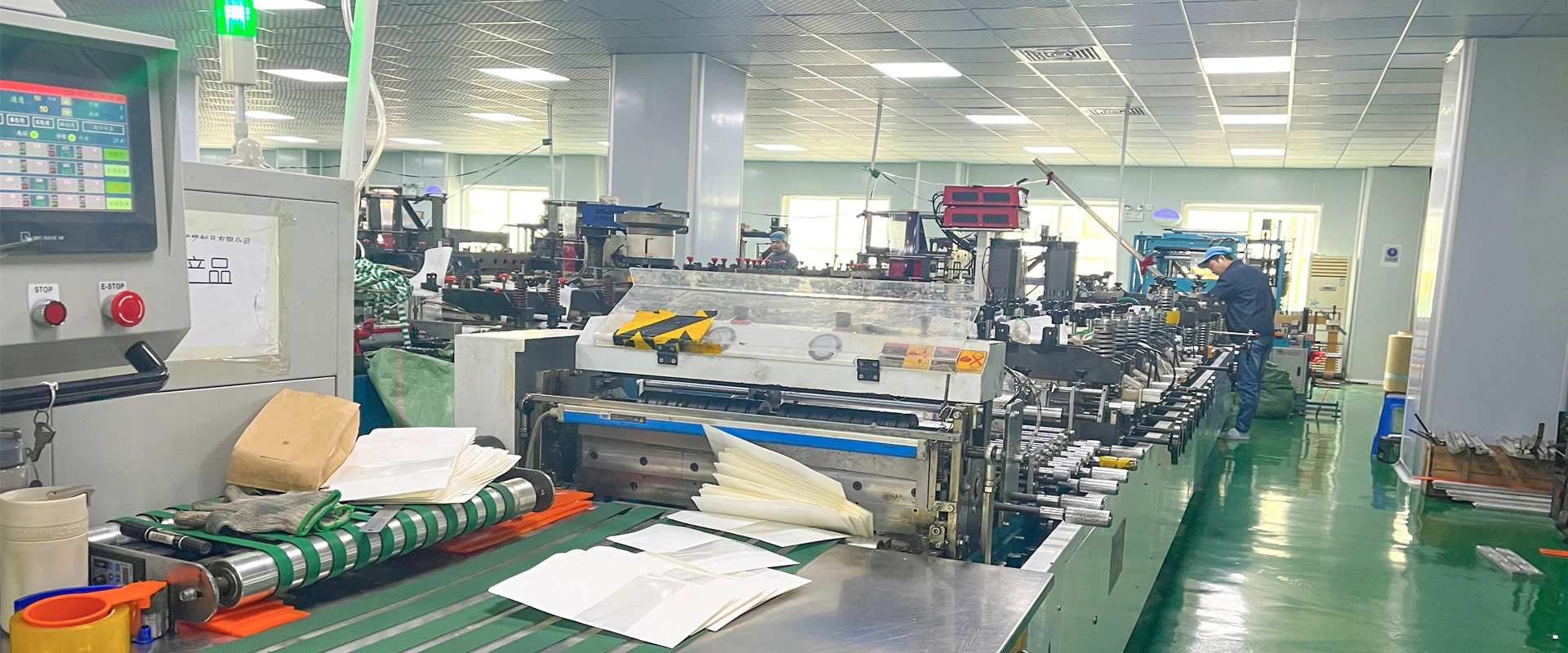
Traders dodge questions 2, 3, and 4. Source factories answer them in a paragraph.
Verifying Certifications That Actually Matter
| Certification | What It Verifies | Required For |
|---|---|---|
| FDA Compliance | Food-contact safety of materials | Food, supplements, pet treats |
| ISO 9001 | Quality management system | All categories |
| ISO 22000 | Food safety management | Food, beverage |
| BRCGS Packaging | Hygiene and traceability | Pharma, major retailers |
| BSCI / Sedex | Social compliance, labor practices | Retail and supermarket buyers |
| GRS | Recycled content verification | PCR-content claims |
| BPI / TÜV OK Compost | Compostability | Eco-line products |
What "verified credentials" looks like in practice: in our own 6,800㎡ cleanroom facility, FDA, ISO 9001, ISO 22000, and GRS certificates are issued under our manufacturing entity — the same name that appears on commercial invoices. If a supplier shows you a certificate under a different company name, that's a trading arrangement, not their own compliance.
The Sample Stage: What to Request and What to Inspect
Pre-Production Samples vs. Mass Production Samples
A digital mockup tells you the design fits the dieline. It tells you nothing about how the gold foil will actually look on matte film, or whether the zipper closes cleanly after the third use. Insist on:
- Pre-production sample (PPS): Made on the actual film and printed with actual plates. This is your last chance to catch color shift, texture issues, or seal-line errors before mass production.
- First-article inspection from mass production: Sent within the first 10% of the run. Confirms the production batch matches the approved PPS.
What to inspect: color accuracy against your Pantone references, seal strength (peel a few apart), zipper function (open/close 20 times), barrier integrity (a simple water test for laminate adhesion), and print registration on small text.
Pricing Structure: What You're Actually Paying For
The Five Components of a Custom Bag Quote
- Raw material: Film, foil, kraft paper — typically 40–55% of cost.
- Printing: Plates (one-time) + ink + machine time.
- Lamination: Bonding the layers; complexity increases with more layers.
- Bag-making: Forming, sealing, applying zippers/spouts/valves.
- Packaging and export prep: Cartons, pallets, labeling, documentation.
Why the Cheapest Quote Often Costs More
A snack brand we worked with had previously chosen a 12% cheaper supplier for a peanut-based product. The supplier substituted a thinner barrier film without disclosing it. Six weeks after distribution, oils migrated through the laminate and the product smelled rancid on shelf. The reprint plus pulled inventory cost more than three times the original "savings." Always confirm the exact film structure (in microns, layer by layer) on the proforma invoice.
What Drives Price Up or Down
- Order volume (per-unit cost drops sharply between 5K and 30K units)
- Number of print colors (each color = one plate)
- Film structure complexity (3-layer vs. 4-layer lamination)
- Special finishes (soft-touch, spot UV, foil stamping)
- Certification requirements (BRCGS-grade production runs cost more)
- Accessories (zippers, spouts, valves, hang holes)
Production Timeline and Quality Control
Typical Lead Time Breakdown
| Stage | Duration |
|---|---|
| Artwork confirmation & plate making | 5–10 days |
| Material preparation | 7–10 days |
| Printing & lamination | 5–8 days |
| Bag making & inspection | 5–7 days |
| Export packing | 2–3 days |
| Total (typical) | 25–40 days |
Inline QC vs. Final QC vs. Third-Party Inspection
Reputable factories run inline QC every 30 minutes during printing (color drift, registration) and 100% visual inspection during bag-making. Final QC samples a percentage of finished cartons against AQL 2.5 standards.
For first orders above 20,000 units, or when entering regulated retail channels (major supermarkets, pharmacies), consider hiring SGS, Bureau Veritas, or Intertek for an independent pre-shipment inspection. Cost is modest relative to the value of catching a defect before it ships.
How an In-House Design Team Reduces Production Errors
Most artwork problems aren't aesthetic — they're technical. Bleed lines too short, barcodes placed on a seal area, white text on a background that won't print legibly at small sizes, Pantone colors that don't translate to CMYK printing. Our in-house design team often helps brands who only have a rough idea or a logo file, r
ebuilding their artwork into print-ready files that account for shrinkage during lamination, color trapping between adjacent inks, and correct bleed extension around gusset folds. This pre-press collaboration eliminates the most common cause of reprints: artwork that looked perfect on screen but failed on film.
A practical tip: always supply vector artwork (AI or PDF with outlined fonts) rather than rasterized images. If your file contains transparency effects or drop shadows, flatten them before submission. And confirm the color mode — RGB files sent to a gravure printer will shift dramatically, especially in greens and purples.
Shipping, Customs, and Import Logistics
Choosing the Right Incoterm
Most packaging bag orders ship under one of three Incoterms:
- FOB (Free On Board): The factory delivers goods to the port and loads them onto the vessel. You arrange and pay for ocean freight, insurance, and destination handling. This gives you control over carrier selection and cost visibility.
- CIF (Cost, Insurance, Freight): The factory arranges shipping to your destination port. Convenient, but you lose visibility into actual freight costs — some suppliers pad the freight quote.
- DDP (Delivered Duty Paid): The factory handles everything to your door, including customs clearance and import duties. Simplest for the buyer, but you're trusting the supplier's logistics partner with your timeline.
For first orders, FOB offers the best balance of cost transparency and control. Once you've established trust and predictable volumes, DDP can save administrative time.
Freight Method by Order Size
| Order Volume | Recommended Freight | Transit Time (to US West Coast) | Cost Behavior |
|---|---|---|---|
| Under 300 kg | Air freight or courier (DHL/FedEx) | 5–8 days | High per-kg, low total |
| 300 kg – 10 CBM | LCL (Less than Container Load) | 18–25 days | Moderate, shared container |
| Above 10 CBM | FCL (Full Container Load — 20ft or 40ft) | 15–22 days | Lowest per-unit cost |
Packaging bags are lightweight but bulky. A 40ft container can hold roughly 18,000–22,000 stand-up pouches per carton, with 600–800 cartons per container depending on bag dimensions. Ask your factory for the CBM (cubic meter) calculation before choosing between LCL and FCL — sometimes you're closer to a full container than you think, and the per-unit savings justify ordering slightly more.
Import Duties and Documentation
Plastic packaging bags entering the United States typically fall under HS code 3923.29 (bags and pouches of plastics, other). The standard duty rate is around 3%, though this can change with trade policy. Paper-based bags may classify under 4819.40 at different rates. Always confirm the HS code with your customs broker before shipment.
Documents your factory should provide:
- Commercial invoice with unit price, quantity, and Incoterm
- Packing list with carton dimensions, gross/net weight, and CBM
- Bill of lading (ocean) or airway bill (air)
- Certificate of origin (for preferential duty treatment if applicable)
- FDA prior notice (for food-contact packaging entering the US)
- Material safety data sheets if requested by customs
Payment Terms and Protecting Your Money
Standard Payment Structures
The industry norm for custom packaging orders is 30% deposit upon order confirmation, 70% balance before shipment. This protects both sides: the factory covers raw material costs upfront, and you retain leverage until goods are inspected and ready to ship.
Variations you may encounter:
- 100% upfront: Only acceptable for very small sample orders. Never pay full amount on a production run before seeing finished goods.
- 30/70 with balance against B/L copy: You pay the balance once the factory provides proof of shipment. Offers slightly more security.
- Letter of Credit (L/C): Common for orders above $50,000. The bank guarantees payment upon presentation of conforming documents. Adds cost but reduces risk for both parties.
- Net 30–60 days: Rare for new relationships. Factories may offer this after 3–5 successful orders demonstrate reliability.
Red Flags in Payment Requests
- Personal bank accounts instead of a company account matching the invoice name
- Requests to wire to a third-party company in a different country
- Sudden changes to banking details mid-transaction (possible email compromise — always verify by phone)
- Pressure to pay 100% before any sample approval
Building a Long-Term Supplier Relationship
Why Repeat Buyers Get Better Everything
Factories prioritize repeat clients in scheduling, pricing, and problem resolution. After your second or third order, you can typically expect:
- Priority production slots during peak season (September–November)
- Reduced plate storage fees or free plate retention
- Faster sample turnaround on new SKUs
- Willingness to accommodate smaller top-up orders between main runs
- Proactive communication about material price changes or new sustainable options
Communication Practices That Prevent Mistakes
Most production errors trace back to ambiguous communication, not incompetence. Adopt these habits:
- Confirm every specification change in writing — never rely on verbal agreements alone.
- Use annotated images rather than long text descriptions when discussing design placement.
- Maintain a single shared document (a spec sheet or order brief) that both parties update and sign off on before production begins.
- Establish one primary contact on each side. Multiple people emailing the factory with conflicting instructions is the fastest path to errors.
- Schedule a brief video call before each new order to review changes from the previous run.
Common Mistakes and How to Avoid Them
| Mistake | Consequence | Prevention |
|---|---|---|
| Choosing on price alone | Material substitution, failed shelf life | Request full film structure in microns on the PI |
| Skipping physical samples | Color mismatch, zipper failure discovered post-delivery | Always approve a PPS before mass production |
| Unclear artwork files | Reprints, 2–3 week delays | Supply print-ready vectors with Pantone callouts |
| Ignoring lead time buffers | Missed launch dates | Add 7–10 days to quoted timelines for first orders |
| No written contract | No recourse for defects or delays | Use a simple purchase agreement specifying specs, timeline, and remedies |
| Overlooking food-safety compliance | Customs holds, product recalls | Confirm FDA/EU compliance documentation before deposit |
Your Action Plan: From Inquiry to First Shipment
- Define specs: Bag type, dimensions, material structure, print colors, finish, quantity, and target unit price.
- Shortlist 3–5 suppliers: Use the factory vs. trader test. Prioritize those who answer technical questions without hesitation.
- Request and compare quotes: Ensure each quote specifies the same film structure, print method, and Incoterm so comparisons are valid.
- Order samples: Pay for a pre-production sample on actual materials. Evaluate color, texture, seal strength, and functionality.
- Negotiate terms: Confirm payment schedule, lead time, QC checkpoints, and what happens if specs aren't met.
- Approve artwork proofs: Sign off on a final digital proof and request a printed color proof if colors are critical to your brand.
- Monitor production: Request progress photos at printing, lamination, and bag-making stages. Schedule a third-party inspection for large orders.
- Arrange logistics: Book freight early, especially during peak shipping seasons. Confirm all export documents are prepared.
- Receive and inspect: Check a random selection of cartons against your approved sample before distributing to your warehouse or co-packer.
- Debrief and reorder: Document what went well and what to adjust. Feed improvements into your next order brief.
Sourcing custom packaging bags from China is not a gamble when you approach it with clear specifications, verified suppliers, and structured communication. The factories that invest in their own equipment, certifications, and design support exist precisely to serve brands that value reliability over the lowest possible number on a quote. Start with the spec sheet, verify the source, approve the sample in your hands — and your packaging will arrive exactly as you envisioned it.