Your tea line is ready, and a retailer wants "plastic-free" packaging. Three Chinese factories have quoted. All three say "biodegradable," and each quote describes a different bag. This guide explains what custom biodegradable tea bags actually involve and what to put in your RFQ so the quotes come back in a form you can compare line by line.
Custom biodegradable tea bags are two separate products: the infusion filter bag and the printed retail pouch. Most flexible-packaging plants make only the pouch. If your brand needs an eco claim, specify "certified compostable" for one named laminate structure and a named standard. Do not accept the word "biodegradable" on its own.
What Does "Biodegradable Tea Bag" Mean When You Source from China?
"Biodegradable tea bag" can mean the infusion bag that steeps in the cup or the printed pouch the tea is sold in. The two come from different supply chains. For either one, a sound spec names a compostable structure and the standard it is certified to, and does not rely on the general word "biodegradable."
Infusion Bags vs. Retail Tea Pouches
An infusion filter bag is the porous bag that holds the leaves in hot water. It is usually made from PLA mesh or plant-fiber filter paper. PLA (polylactic acid) is a bio-based polymer, typically made from fermented plant starch, that is compostable under industrial composting conditions.
A retail tea pouch is the printed outer bag that sits on the shelf and keeps the tea fresh. Filter-bag makers and pouch converters use different machines and raw materials. Most flexible-packaging plants make only the pouch, so confirm early which product each supplier is quoting.
Why "Biodegradable" Alone Is a Weak Spec
"Biodegradable" says nothing about test method, timeframe or end environment. Given enough time, nearly any organic material breaks down. A factory can therefore use the word for a bag that will not break down in any composting system your customers can reach.
Regulators are also restricting the term. California, for example, limits "biodegradable" labelling on plastic products, and EU rules on generic environmental claims now require substantiation. Write a named standard and a named layer structure into the RFQ. Then every supplier has to quote the same thing.
Which Materials Work for Compostable Tea Packaging?
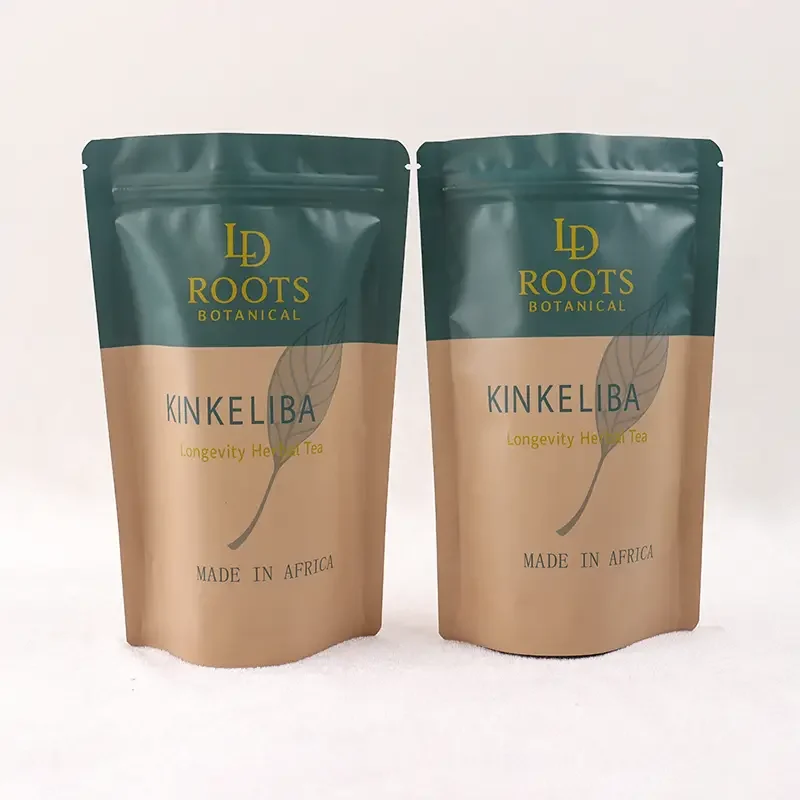
Compostable kraft/PLA laminates are the usual starting point for compostable tea packaging. They give the natural paper look and can carry a compostability claim. They keep out less oxygen and moisture than foil laminates, though, so match the structure to the shelf life your tea needs.
Compostable Kraft/PLA Laminates
A laminate is a film made by bonding several layers, each with its own job. A typical compostable tea pouch has three:
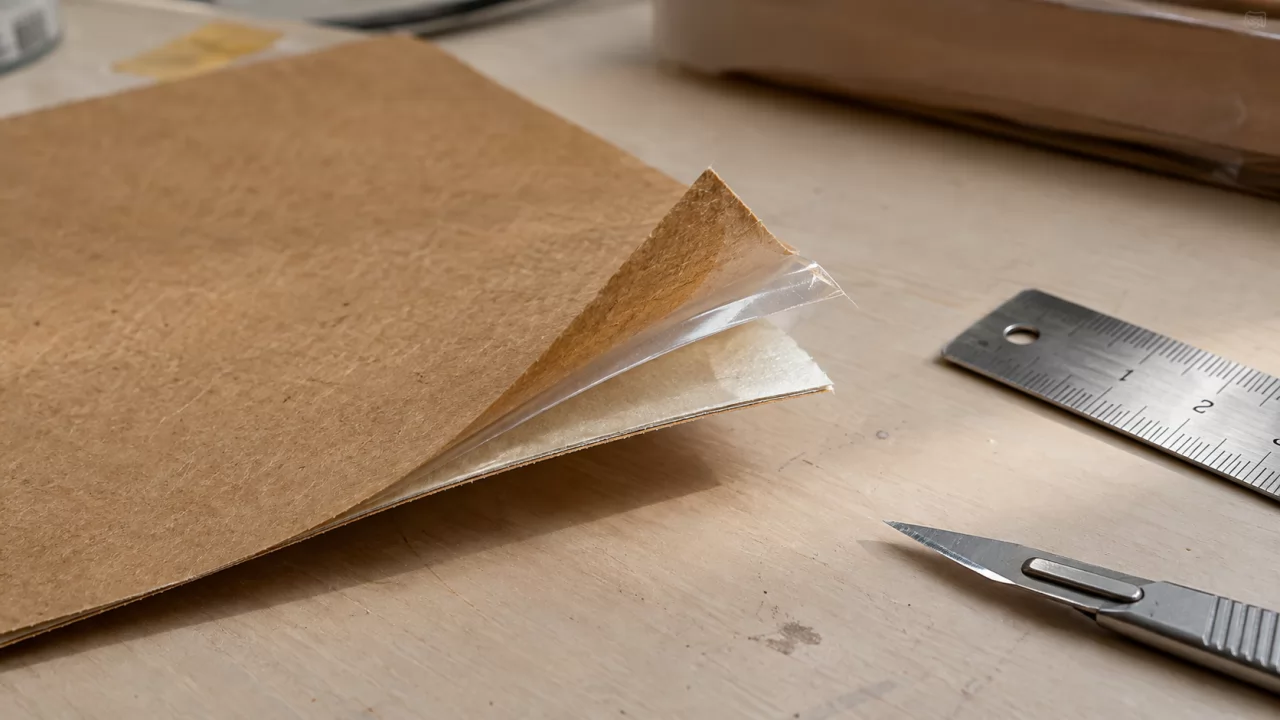
- Print surface: kraft paper, which takes the print and gives the matte, natural feel buyers expect from eco-friendly tea packaging bags.
- Barrier: usually a coated or metallized compostable film, often cellulose-based, that slows the movement of oxygen and moisture.
- Sealant: a PLA-based or similar compostable inner layer that heat-seals the bag shut.
Every layer, plus the adhesive and inks, has to be part of the certified structure. One conventional layer means the whole bag can no longer claim compostability.
Barrier Trade-offs for Aroma and Moisture
Tea loses value through moisture uptake, oxidation and aroma loss. Loose-leaf black tea is relatively forgiving. Matcha is a fine powder and is usually very sensitive to light and oxygen. Flavored blends need a barrier that holds volatile aroma in and keeps outside odors out.
Foil and high-barrier laminates give the longest freshness. They are not compostable, and a foil or mylar bag should never be described as recyclable. If your product needs foil-level protection, the eco claim may have to move from the pouch to another part of the product.
Alternatives If Compostable Doesn't Fit
Mono-PE is a structure built from a single polymer family (polyethylene). It is designed for recycling streams that accept PE film, where those streams exist. Recycled-content structures use post-consumer recycled (PCR) material, and GRS (Global Recycled Standard) certification tracks that content through the supply chain.
Each of these is a different claim with its own paperwork. Pick one, and keep the artwork, the certificates and the retailer listing consistent with it.
How to Choose Biodegradable Tea Bag Manufacturers in China
The safest choice among biodegradable tea bag manufacturers in China is a plant that prints, laminates and makes bags under one roof. It should also send certificates for the exact structure you are buying and provide a sample before you commit. Use the criteria below to compare suppliers on equal terms.
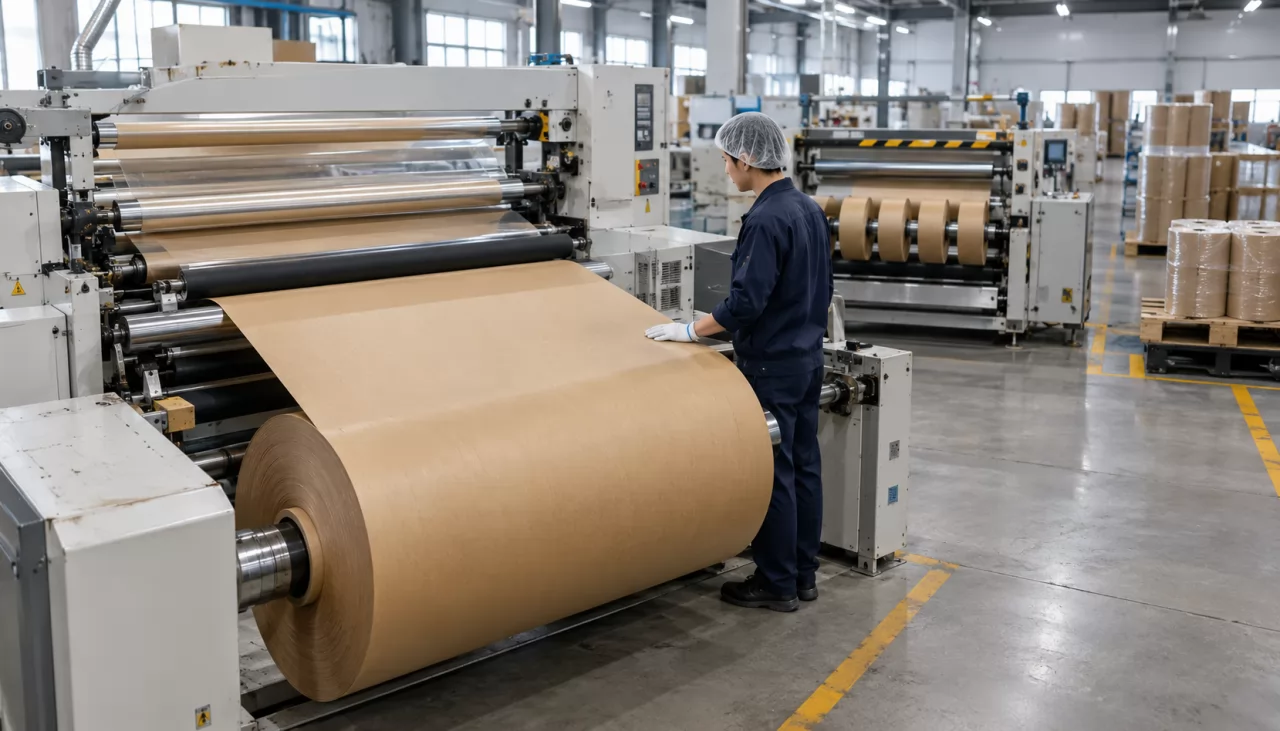
- In-house process chain: Ask which steps are subcontracted. Each handoff between printer, laminator and bag maker adds a point where registration, bond strength or seal quality can slip, and where responsibility gets unclear. As one example, YLTPACK runs printing, lamination and bag making in its own 6,520 m² cleanroom plant in Shenzhen, with 9 color printing in house and 30+ printing and converting machines.
- Structure-specific documents: A certificate should name the film or laminate on your quote, not a product family in a brochure. Ask for copies with the quote, not after the deposit.
- Sampling policy: A free similar sample lets you check size, feel and how the bag fills before artwork is final. At YLTPACK the sample is free and you pay the courier.
- QC before packing: Ask how many checks run before cartons are sealed and what each one covers. YLTPACK runs 11 quality checks before packing and leak-proof testing before shipment.
- Written structure recommendation: A capable supplier tells you which laminate fits your tea and why. Where two options fit, it should recommend one in writing and price both.
- Design support: Kraft substrates print differently from white films, and colors usually come out darker and less saturated. A design team that knows this saves proof rounds.
Rule of thumb: if a supplier cannot name every layer of the bag it is quoting, it is not ready to quote a compostable bag.
Which Standards and Certificates Should You Ask For?
Compostable tea packaging needs three separate kinds of proof: certification of compostability for the exact structure, food-contact compliance for your target market, and evidence of the factory's management systems. These come from different bodies and cover different things. No single certificate substitutes for the other two.
Compostability: EN 13432, ASTM D6400, Home vs. Industrial
EN 13432 is the European standard that sets requirements for packaging recoverable through industrial composting and biodegradation. It covers disintegration, biodegradation, ecotoxicity and heavy-metal limits. ASTM D6400 is the US specification for plastics designed to be aerobically composted in municipal or industrial facilities. ASTM D6868 covers biodegradable plastics used as coatings or layers on paper, which is relevant for kraft laminates.
Industrial compostable means the material breaks down in a managed facility with controlled heat and moisture. Home compostable is a separate, harder claim, because backyard heaps run cooler and less consistently. Do not let one claim stand in for the other on your artwork.
Third-party marks such as TÜV Austria's OK compost INDUSTRIAL and OK compost HOME, or BPI certification in North America, show that a certifier has tested the product against these standards. Retailers often ask for the mark, not just the test report.
Food Contact for EU and US Markets
In the EU, Regulation (EC) No 1935/2004 is the framework for all food-contact materials. Plastic layers fall under Regulation (EU) No 10/2011, and Regulation (EC) No 2023/2006 covers good manufacturing practice. Ask for a declaration of compliance covering the full laminate.
In the US, the relevant rules sit in FDA 21 CFR. At YLTPACK, the PE film is tested to FDA 21 CFR food-contact requirements and has a test report. No film is "FDA approved" or "FDA certified," and a supplier who says so is overstating the position.
Factory Systems
ISO 22000 (food safety management) and ISO 9001 (quality management) show how the plant runs, not what your bag is made of. BSCI covers social compliance. GRS matters only if you order a recycled-content structure. YLTPACK holds ISO 22000, ISO 9001, GRS and BSCI and is Disney-audited. Copies are sent with the quote and can be viewed on its website.
Compostable Kraft Tea Bags with Zipper: Minimum Order, Cost and Lead Time
Compostable kraft tea bags with zipper usually carry a higher minimum order than conventional pouches, because the specialty films are bought and run in larger lots. At YLTPACK the compostable minimum is 30,000 pcs per design. Production takes 7–15 days after you approve the artwork proof. Freight is quoted separately.
MOQ by Structure and Print Method
Minimums at YLTPACK depend on structure and print method:
- Digital print: 1,000 pcs per design, suited to conventional launches, test runs and multi-SKU ranges.
- Gravure: 10,000 pcs per design, for repeat orders at the lowest unit price.
- Compostable, recyclable mono-PE or recycled-content: 30,000 pcs per design.
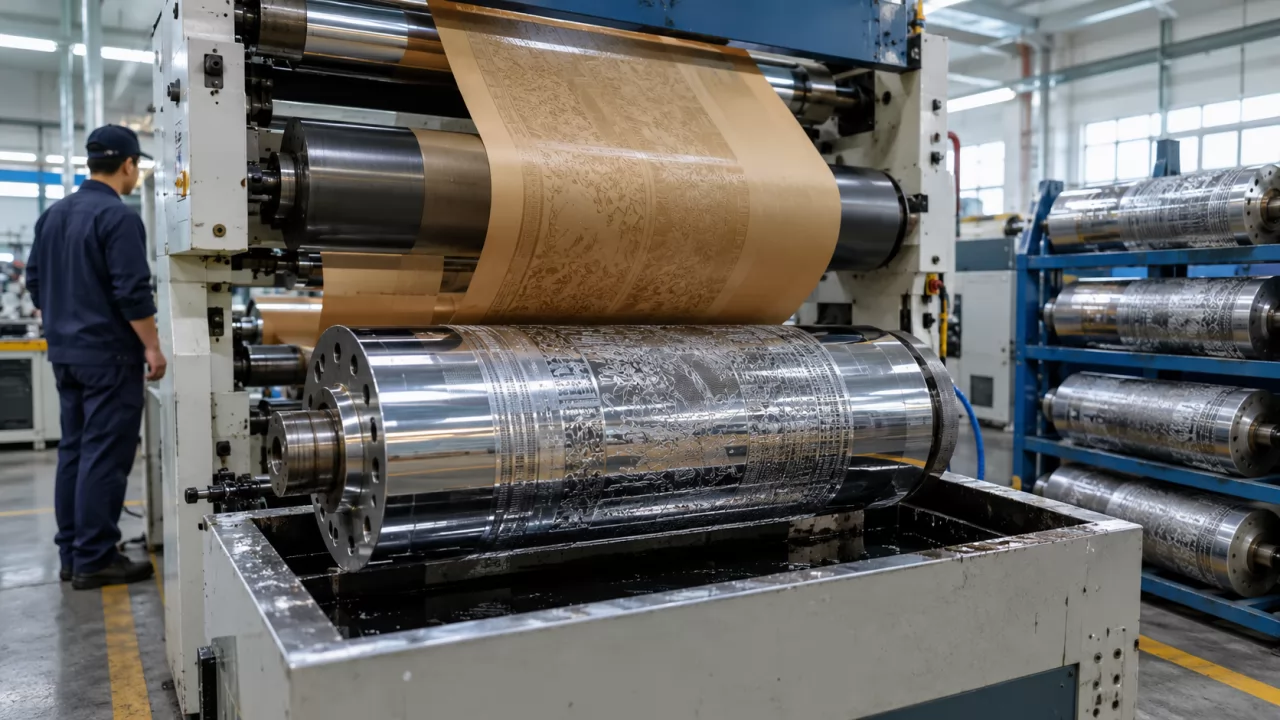
Gravure printing uses engraved cylinders, one per color. That is why it suits long runs and repeat designs. If 30,000 pcs per design is too much for a first season, a conventional digital-print pilot can test the market, artwork and fill. You then move to the compostable structure once volumes are proven. Do not print an eco claim on the pilot bag.
What Drives the Unit Price
Five things set the unit price: material, bag size, number of print colors, quantity per design, and extras such as a zipper, window or tear notch. There is no fixed price list. You get an itemized quote, so you can see what the zipper or an extra color adds and decide whether you need it.
Lead Time and Shipping
Production time is 7–15 days after artwork proof approval. Air, sea and express freight are quoted with the order. Transit time is not promised in advance, so build your launch date around production plus a freight estimate you have confirmed separately.
Common Mistakes When Sourcing Custom Printed Compostable Tea Pouches
Most failed orders of custom printed compostable tea pouches come from a mismatched component, an unverified claim or a barrier that was too weak. Printing quality is rarely the cause. Each of the mistakes below is cheap to prevent at RFQ stage and expensive to fix once the bags are filled.
- Assuming kraft paper means compostable. Many kraft-look bags are lined with conventional PE or foil, which ends any compostability claim. Ask for the full layer-by-layer structure and a certificate that names it.
- Pairing a compostable body with a standard zipper or window. One conventional component disqualifies the pouch. Confirm in writing that the zipper, window film, adhesive and inks are all part of the certified structure, or drop the component.
- Printing "biodegradable" without a certificate behind it. An unsupported claim creates regulatory exposure and can get a listing pulled. Print only the claim and mark your certificate supports, worded the way the certifier allows.
- Skipping the shelf-life check. A compostable barrier that suits loose-leaf may not protect matcha or a flavored blend. Fill samples with your actual tea, store them in realistic conditions, and check aroma and moisture before ordering the full run.
- Comparing quotes by headline price. Two quotes for "compostable kraft pouch" can describe different films, thicknesses and seals. Line them up layer by layer and extra by extra before comparing price.
FAQ
How do I source biodegradable tea packaging from China step by step?
Four steps. Send a brief with tea type, fill weight, quantity and a reference photo. Get an itemized quote with a recommended structure. Check a free sample, paying only the courier. Approve the artwork proof, after which production runs 7–15 days at YLTPACK.
Can I order a small trial run of compostable tea pouches?
Not below 30,000 pcs per design for the compostable structure at YLTPACK. A conventional digital-print pilot from 1,000 pcs per design is one alternative for testing the market. That pilot bag should carry no eco claim.
Are compostable tea pouches suitable for matcha or flavored teas?
Sometimes. It depends on how much oxygen, light and moisture protection the tea needs. Ask for a recommended structure for your specific product and test filled samples before committing to a full run.
Can the same supplier make PLA infusion filter bags for a PLA biodegradable tea bag OEM order?
Usually not. Filter bags and retail pouches come from different supply chains, and YLTPACK's listed range covers pouches and roll stock film, not infusion filter bags. State the scope clearly in your RFQ so each supplier quotes only what it makes.
Get a Quote for Your Tea Packaging
Send YLTPACK your tea type, fill weight, quantity per design, artwork or idea, and target market. You will get a recommended structure and an itemized quote within one business day, with free design help and a free sample (you pay the courier). Email [email protected] or WhatsApp +86 182 1944 5665.