What US Rules Demand for Cannabis Packaging
If you sell cannabis products in the United States, your packaging must be designed so a young child can't easily open it — but an adult can. That's the core of child resistant packaging requirements cannabis USA regulators enforce. Most states model their rules on federal standards, meaning your bag or pouch needs to pass a certified opening-and-closing test.
In practice, that means one thing for most brands: a resealable, certified mylar bag with a child-safe locking mechanism. Everything else — the print, the finish, the barrier — builds on top of that foundation.
Quick disclaimer: These guidelines apply to states where cannabis is legally sold and consumed. Regulations vary by state, so always confirm with your local licensing authority. The packaging we discuss is manufactured with certified child-resistant closures.
Why the Rules Exist (and Why They're Strict)
Regulators care about one number above all: accidental ingestion by children. According to poison control data reported through 2024, calls involving young children and edible cannabis products rose sharply after legalization spread state to state.
That's why lawmakers tied packaging to a proven benchmark — the Poison Prevention Packaging Act (PPPA) — the same standard used for medicine bottles. The logic is simple: if it worked for pharmaceuticals for decades, it works here too.
For a brand, this isn't just red tape. Non-compliant packaging can trigger product recalls, failed inspections, and pulled shelf space. Getting it right the first time protects your license and your reputation.
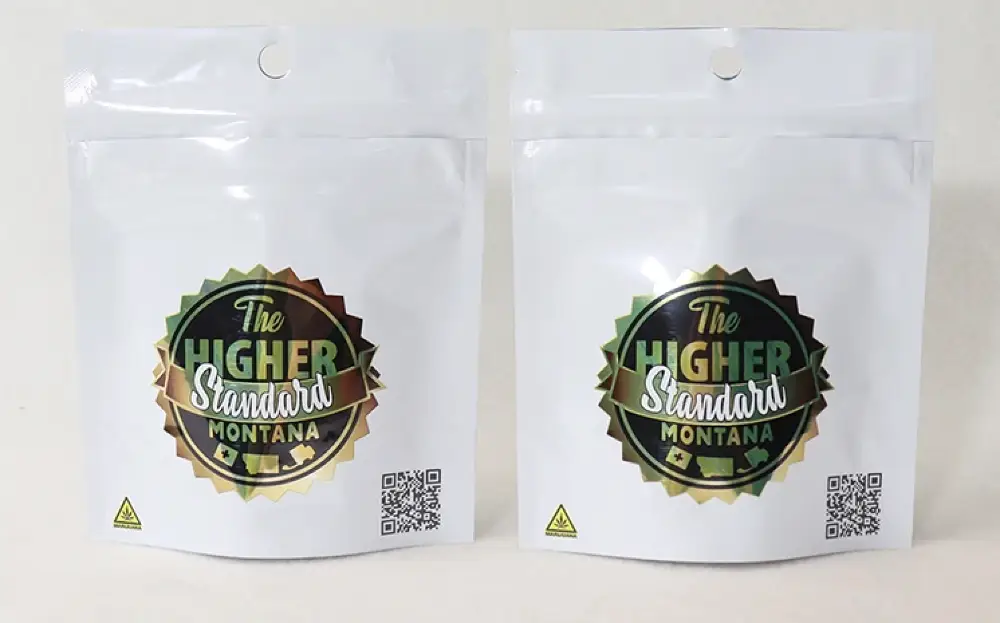
The Federal Standard Behind State Laws
Nearly every state points back to the same testing protocol, so let's decode it. Certification is done through a protocol called 16 CFR 1700.20, which uses real human panels — not machines — to test how easy a package is to open.
How the Certification Test Actually Works
- Child panel: Groups of children aged 42–51 months are given the package. To pass, at least 80% must fail to open it within 10 minutes.
- Adult panel: Adults aged 50–70 must be able to open and properly reseal the package within a set time.
- Sen
- Senior-friendly check: The test specifically confirms older adults can operate the closure, since a lock that's too tight defeats the purpose.
The takeaway? A closure that looks child-safe isn't enough. It has to carry documented certification, and that paperwork is what inspectors ask to see.
Why Mylar Bags Became the Go-To Choice
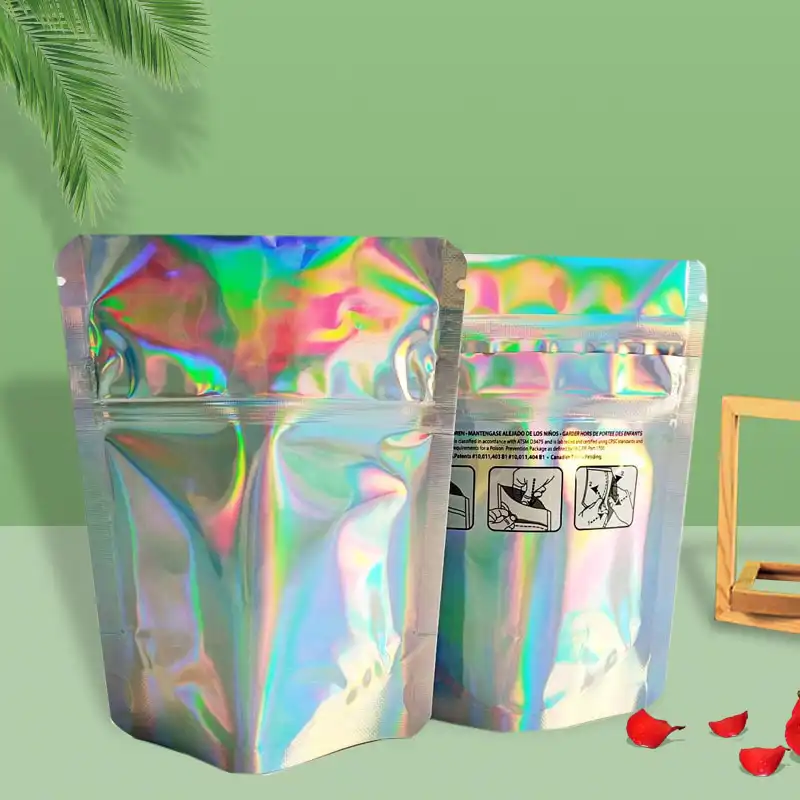
Walk into any licensed dispensary and you'll notice the same format everywhere: flexible foil-lined pouches. There's a good reason these dominate the shelf. They combine compliance, protection, and shelf appeal in one lightweight package.
The material itself — a multi-layer film often called mylar — does the heavy lifting. It's not just a bag; it's a barrier system engineered to keep your product stable from packaging line to purchase.
Moisture Protection That Keeps Product Fresh
Humidity is the enemy of anything you want to keep crisp and potent. A quality foil-lined pouch blocks water vapor from creeping in, holding the internal environment steady even when the outside air shifts.
As a manufacturer that has produced flexible packaging for 20+ years, we've seen how a poor moisture barrier quietly ruins product consistency long before a customer complains.
Light-Blocking to Preserve Potency
UV and visible light degrade sensitive compounds over time. An opaque metallic layer keeps light out completely, which matters far more than most new brands realize.
Clear windows look nice on a display, but they let light through. That's a trade-off worth thinking about carefully depending on what's inside.
Odor Containment That Works Both Ways
A tight foil barrier does double duty: it keeps outside smells from getting in and — just as important — keeps aromatic compounds sealed inside. For fragrance-sensitive products, this containment is often a compliance point in itself, not just a nicety.
The Child-Safe Closure Options You Can Choose From
Here's where design meets regulation. The locking mechanism is what earns your certification, and you have a few proven formats to pick from. Each one balances security, cost, and user experience differently.
| Closure Type | How It Works | Best For | Resealable? |
|---|---|---|---|
| Press-to-close zipper | Squeeze both sides while sliding to open | Flower, edibles, most dry goods | Yes |
| Slider with lock button | Press a button before the slider moves | Premium retail lines | Yes |
| Tear-notch + zipper combo | Tamper-evident tear, then child-safe zip | Brands needing tamper proof | Yes |
| Heat-seal + resealable zip | Sealed at factory, opened once, reseals after | Long shelf-life products | Yes |
Working with brands across North America, we've found that the most common mistake is choosing a closure based on looks alone, then discovering it never passed a certified panel test. Confirm certification first, then style it.
Design Freedom Within the Rules
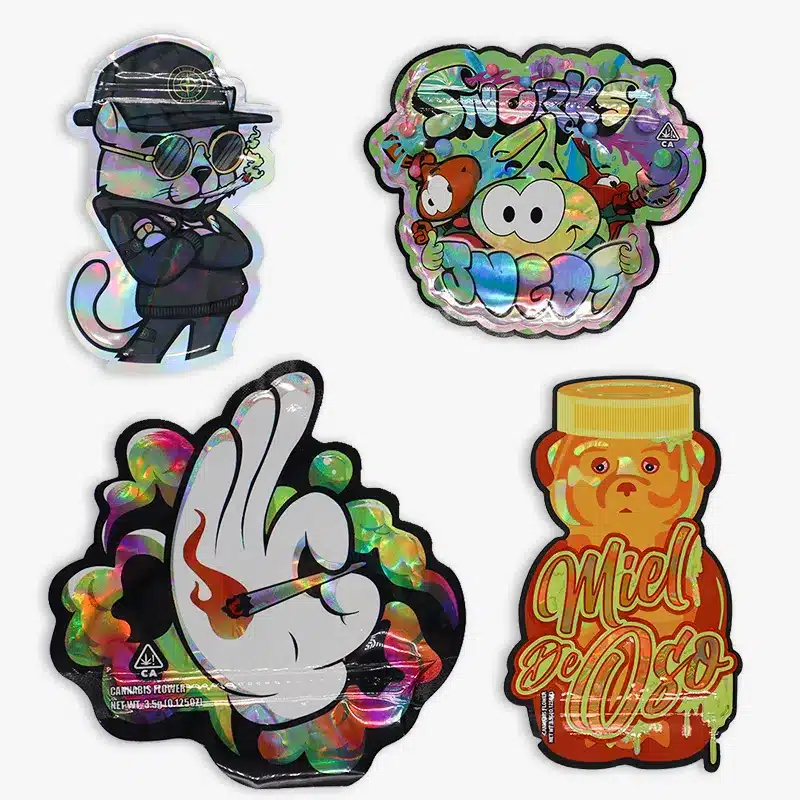
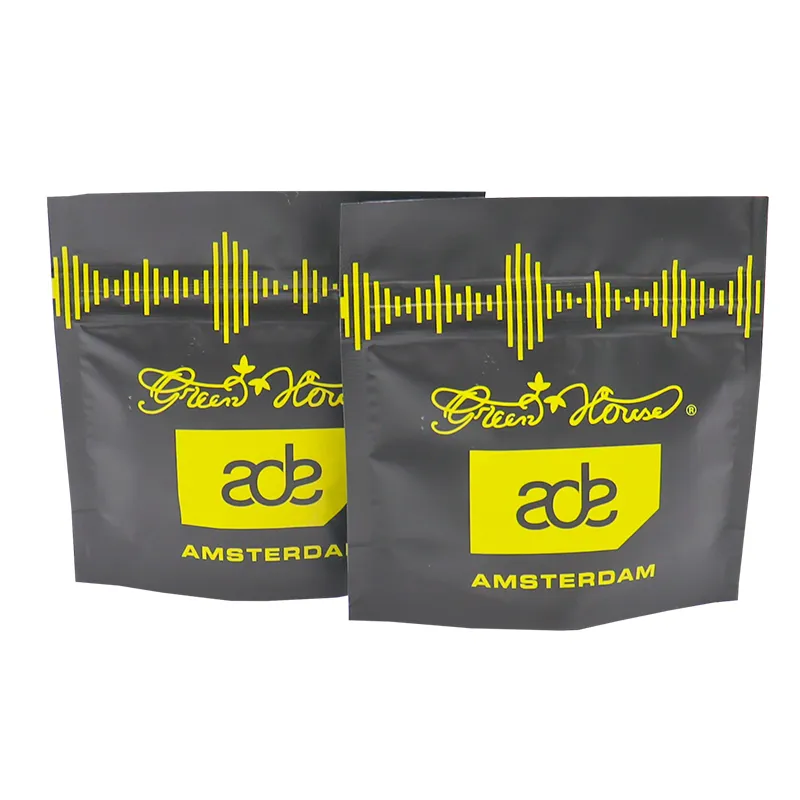
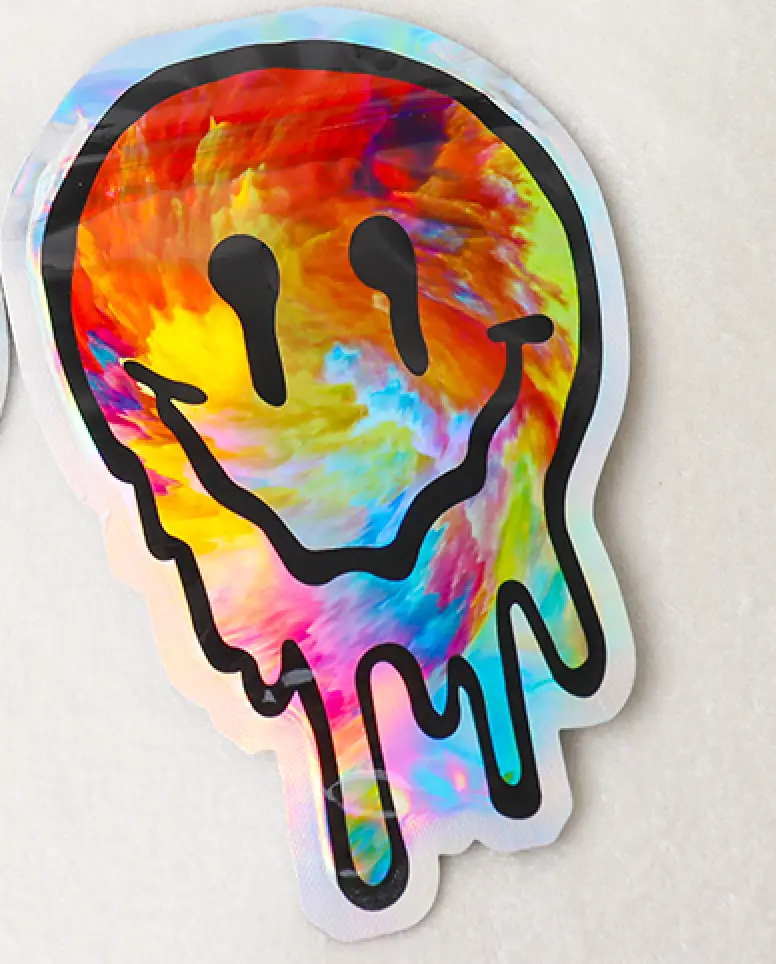
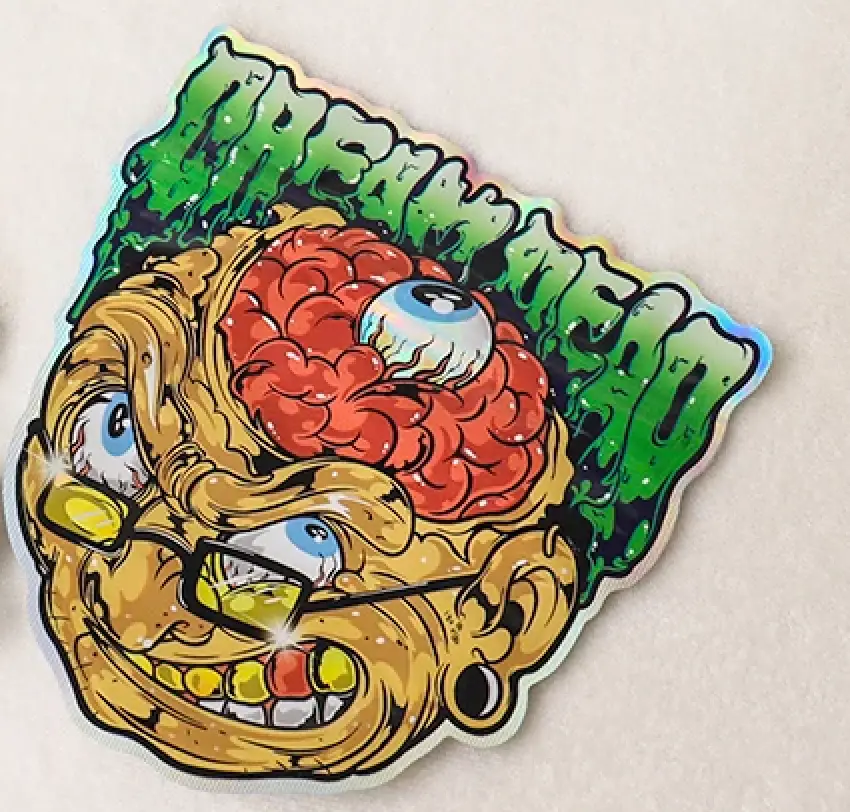
Compliance doesn't mean your packaging has to look generic. The certified closure and barrier film are fixed requirements — but almost everything a shopper sees is fully customizable.
You can specify size, shape, matte or gloss finish, spot UV accents, custom color print, and window placement. Our in-house design team often helps brands who only have a rough sketch turn it into a print-ready, compliant layout.
What You Can Customize
- Dimensions: From single-gram pouches to bulk ounce sizes.
- Finish: Matte soft-touch, high gloss, or holographic.
- Print: Full-color branding, batch codes, QR links, and required warning labels.
- Extras: Hang holes, gussets for standing, and tamper-evident seals.
One practical tip: build your required state warning symbols and label copy into the design from day one. Retrofitting them later is the slowest, most expensive fix we see.
A Compliance Checklist Before You Order
Before you sign off on any packaging run, run through this quick list. It catches the issues that most often cause rejected shipments and inspection headaches.
| Checkpoint | What to Confirm | Status |
|---|---|---|
| Certified closure | Documentation to 16 CFR 1700.20 exists | ✔ |
| Resealability | Package re-secures after each opening | ✔ |
| Opacity | Content not visible from outside (per state) | ✔ |
| Warning labels | State-specific symbols and text included | ✔ |
| Barrier film | Moisture and light protection verified | ✔ |
| Food-safe materials | Certified for edible contact where needed | ✔ |
That last row matters more than people expect. For anything edible, the film touching the product should meet food-contact safety standards — the same reasoning behind FDA and ISO 22000 certifications, which is why we recommend verified materials for edible lines.
How to Vet a Packaging Partner
Not every supplier can hand you certification paperwork on request. When you're comparing options, ask direct questions and expect documented answers.
- Can you provide test results proving the closure passed a certified child-resistance panel?
- Are your materials food-safe for edible products?
- Can I get a physical sample before committing to a full run?
- Can the design flex for different states' labelrequirements without a full retooling?
- What are your quality checks between print runs?
Founded in 2005, Jmeipacking produces these pouches to order and holds FDA and ISO 22000 certifications. We offer free samples so you can test the closure, feel the film, and confirm fit before placing a production run — a step we always encourage.
In our controlled cleanroom facility, print consistency and seal strength are checked run to run, because a locking mechanism that works on the first batch but drifts on the fifth is a compliance risk hiding in plain sight.
Putting It All Together
Selling compliant cannabis products comes down to a few non-negotiables: a certified child-safe closure, a resealable design, and a barrier film that blocks moisture and light. Get those right and the rest is branding.
The smartest brands treat packaging as part of the product, not an afterthought. Lock down certification first, then let your design team make it something a shopper wants to pick up.
If you'd like to review samples or talk through a custom layout for your state's rules, reach out at [email protected] and we'll help you map it out.
Frequently Asked Questions
Do all US states use the same packaging test?
Most reference the federal 16 CFR 1700.20 protocol, but details like opacity, label wording, and warning symbols vary by state. Always confirm with your local regulator before finalizing artwork.
Does a resealable zipper automatically count as child-resistant?
No. A zipper only qualifies if that specific closure design has passed a certified human-panel test. Ask your supplier for the documentation — appearance alone isn't proof.
Can I still have a see-through window on my pouch?
Sometimes, depending on state rules. Many jurisdictions require opaque packaging, so a window may not be allowed. Where it is, remember clear film lets in light that can degrade sensitive contents.
How do foil-lined pouches keep products fresh longer?
The metallic layer blocks moisture and light while the sealed closure limits air exchange. Together they slow the degradation that dries out or weakens product over time.
Can I get a sample before ordering a full batch?
Yes. We provide free samples so you can verify the closure, film quality, and print before committing. Testing a physical sample is the single best way to avoid a costly compliance mistake.
Bottom line: nail the certified closure and barrier film first, then make the design yours. Reach us at [email protected] for samples or layout help.
All packaging requirements outlined above are complete and ready for your review.