Short Answer: It Can Be Eco-Friendly, But Not Automatically
If you are asking “is kraft paper packaging eco friendly”, the honest answer is: yes, when the material, coating, printing, and disposal route are designed correctly. A brown paper look alone does not guarantee a lower footprint.
As a manufacturer that has produced packaging for 20+ years, YLTPACK has seen one common mistake again and again: brands choose the “natural paper” look first, then discover later that the pouch structure does not match their product shelf life, filling process, or sustainability claim.
Quick Reading Map: What This Article Helps You Decide
| Decision You Need to Make | What We Will Clarify | Where Factory Experience Matters |
|---|---|---|
| Material choice | Paper-only, coated paper, laminated paper, or mixed structures | 20+ years of pouch production experience helps identify hidden trade-offs |
| Food safety | Which structures suit direct food contact | FDA and ISO 22000 systems guide safer material recommendations |
| Shelf life | Barrier needs for oxygen, moisture, aroma, oil, and light | Clean production and controlled processes reduce contamination risk |
| Brand appearance | How to keep the natural kraft look without weak printing or poor sealing | In-house design support helps turn rough ideas into workable pouch files |
| End-of-life claim | Recyclable, biodegradable, compostable, or reusable claims | Material testing and supplier documentation reduce greenwashing risk |
What Makes Kraft Paper Pouches Feel Sustainable?
Kraft paper is usually made from wood pulp through the kraft pulping process. It is valued because it is strong, lightweight, printable, and often made from renewable fiber sources.
Compared with glossy plastic packaging, brown kraft paper communicates simplicity and a lower-waste lifestyle. That visual cue is powerful, especially for organic food, coffee, pet treats, skincare refills, and handmade products.
But sustainability is not just about appearance. A pouch must protect the product well enough to prevent returns, spoilage, leakage, odor loss, or contamination.
For example, a coffee bag needs oxygen barrier and aroma retention. If the pouch looks natural but allows roasted coffee to go stale quickly, the wasted product may create a bigger environmental burden than the packaging itself.
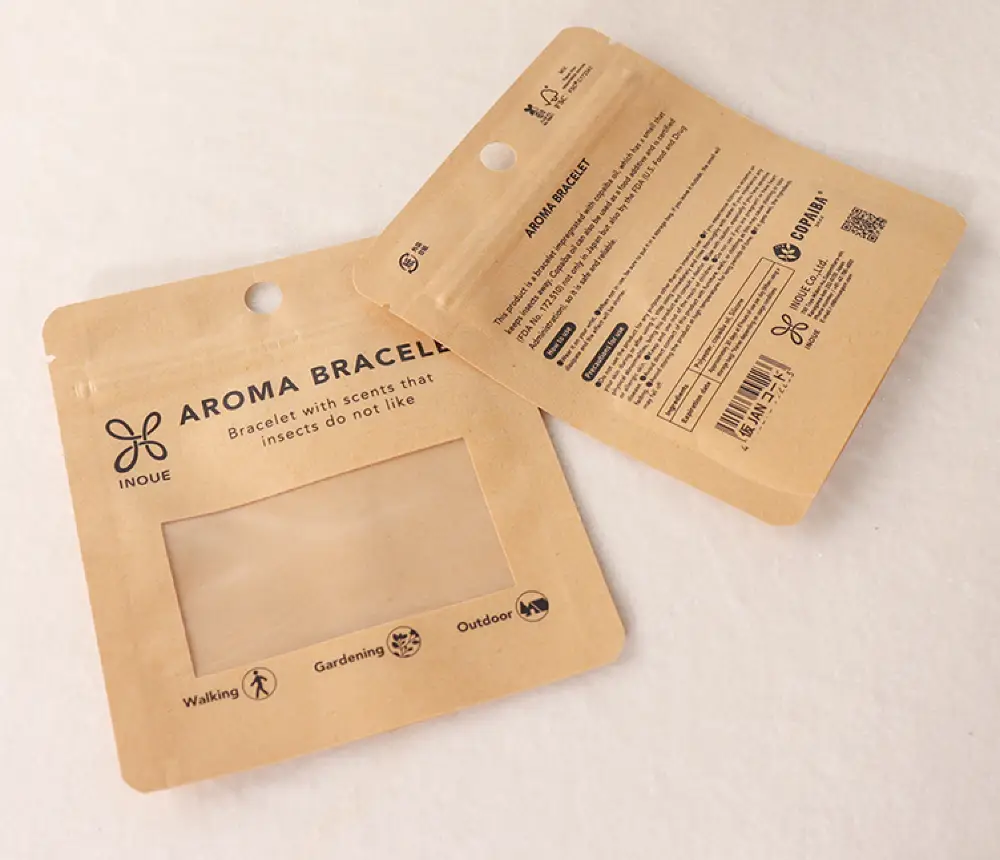
How Sustainable Is It Really?
The better question is how sustainable is kraft paper packaging for your exact product, supply chain, and disposal market. A dry tea pouch has very different needs from a greasy pet snack pouch or a powdered supplement pouch.
To judge it properly, look at five practical factors:
- Fiber source: Is the paper from responsibly managed forests or recycled content?
- Barrier layer: Is it paper-only, water-based coated, PE-coated, PLA-coated, or laminated with film or foil?
- Product protection: Does it prevent moisture, oxygen, oil, aroma loss, and puncture damage?
- Manufacturing quality: Are sealing, food safety, and contamination controls reliable?
- End-of-life reality: Can consumers recycle, compost, or dispose of it correctly in their region?
According to the U.S. EPA’s latest municipal solid waste data available as of July 13, 2026, paper and paperboard have a much higher recovery rate than most plastic packaging categories. However, flexible pouches with mixed layers remain harder to recycle because sorting systems often cannot separate paper, plastic, and foil once they are bonded together.
When Paper Pouches Are a Smart Environmental Choice
Kraft-based pouches make the most sense when the product is dry, lightweight, and not extremely sensitive to oxygen or moisture. Examples include tea, granola, dried herbs, craft powders, bath salts, stationery items, and some dry snacks.
They can also work well when a brand wants a refill format. Refill pouches often use less material than rigid jars, tubs, or bottles, which may reduce transport weight and storage space.
In our 6,800㎡ cleanroom facility, we often see brands move from rigid containers to flexible pouches to reduce shipping volume. The key is to test sealing strength, drop resistance, and barrier performance before scaling up.
Here is a simple way to think about it:
| Product Type | Key Packaging Risk | Suitable Kraft-Based Option | Watch-Out |
|---|---|---|---|
| Coffee | Oxygen and aroma loss | Kraft outer layer with high-barrier inner structure and valve | Paper-only is usually not enough for roasted coffee |
| Tea and dried herbs | Moisture and scent transfer | Kraft pouch with moderate barrier coating | Avoid strong ink odor near delicate aromas |
| Pet treats | Grease, odor, and resealing | Kraft laminated pouch with zipper | Pet owners care about ingredient transparency, so the label must stay readable |
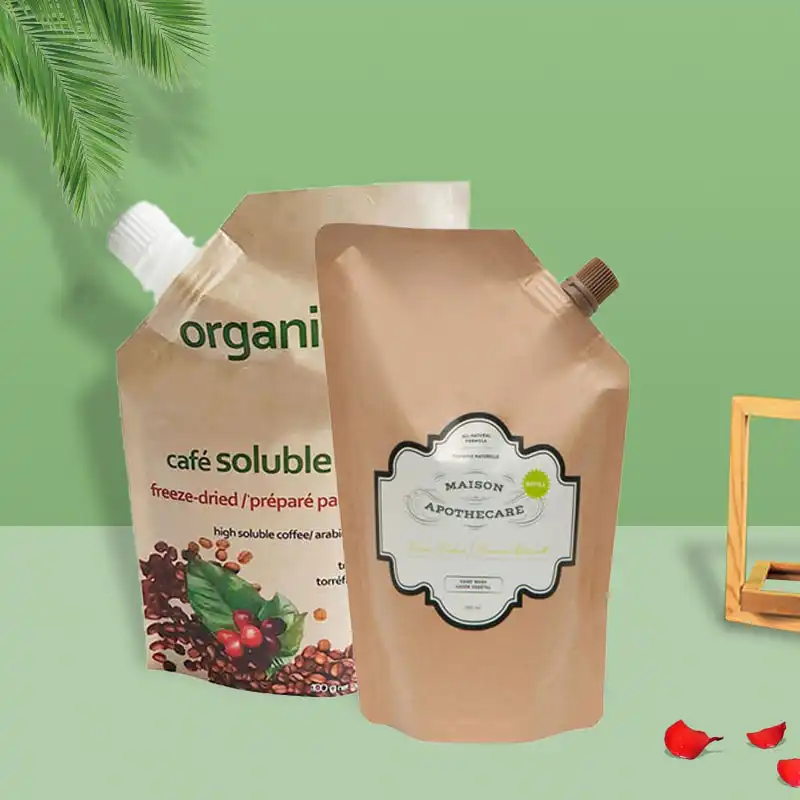
| Cosmetics refill | Leakage and visual appeal | Kraft-look pouch with inner liquid-safe layer | Instagram-style unboxing still matters for beauty buyers |
| Rice or grains | Weight, stacking, puncture | Reinforced kraft pouch or woven-paper hybrid | Test load-bearing during warehouse stacking and transport |
When Kraft Paper Pouches Are Not So Green
Here is the uncomfortable truth: some kraft-look pouches are mostly plastic or foil inside. The paper outer layer may only be there for appearance.
That does not always mean the pouch is bad. If it protects high-value food from spoilage, a laminated structure may still be justified. But it should not be marketed as simple paper packaging if it cannot be recycled as paper.
Common cases where the eco claim becomes weak include:
- Kraft paper bonded to aluminum foil, PET, PE, or multiple films without clear disposal instructions
- Heavy ink coverage that makes the pouch look natural but reduces recyclability
- Plastic zippers, valves, or windows that prevent paper-stream recycling
- Compostable claims without third-party certification or local composting access
- Oversized pouches that use more material than needed for the fill weight
Working with brands across North America and Europe, we have found that the most common issue is not choosing paper. It is choosing the wrong barrier layer for the product and then making a claim the disposal system cannot support.
Biodegradable, Recyclable, Compostable: These Are Not the Same
Many buyers use these words as if they mean the same thing. They do not, and confusing them can create packaging claims that sound good but fail under scrutiny.
If someone asks, “is kraft paper packaging biodegradable,” the answer depends on whether the pouch is uncoated paper or a multi-layer structure. Plain kraft paper can biodegrade under suitable conditions, but laminated or plastic-coated pouches may not break down in the same way.
| Claim | What It Means | What to Verify Before Printing It |
|---|---|---|
| Recyclable | The package can be collected, sorted, and reprocessed in a real recycling stream | Local acceptance, coating type, ink coverage, zipper, valve, and label materials |
| Biodegradable | The material can break down through biological processes | Time frame, environment, coating, adhesive, and whether residue remains |
| Compostable | The material breaks down under composting conditions and meets a defined standard | Industrial or home compostability certification and local compost access |
| Renewable | The raw material comes from a renewable source such as wood fiber | Forest certification, recycled content, and responsible sourcing documents |
Because we hold FDA/ISO 22000 certifications, we recommend separating food-safety claims from environmental claims. A pouch can be food-safe without being recyclable, and recyclable packaging still needs to meet food-contact requirements if it touches edible products.
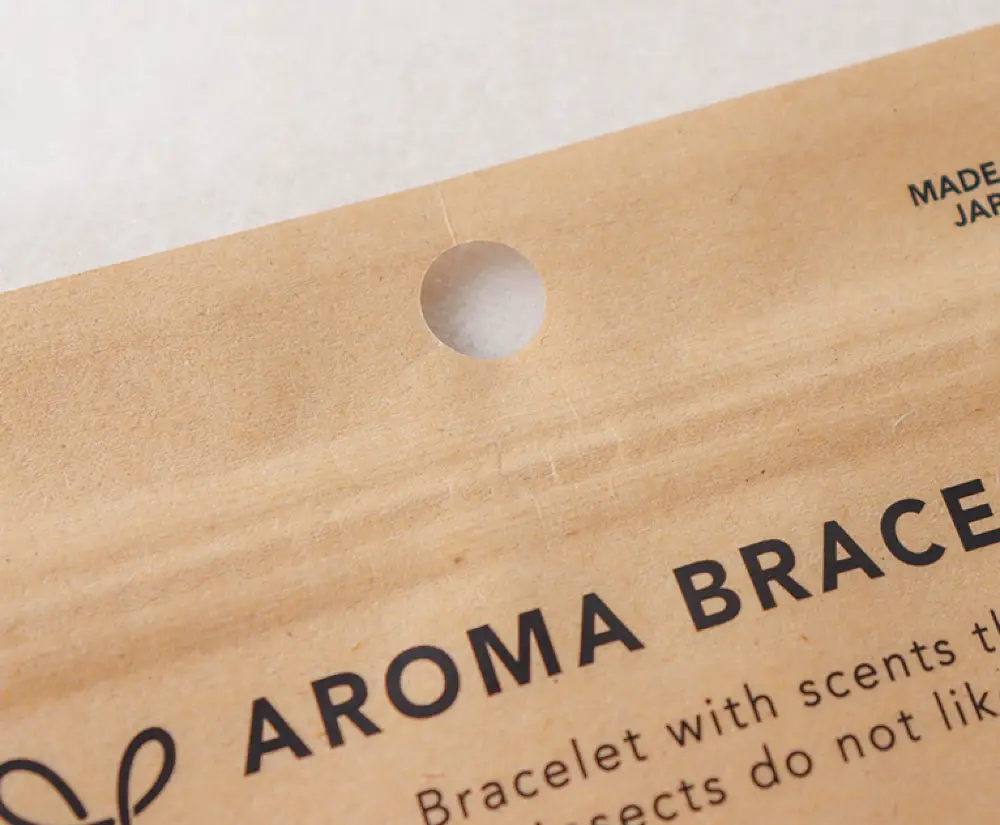
Kraft Paper Packaging vs Plastic Environmental Impact: The Fair Comparison
Kraft paper packaging vs plastic environmental impact is not a simple “paper good, plastic bad” debate. Both materials have strengths, and both can be wasteful when used poorly.
Paper usually performs well in renewable sourcing, consumer perception, and paper-stream recovery where the structure is simple. Plastic often performs well in lightweighting, moisture barrier, puncture resistance, and high-speed filling compatibility.
The real comparison should include the whole journey: raw material, manufacturing energy, transport weight, shelf life, product waste, recycling access, and consumer behavior.
| Factor | Kraft-Based Pouch | Plastic Flexible Pouch | Practical Takeaway |
|---|---|---|---|
| Renewable raw material | Often high if made from responsibly sourced fiber | Usually fossil-based unless bio-based resin is used | Paper has an advantage in feedstock perception |
| Moisture barrier | Weak unless coated or laminated | Usually strong depending on film type | Wet or oily products need careful structure design |
| Recycling pathway | Better when paper-only or compatible coating is used | Limited for many mixed flexible films | Mono-material choices improve both options |
| Transport efficiency | Light, but may need thicker material | Very light and compact | Compare actual pouch weight, not only material name |
| Consumer trust | Often feels natural and low-waste | May be viewed negatively even when efficient | Clear labeling matters |
| Product protection | Excellent when paired with the right barrier | Excellent for many moisture-sensitive goods | Product waste can outweigh packaging savings |
How to Choose the Right Structure for Your Product
Start with the product, not the pouch photo. Your packaging should be designed around what the product fears most: oxygen, moisture, light, oil, odor transfer, puncture, crushing, or heat sealing failure.
For coffee, oxygen barrier and degassing valve performance matter because aroma is part of the product value. For pet food, resealability and ingredient visibility build trust with pet owners who read labels carefully.
For beauty and skincare, the pouch has to survive shipping while still looking good in unboxing content. For rice, grains, or heavier dry goods, weight-bearing strength and pallet stacking performance matter more than a soft-touch finish.
Our in-house design team often helps brands who only have a rough idea convert it into dielines, printable artwork, window placement, zipper position, and realistic material options. This is especially useful when a brand wants a natural look but still needs a strict shelf-life target.
Checklist Before You Order Custom Kraft Paper Pouches
Before you approve a bulk order, use this checklist. It can save weeks of redesign, relabeling, and testing.
- Product form: Is it powder, granule, liquid, oil-rich, dry snack, or whole bean?
- Target shelf life: How many months must the product stay fresh under normal storage?
- Barrier need: Do you need oxygen, moisture, grease, aroma, or light protection?
- Filling method: Will the pouch be filled manually, semi-automatically, or on a packing line?
- Seal type: Do you need heat seal, zipper, tin tie, valve, tear notch, or hang hole?
- Market destination: Where will consumers dispose of it, and what recycling systems exist there?
- Claim proof: Can your supplier provide material data, food-contact documents, or certification support?
- Artwork coverage: Will heavy ink reduce the natural paper feel or affect recyclability?
- Transport test: Can the pouch survive compression, drops, and warehouse stacking?
If you are looking for eco friendly kraft paper packaging for small business growth, do not overcomplicate the first run. Choose a structure that protects the product reliably, then improve recyclability and material reduction as order volume and customer feedback grow.
What Certifications and Documents Should You Ask For?
Claims are only useful when they can be supported. If a pouch will touch food, supplements, pet treats, or cosmetic refills, ask for relevant food-contact and quality documents before approving production.
For sustainability claims, ask what the certification actually covers. Some certificates apply to raw paper, some to recycled content, some to compostability, and some to the factory management system.
| Document or Certification | Why It Matters | What to Ask Your Supplier |
|---|---|---|
| FDA food-contact support | Relevant for food and supplement packaging sold into the U.S. market | Which pouch layers are intended for direct contact? |
| ISO 9001 | Shows quality management processes are in place | How are material batches and production issues tracked? |
| ISO 22000 | Supports food safety management | How is contamination risk controlled during production? |
| GRS | Relevant when recycled content is part of the claim | Which material contains recycled content, and at what verified level? |
| Compostability certificate | Needed for compostable claims | Is it industrial compostable, home compostable, or only for a component? |
YLTPACK works with FDA, ISO 9001, ISO 22000, and GRS systems, but the right document depends on the pouch structure and intended market. The practical step is to match the claim on your packaging to evidence your customers, retailers, and regulators can understand.
Design Tips That Keep the Natural Look Without Hurting Performance
A kraft pouch should feel warm, honest, and practical. But beautiful packaging still has to seal cleanly, stand upright, protect the product, and communicate clearly on the shelf.
Here are design choices that usually work well:
- Use matte or low-coverage printing to preserve the paper texture
- Keep sustainability claims specific, such as “paper outer layer” or “recycle where accepted”
- Place windows carefully because plastic windows may affect recycling claims
- Use clear icons for resealing, storage, and disposal instructions
- For coffee, leave enough space for the valve and roast date label
- For pet food, highlight ingredients, feeding guidance, and reseal instructions
- For cosmetics, consider how the pouch appears in photos, refill stations, and mailer boxes
A natural-looking pouch should not feel unfinished. The goal is to make customers think, “This brand cares about the product and the planet,” not “This package may fail in my pantry.”
Red Flags That May Signal Greenwashing
Greenwashing often begins with vague words. If a pouch says “earth-friendly” but does not explain the material, coating, or disposal method, the claim is weak.
Watch for these warning signs:
- “100% eco” with no certification or material explanation
- “Biodegradable” printed on a foil-lined pouch without test data
- “Recyclable” on a multi-layer pouch that local systems do not accept
- Photos of leaves and forests replacing actual disposal instructions
- No answer when you ask whether the zipper, valve, or window affects recycling
Good packaging claims are boring in the right way: specific, limited, and verifiable. That may sound less flashy, but it builds more trust with retailers and repeat customers.
So, What Should Your Brand Choose?
If your product is dry and not extremely sensitive, a simple kraft structure or paper-compatible coating may be enough. If your product is oily, aromatic, oxygen-sensitive, or heavy, you may need a reinforced or laminated structure.
The more protection your product needs, the more carefully you should phrase the environmental claim. A pouch can still be a responsible choice if it reduces breakage, spoilage, and transport waste, but customers deserve clear information.
For custom projects, YLTPACK usually starts by reviewing product type, fill weight, shelf-life target, destination market, artwork, and disposal claim. If you want to compare several pouch structures before production, you can share your requirements through WhatsApp at +86 182 1944 5665 or email [email protected].
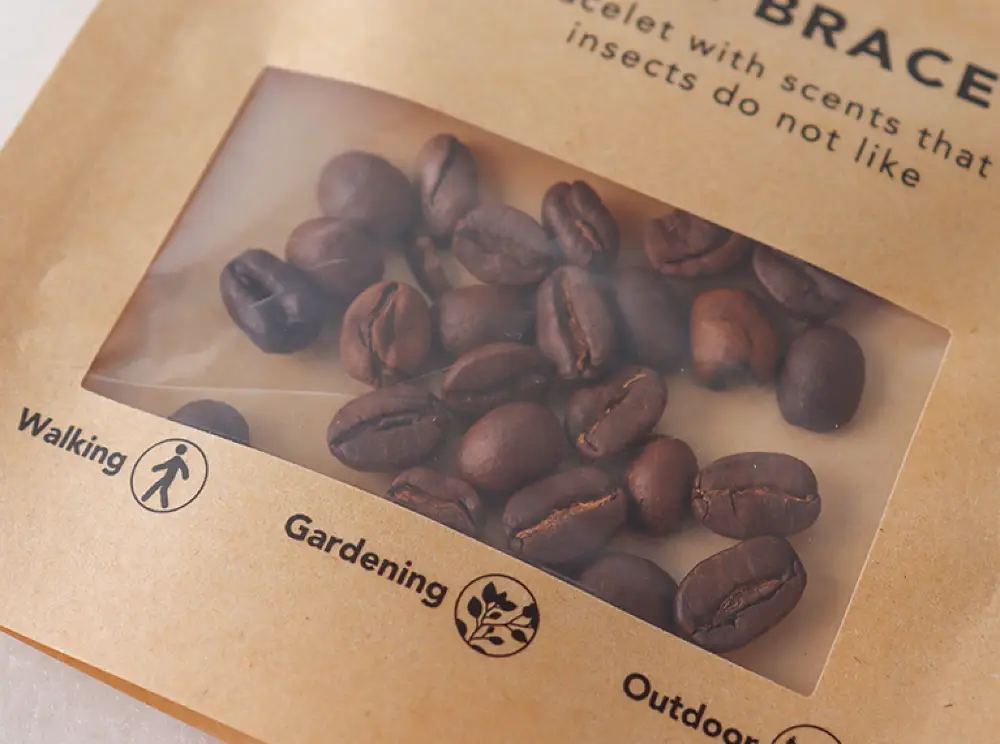
Conclusion: The Truth About Kraft Paper Pouches
Kraft paper pouches can be a smart packaging choice, but the “brown paper” appearance is only one part of the story. The real sustainability depends on material sourcing, barrier design, product protection, honest labeling, and end-of-life options.
For brands ordering custom packaging in volume, the safest path is not to chase the most dramatic claim. It is to choose a pouch that protects the product, supports your brand values, and gives customers disposal guidance they can actually follow.
In short: paper-based packaging can be genuinely responsible when it is designed with evidence, not assumptions. That is where material testing, food-safety controls, and clear communication make all the difference.
FAQ
1. Are kraft paper pouches recyclable?
Some are recyclable, but not all. Plain paper pouches or paper-compatible coated pouches have a better chance of entering paper recycling streams, while laminated pouches with plastic, foil, valves, or windows may not be accepted.
Always check the full pouch structure and the recycling rules in your target market before printing a recyclability claim.
2. Can kraft paper pouches be used for food packaging?
Yes, they can be used for food when the inner contact layer is suitable for the product and supported by proper food-contact documentation. Dry foods, coffee, tea, snacks, grains, pet treats, and supplements are common applications.
For oily, moist, or aroma-sensitive products, a barrier layer is often needed to maintain freshness and prevent leakage.
3. Is a compostable pouch always better than a recyclable pouch?
Not always. Compostable packaging only works as intended when the material is certified and the customer has access to the right composting system.
If local composting is unavailable, a recyclable or material-reduced structure may be more practical. The better option depends on your product, market, and disposal infrastructure.
4. What is the most common mistake when choosing kraft paper packaging?
The most common mistake is choosing the look before confirming performance. A pouch may look natural but still fail on moisture barrier, oxygen protection, sealing strength, or shelf-life requirements.
Start with product protection first, then adjust the material and design to support your environmental goals.
5. What information should I prepare before requesting a custom pouch recommendation?
Prepare your product type, fill weight, pouch size, shelf-life target, filling method, destination market, artwork idea, and any sustainability claim you want to make. If you already have a sample pouch, photos and structure details are also helpful.
With that information, YLTPACK can compare practical material options and help you avoid claims that the final pouch cannot support.