Choosing the wrong pouch can quietly raise shipping costs, weaken shelf impact, and reduce repeat purchases. For many food and consumer brands, the real question is not just packaging design—it is which pouch format supports sales, protection, and profit at the same time.
In today’s market, stand-up pouch packaging and flat pouch packaging are two of the most widely used flexible packaging pouch types. Industry buyers often compare them based on display performance, material usage, consumer convenience, and total delivered cost.
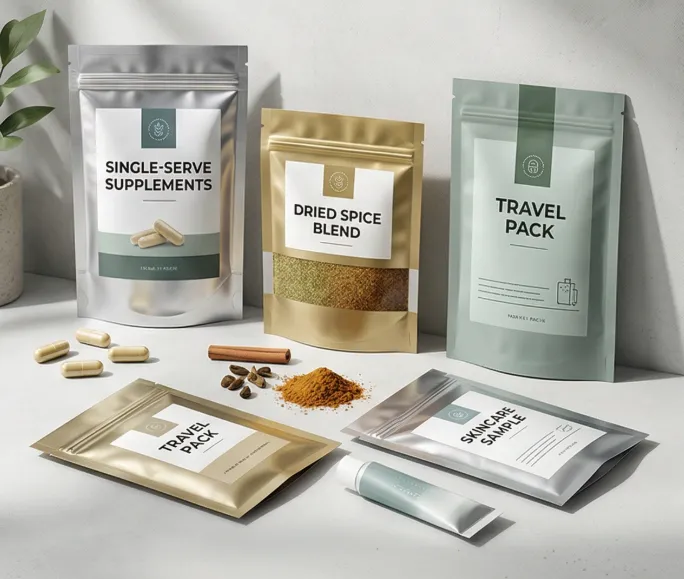
The Core Problem: Choosing Between Stand-up Pouch Packaging and Flat Pouch Packaging
Most brands want four things at once: strong shelf display, reliable barrier protection, efficient storage, and a reasonable budget. In practice, one pouch style rarely optimizes every factor equally.
This is why the stand-up vs flat pouch comparison matters. A premium retail snack may benefit from a self-standing pouch, while a single-serve sauce or sample pack may perform better in a flat format.
Stand-up vs Flat Pouch Comparison at a Glance
| Factor | Stand-up Pouch Packaging | Flat Pouch Packaging |
|---|---|---|
| Shelf Display | Strong, self-standing | Limited, usually hangs or lies flat |
| Material Use | Usually more | Usually less |
| Shipping Efficiency | Good, but bulkier | Better for compact packing |
| Consumer Convenience | Often includes zipper/spout options | Simpler opening style |
| Best For | Premium retail products | Single-serve or sample packs |
What Is Stand-up Pouch Packaging?
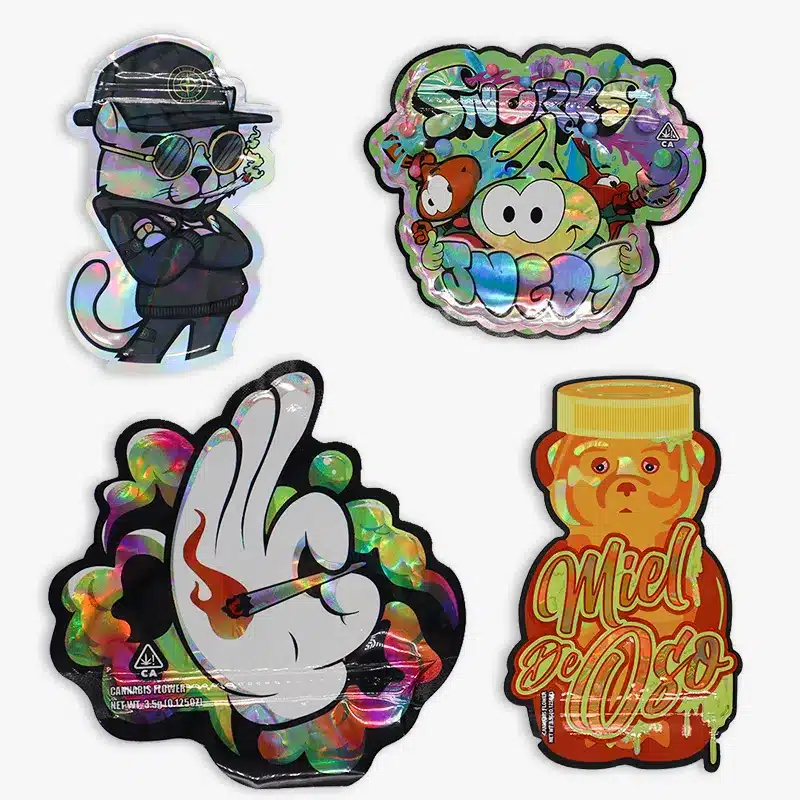
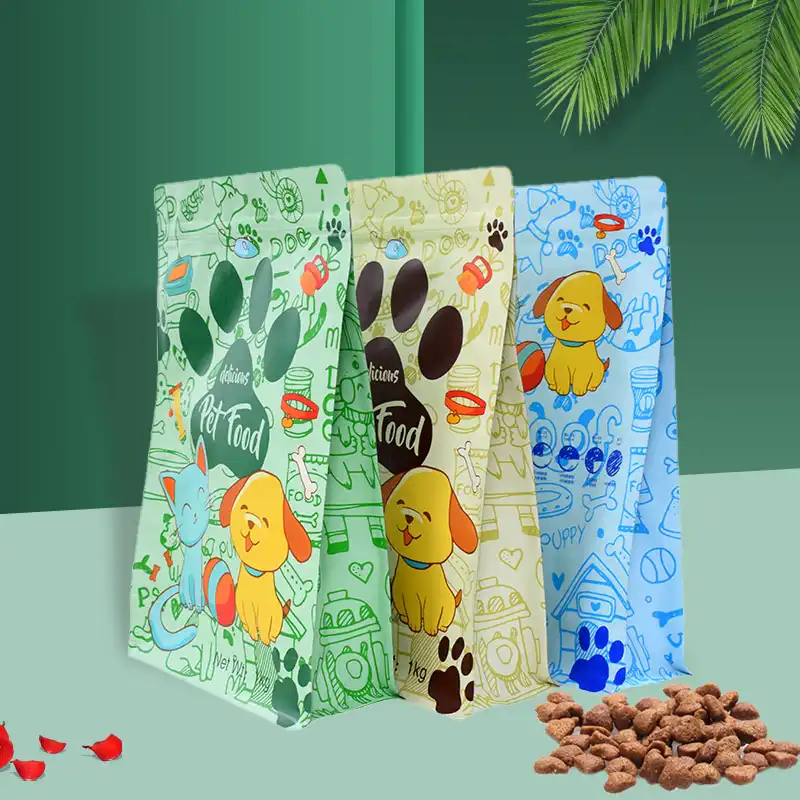
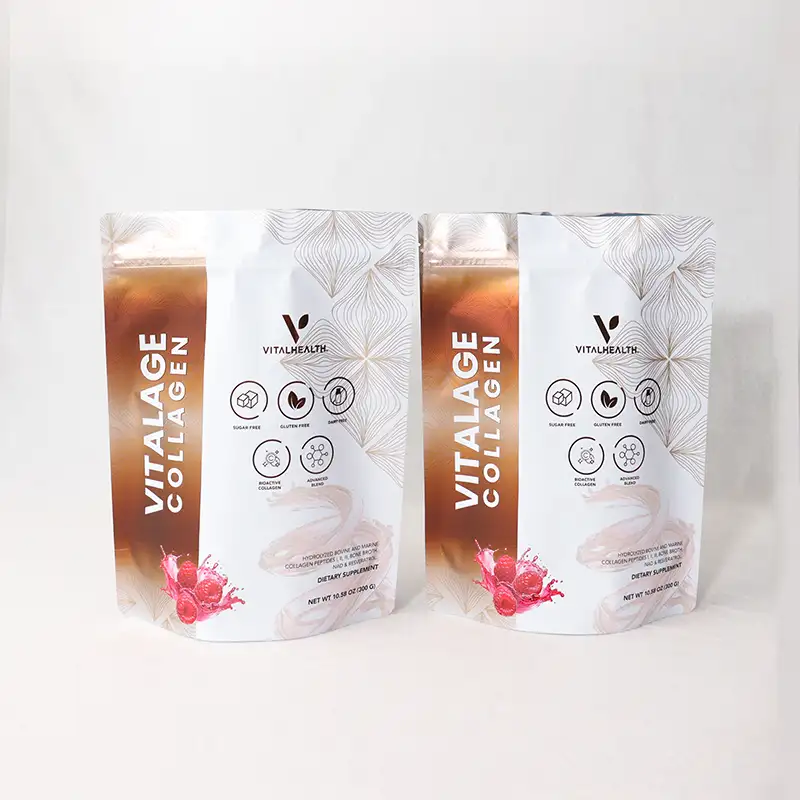
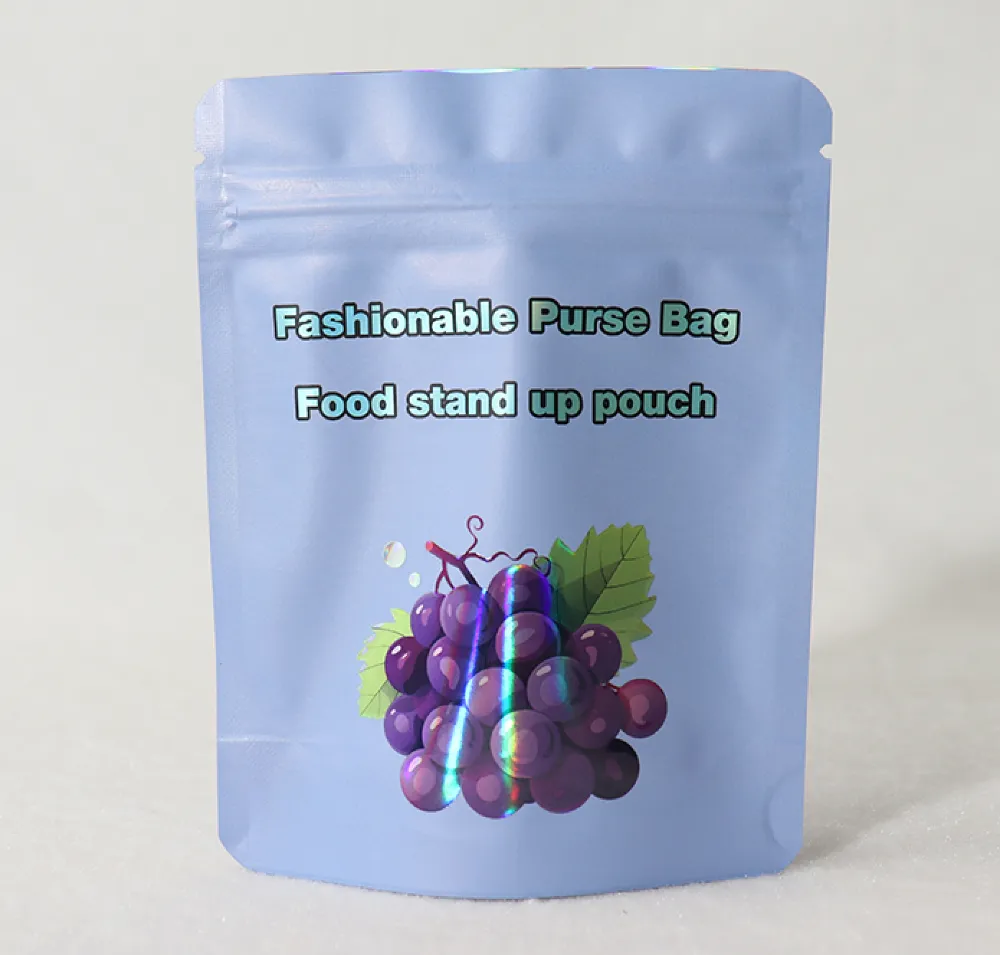
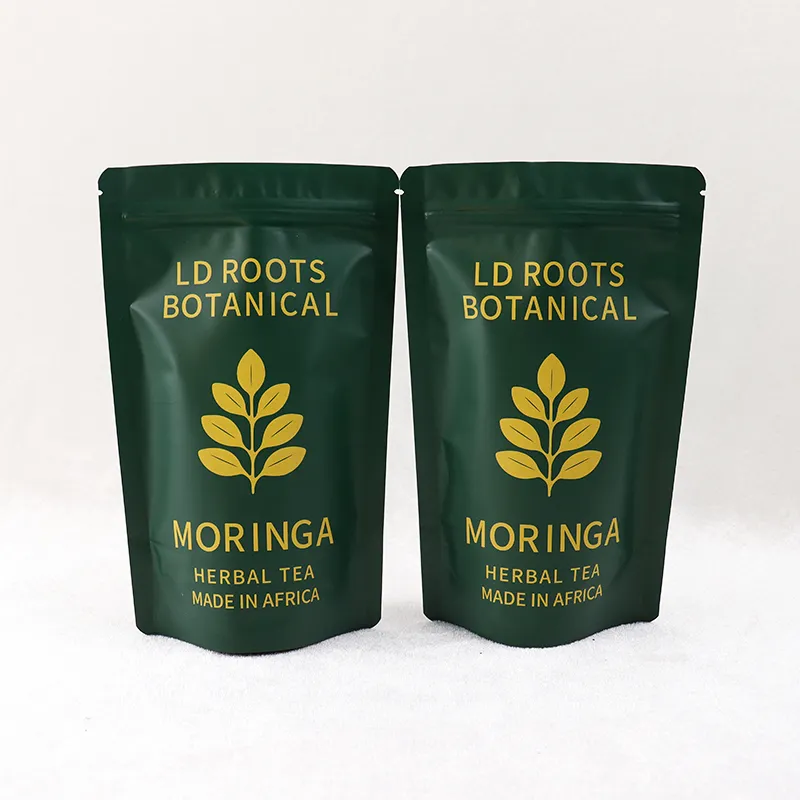
Stand-up pouch packaging is a flexible pouch with a bottom gusset that allows it to stand upright on shelves. This structure gives brands more visible front-facing space for graphics, claims, and branding.
It is widely used for coffee, pet food, snacks, supplements, and health products. In retail environments, self-standing packs often improve visual presence and make products easier to merchandise.
What Is Flat Pouch Packaging?
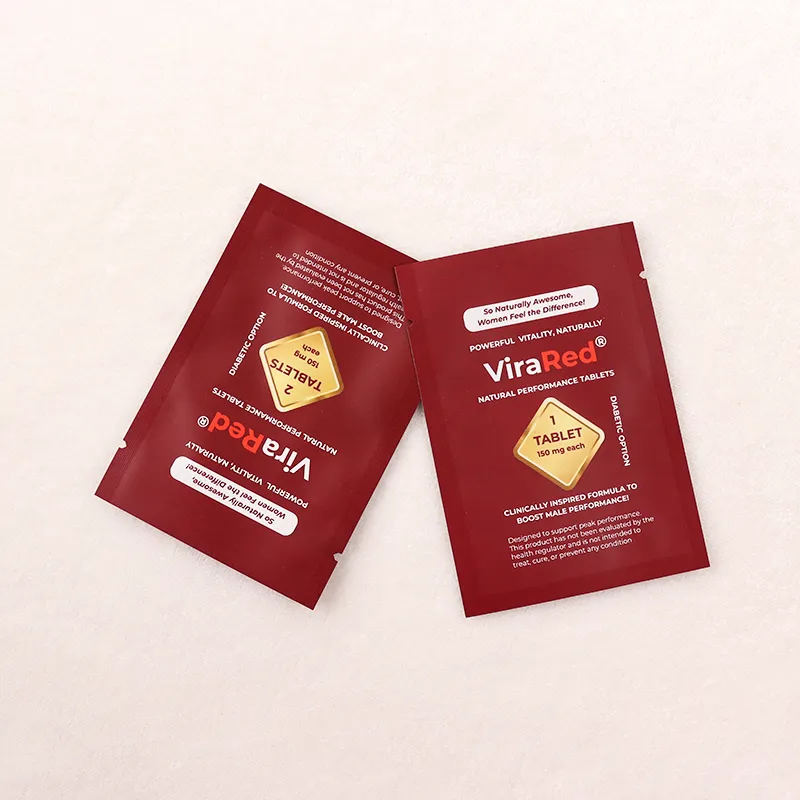
Flat pouch packaging is a compact flexible pack that does not stand on its own. It is commonly used for powders, sauces, sample packs, sachets, and small food portions.
Because the structure is simpler, flat pouches usually use less material and store efficiently. That makes them practical for high-volume, cost-sensitive applications.
Key Differences Between Stand-up and Flat Pouches
Shelf Presence and Branding
Stand-up pouches usually deliver stronger visual impact in stores. They present better on shelves and often support a more premium brand image.
Flat pouches work well when display is secondary, such as in boxed multipacks, foodservice, or promotional sampling.
Storage and Shipping Costs
Flat pouches often reduce warehousing and freight costs because they take up less space. For brands shipping large quantities of light products, this can create meaningful savings.
Stand-up pouches are still efficient, but their gusseted shape typically adds some bulk. That tradeoff may be worth it when shelf appeal drives conversion.
Cost and Order Volume
Flat pouch packaging is often more budget-friendly for simple, high-volume runs. Less material and a simpler structure generally support lower unit costs.
Stand-up pouches may cost more, especially when adding zippers, valves, or spouts. However, for premium retail positioning, the added value can outweigh the higher packaging spend.
Best Pouch Packaging for Food Products
The best pouch packaging for food products depends on product format, portion size, shelf strategy, and whether resealability matters. Real-world buying patterns show that convenience and display often influence food packaging selection as much as barrier performance.
| Food Product Type | Recommended Pouch Type | Why |
|---|---|---|
| Coffee Beans | Stand-up Pouch | Better shelf display and valve options |
| Jerky | Stand-up Pouch | Resealability improves convenience |
| Spice Sachets | Flat Pouch | Compact and cost-effective |
| Sauce Packs | Flat Pouch | Ideal for single-use portions |
| Granola | Stand-up Pouch | Strong branding and shelf stability |
How to Choose the Right Flexible Packaging Pouch Type
A simple decision framework works best:
- Product weight: Heavier or retail-facing products often suit stand-up formats better.
- Shelf strategy: If in-store visibility matters, choose stand-up pouch packaging.
- Closure needs: For repeat use, zipper or spout features may be important.
- Total packaging budget: If cost efficiency is the priority, flat pouch packaging may be the better fit.
At YLTPACK, we help brands customize pouch solutions based on actual product and channel needs. Founded in 2005, YLTPACK offers custom packaging, free samples, and manufacturing backed by ISO 22000 and FDA standards, which supports trust for food packaging buyers.
FAQ
Which is cheaper, a stand-up pouch or a flat pouch?
Flat pouches are usually cheaper because they use less material and have a simpler structure. They are often the first choice for sachets, samples, and high-volume packaging runs.
Are stand-up pouches better for food products?
They are often better for retail food products that need shelf presence, resealability, or premium branding. Products like coffee, jerky, and granola commonly benefit from this format.
When should I choose flat pouch packaging?
Choose flat pouch packaging for samples, sachets, single-serve items, or cost-sensitive packaging runs. It is especially useful when compact storage and lower freight cost are priorities.
Which pouch type is better for shipping efficiency?
Flat pouches are generally more efficient for storage and transport because they are thinner and more compact. This can help reduce warehouse footprint and improve case packing efficiency.
Need expert help choosing the right pouch? Contact YLTPACK for custom solutions tailored to your product, market, and budget. You can request free samples and speak with a packaging team experienced in food-grade flexible packaging. Email: [email protected].