Child-Resistant Bags vs Regular Bags: The Quick Answer
Here's the short version. A regular pouch simply holds your product, while a child-resistant version adds a certified locking mechanism that a small child can't easily open but an adult can. If your product could be harmful when swallowed by a curious toddler, you need the protective kind. If it's harmless, standard packaging is usually fine.
That's the core of the child resistant bag vs regular bag question. But the decision has more layers than a simple yes or no, especially when you're ordering thousands of units and your brand reputation is on the line. Let's dig in.
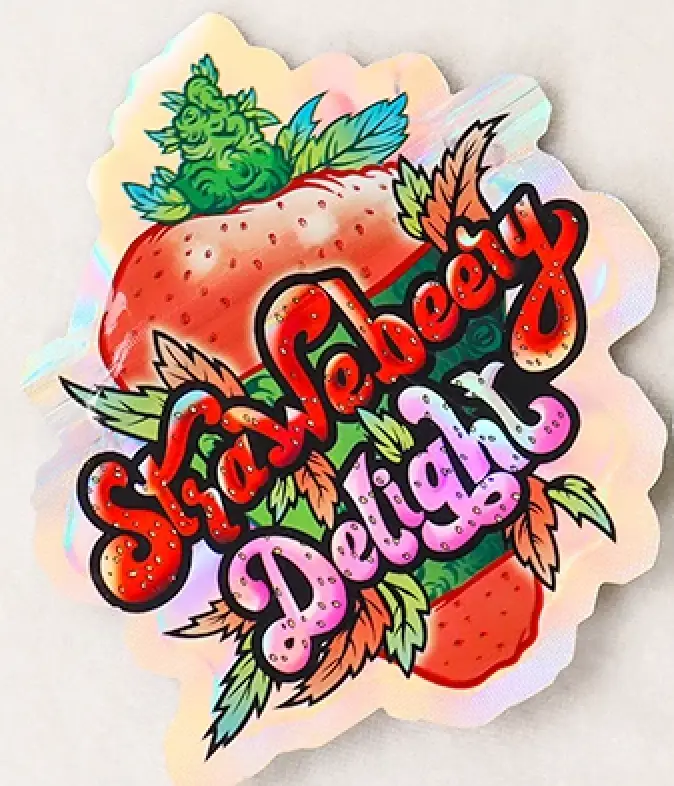
What Actually Makes a Bag "Child-Resistant"?
A lot of buyers assume any zipper counts. It doesn't. True child-resistant packaging must pass protocol testing where a panel of children (typically ages 42–51 months) are given the package and timed on whether they can open it.
The design also has to prove that most adults, including seniors, can still access the contents. That balance is the whole point. It's not about making a bag impossible to open, it's about slowing down little hands.
Common closure types you'll see
- Press-and-slide zippers: Require two simultaneous actions, one hand can't do it accidentally.
- Push-and-pull tear notches: Combine grip strength with coordination.
- Slider locks with dual pinch points: Popular on stand-up pouches for repeat use.
Regular pouches skip all of this. They use a single-motion zip or heat seal built purely for convenience and freshness, not for keeping anyone out.
The Material Difference: Why Mylar Changes Everything
Here's where a lot of first-time buyers get surprised. The closure is only half the story. The film itself does an enormous amount of work, and this is where mylar-style multilayer construction pulls ahead.
Mylar is a metallized polyester film, usually laminated with several layers. When people picture a plain plastic sandwich bag, they're picturing a single-layer film with almost no barrier properties. The two aren't in the same league.
What multilayer film protects against
- Moisture: A quality laminate keeps humidity out, so products don't clump, degrade, or spoil.
- Light: The metallized layer blocks UV and visible light that break down sensitive compounds.
- Oxygen: A strong oxygen barrier slows oxidation, protecting potency, aroma, and shelf life.
- Odor: Foil layers trap smells inside, which matters a lot for aromatic goods.
Since 2005 we've produced packaging at Jmeipacking, and one thing we tell every brand is this: the barrier spec is what actually keeps your customer happy at the moment they open the pouch weeks after purchase.
Barrier comparison at a glance
| Property | Standard Single-Layer Bag | Multilayer Mylar Pouch |
|---|---|---|
| Oxygen Transmission Rate (cc/m²/day) | 2,000–8,000 | Less than 1.0 |
| Moisture Vapor Transmission (g/m²/day) | 10–20 | Under 0.1 |
| Light Blocking | Minimal | Up to 100% with foil layer |
| Odor Containment | Poor | Excellent |
| Typical Shelf Life Extension | Baseline | 2–5x longer |
Those oxygen and moisture numbers reflect general industry ranges observed across common film types as of 2025. Your exact values depend on the laminate structure you choose.
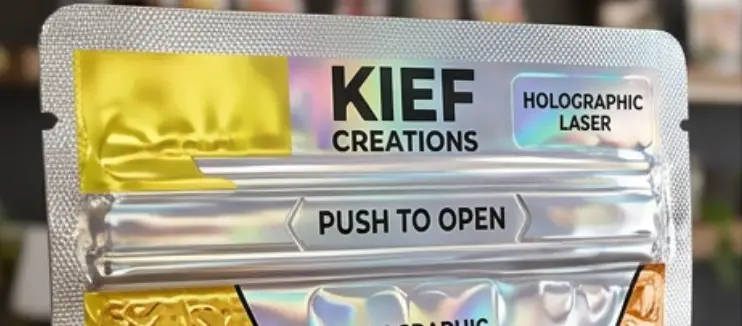
When Do You Actually Need the Protective Version?
Not every product requires a locking closure. Over-specifying wastes money, under-specifying creates real risk. Here's a practical way to decide.
You likely need child-resistant packaging if:
- Your product is regulated and requires certified closures by law.
- Accidental ingestion could harm a child.
- You sell in states or regions with strict compliance rules.
- Retailers or dispensaries require proof of testing before stocking you.
A regular pouch is usually enough if:
- You're packaging snacks, coffee, pet treats, or dry goods.
- There's no ingestion risk to children.
- Freshness and branding matter more than access control.
Working with brands across North America, we've found the most common mistake is ordering standard packaging first, then discovering a compliance requirement after the print run is done. That's an expensive reorder.
Cost, Lead Time, and What Changes When You Add Safety Features
Let's talk trade-offs honestly, without throwing numbers at you that won't match your custom spec. Adding a certified closure affects three things.
| Factor | Regular Pouch | Child-Resistant Pouch |
|---|---|---|
| Closure Complexity | Simple zip or seal | Certified mechanism, tested |
| Tooling / Setup | Standard | May require specific components |
| Compliance Documentation | Not required | Test reports and certification |
| Relative Production Time | Shorter | Slightly longer |
| Reusability | Varies | Designed for repeat sealing |
The protective option costs more per unit because of the certified components and testing behind it. But for regulated products, it's not optional, it's the price of being allowed on the shelf.
Design Freedom: You Don't Have to Sacrifice Looks
A big myth is that safety packaging has to look industrial or boring. It doesn't. The film structure sits underneath your artwork, so you have full control over the outside.
You can specify matte or gloss finishes, custom shapes, resealable windows, embossing, and full-color printing. Our in-house design team often helps brands who arrive with only a rough sketch and turn it into print-ready files.
Customization options that don't compromise safety
- Finishes: Matte, gloss, soft-touch, or metallic accents.
- Formats: Stand-up pouches, flat bottoms, mylar bags, or resealable flats.
- Print: Vibrant color that survives the unboxing moment your customers photograph.
- Sizing: Built around your product's weight and volume, not a generic template.
The point is simple. A certified closure and a beautiful shelf presence are not mutually exclusive. You get both when the structure is engineered correctly from the start.
How to Choose the Right Supplier and Spec
Once you know which type you need, the next step is making sure your packaging holds up in the real world. A few things separate a smooth order from a frustrating one.
Questions worth asking any manufacturer
- Can you provide certification and test documentation for the closure?
- What barrier film structures do you recommend for my specific product?
- Is the facility certified for food-grade or sensitive-goods production?
- Can I get a physical sample before committing to a full run?
That last point matters more than most buyers realize. At YLTPACK, samples are free, so you can feel the film, test the closure, and check your print before you commit to volume. We hold FDA and ISO 22000 certifications, which is why we push clients to match the film spec to the product rather than guessing.
A quick pre-order checklist
- Confirm whether your product legally requires a certified closure.
- Decide on barrier needs: moisture, light, oxygen, odor.
- Choose format and size based on product weight.
- Finalize artwork with print-ready specs.
- Request a sample and verify the closure in person.
Important Compliance Note
Certified protective closures are commonly required for specific regulated products in states where those products are legal. Requirements vary by jurisdiction, and it's your responsibility to confirm what applies to your market and product category.
Disclaimer: This article is general information, not legal advice. Child-resistant packaging certification requirements apply to lawful products in specific U.S. states and regions. Always verify current regulations for your location before ordering. Our certified closures are designed to meet recognized child-resistance testing protocols.
The Bottom Line
Choosing between the two comes down to one honest question: could your product hurt a child if it ended up in the wrong hands? If yes, a certified locking pouch protects both your customers and your brand. If no, a well-built standard pouch keeps things fresh and looks great.
Either way, the film underneath does the heavy lifting. Multilayer mylar construction protects against moisture, light, oxygen, and odor while giving you total creative freedom on the outside. Get the spec right, and the packaging works quietly in the background so your product can shine.
Frequently Asked Questions
Are all resealable zipper bags child-resistant?
No. A resealable zipper is built for convenience and freshness, not access control. True child-resistant closures must pass protocol testing that measures whether young children can open them while most adults still can. Always ask for certification documentation.
Does mylar film really block light and odor better than regular plastic?
Yes, and the gap is significant. A metallized or foil laminate can block up to 100% of light and dramatically reduce oxygen and moisture transmission compared to single-layer plastic. That's why aroma-sensitive and light-sensitive products rely on it.
Can I customize the look of a child-resistant pouch?
Absolutely. The safety mechanism and barrier layers sit beneath your artwork, so you can use full-color printing, matte or gloss finishes, custom shapes, and embossing. Your packaging can be both compliant and eye-catching.
How do I know if my product legally requires a certified closure?
It depends on your product category and the regulations in each state or region where you sell. Regulated goods that pose an ingestion risk to children typically require certified packaging. Confirm current rules for your market before ordering.
Can I get a sample before placing a bulk order?
Yes. We provide free samples so you can test the film, closure, and print quality firsthand. Reaching out at [email protected] or WhatsApp at +86 182 1944 5665 is the easiest way to start, and it's the smartest step before committing to a large run.